You should consider replacing or upgrading your oxygen machine if you notice reduced oxygen flow, strange noises, leaks, or increased humidity, which could signal malfunction. Devices over 5-10 years old may become less reliable and pose safety risks like electrical issues or lower oxygen purity. Regular maintenance helps, but if you see signs of wear or your device isn’t performing well, it’s time for an update. Learning more can help you stay safe and ensure effective therapy.
Key Takeaways
- Replace or upgrade if the device shows reduced oxygen output or inconsistent flow.
- Consider replacing devices that are over 5-10 years old or have visible damage.
- Upgrade when safety concerns arise, such as leaks, strange noises, or electrical issues.
- Follow manufacturer recommendations for regular maintenance and component replacements.
- Upgrade to newer models for improved reliability, efficiency, and safety features.
How to Tell if Your Oxygen Machine Is No Longer Safe or Effective
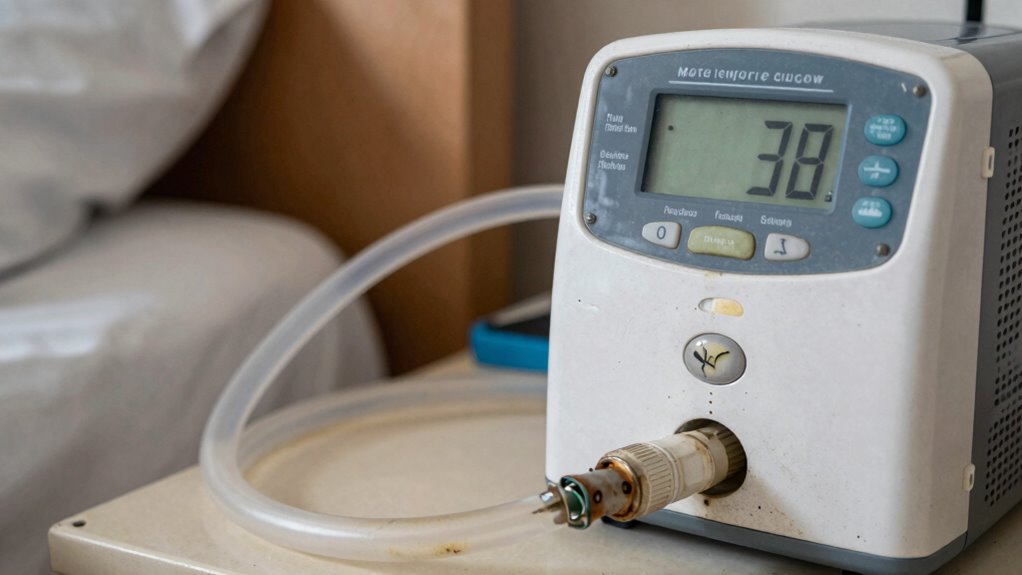
If your oxygen machine isn’t functioning properly, it can pose serious health risks. One sign to watch for is oxygen leaks, which can reduce the amount of oxygen you receive and compromise your safety. If you notice hissing sounds or see any unusual dampness around the device, it’s likely leaking. Additionally, pay attention to device noise—if your oxygen machine suddenly becomes louder or makes abnormal sounds, it could indicate a mechanical problem. These issues suggest your machine isn’t delivering oxygen effectively, making it unsafe to use. Regularly inspecting your equipment for leaks and unusual noises helps ensure it’s working properly. If you detect any of these signs, it’s time to consult your provider and consider replacing or repairing your oxygen machine. Using high-quality equipment with proper maintenance can help prevent device malfunction and ensure safe operation. Being aware of device troubleshooting techniques can further help identify potential issues early, such as checking for proper ventilation and ensuring the device is clean and well-maintained. Additionally, understanding preventative maintenance can extend the lifespan of your oxygen machine and maintain its safety and efficiency. Regularly replacing filters and inspecting tubing are also vital components of effective equipment upkeep.
How Often Should You Replace Your Oxygen Equipment
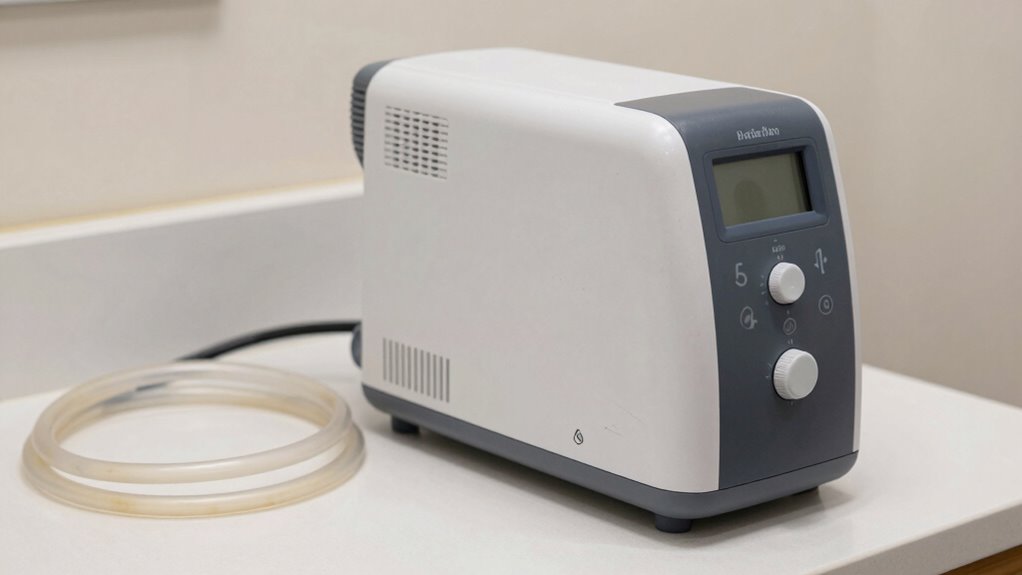
Knowing when to replace your oxygen equipment depends on its expected lifespan and how well it’s functioning. Watch for signs of malfunctioning, like inconsistent flow or unusual noises, which indicate it might be time for a change. Always follow the manufacturer’s recommendations to make certain your equipment stays safe and effective. Regular maintenance checks help ensure your oxygen machine continues to perform safely and efficiently. Additionally, replacing filters or other consumables as recommended can prevent equipment failure and maintain optimal performance. Proper cleaning methods not only extend the lifespan of your device but also reduce the risk of bacterial buildup, enhancing safety. Monitoring performance indicators regularly can also help catch issues early before they become more serious.
Equipment Lifespan Expectations
Oxygen equipment doesn’t last forever, and understanding its typical lifespan helps you plan for replacements before issues arise. Generally, oxygen therapy devices like concentrators and cylinders have an equipment durability of 5 to 10 years, depending on usage and maintenance. Regular servicing can extend their lifespan, but components like filters, valves,, and sensors may need replacement sooner. If your device is approaching or surpassing this range, it’s wise to start considering upgrades or replacements. Proper maintenance not only maximizes equipment longevity but also ensures consistent performance. Additionally, routine inspections can help detect early signs of wear and tear, preventing unexpected failures. Being aware of manufacturer guidelines can provide more specific advice tailored to your device model. Keeping an eye on equipment deterioration signs and addressing them promptly can help you avoid costly repairs or replacements later. Keep in mind that older equipment might become less reliable or less efficient, which could impact your health. Staying aware of these lifespan expectations empowers you to schedule timely replacements and maintain safe, effective oxygen therapy. Equipment lifespan is a key factor in ensuring your device remains safe and reliable over time. Additionally, staying informed about device deterioration signs can help you identify when immediate action is needed to prevent therapy interruptions.
Signs of Malfunctioning
Over time, your oxygen equipment may show signs of malfunctioning, signaling it’s time to contemplate replacement. Poor performance, unusual noises, or inconsistent oxygen flow are key indicators. Regular device maintenance can help detect issues early, but certain signs mean replacement is necessary. Keep an eye out for the following:
| Sign | Impact | Action |
|---|---|---|
| Reduced oxygen output | Ineffective oxygen therapy | Replace the device |
| Strange noises or leaks | Possible damage or wear | Schedule maintenance or replace |
| Excessive humidity or condensation | Breathing discomfort or device failure | Check and replace if persistent |
Understanding the signs of device failure can help ensure your therapy remains safe and effective. For example, sudden changes in device performance may be linked to device lifespan, indicating it’s time to consider replacement. Additionally, routine inspections are vital for early detection of issues that could compromise safety. For optimal safety, it’s also crucial to schedule regular inspections to catch potential issues early. Timely replacement ensures your oxygen therapy remains safe and effective. Don’t ignore these signs—your health depends on it. Rhythm Failure
Manufacturer Recommendations
Manufacturers typically suggest replacing oxygen equipment at specific intervals to guarantee safety and peak performance. Following these manufacturer guidelines helps ensure your device operates reliably and remains safe to use. It’s essential to be aware of your equipment’s warranty period, as device warranties often specify replacement timelines or maintenance requirements. Regularly checking these guidelines allows you to prevent unexpected malfunctions. Remember, neglecting recommended replacement schedules can void warranties and compromise safety. Additionally, understanding the importance of manufacturer recommendations can help you better maintain your equipment’s longevity and safety. Key points to consider include:
- Replacing filters and consumables as advised
- Monitoring equipment for wear and tear
- Adhering to recommended service intervals
Staying informed about industry standards can further enhance your understanding of optimal maintenance practices. Being proactive about equipment maintenance and staying informed about your device’s performance standards ensures optimal device performance and longevity. Sticking to manufacturer recommendations will help maintain ideal device performance and ensure your safety over time. Regular inspections and timely replacements are crucial for device safety and dependability.
When to Talk to Your Doctor About Upgrading Your Oxygen Machine
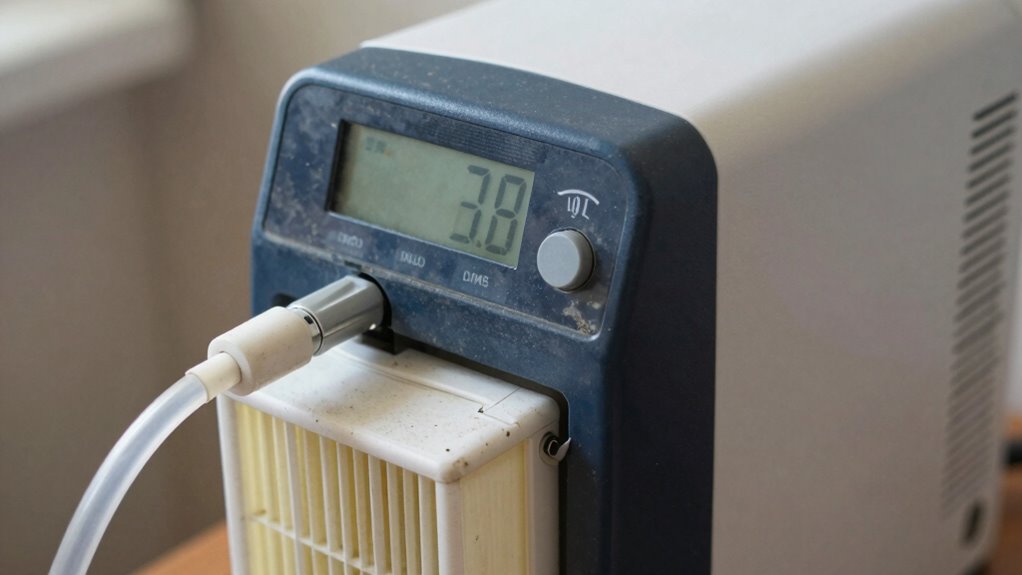
If you notice changes in your breathing or your oxygen therapy isn’t providing the relief it once did, it’s important to talk to your doctor about upgrading your oxygen machine. Your doctor can assess whether your current device still meets your needs or if alternative therapy options could help improve your quality of life. They might also recommend lifestyle adjustments that could reduce your dependence on oxygen or enhance your overall health. Upgrading your oxygen equipment can improve comfort, efficiency, and safety, especially if your current machine is outdated or no longer functioning properly. Incorporating industry trends and new technology updates can help ensure you receive the most effective treatment. Don’t hesitate to discuss your symptoms and concerns openly with your healthcare provider to determine the best course of action. Regular communication ensures you receive the most effective and appropriate oxygen therapy.
What Are the Benefits of Upgrading to Newer Oxygen Technology
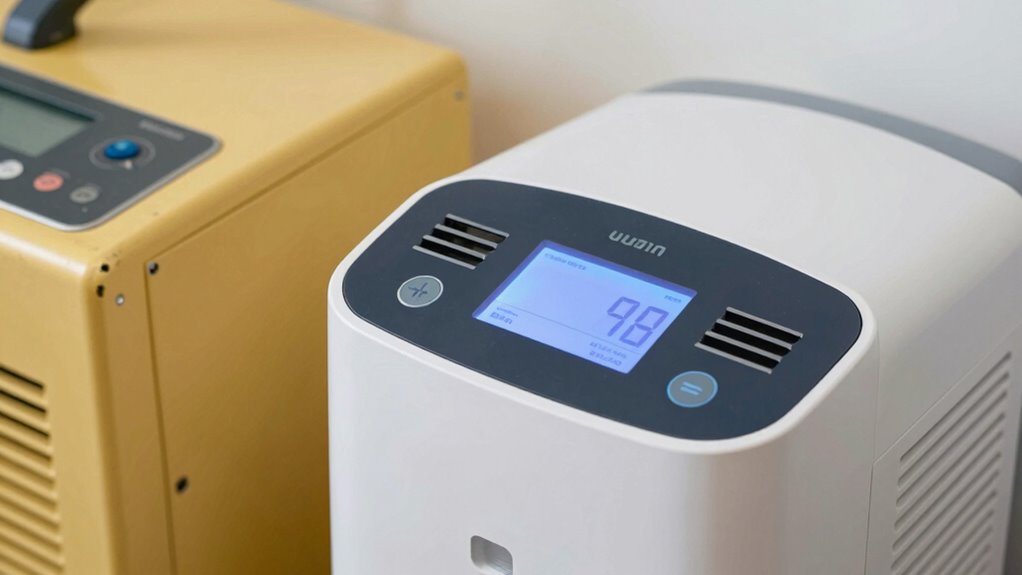
Upgrading to newer oxygen technology can substantially enhance your overall comfort and safety. Modern device upgrades offer more reliable oxygen therapy, ensuring consistent delivery and reducing interruptions. With advanced features, your device becomes quieter, lighter, and easier to use, improving daily convenience. Additionally, newer systems often have better energy efficiency, saving you money and reducing environmental impact. Upgrading also means access to improved diagnostics and monitoring, helping you and your healthcare provider track your oxygen levels more effectively. Benefits include:
- Enhanced comfort through quieter, lightweight designs
- Increased safety with more accurate oxygen delivery
- Better monitoring features for improved health management
Investing in the latest oxygen technology ensures you’re getting the most effective, safe, and user-friendly device, making your oxygen therapy more manageable and effective overall.
Safety Risks of Using Outdated Oxygen Devices
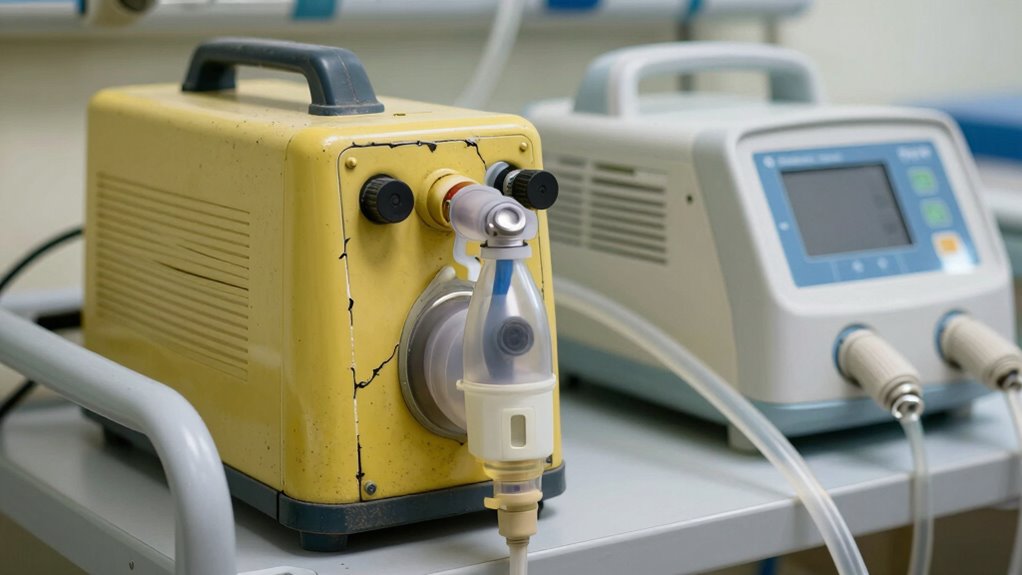
Using outdated oxygen devices can increase your risk of fire hazards and other accidents. Over time, the equipment may also deliver lower oxygen purity, which can affect your health. Staying current with your device helps guarantee your safety and well-being.
Increased Fire Hazard Risks
Outdated oxygen machines pose a significant fire risk because their components can degrade over time, increasing the chance of sparks or electrical malfunctions. If you don’t prioritize regular equipment inspection, you may unknowingly expose yourself to serious danger. An aging device can have compromised wiring, faulty regulators, or worn-out connectors, all of which elevate fire hazards. To protect your safety, look out for:
- Frayed or damaged power cords
- Burning smell or unusual noises during operation
- Visible corrosion or wear on electrical parts
Performing routine equipment inspection helps identify these issues early, reducing fire safety risks. If your oxygen machine is outdated, consider replacing it to ensure reliable operation and peace of mind. Staying vigilant is key to preventing preventable fires.
Decreased Oxygen Purity
Even if your oxygen machine still appears to work, its ability to deliver pure oxygen can decline over time, posing serious safety risks. As the device ages, the oxygen concentration it provides may drop below safe levels, reducing its effectiveness. This decline often results from inaccurate device calibration or worn components. Using outdated equipment can lead to insufficient oxygen delivery, which may compromise your health or cause adverse effects. Regularly checking the device calibration ensures it maintains proper oxygen concentration levels. If you notice inconsistent oxygen delivery or difficulty maintaining the proper flow, it’s a sign it’s time to replace or upgrade your machine. Don’t risk safety—keeping your oxygen device updated guarantees reliable, pure oxygen whenever you need it most.
How Much Does Replacing or Upgrading Cost
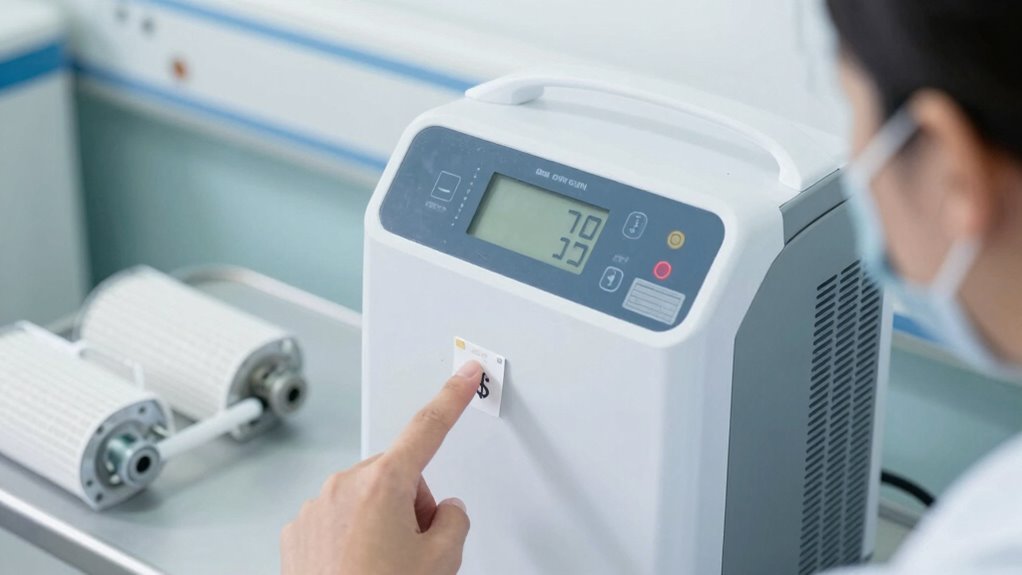
Are you wondering how much it will cost to replace or upgrade your oxygen machine? The cost varies depending on your needs and the options available. A thorough cost comparison can help you decide whether to opt for a new device or enhance your current one. Upgrade options range from simple accessory additions to full system replacements. Typically, you’ll see:
Considering costs for oxygen device upgrades or replacements helps you choose the best long-term solution.
- Basic portable units costing around $1,000 to $3,000
- Advanced models with extra features ranging from $3,000 to $6,000
- Maintenance or accessory upgrades costing a few hundred dollars
Keep in mind, investing in a quality system often reduces long-term expenses. Knowing your budget and needs will help you choose the most cost-effective solution for your oxygen therapy.
Choosing the Right Oxygen Machine for Your Needs
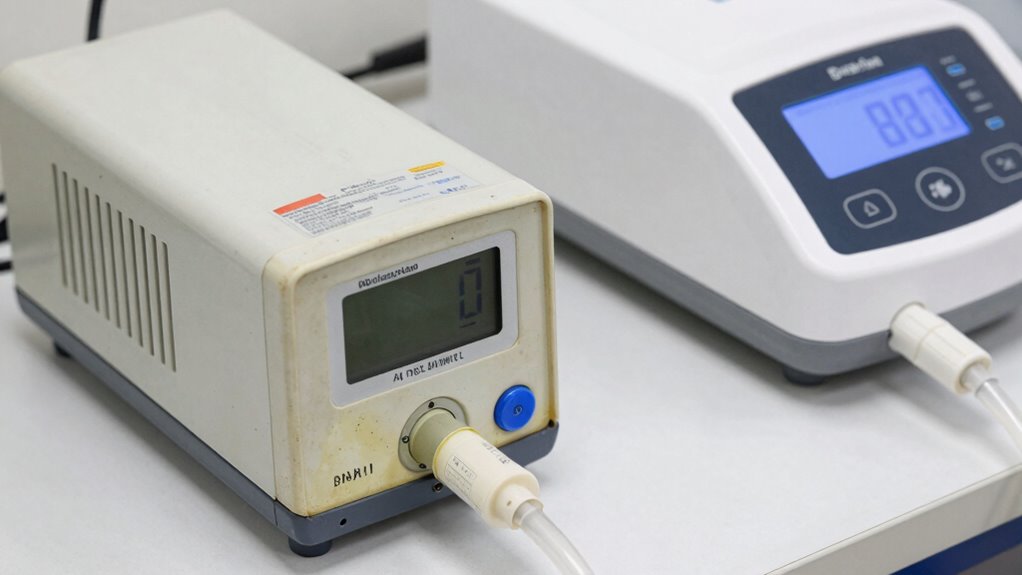
Choosing the right oxygen machine depends on understanding your specific medical needs and lifestyle. First, consider the type of oxygen therapy prescribed—whether you need a portable device for mobility or a stationary unit for home use. Device compatibility is essential; confirm the machine suits your existing equipment and fits your daily routine. If you require high flow rates, look for models designed for that purpose. Noise levels, battery life, and ease of use also matter, especially if you’ll be using the device frequently or on the go. Consult with your healthcare provider to identify features that align with your medical condition. By evaluating your oxygen therapy requirements and confirming device compatibility, you can select a machine that promotes comfort, safety, and effective treatment.
Tips for Maintaining Your Oxygen Machine and Extending Its Life
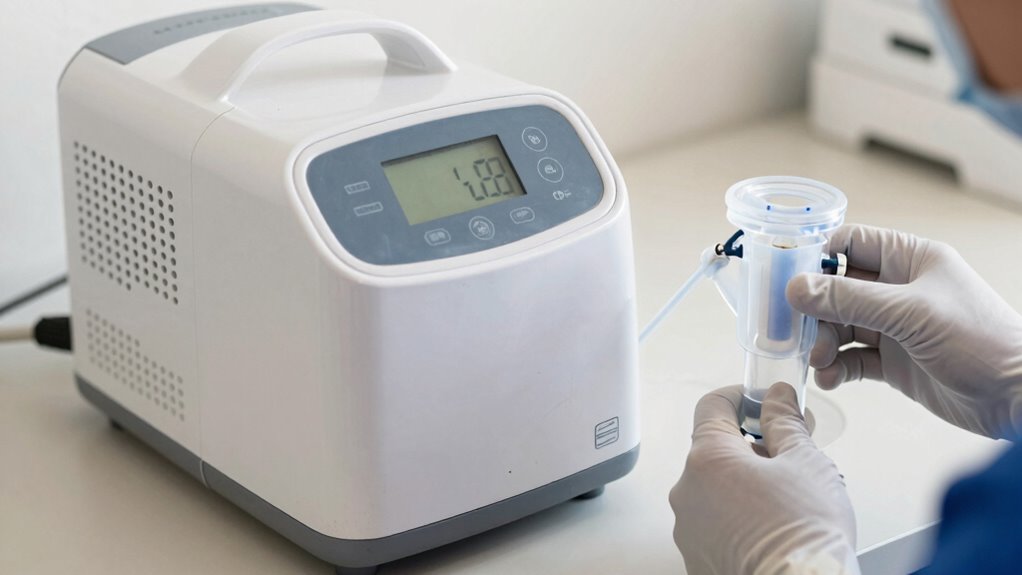
Regular maintenance is essential to keep your oxygen machine functioning effectively and to extend its lifespan. Proper device maintenance guarantees your oxygen therapy remains reliable and safe. To maximize your machine’s longevity, clean filters regularly, inspect hoses for cracks or leaks, and keep the device in a cool, dry place away from dust. Remember these key tips:
- Replace filters as recommended by the manufacturer
- Keep vents unobstructed for proper airflow
- Schedule professional check-ups periodically
Signs You Should Consult Your Healthcare Provider About Equipment Changes
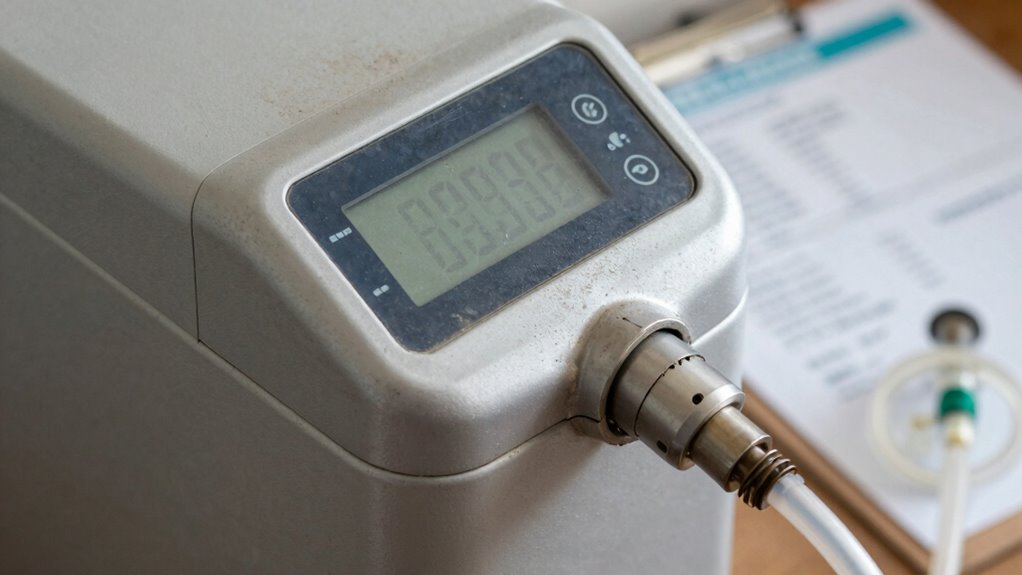
While maintaining your oxygen machine helps it run smoothly, there are times when signs indicate it may no longer meet your needs. If you notice frequent breakdowns, inconsistent oxygen flow, or increased noise, it’s time to consult your healthcare provider. These issues could signal that your equipment is outdated or malfunctioning, impacting your health. Regular home maintenance is essential, but sometimes equipment simply wears out. Additionally, if you’re considering an upgrade, check your insurance coverage—some policies may cover newer models that offer improved features. Don’t delay seeking professional advice if your current device isn’t performing as expected. Your healthcare provider can recommend whether repairs, adjustments, or a full replacement is necessary to ensure your safety and continued oxygen therapy effectiveness.
Frequently Asked Questions
Can I Upgrade My Oxygen Machine Without Replacing the Entire Unit?
Yes, you can often upgrade your oxygen machine without replacing the entire unit by focusing on oxygen machine upgrades that enhance features or performance. Check equipment compatibility first to guarantee the new components or accessories work with your current device. Consult your healthcare provider or the manufacturer to confirm the upgrades are safe and effective, allowing you to improve functionality without the need for a full replacement.
Are There New Features in Modern Oxygen Devices I Should Consider?
Modern oxygen devices often feature portable designs, digital displays, and user-friendly controls, making them more convenient and easier to operate. You should consider these new features to enhance mobility, monitor your oxygen levels accurately, and streamline your daily routine. These innovations help you stay connected, informed, and comfortable, ensuring your oxygen therapy fits seamlessly into your lifestyle. Upgrading for these features can markedly improve your overall experience.
How Do I Determine if My Current Machine Is Energy Efficient?
You can determine if your oxygen machine is energy efficient by checking its energy consumption, usually listed in the user manual or on the device itself. Look for models with lower wattage and energy-saving features, as these indicate better device efficiency. Additionally, compare your current device’s power use to newer models, which often have improved efficiency to save you money on electricity while maintaining performance.
Will Insurance Cover the Cost of Upgrading My Oxygen Equipment?
Insurance coverage for upgrading your oxygen equipment varies depending on your provider and policy. You should contact your insurer to ask about upgrade options and whether they’ll cover the costs. Keep in mind, some plans require medical necessity or prior authorization. It’s a good idea to review your policy details and speak directly with your insurance representative to understand your coverage, so you can plan accordingly for any upgrades needed.
What Should I Do if My Oxygen Machine Stops Working Suddenly?
If your oxygen machine stops working suddenly, first troubleshoot issues by checking power connections and filters. Follow maintenance tips like cleaning the unit and inspecting hoses. If it still doesn’t work, contact your supplier or technician for professional help. Don’t delay, as proper troubleshooting and regular maintenance can often resolve problems quickly, ensuring you get the oxygen support you need without unnecessary disruptions.
Conclusion
Eventually, your oxygen machine becomes just like that old friend who’s served you well but can’t keep up anymore. When you notice signs it’s time for an upgrade—whether it’s safety concerns or new features—you’ll feel a sense of relief. Think of it as a coincidence: just as spring blooms, your health deserves fresh, reliable equipment. Trust your instincts, consult your doctor, and breathe easier knowing you’ve taken the right steps to stay safe.