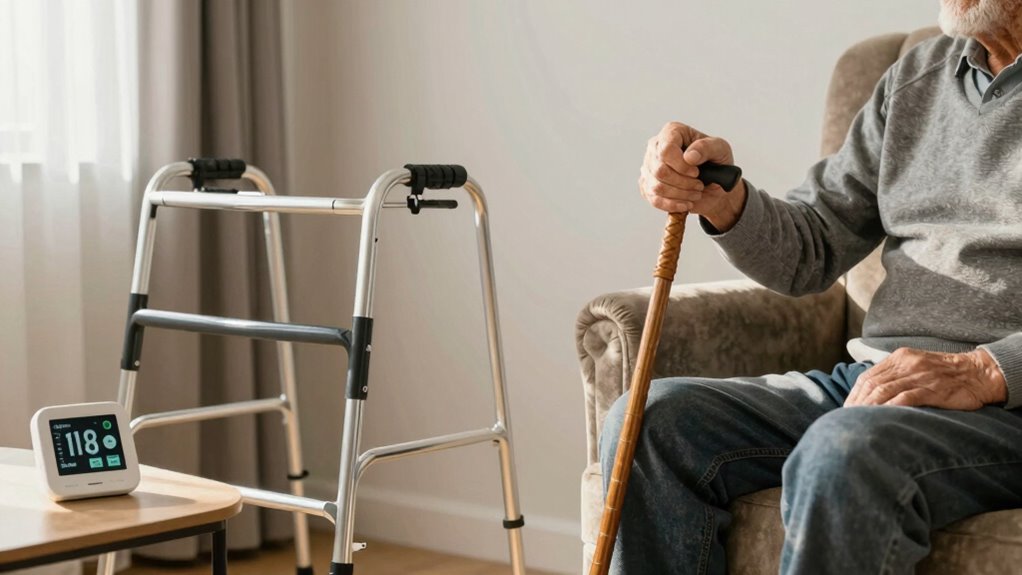

Comfort equipment becomes crucial in Parkinson’s care when it helps you stay independent, manage symptoms like tremors or stiffness, and perform daily tasks more easily. These aids support your mobility, reduce fatigue, and create a calming environment that improves your emotional well-being. They also promote social connection and confidence, making challenges feel more manageable. As physical abilities decline, these tools become indispensable for maintaining quality of life—discover how to optimize your support as you explore further.

Turn quiet afternoons into listening time
- Thousands of audiobooks, podcasts and originals
- Listen on your phone, tablet or Echo — also offline
- Cancel anytime
Key Takeaways
- When mobility issues hinder daily tasks, assistive devices become crucial for maintaining independence.
- In cases of severe tremors or stiffness, specialized equipment supports functional abilities.
- Emotional comfort tools, like weighted blankets, are essential during heightened anxiety or sleep disturbances.
- Communication aids become vital as speech difficulties impact social interaction and emotional well-being.
- When physical decline affects safety, adaptive equipment ensures risk reduction and enhances overall quality of life.
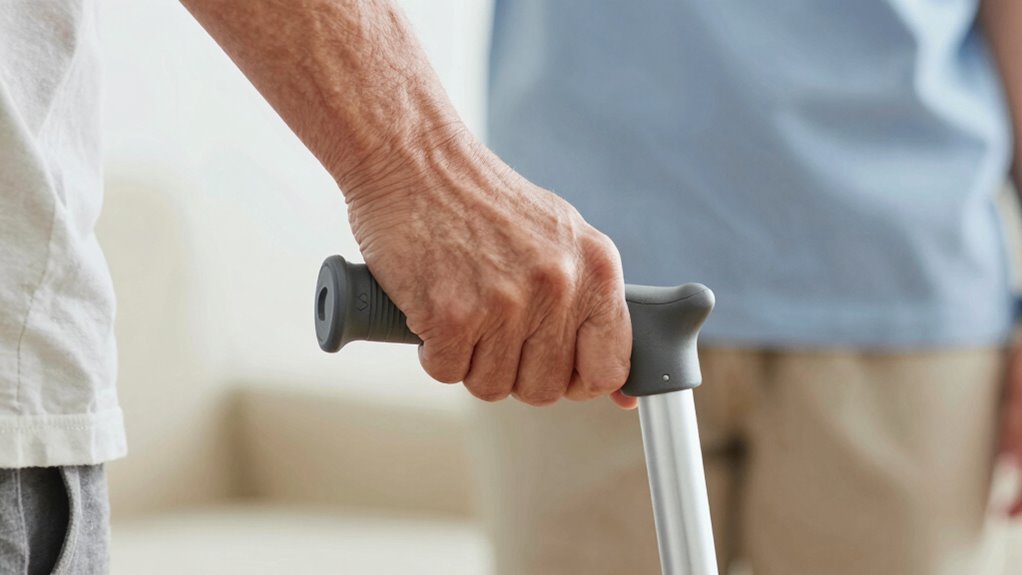
When managing Parkinson’s disease, comfort equipment plays a crucial role in improving daily life and maintaining independence. As your symptoms evolve, the right tools can make a significant difference, helping you navigate tasks that once felt effortless. Assistive technology, from simple tools like grab bars to advanced devices, can support your mobility, reduce fatigue, and provide a sense of control. These devices are designed to compensate for tremors, stiffness, or balance issues, allowing you to perform everyday activities with less frustration and risk. For example, weighted utensils or ergonomic handles can make eating easier, while voice-activated assistants help you manage schedules or find information without needing to handle multiple devices. Incorporating Assistive technology into daily routines can also promote environmental sustainability, as many devices are designed to be energy-efficient and eco-friendly.
Comfort equipment supports independence and safety by aiding mobility, reducing fatigue, and helping manage symptoms of Parkinson’s disease.
Beyond physical support, emotional comfort is equally important. Living with Parkinson’s can be emotionally taxing, and comfort equipment can serve as a source of reassurance. Items like soft, supportive cushions or weighted blankets can provide a calming effect, easing anxiety and promoting better sleep. These tools help create an environment that fosters emotional well-being, helping you feel more secure and relaxed in your daily routines. Sometimes, adaptive devices also serve as symbols of independence, empowering you to maintain dignity and confidence even as your physical abilities change.
Assistive technology isn’t just about mobility; it also encompasses communication aids that help you stay connected with loved ones and caregivers. Speech amplification devices or apps can enhance your voice, making conversations clearer and reducing frustration. Such tools not only support your ability to communicate but also contribute to emotional support, reminding you that you’re still connected and understood. The presence of these devices can lessen feelings of isolation, which are common among those living with Parkinson’s. They reinforce the message that help is available, and that you can still participate actively in social interactions.
Ultimately, the integration of comfort equipment becomes essential when your symptoms interfere with daily functioning or emotional health. The goal isn’t just about physical assistance but also about fostering confidence and resilience. As you incorporate assistive technology and comfort tools into your routine, you’ll likely find a renewed sense of independence and emotional stability. These devices act as both practical aids and sources of reassurance, helping you face each day with greater ease and optimism. When comfort equipment becomes an integral part of your care, it transforms challenges into manageable moments, supporting your overall well-being and quality of life.
Parkinson's tremor assistive devices
As an affiliate, we earn on qualifying purchases.
As an affiliate, we earn on qualifying purchases.
Frequently Asked Questions
How Do I Determine the Right Comfort Equipment for My Loved One?
You determine the right comfort equipment for your loved one by considering their personal preferences and daily needs. Talk with them to understand what feels most comfortable and supportive. Keep in mind, equipment should be easy to use and maintain, so check for simple maintenance routines. Consult healthcare professionals for tailored recommendations, and observe how your loved one responds, adjusting choices based on comfort and practicality.
Are There Any Risks Associated With Using Comfort Equipment?
Some might worry comfort equipment isn’t safe, but with proper risks assessment and safety precautions, it’s generally secure. Always check for potential hazards like sharp edges or instability, and guarantee equipment is correctly fitted. Regularly inspect and maintain it to prevent accidents. Consulting healthcare professionals for personalized advice helps minimize risks, ensuring your loved one benefits safely from comfort equipment without unnecessary dangers.
How Often Should Comfort Equipment Be Replaced or Upgraded?
You should replace or upgrade comfort equipment based on equipment safety and maintenance schedules. Regularly inspect items for wear, damage, or loss of effectiveness. Follow manufacturer recommendations, typically every 1-3 years, but more frequent updates might be necessary if usage increases or if safety concerns arise. Staying proactive guarantees your equipment remains safe, functional, and comfortable, helping you manage Parkinson’s symptoms effectively while minimizing risks.
Can Comfort Equipment Be Used During Medication Fluctuations?
Yes, you can use comfort equipment during medication fluctuations. It’s important to coordinate equipment adjustments with medication timing to guarantee safety and comfort. For example, if medication effects vary, you might need to modify or temporarily remove certain equipment. Always consult your healthcare provider before making changes, and monitor how the equipment functions during different medication phases to maintain ideal comfort and support.
Are There Insurance Options to Cover Comfort Equipment Costs?
Yes, insurance coverage can help with comfort equipment costs. You should check if your health insurance plan offers cost reimbursement for assistive devices, mobility aids, or specialized equipment. Some policies may cover part or all of the expenses, especially if the equipment is medically necessary. It’s a good idea to consult with your insurer or healthcare provider to understand your options and guarantee you receive the coverage you qualify for.
Conclusion
Imagine comfort equipment as a trusted lighthouse guiding you through the stormy seas of Parkinson’s. Just like a lighthouse provides steady reassurance amid darkness, these tools restore independence and ease daily struggles. One caregiver shared how a simple grip aid transformed her father’s mornings, turning frustration into gentle smiles. Embracing these essentials isn’t just about convenience—it’s about illuminating the path toward dignity and comfort in every moment of your loved one’s journey.
Halloween Picks
halloween
As an affiliate, we earn on qualifying purchases.