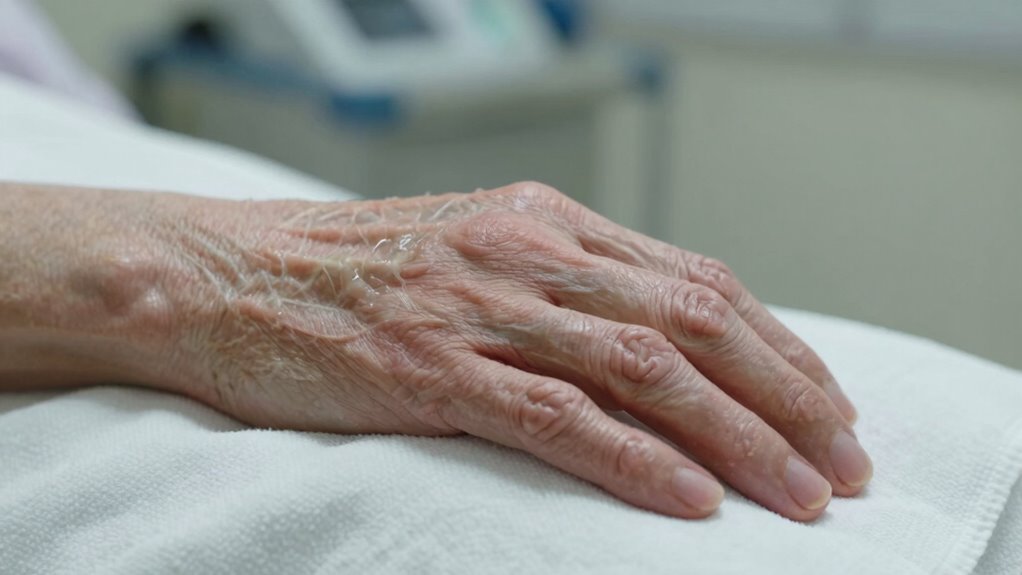

If you or a loved one have late-stage Parkinson’s and limited mobility, maintaining skin health is essential. Focus on keeping skin clean, dry, and well-hydrated, as dehydration and dryness increase injury risk. Change positions regularly, use pressure-relieving devices, and inspect skin frequently for redness or damage. Applying barrier creams and consulting healthcare professionals can also help prevent pressure ulcers. To learn more about effective care strategies, keep exploring how you can protect skin health in immobile conditions.

Turn quiet afternoons into listening time
- Thousands of audiobooks, podcasts and originals
- Listen on your phone, tablet or Echo — also offline
- Cancel anytime
Key Takeaways
- Regular repositioning every two hours prevents pressure ulcers caused by immobility.
- Maintain skin hydration through adequate fluid intake and regular moisturizing to preserve elasticity and repairability.
- Conduct frequent skin inspections for early signs of redness, warmth, or breakdown to enable prompt intervention.
- Use pressure-relief cushions and specialized mattresses to reduce sustained pressure on vulnerable skin areas.
- Keep skin clean and dry, applying barrier creams to protect against moisture and irritants.
As Parkinson’s disease advances to its late stages, immobility becomes a significant challenge that can compromise your skin’s health. When you’re less able to move freely, your risk of developing skin problems, especially pressure ulcers, increases substantially. That’s why understanding the importance of hydration and pressure ulcer prevention is essential to maintaining your skin’s integrity and comfort.
Hydration plays a critical role in keeping your skin healthy and resilient. When your body is well-hydrated, your skin remains supple, elastic, and better able to repair itself. Dehydration, on the other hand, causes your skin to become dry, cracked, and more prone to damage. To support hydration, it’s essential to drink plenty of fluids throughout the day, including water and other hydrating beverages. Avoid drinks that can dehydrate you, such as those high in caffeine or alcohol. Additionally, applying moisturizers regularly helps lock in moisture and protect your skin from becoming dry and fragile. Ensuring adequate hydration isn’t just about drinking enough fluids; it’s also about paying attention to your skin’s needs and responding promptly to signs of dryness or irritation. Recognizing that skin health is closely linked to overall well-being can motivate proactive care. Incorporating a balanced diet rich in essential nutrients further supports your skin’s resilience and recovery capacity. Regularly consulting healthcare professionals about your skin’s condition can also help identify early signs of issues before they worsen.
Preventing pressure ulcers, also known as bedsores, becomes a top priority when mobility is limited. These injuries develop when sustained pressure cuts off blood flow to specific areas of your skin and underlying tissues. To prevent this, you should frequently change your position, ideally every two hours, to distribute pressure evenly across different parts of your body. Using specialized cushions or mattresses designed for pressure redistribution can also make a significant difference. Regular skin inspections are critical—look for redness, warmth, or any signs of skin breakdown. If you notice any issues, addressing them early can prevent more severe damage. Keep your skin clean and dry; moisture from sweat or incontinence can increase the risk of skin breakdown, so gentle cleansing and thorough drying are essential. Applying barrier creams or protective ointments can also help shield your skin from irritants and moisture. Understanding the importance of pressure ulcer prevention can significantly reduce the risk of complications and improve comfort. Additionally, maintaining good circulatory health can enhance your skin’s ability to recover from minor injuries and resist breakdown. Recognizing that immobility increases your vulnerability to skin problems allows you to proactively implement these strategies. By prioritizing hydration and pressure ulcer prevention, you give your skin the best chance to stay healthy despite the challenges posed by late-stage Parkinson’s.
Products Worth Considering

Withings Sleep Under-Mattress Sleep Tracking Pad

Therabody Theragun Relief Massage Gun, 3-Speed, Black

OMRON Complete 2-in-1 Upper Arm Blood Pressure Monitor with EKG
As an affiliate, we earn on qualifying purchases.
Frequently Asked Questions
How Often Should Skin Assessments Be Performed for Late-Stage Parkinson’s Patients?
You should perform skin assessments at least daily for late-stage Parkinson’s patients. Regular checks help you identify early signs of pressure ulcers and monitor skin hydration, which are common concerns with immobility. By inspecting areas prone to pressure, you can prevent skin breakdown. Daily assessments enable you to implement prompt interventions, ensuring the patient stays comfortable and reducing the risk of complications related to skin integrity.
Are There Specific Skincare Products Recommended for Immobile Parkinson’s Patients?
For immobile Parkinson’s patients, you should choose gentle, fragrance-free moisturizers that support the skin barrier. Look for products with ingredients like ceramides, hyaluronic acid, or glycerin, which help retain moisture and protect sensitive skin. Avoid harsh or alcohol-based products, as they can cause dryness. Regularly applying a suitable moisturizer can prevent skin breakdown and maintain skin health, especially in areas prone to pressure or friction.
What Are Early Signs of Skin Infections in Immobile Individuals?
You should watch for early signs of skin infections like redness, swelling, warmth, or pain, especially over areas prone to pressure ulcers. Keep the skin well-hydrated to prevent dryness and cracking, which can increase infection risk. Also, notice if any sores or blisters form that don’t heal. Promptly addressing these signs helps prevent serious infections and complications, ensuring better skin health and comfort for immobile individuals.
How Can Caregivers Prevent Skin Breakdown During Hospital Stays?
To prevent skin breakdown during hospital stays, you should regularly use gentle massage techniques to improve circulation and relieve pressure. Keep the skin well-hydrated by implementing hydration strategies, such as encouraging fluid intake and using moisturizers. Frequently reposition the patient to avoid prolonged pressure on any area, and confirm skin stays clean and dry. These proactive steps help maintain skin integrity and reduce the risk of breakdown.
Are There Alternative Therapies to Improve Skin Health in Immobile Patients?
You can explore alternative therapies like massage, gentle range-of-motion exercises, and aromatherapy to boost skin health in immobile patients. These methods stimulate circulation, promote skin hydration, and help prevent breakdown. Regularly applying moisturizers and ensuring proper hydration also support skin integrity. Always consult healthcare professionals to tailor these therapies safely, ensuring they complement your patient’s needs and avoid any risk of injury or discomfort.
Conclusion
As you navigate the challenges of late-stage Parkinson’s, remember that caring for your skin is a crucial act of kindness to yourself. By staying vigilant, maintaining hygiene, and seeking support when needed, you can turn the tide against discomfort and complications. Your skin, like a silent guardian, deserves love and attention—a gentle reminder that even in stillness, your well-being remains a vibrant, ongoing story. Embrace this care; your body will thank you.