

Bathroom urgency in Parkinson’s is a common issue that many don’t openly discuss, yet it can disrupt your daily routines and cause embarrassment. Your medications and sleep patterns play a big role, and managing them carefully can help reduce urgent needs. Strategies like bladder training, planning restroom visits, and using protective clothing can improve control. If you want to understand how to better tackle this silent struggle and regain confidence, there’s more you should consider.

Turn quiet afternoons into listening time
- Thousands of audiobooks, podcasts and originals
- Listen on your phone, tablet or Echo — also offline
- Cancel anytime
Key Takeaways
- Bathroom urgency is a common yet rarely discussed symptom that significantly impacts quality of life for Parkinson’s patients.
- Medication fluctuations can unpredictably worsen or improve urinary urgency, requiring careful management.
- Sleep disturbances in Parkinson’s often increase nighttime bathroom needs, heightening urgency and risk of accidents.
- Behavioral strategies and bladder training can help manage urgency, but awareness and open communication are essential.
- The emotional and social effects of bathroom urgency can lead to anxiety, social withdrawal, and diminished confidence.
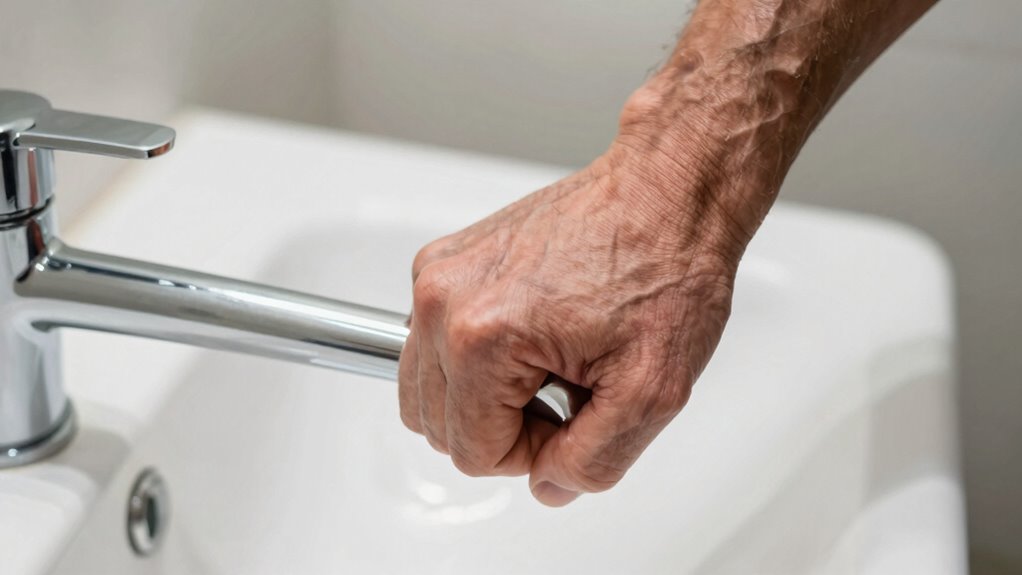
Have you ever experienced sudden, uncontrollable urges to use the bathroom that catch you off guard? If you have Parkinson’s, this might be a common, yet rarely discussed, part of your daily life. Bathroom urgency isn’t just inconvenient—it can disrupt your routine, cause embarrassment, and even impact your mental well-being. It’s a symptom that many people with Parkinson’s deal with, but few talk about openly. Addressing it requires understanding the complex factors involved, including medication management and sleep disturbances, which both play essential roles in managing urinary symptoms.
Bathroom urgency in Parkinson’s is common but often overlooked; understanding medication and sleep can improve quality of life.
Medication management is indispensable because Parkinson’s medications can influence bladder function in unpredictable ways. Some drugs may improve motor symptoms but worsen urinary urgency, while others might have the opposite effect. Finding the right balance often involves close communication with your healthcare provider, who can tweak doses or suggest alternative treatments. Adjusting medications might seem intimidating, but it can substantially reduce the frequency and intensity of bathroom urges. Sometimes, timing medications differently throughout the day helps manage symptoms more effectively, giving you better control and reducing sudden urges that catch you off guard.
Sleep disturbances also intertwine with bathroom urgency, creating a cycle that’s hard to break. When Parkinson’s disrupts your sleep—whether it’s difficulty falling asleep, staying asleep, or experiencing restless nights—you may find yourself waking up frequently. These nighttime awakenings often come with urgent bathroom needs, which can leave you feeling exhausted and frustrated during the day. Poor sleep can heighten your sensitivity to bladder signals, making you more prone to rushes and accidents. Managing sleep disturbances through good sleep hygiene, medication adjustments, or other therapies can help reduce nighttime bathroom urgency and improve your overall quality of life. Additionally, understanding the complex relationship between medication and urinary symptoms can empower you to work more effectively with your healthcare team. Recognizing the importance of comprehensive care can lead to more holistic management of Parkinson’s symptoms, including urinary issues. It’s also beneficial to explore bladder training exercises as they can help strengthen control over urgency.
It’s important to recognize that this issue isn’t just physical—it affects your confidence and independence. You might hesitate to go out or avoid social situations because of the fear of needing an immediate bathroom. This fear can lead to anxiety, which only worsens urinary symptoms. Taking proactive steps, like planning routes with accessible restrooms or using protective clothing, can ease some of this anxiety. It’s also helpful to learn about behavioral strategies that can reduce urgency and improve bladder control. But ultimately, open communication with your healthcare team is indispensable. They can recommend tailored strategies, whether through medication adjustments, bladder training exercises, or managing sleep issues, to help you regain control and lessen the impact bathroom urgency has on your daily life.
Dealing with bathroom urgency in Parkinson’s can feel overwhelming, but you’re not alone. With the right approach—centered around medication management and addressing sleep disturbances—you can better manage these symptoms and regain a sense of normalcy.
urinary incontinence pads for Parkinson's
As an affiliate, we earn on qualifying purchases.
As an affiliate, we earn on qualifying purchases.
Frequently Asked Questions
Can Bathroom Urgency Be the First Sign of Parkinson’s?
Yes, bathroom urgency can be an early sign of Parkinson’s. If you notice sudden or frequent urges, consider bladder training and lifestyle modifications, which might help manage symptoms. These strategies can improve your quality of life and potentially delay further issues. It is crucial to discuss these symptoms with a healthcare professional promptly, as early detection allows for better management and understanding of underlying causes.
Are There Specific Medications to Reduce Bathroom Urgency?
Yes, specific medications can help reduce bathroom urgency. Your doctor might recommend anticholinergic drugs or medications like oxybutynin to manage urgency effectively. These options target bladder overactivity, helping you regain control. Alongside medication, urgency management techniques like scheduled bathroom visits and bladder training can make a difference. Always consult your healthcare provider to find the best treatment plan tailored to your needs and guarantee safe, effective relief from bathroom urgency.
How Does Diet Impact Bathroom Urgency in Parkinson’s?
Ironically, what you eat can turn bathroom urgency into a daily drama. Increasing dietary fiber helps bulk up stool, easing urgency, while drinking enough fluids keeps things moving smoothly. However, too much fluid too quickly can worsen the problem. Balancing fiber intake with proper hydration is key. You might find that adjusting your diet provides more control, making bathroom visits less urgent and more manageable.
Is Bathroom Urgency Linked to Disease Progression?
Yes, bathroom urgency is linked to disease progression in Parkinson’s. As the condition advances, you might experience changes in your urinary tract, like increased urgency due to reduced bladder capacity. This means your bladder can’t hold as much urine, leading to more frequent urges. Monitoring these symptoms helps you and your healthcare team manage progression better, addressing bladder issues early to improve your daily comfort and quality of life.
Can Pelvic Floor Exercises Help Manage Bathroom Urgency?
Think of your pelvic floor muscles as the gatekeepers of your bathroom control—stronger pelvic strength can keep that gate firmly closed when needed. Pelvic floor exercises are like training these gatekeepers, helping you manage bathroom urgency more effectively. Incorporating specific exercise routines into your daily schedule can bring noticeable relief, empowering you to regain control and reduce the anxiety tied to sudden urges.
Conclusion
Living with Parkinson’s means facing many quiet challenges, like maneuvering those unexpected moments of needing to find a restroom quickly. While it’s a delicate topic, understanding and support can make all the difference. Remember, you’re not alone in this, and there are gentle ways to manage these subtle shifts. With patience and the right strategies, you can find comfort and reassurance, turning these fleeting episodes into just another part of your journey.
Evergreen bestsellers Picks
bestsellers
As an affiliate, we earn on qualifying purchases.