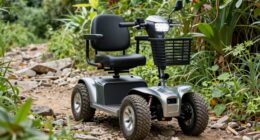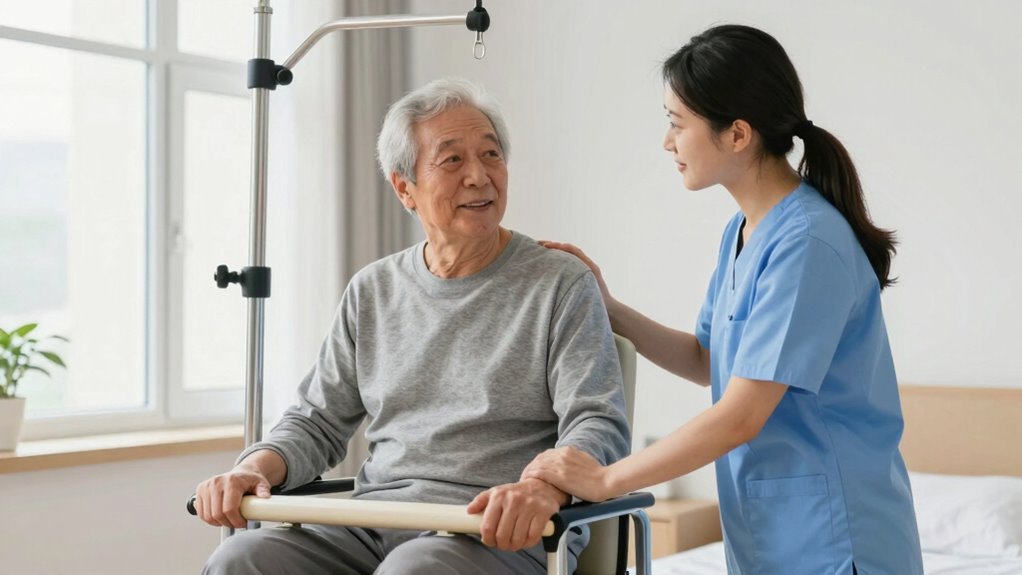

Using patient lifts is one of the best ways to protect your back when transferring patients. These lifts reduce the physical effort required and support proper ergonomics, helping prevent strain, muscle injuries, and chronic pain. By choosing the right lift, learning safe techniques, and following best practices, you can minimize risks and work more comfortably. Keep going to discover how to use lifts effectively and keep yourself safe on the job.
Key Takeaways
- Patient lifts reduce manual lifting effort, decreasing strain on caregivers’ backs and preventing injuries.
- Properly selected and used lifts ensure ergonomic transfers, minimizing risk of muscle strains and spinal injuries.
- Mechanical assistance supports natural body mechanics, promoting safe handling and reducing caregiver fatigue.
- Using lifts with correct techniques and safety checks prevents accidents and long-term back damage.
- Incorporating lifts into routine care maintains safety, comfort, and prevents back injuries for both caregivers and patients.
Why Back Injuries Are a Major Concern for Caregivers
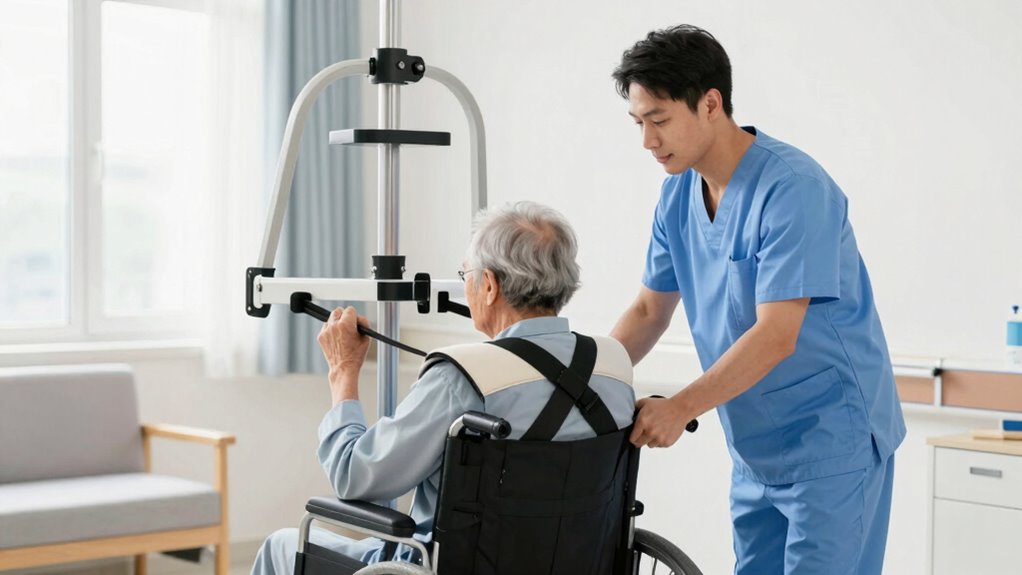
Back injuries are a major concern for caregivers because they frequently perform lifting and transferring tasks that put significant strain on the back muscles. Without proper ergonomic design, these tasks can quickly lead to muscle strains, herniated discs, or chronic pain. Repetitive lifting without support increases injury risks, making injury prevention essential. Using ergonomic equipment and techniques helps distribute weight evenly and reduces unnecessary stress on your spine. Caregivers often overlook the importance of proper body mechanics, which can compound injury risks. Prioritizing ergonomic design in your workspace and lifting routines not only protects your health but also ensures safer, more efficient patient handling. Additionally, understanding proper lifting techniques can significantly reduce the likelihood of injury. Remember, preventing injuries today keeps you healthier and more capable tomorrow.
How Patient Lifts Help Prevent Back Strain and Injuries
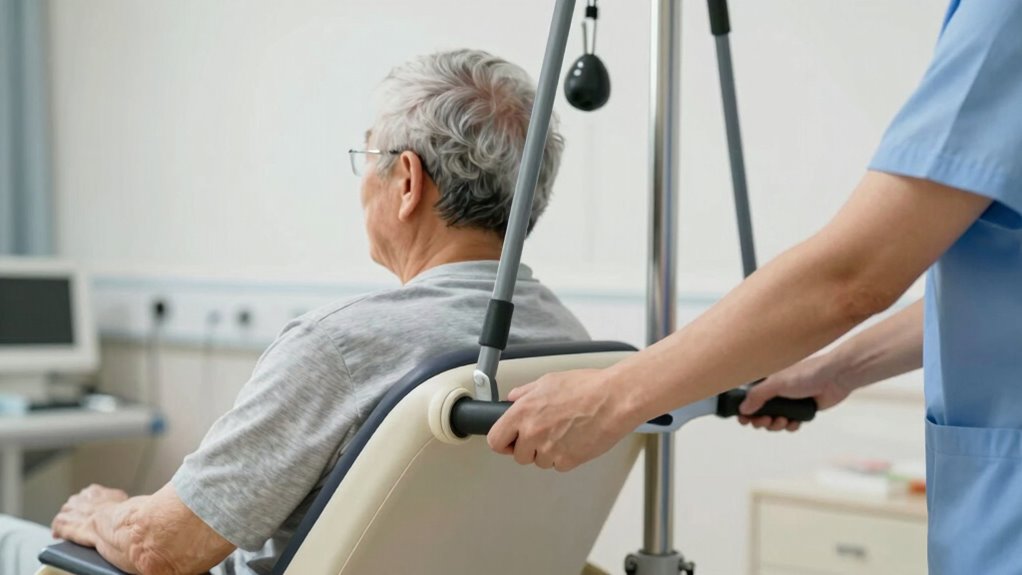
Using patient lifts with proper techniques helps you avoid putting unnecessary stress on your back. They reduce the physical effort needed to lift or transfer patients, lowering your risk of injury. By adopting these tools, you can protect your body and work more safely.
Proper Lifting Techniques
Proper lifting techniques are essential for preventing back strain and injuries, especially when moving patients. You should always maintain an ergonomic posture by keeping your back straight, bending at your hips and knees, not your waist. Use lifting aids whenever possible to reduce physical strain and guarantee a safer transfer. Position yourself close to the patient to minimize reaching and twisting, which can cause injury. Engage your core muscles to support your spine and distribute weight evenly. Avoid sudden movements or lifting with your back, as this increases the risk of injury. Instead, plan the move carefully, communicate clearly with the patient, and utilize proper equipment to assure smooth, safe transfers. Mastering these techniques helps protect your back during caregiving tasks. Incorporating patient lifts into your routine can significantly decrease the likelihood of back injuries by providing mechanical assistance and reducing manual effort. Additionally, understanding and applying correct body mechanics can further enhance safety and efficiency during patient transfers. Employing proper lifting methods that follow ergonomic principles is crucial for long-term health and injury prevention, especially when combined with the use of assistive devices designed to support caregivers.
Reduced Physical Strain
Patient lifts considerably reduce physical strain by allowing you to transfer individuals more efficiently and safely. They minimize the need for manual handling, which often leads to back injuries. With ergonomic design features, these lifts help maintain proper posture and reduce awkward movements. Using patient lifts means less twisting, bending, or lifting heavy loads manually. Their controlled, smooth operation decreases the risk of strain and injury. Here’s how they help:
| Benefit | Explanation | Impact |
|---|---|---|
| Ergonomic design | Designed to support natural body movements | Less back stress |
| Reduced manual handling | Limits physical effort required | Prevents strain injuries |
| Safer transfers | Minimizes awkward positions and sudden movements | Less injury risk |
Implementing proper equipment like patient lifts is essential for protecting caregiver health. Additionally, choosing lifts with easy-to-use controls can further reduce the likelihood of accidental strain or misuse. Moreover, selecting lifts with adjustable height features can improve comfort and safety during transfers.
A thorough understanding of body mechanics can also enhance safe lifting techniques, further preventing injuries.
Being aware of ergonomic principles can help caregivers maintain proper posture and reduce fatigue during transfers.
Choosing the Right Patient Lift for Your Care Situation
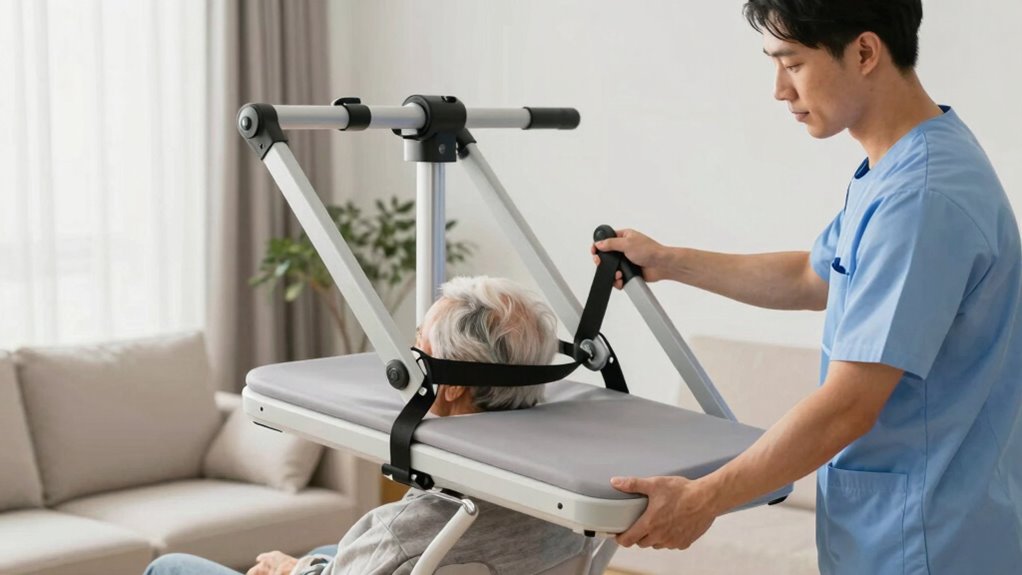
Selecting the right patient lift depends on understanding your specific care situation and the patient’s unique needs. Consider factors like weight, mobility level, and the environment to choose a lift that promotes proper lifting ergonomics. A lift that fits well can reduce your physical strain, preventing injuries and caregiver fatigue. If your patient requires frequent transfers, a versatile or powered lift might be best. For lighter or infrequent tasks, a manual sling or portable lift could suffice. Assess the space available and the ease of use for both you and the patient. Choosing the appropriate lift guarantees safer transfers, minimizes back strain, and keeps both you and your patient comfortable during every move. Proper equipment selection is also essential to ensure compliance with safety standards and to protect both caregiver and patient from potential hazards.
How to Safely Use Patient Lifts: Step-by-Step Tips
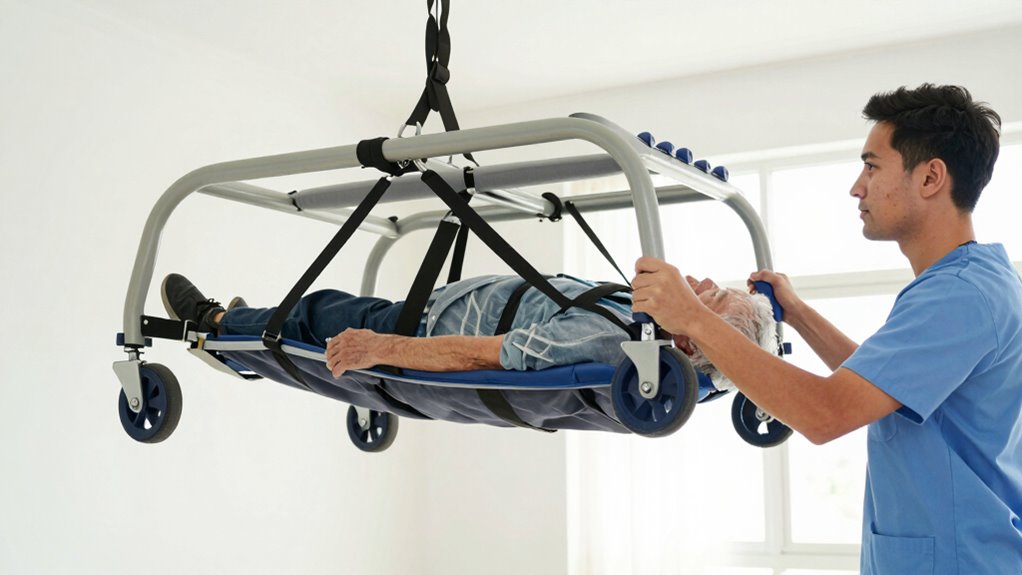
To use patient lifts safely, you need to follow proper setup procedures every time. Clear communication with the patient is essential to make sure they feel secure and understand what’s happening. By focusing on these steps, you can prevent injuries and make transfers smoother for everyone involved. Additionally, understanding the safety features of the lift can help ensure proper use and prevent accidents. Regularly inspecting the equipment for damage or wear is also crucial to maintain safety standards and avoid unexpected failures. Being familiar with modern car tech can also help caregivers stay informed about the latest safety innovations that could be adapted for lift systems.
Proper Setup Procedures
Making sure proper setup is essential for safely using a patient lift. Start by checking that the lift is on a flat, stable surface and all components are secure. Adjust the lifting height to match the patient’s needs, maintaining good lifting ergonomics—keep your back straight and bend at your hips and knees. Before attaching slings, confirm the patient is correctly positioned, with limbs supported and aligned comfortably. Make certain the sling straps are evenly distributed and securely fastened to prevent slipping. Double-check that the lift’s brakes are engaged before moving. Proper setup minimizes strain on your back and guarantees the patient’s safety. Taking these steps helps you maintain proper lifting ergonomics and guarantees the best patient positioning during transfers. Always verify home safety and accessibility features to create a secure environment for transfers. Additionally, familiarizing yourself with equipment maintenance routines can extend the lifespan of the lift and ensure consistent safety performance. Regularly inspecting the lift and understanding safe operation practices can further prevent accidents and injuries. Being aware of upfitting fundamentals can also help customize the lift to better suit specific needs, enhancing safety and efficiency. Incorporating training and certification ensures that caregivers stay current with best practices and safety standards.
Clear Communication Techniques
Effective communication during patient lifts helps prevent accidents and keeps everyone safe. Clear, concise instructions ensure all team members understand their roles, reducing risks of injury. Use medical terminology accurately to avoid confusion, and confirm patient comfort throughout the process. Always speak loudly and clearly, making eye contact when possible. Encourage feedback from the patient and team to address concerns immediately. Before starting, review insurance coverage for equipment and clarify each person’s responsibilities. Incorporating media literacy skills can help team members better interpret instructions and safety cues during lifts. Additionally, understanding thermal behavior of equipment can assist in selecting appropriate devices to ensure safety and efficiency.
Key Features to Look for in a Safe and Easy-to-Use Patient Lift

When choosing a patient lift, focus on features that prioritize safety and ease of use. An ergonomic design reduces strain on you and your patient, making transfers smoother and more comfortable. Ensure the lift has a sufficient weight capacity to handle your patient safely without risking instability. Look for ergonomic handles and control buttons that are intuitive and easy to operate. Stability features, such as a sturdy base and secure locking mechanisms, are essential for safety. Adjustable height options accommodate different environments and patient needs. Easy-to-clean materials help maintain hygiene. Additionally, selecting lifts with safe operation features can prevent accidents and improve confidence during transfers. Incorporating industry trends can also help you select a modern and reliable lift that meets evolving safety standards. Considering technological advancements in lift design can further enhance safety and usability. Finally, check for smooth, quiet operation to minimize stress during transfers, making your job safer and more efficient. Staying informed about safety regulations ensures that your equipment complies with current standards and best practices.
Proper Training and Best Practices for Caregiver Safety
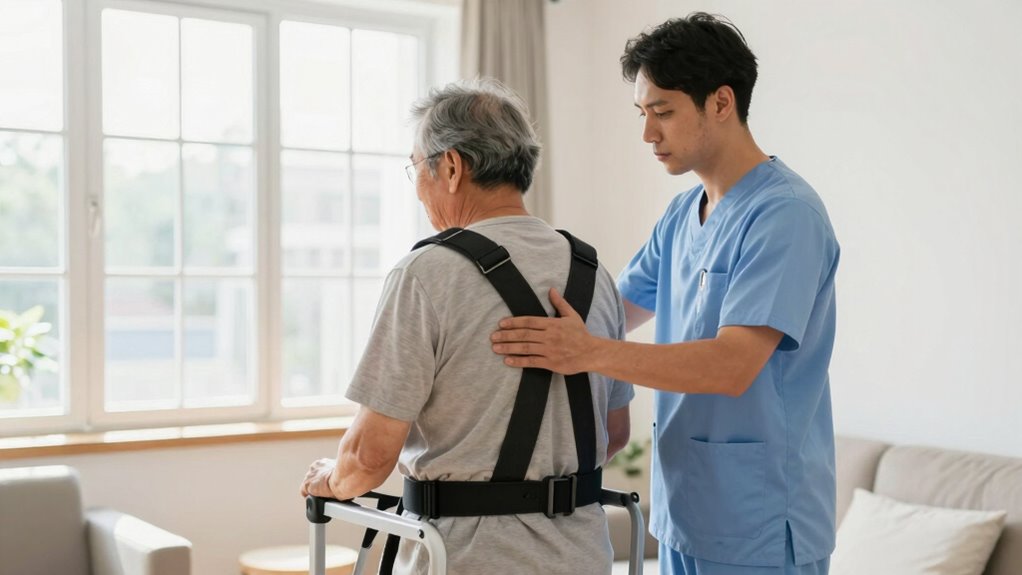
Proper training is essential for caregivers to operate patient lifts safely and confidently. Ergonomic training teaches you how to position yourself correctly, reducing strain and preventing injuries. It’s important to understand the lift’s features and functions to avoid mishandling. Building caregiver confidence comes from practicing proper techniques and knowing when to seek help. Always assess the patient’s condition and environment before lifting, ensuring safety for both of you. Follow manufacturer guidelines and adhere to facility protocols to minimize risks. Regularly reviewing safety procedures and staying updated on best practices helps maintain high standards. With thorough training, you’ll feel more secure, making lifts smoother and safer for everyone involved. Ultimately, proper training is your best defense against back injuries.
Integrating Patient Lifts Into Your Daily Care Routine
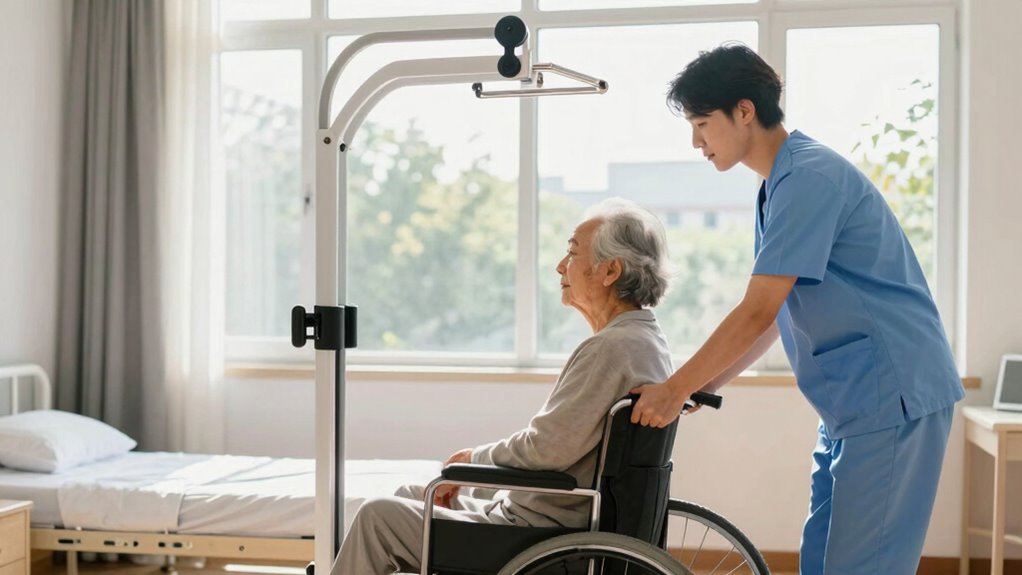
To seamlessly incorporate patient lifts into your daily care routine, you need to plan ahead and establish consistent practices. Start by scheduling lifts at regular intervals to maintain patient comfort and reduce strain. Choose lifts with ergonomic design features that support proper body mechanics for you and promote patient safety. Always prepare the environment by clearing space and ensuring equipment is ready to use. Communicate clearly with your patient to ease anxiety and improve cooperation. Incorporate these strategies:
Plan ahead, use ergonomic lifts, prepare the space, and communicate clearly for safe patient transfers.
- Use lifts with ergonomic design for comfort and safety
- Establish a routine to reduce hesitation and confusion
- Check equipment regularly for proper function
- Prioritize clear communication to ensure patient comfort and trust
Common Mistakes to Avoid When Using Patient Lifts
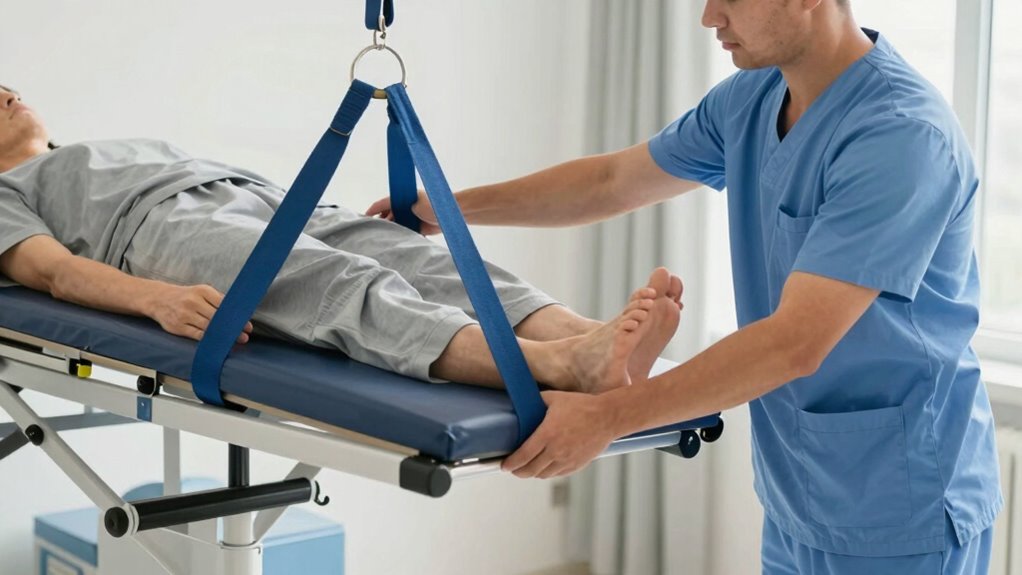
Even experienced caregivers can make mistakes when using patient lifts, which can compromise both safety and comfort. Common lifting errors often stem from equipment misuse or rushing through the process. For example, failing to check the lift’s weight capacity or ignoring proper positioning can lead to accidents. Avoid shortcuts like neglecting to secure safety straps or not locking the wheels before lifting. Misusing equipment, such as improper attachment points or incorrect harness placement, increases the risk of injury. Always follow the manufacturer’s instructions and conduct thorough pre-use inspections. Taking shortcuts or rushing can result in unsafe lifts and back injuries. Staying attentive and practicing proper techniques minimizes lifting errors, ensuring a safe, comfortable transfer for your patient and protecting your own health.
The Benefits of Using Patient Lifts for Your Health and Safety

Using patient lifts markedly enhances your safety and reduces the risk of injury during transfers. They promote ergonomic benefits by minimizing strain on your back and joints, helping you avoid painful injuries. Additionally, patient lifts improve patient comfort, making transfers smoother and less stressful for both parties. When you use lifts, you’re more likely to maintain proper posture and technique, further protecting your health. The benefits include:
- Reduced physical strain and fatigue
- Improved patient comfort during transfers
- Enhanced ergonomic support for caregivers
- Lower risk of back injuries and musculoskeletal issues
Frequently Asked Questions
What Are the Different Types of Patient Lifts Available?
You can choose from manual transfers, like slide sheets and transfer belts, or powered lifts, such as ceiling hoists and mobile floor lifts. Manual transfers require physical effort but are cost-effective, while powered lifts make transfers easier and safer for both you and the patient. Understanding these types helps you select the best option, reducing the risk of back injuries during patient handling.
How Often Should Caregivers Receive Training on Lift Usage?
Think of training as your safety net—crucial to catching you before injury strikes. You should receive training on lift usage at least every six months, ensuring your lifting techniques stay sharp and safe. Regular training frequency keeps you confident and prevents accidents, like a steady heartbeat that maintains your well-being. Stay proactive; refresh your skills often to protect yourself and provide the best care possible.
Are There Contraindications for Using Patient Lifts?
Yes, there are contraindications for using patient lifts. You should avoid lifts if the patient has severe spinal injuries, unstable fractures, or open wounds that could worsen with movement. Always follow safety precautions, such as checking equipment and ensuring proper positioning, to prevent injury. If unsure about contraindications, consult healthcare professionals to guarantee safe lifting practices and protect both caregiver and patient from harm.
How Do Patient Lifts Improve Patient Comfort During Transfers?
Using patient lifts makes transfers smoother, like gliding on ice, which considerably boosts transfer comfort. You minimize discomfort and reduce unnecessary movement, helping patients feel more secure. This directly enhances patient satisfaction, as they experience less pain and anxiety during transfers. By providing gentle, controlled lifts, you ensure patients feel respected and cared for, transforming what could be stressful moments into more comfortable, dignified experiences.
What Maintenance Is Required to Ensure Lift Safety and Longevity?
You should regularly perform lift maintenance by cleaning and inspecting all parts for wear and damage. Conduct safety inspections before each use to guarantee safety features like brakes and locking mechanisms work properly. Check the batteries and motor if it’s electric, and replace any worn or broken components immediately. Keeping up with routine maintenance and safety inspections guarantees your lift stays safe and reliable, extending its lifespan and protecting both you and your patients.
Conclusion
So, next time you’re worried about back pain, remember that patient lifts are your best friend—yet they’re often overlooked. Ironically, what could save your back might just sit unused in the corner. Embrace the lift, follow the safety tips, and protect yourself. After all, isn’t it better to lift a patient than to lift a lifetime of aches? Your back will thank you, even if your knees roll their eyes.