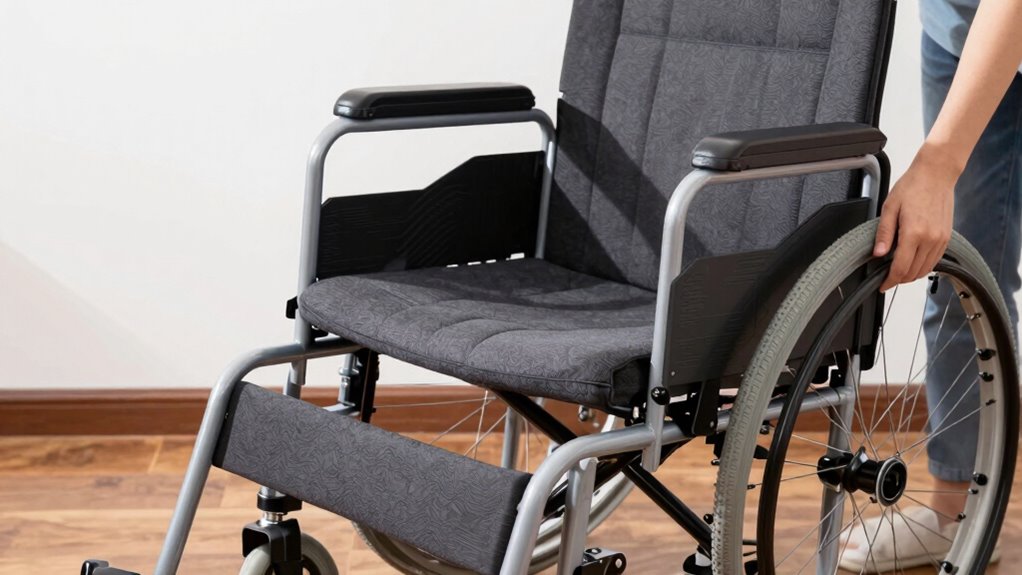

As a caregiver, it’s important to understand how to operate, maintain, and adjust reclining wheelchairs safely to ensure user comfort and prevent injuries. Regularly check and charge the battery, inspect the recline mechanism, and verify all safety features are working properly. Proper positioning, support, and cushioning help promote good posture and skin health. If you want to learn more about best practices and tips, keep exploring to help your loved one stay safe and comfortable.
Key Takeaways
- Regularly inspect and maintain the reclining mechanism, battery, and safety features to ensure safe and reliable operation.
- Adjust the recline gradually, lock securely, and secure footrests and brakes during adjustments to prevent accidents.
- Support proper posture with ergonomic cushions and adjustable headrests to enhance comfort and prevent pressure sores.
- Educate on safe user operation, including proper seat positioning, recline procedures, and maintenance practices.
- Understand the wheelchair’s features and accessories to maximize safety, independence, and comfort for the user.

Reclining Electric Wheelchair for Adults, Adjustable 90°-160° Backrest, 16" Alloy Wheels, 5-Speed Mobility Scooter with USB Charging & LED Light, Detachable Footrest
Ultimate Comfort with Reclining Design: Experience ultimate comfort with this reclining electric wheelchair for adults, featuring a 90°-160°…
As an affiliate, we earn on qualifying purchases.
As an affiliate, we earn on qualifying purchases.
What Are Reclining Wheelchairs and How Do They Work?
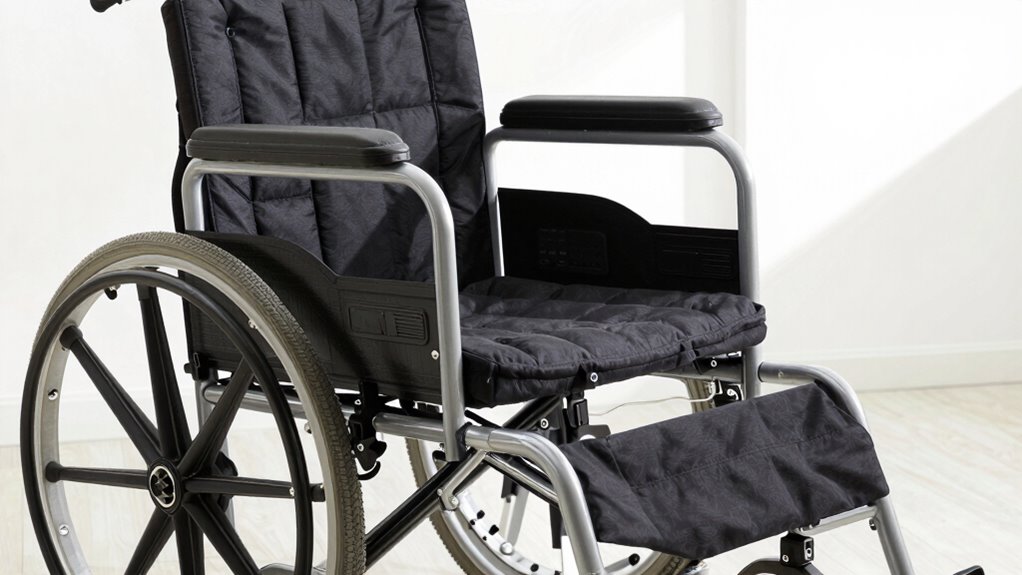
Reclining wheelchairs are specially designed mobility devices that allow you to lean back and adjust your seating position for comfort and support. They work through a reclining mechanism that tilts the backrest, providing relief for long-term sitting. To keep your wheelchair functioning smoothly, regular battery maintenance is essential—charge it properly and check for corrosion or damage. This ensures reliable movement and safety. Additionally, wheelchair accessories like headrests, footrests, and cushions can enhance comfort and support tailored to your needs. Proper maintenance and the right accessories make your reclining wheelchair more effective and comfortable, helping you stay independent and comfortable throughout the day. Ensuring that the contrast ratio is optimized can improve the visual clarity of any displays or screens used in your environment, contributing to a better overall experience. Regularly inspecting your wheelchair for wear and tear can prevent unexpected breakdowns and extend its lifespan. Being aware of battery performance and how it impacts mobility can help you plan for timely replacements and avoid sudden disruptions. Monitoring battery health and understanding how it affects your wheelchair’s reliability are crucial for maintaining consistent mobility. Additionally, understanding the reclining mechanism can help you operate it safely and effectively. Keeping these aspects in check ensures your mobility device performs at its best and lasts longer.

Trendcode Wheelchair Cushions,Pressure Pain Relief Accessories with Armrest Covers. Supports Coccyx & Back, Non-Slip. Fits 18" Wheelchair with Full Arms, Blue.
SURROUNDING DESIGN – This soft, downy, polyester fiberfill Wheelchair cushions surrounds your body, including Armrest Covers, Back and…
As an affiliate, we earn on qualifying purchases.
As an affiliate, we earn on qualifying purchases.
Why Choose a Reclining Wheelchair? Benefits for Caregivers and Users

Choosing a reclining wheelchair offers you and your loved one enhanced comfort and better support throughout the day. It helps improve posture and health by reducing pressure points and preventing discomfort. Plus, it promotes greater independence and safety, making daily routines easier and more secure for both of you. A reclining wheelchair can also reduce caregiver strain by making it easier to assist with transfers and positioning. Additionally, modern wheelchair technology has introduced features that allow for customizable adjustments, further enhancing user comfort and caregiver convenience. Being aware of inverter generator options can also help ensure safe and reliable power solutions for mobility devices when needed. Regular maintenance and understanding air quality can contribute to a healthier environment for wheelchair users, especially those sensitive to allergens or respiratory issues.
Enhanced Comfort and Support
A reclining wheelchair offers superior comfort and support, making it easier for caregivers to assist users throughout the day. The adjustable recline feature reduces pressure points and enhances overall comfort, especially during long periods of sitting. Ergonomic cushions further improve support by contouring to the user’s body, reducing discomfort and preventing skin issues. These cushions work seamlessly with mobility aids, ensuring stability and proper alignment. The ability to recline helps users find a comfortable position, whether resting or sleeping, without sacrificing support. This adaptability means caregivers can focus on providing care rather than constantly adjusting the chair. Overall, a reclining wheelchair’s enhanced comfort and support make daily routines smoother for both users and caregivers. Additionally, understanding deep-sky imaging can help caregivers appreciate the importance of proper positioning and ergonomic support in various contexts. Proper ergonomic support is essential to prevent strain and injury, ensuring both caregiver well-being and user comfort.
Improved Posture and Health
Because proper posture is essential for preventing discomfort and long-term health issues, a reclining wheelchair helps you maintain correct spinal alignment and reduce strain. Its ergonomic design supports your body’s natural curves, promoting better posture correction during prolonged sitting. This improvement can alleviate pressure points, decrease the risk of developing pressure sores, and lessen back pain. With adjustable angles, you can find a comfortable position that minimizes muscle fatigue and promotes circulation. Maintaining proper posture also helps prevent misalignments that could lead to more serious health problems over time. By choosing a reclining wheelchair, you’re prioritizing your overall health and comfort, ensuring you stay active and engaged without the added worry of postural discomfort or long-term damage.
Greater Independence and Safety
Ever wonder how a reclining wheelchair can enhance both safety and independence for users and caregivers? It allows users to adjust their position easily, reducing pressure points with ergonomic cushions that provide extra support. This adjustment capability helps prevent skin breakdown and discomfort, encouraging longer periods of self-sufficiency. Additionally, the ability to recline also improves safety by minimizing the risk of falls during transfers or sudden movements. Proper home accessibility features can further optimize safety and ease of use for reclining wheelchairs within the living environment. Incorporating ergonomic design principles enhances both user comfort and caregiver safety. Furthermore, understanding wheelchair positioning is key to maximizing comfort and safety for all users.
Reclining Electric Wheelchair for Adults, Adjustable 90°-160° Backrest, 16" Alloy Wheels, 5-Speed Mobility Scooter with USB Charging & LED Light, Detachable Footrest
Ultimate Comfort with Reclining Design: Experience ultimate comfort with this reclining electric wheelchair for adults, featuring a 90°-160°…
As an affiliate, we earn on qualifying purchases.
As an affiliate, we earn on qualifying purchases.
What Features Should You Look for When Buying a Reclining Wheelchair?
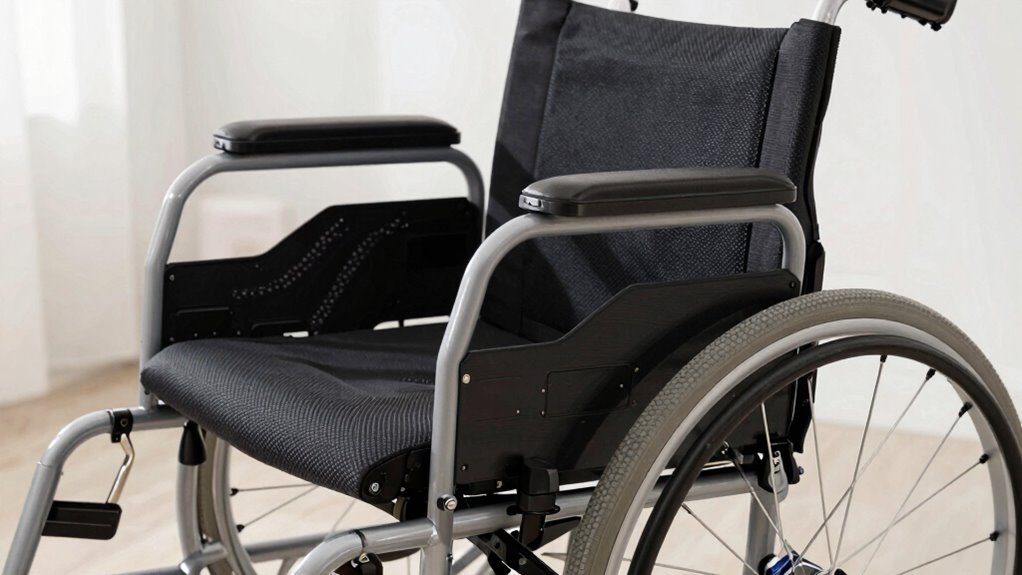
When choosing a reclining wheelchair, it is vital to prioritize features that enhance comfort, safety, and ease of use. Look for adjustable backrests and tilt functions for personalized positioning. Cushion selection is key—opt for cushions that provide pressure relief and support. Consider wheelchair accessories like armrests, footrests, and safety belts for added convenience and security. A sturdy frame and reliable brakes are essential for safety. Additionally, check for lightweight design and easy-to-operate recline controls to simplify daily use. Here’s a quick overview of important features:
| Feature | Benefit | Example |
|---|---|---|
| Cushion selection | Pressure relief and comfort | Gel or foam cushions |
| Recline adjustment | Customizable positioning | Manual or powered recline |
| Wheelchair accessories | Safety and convenience | Armrests, footrests, belts |
| Frame durability | Long-lasting support | Aluminum or steel frames |
| Ease of operation | User-friendly controls | Simple recline mechanisms |
Furthermore, selecting a reliable mechanism for recline adjustments can significantly impact the user’s independence and satisfaction. It is also beneficial to consider integrated safety features, which can enhance overall security during use. Incorporating adjustable headrests can also improve comfort and proper alignment for users. Additionally, choosing a wheelchair with smooth recline functions can reduce discomfort and promote better posture during use, leading to increased user confidence.

Vive Wheelchair Seatbelt – Safety Belt for the Elderly – Harness for Adults – Adjustable Straps for Chair/Bed Restraint – Patients Care – Falling Out Prevention – for the Elderly, Pregnant & Paralyzed
WHEELCHAIR SEAT BELT: With targeted torso support, the Vive Wheelchair Seatbelt helps to ensure that individuals who are…
As an affiliate, we earn on qualifying purchases.
As an affiliate, we earn on qualifying purchases.
How Do You Properly Position and Support Someone in a Reclining Wheelchair?

To guarantee comfort and safety, you need to focus on proper seat alignment when positioning someone in a reclining wheelchair. Supporting the head and neck correctly prevents strain and maintains proper posture, while pressure relief strategies reduce the risk of skin breakdown. By paying attention to these points, you can provide effective support and improve overall comfort. Additionally, selecting the appropriate style products can help manage hair health and appearance, contributing to a more comfortable experience. Ensuring the correct positioning of the individual also helps prevent long-term musculoskeletal issues and promotes better circulation.
Proper Seat Alignment
Proper seat alignment is essential to guarantee comfort and prevent pressure sores when positioning someone in a reclining wheelchair. Ensuring correct alignment involves adjusting the seat tilt and cushion positioning to provide ideal support. Proper seat tilt supports a natural, comfortable posture, helping distribute pressure evenly. Position the cushion properly to fill gaps and prevent sliding, offering stability and comfort. Make sure the person’s hips, back, and legs are aligned, avoiding pressure points and misalignment. Checking that the cushion is securely in place and that the seat tilt isn’t too steep or flat is crucial. Additionally, understanding wheelchair ergonomics helps optimize positioning for comfort and health. Proper seat alignment promotes comfort, reduces skin breakdown risk, and supports healthy posture during recline adjustments.
Head and Neck Support
Supporting the head and neck in a reclining wheelchair is essential for comfort and safety. Proper head support helps prevent strain and maintains proper neck alignment, reducing discomfort during extended use. Use a supportive pillow or a specialized headrest designed for wheelchairs to cradle the head securely. Ensure the headrest is adjusted to keep the head aligned with the spine, avoiding tilting forward or to the side. Check that the head and neck support fit snugly without pressing uncomfortably. This positioning helps keep the airway open and reduces the risk of strain or poor posture. Regularly recheck the support to ensure it remains comfortable and effective, especially if the user shifts position frequently. Proper head and neck support promotes overall comfort and helps prevent long-term musculoskeletal issues. Adjustable head supports can provide a customizable fit for various users, enhancing safety and comfort. Additionally, proper positioning can significantly impact respiratory function and overall wellbeing. Ensuring the support is correctly fitted is vital for optimal comfort and safety. Maintaining proper support also contributes to the user’s postural stability, which is crucial for preventing discomfort and injury.
Pressure Relief Strategies
Effective pressure relief in a reclining wheelchair starts with adjusting the patient’s position to prevent prolonged pressure on any one area. Proper positioning promotes pressure reduction and skin protection, reducing the risk of pressure ulcers. To do this effectively:
- Alternate between different recline positions to shift pressure points regularly.
- Use cushions or pads designed to distribute weight evenly and support vulnerable areas.
- Encourage small, frequent positional changes if possible, even while seated, to decrease sustained pressure.
Consistent repositioning helps maintain healthy circulation and prevents skin breakdown. Always monitor skin condition and comfort levels closely. Properly supported, the individual remains safer and more comfortable, reducing the likelihood of pressure-related injuries. Remember, pressure relief strategies are key to long-term skin health and overall well-being.
Safety Tips for Operating and Adjusting Your Reclining Wheelchair
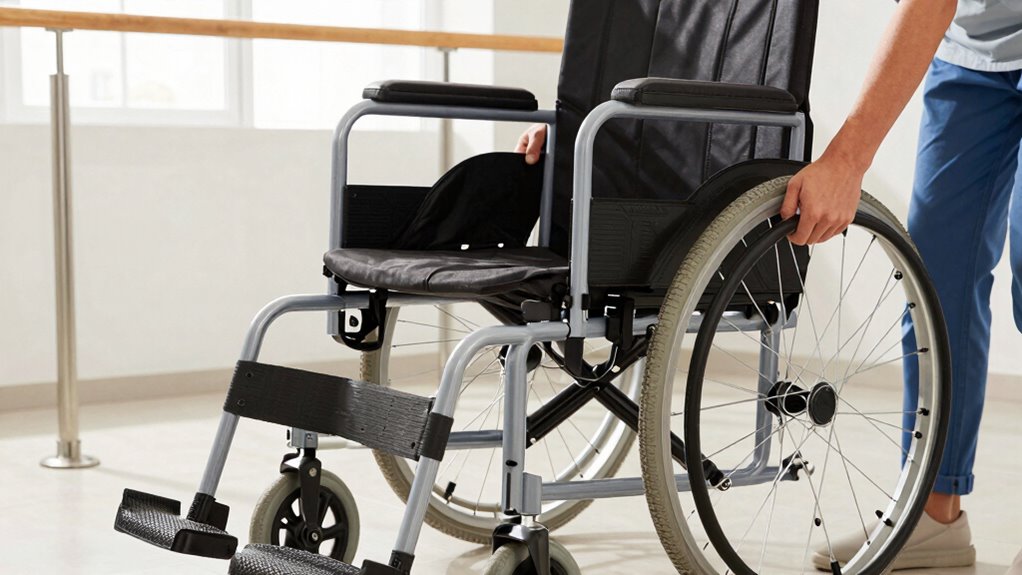
Operating and adjusting your reclining wheelchair safely is essential to guarantee injuries and assure comfort. Always check that your cushion selection supports proper posture and reduces pressure points before use. When adjusting the recline, do so slowly to prevent sudden movements that could cause falls or discomfort. Ensure all wheelchair accessories are securely attached and functioning correctly. Use the following table to guide safe operation:
| Tip | Explanation |
|---|---|
| Secure footrests and brakes | Prevent accidental movement during adjustments |
| Confirm recline position is stable | Avoid sudden shifts that might cause imbalance |
| Regularly inspect accessories | Ensure safety features are operational |
How to Maintain and Troubleshoot Your Reclining Wheelchair for Longevity

Regular maintenance and prompt troubleshooting are key to keeping your reclining wheelchair functioning smoothly and lasting for years. To guarantee longevity, regularly check your wheelchair’s components and address issues early. Consider these tips:
- Inspect and adjust your cushion selection to maintain comfort and support, preventing unnecessary wear.
- Keep wheelchair accessories, like armrests and footrests, secure and functioning properly to avoid damage.
- Lubricate moving parts such as hinges and recline mechanisms to ensure smooth operation and prevent rust.
Common Challenges With Reclining Wheelchairs and How to Solve Them

Reclining wheelchairs can present specific challenges that, if left unaddressed, may compromise safety and comfort. One common issue is difficulty with adjustment techniques, which can hinder user comfort. To solve this, ensure you familiarize yourself with the chair’s adjustment features and regularly check for proper alignment. Sometimes, recline mechanisms may stick or feel unsteady, so lubricate moving parts as recommended. Use the table below to understand common challenges and solutions:
| Challenge | Solution |
|---|---|
| Difficult adjustment techniques | Follow manufacturer instructions carefully |
| Unstable recline positions | Tighten or replace loose components |
| Discomfort during recline | Adjust footrests and head supports for comfort |
| Mechanical sticking or squeaking | Lubricate moving parts appropriately |
| Limited user control over recline | Train user on recline features and safety tips |
What Are the Costs and Funding Options for Reclining Wheelchairs?

The cost of reclining wheelchairs can vary widely depending on features, brand, and additional accessories. You should explore different funding options to make your decision easier. Here are some ways to fund a reclining wheelchair:
- Insurance coverage – Many insurance plans, including Medicare and Medicaid, may cover part or all of the costs if the wheelchair is medically necessary.
- Financing options – Some providers offer payment plans or financing to spread out expenses over time.
- Grants and assistance programs – Local and national organizations may provide grants or financial aid to help offset costs.
Always verify what your insurance covers and explore flexible financing options to find the most affordable and suitable solution for your needs.
How Do Reclining Wheelchairs Compare to Other Mobility Support Options?
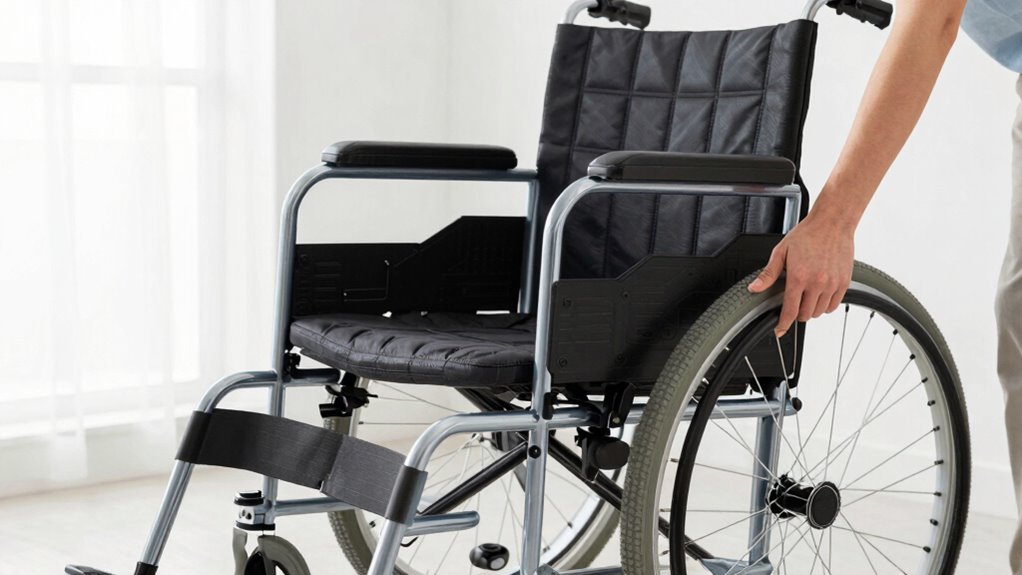
When choosing mobility support, it’s important to compare reclining wheelchairs with other options like standard manual wheelchairs, power wheelchairs, and mobility scooters. Reclining wheelchairs offer superior ergonomic design, providing better comfort and pressure relief, which can reduce fatigue and discomfort during long use. They also provide greater mobility versatility, allowing you or your loved one to adjust the seat for different activities or comfort levels. Standard manual wheelchairs are lightweight and easy to maneuver but lack the adjustable features of reclining models. Power wheelchairs and mobility scooters offer increased independence with motorized assistance, but they may not prioritize ergonomic support as much. Overall, reclining wheelchairs balance comfort, support, and versatility, making them a valuable choice for many users.
Tips for Caregivers: Maximizing Comfort and Independence With Reclining Wheelchairs

To guarantee your loved one stays comfortable and independent, it’s vital to maintain proper seat positioning. Always adjust the recline gradually and securely to prevent discomfort or injury. By paying attention to these details, you can help maximize the benefits of the wheelchair safely.
Ensuring Proper Seat Positioning
Proper seat positioning is essential for both comfort and safety when using a reclining wheelchair. Correct cushion positioning helps prevent pressure sores and maintains proper spinal alignment. Additionally, adjusting seat depth ensures your user’s knees are comfortably supported without cutting off circulation or causing discomfort. To achieve ideal positioning:
- Ensure the cushion is centered and provides even support, reducing pressure points and improving comfort.
- Adjust the seat depth so there’s a two-finger gap between the back of the knees and the seat edge, promoting proper circulation.
- Regularly check and reposition the cushion to maintain alignment and prevent slipping, especially when the seat reclines.
Proper seat positioning maximizes comfort, prevents injury, and supports independence during everyday activities.
Adjusting Recline Safely
Adjusting the recline on a wheelchair can enhance both comfort and safety, but it’s essential to do so carefully to prevent injury or discomfort. Always verify the seatbelt safety is maintained; a loose or tight belt can cause discomfort or compromise security. Before adjusting, check that all wheelchair accessories, like headrests or footrests, are securely in place to avoid shifting or imbalance. When reclining, move slowly and avoid sudden movements that could upset balance or cause discomfort. If your wheelchair has a locking mechanism, make sure it’s engaged after adjusting to prevent unintended movement. Regularly inspect the recline mechanism for wear or damage, and familiarize yourself with the manufacturer’s instructions. Proper adjustments ensure safety, comfort, and ideal independence.
Frequently Asked Questions
How Do I Adjust a Reclining Wheelchair for Optimal Comfort?
To adjust a reclining wheelchair for ideal comfort, start by setting the seat positioning so the user’s hips are well-supported and maintain proper posture. Next, adjust the leg rest to a comfortable angle, ensuring legs are supported without pressure. Check that the backrest reclines smoothly and the user feels secure. Make small adjustments as needed, and always verify that all locks and adjustments are securely in place before use.
What Are the Common Signs of Mechanical Issues in Reclining Wheelchairs?
You should watch for signs of mechanical issues like unusual noises, slow recline movement, or difficulty adjusting the seat. Check the battery regularly, making sure it’s fully charged and connections are secure, as poor battery maintenance can cause operational problems. Also, inspect the upholstery for wear or tears, which may indicate underlying frame issues. Promptly addressing these signs helps keep the wheelchair functioning smoothly and ensures user safety.
Can Reclining Wheelchairs Be Customized for Specific Medical Conditions?
Think of a reclining wheelchair as a canvas for your loved one’s needs. Yes, these chairs can be customized for specific medical conditions through various customization options and medical adaptations. You can tailor features like seat height, backrest angle, and support cushions to improve comfort and functionality. By working closely with healthcare professionals, you guarantee the wheelchair perfectly aligns with your loved one’s unique health requirements, enhancing their safety and independence.
How Do I Ensure Safety When Transferring a User From a Bed to a Reclining Wheelchair?
To guarantee safety when transferring a user from bed to a reclining wheelchair, you should follow proper patient transfer techniques, like locking wheels and using a transfer belt. Always check safety equipment, such as brakes and footrests, to prevent falls. Communicate clearly with the user throughout the process, and ask for assistance if needed. Take your time, move smoothly, and prioritize safety to avoid injuries during the transfer.
Are There Weight or Size Limits for Reclining Wheelchair Users?
Like the tale of Goldilocks, reclining wheelchairs have size and weight limits to find the “just right” fit. Typically, weight limits vary from 250 to 350 pounds, and size restrictions depend on the model. Always check the manufacturer’s specifications to guarantee safety and comfort. Exceeding these limits can compromise stability and durability, so it’s essential to select a wheelchair that matches the user’s size and weight for ideal support.
Conclusion
In choosing a reclining wheelchair, you’re enhancing comfort, safety, and independence for your loved one. With the right features and proper support, you can make a real difference in their daily life. Remember, aren’t the small adjustments you make today the key to a more comfortable tomorrow? By understanding how to operate and maintain the wheelchair, you’re empowering your loved one to stay active and confident. Isn’t that what caring is all about?