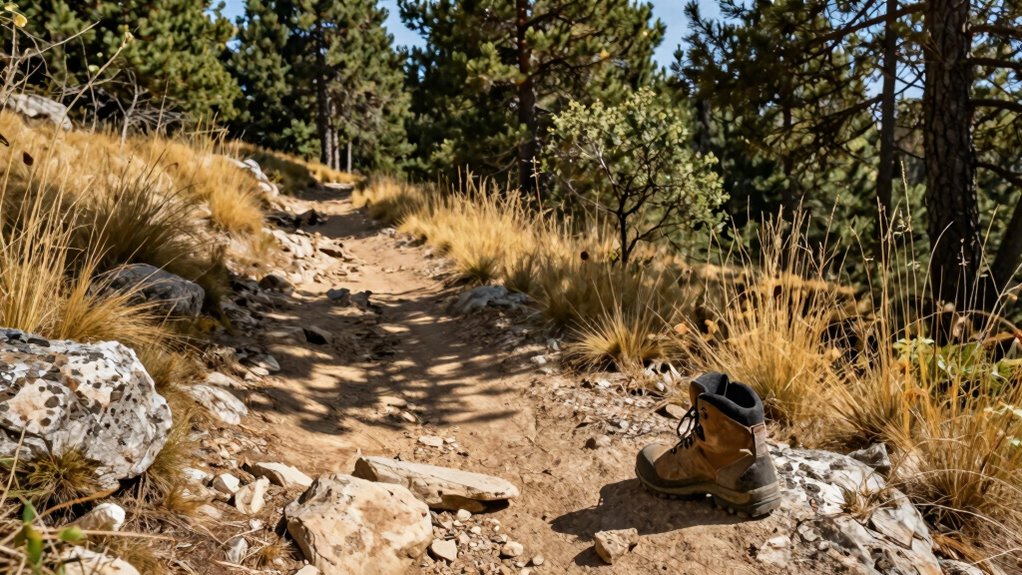

Before settling in, evaluate your land’s natural features, like slopes, woods, and open areas, to identify potential hazards such as landslides, floods, or blocked access. Consider how terrain affects visibility, emergency response times, and water drainage, and plan accordingly. Develop clear evacuation routes and safety strategies tailored to your environment. If you want to discover the key steps to making your family’s home safer and more resilient, keep exploring these essential terrain insights.

Turn quiet afternoons into listening time
- Thousands of audiobooks, podcasts and originals
- Listen on your phone, tablet or Echo — also offline
- Cancel anytime
Key Takeaways
- Assess whether your land is on a slope, flat, or prone to landslides to determine safety and accessibility.
- Identify nearby natural features like woods or open fields that could impact visibility and emergency response.
- Evaluate flood risks by analyzing terrain elevation and water drainage patterns, especially in low-lying areas.
- Plan evacuation routes and emergency access considering terrain challenges during snow, rain, or natural disasters.
- Develop safety and water management strategies tailored to terrain features to prevent erosion, flooding, and other hazards.

Have you ever considered how the terrain around your home could impact your family’s safety and daily life? The landscape you live on influences everything from emergency response times to everyday convenience. Before settling in or making plans for your property, it’s essential to evaluate the terrain carefully. Safety considerations should top your list, but emotional preparedness also plays a key role in how you handle potential challenges.
The first step is to understand the natural features of your land. Is your property on a slope or flat ground? Are there dense woods nearby or open fields? Steep slopes can pose risks like landslides or difficulty in evacuations, especially during storms or natural disasters. Dense forests might provide privacy but can also hinder visibility and access, making emergency responses slower. Recognizing these features helps you anticipate vulnerabilities and prepare accordingly. Being aware of the terrain’s influence on natural hazards can help you prioritize safety measures more effectively. This awareness can also guide you in selecting appropriate safety upgrades for your property. Additionally, understanding how terrain impacts drainage and water flow is crucial for preventing issues like erosion or flooding.
Identify natural features like slopes and forests to assess risks and improve safety preparedness around your property.
Safety considerations go beyond just the physical aspects. Think about how the terrain could affect your family’s safety during extreme weather events. For example, if your home is on low-lying land prone to flooding, you need to plan for potential water intrusion or evacuation routes. If your property is in a remote area, you might face longer response times from emergency services. Making sure your home is fortified against these risks and establishing clear safety protocols becomes essential. You should also evaluate accessibility—are there roads or paths that could become impassable during snow, heavy rain, or other adverse conditions? Knowing these details allows you to develop contingency plans, reducing panic and confusion when emergencies occur. Regularly reviewing your emergency preparedness plan can help keep your family ready for unexpected events. Additionally, understanding how climate patterns influence your terrain can help you better anticipate and prepare for seasonal challenges.
Emotional preparedness is equally important. Living in a challenging terrain can be stressful, especially if you’re unprepared for the realities it presents. It’s natural to feel anxious about potential disasters or inconveniences, but understanding your environment can foster confidence. Educate your family about the terrain’s risks and safety procedures, so everyone feels equipped to handle emergencies. Regular drills, clear communication, and a well-thought-out emergency plan can boost your collective resilience. Also, consider how the terrain affects your mental well-being—being isolated or facing unpredictable conditions might take an emotional toll. Recognizing these feelings and developing coping strategies ensures you stay grounded. Connecting with neighbors or local community groups can also provide valuable support and reassurance during tough times.
Ultimately, conducting a thorough terrain test allows you to make smarter decisions, whether it’s modifying your property, investing in safety upgrades, or simply adjusting your mindset. By combining safety considerations with emotional preparedness, you’re better positioned to protect your loved ones and face whatever challenges the terrain might bring. It’s about embracing your environment thoughtfully and making sure your family feels secure and confident, no matter what.
emergency escape ladder for multi-story homes
As an affiliate, we earn on qualifying purchases.
As an affiliate, we earn on qualifying purchases.
Frequently Asked Questions
How Do I Assess My Family’s Specific Terrain Needs Effectively?
To assess your family’s specific terrain needs effectively, start by observing your family dynamics—how everyone interacts and communicates. Consider environmental factors like climate, available space, and local resources that impact daily life. Talk openly with family members to identify challenges and preferences. Combining these insights helps you understand your unique terrain, enabling you to tailor solutions that support your family’s well-being and adapt to your environment seamlessly.
What Tools or Resources Are Best for Conducting a Terrain Test?
You should use practical tools like home safety checklists and emergency preparedness guides to conduct your terrain test effectively. These resources help you identify vulnerabilities in your home’s safety and plan for emergencies. Consider installing safety devices, creating evacuation plans, and practicing drills. Utilizing local community resources or online safety assessments can also give you tailored insights, ensuring your family’s environment is secure and ready for any emergency.
How Often Should I Reassess My Family’s Terrain Requirements?
You should reassess your family’s terrain requirements annually, especially as family dynamics or outdoor activities change. Regularly checking guarantees your terrain plans stay aligned with evolving needs and safety considerations. If your family grows, picks new hobbies, or shifts routines, a reassessment helps you adapt your outdoor spaces accordingly. Staying proactive guarantees your environment continues supporting everyone’s activities, comfort, and safety.
Are There Common Mistakes to Avoid During the Terrain Test?
You might think overlooking terrain hazards is harmless, but ignoring them risks safety. A common mistake is underestimating terrain hazards or rushing the test, which can overlook essential safety issues. Be thorough, double-check your equipment safety, and consider all risks. Overconfidence can lead to overlooking important details, turning a simple test into a dangerous oversight. Take your time, stay vigilant, and guarantee every hazard is accounted for to keep everyone safe.
How Does Terrain Testing Influence Long-Term Family Planning?
Terrain testing helps you plan for the future by revealing how urban development and climate resilience will affect your family’s safety and growth. It guides you to choose locations less vulnerable to flooding or environmental hazards, ensuring long-term stability. By understanding the terrain, you can make smarter decisions, avoid costly mistakes, and create a resilient environment that adapts to changing climate conditions, securing your family’s well-being for generations.
Conclusion
Before diving into any new adventure, take a moment to contemplate your terrain test. Imagine a family planning a camping trip without checking the weather forecast—disaster strikes when storms roll in. Similarly, evaluating your family’s unique needs and circumstances guarantees you’re prepared for life’s unexpected challenges. By thoughtfully steering through your terrain first, you set yourself up for smoother journeys and stronger bonds. Remember, a little preparation today can make all the difference tomorrow.
Fall Picks
fall essentials
As an affiliate, we earn on qualifying purchases.