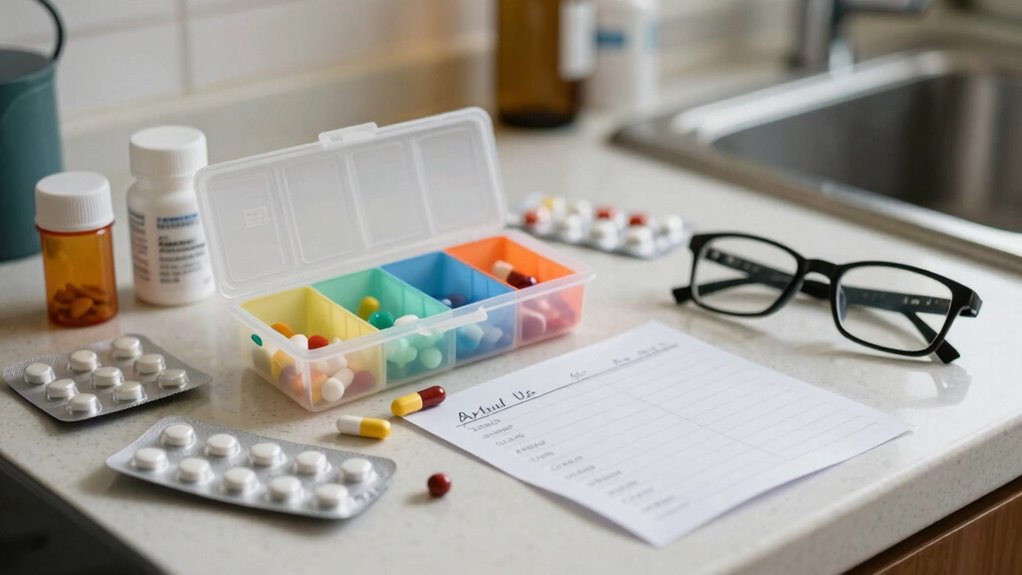

Most families forget to regularly review and update their entire medication list for accuracy and recent changes. It’s easy to assume that prescription lists remain current, but medications often change without clear documentation. Missing updates can lead to errors, drug interactions, or missed side effects. Staying proactive by double-checking medications during refills or appointments helps prevent these issues. Keep in mind, understanding what else might be overlooked can make a big difference in safety and health.

Turn quiet afternoons into listening time
- Thousands of audiobooks, podcasts and originals
- Listen on your phone, tablet or Echo — also offline
- Cancel anytime
Key Takeaways
- Families often forget to verify that medication dosages and instructions match the current prescriptions.
- Many overlook checking for potential drug interactions when new medications are added.
- Routine review of medication expiration dates and proper storage is frequently neglected.
- Updating the medication list immediately after any changes is commonly missed.
- Confirming that healthcare providers have the most current medication information is often overlooked.
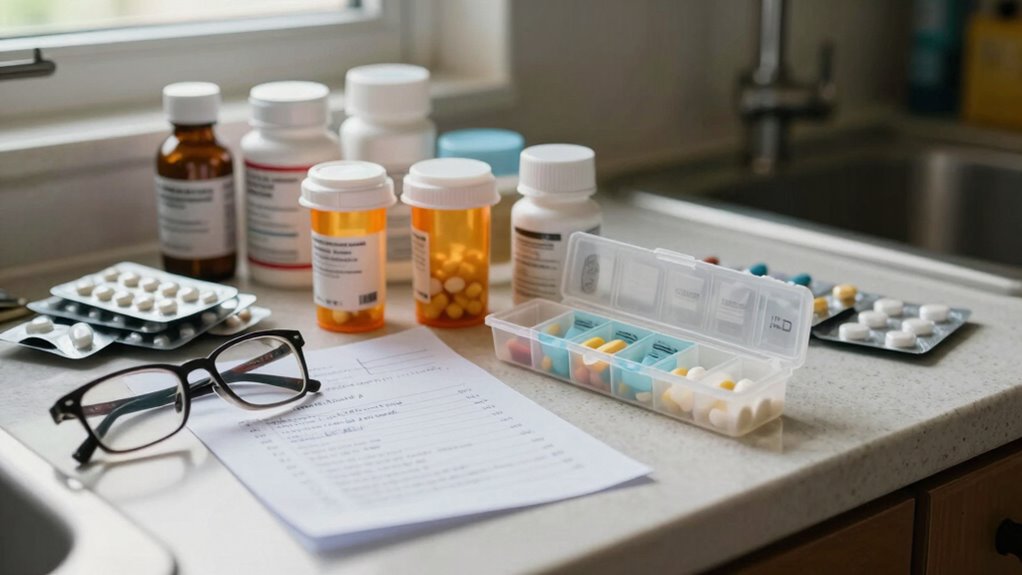
Have you ever double-checked your family’s medication list? It’s a simple step that often slips through the cracks, yet it’s essential for ensuring medication safety. Many families focus on filling prescriptions correctly or remembering doses, but one key check is frequently overlooked: verifying that each medication’s information is up to date and accurate. This step isn’t just about avoiding mistakes; it’s about safeguarding your loved ones from potential adverse reactions or dangerous drug interactions.
Double-check your family’s medication list regularly to ensure safety and prevent dangerous interactions.
When you review your family’s medication list, you’re actively participating in maintaining prescription accuracy. This means confirming that the medications listed match what’s actually being taken—dosages, frequency, and specific instructions. It’s easy to assume that the pharmacy or healthcare provider has the latest info, but errors can occur during prescriptions, refills, or even when transferring medications between providers. Regularly reviewing the list helps catch discrepancies early, preventing medication errors that could lead to health complications. Incorporating medication management into your routine can further enhance safety.
Medication safety hinges on this kind of diligence. For example, if someone has started a new medication or stopped an old one, updating the list ensures everyone involved in their care is aware. It also helps prevent dangerous interactions—say, if two medications prescribed by different doctors conflict. By taking a moment to cross-check the current list with actual bottles and prescriptions, you reduce the risk of accidental misuse. Additionally, staying informed about biodiversity can remind us of the importance of diverse ecosystems in supporting our health and well-being. Recognizing the role of medication safety protocols can also guide families in establishing consistent checks to prevent errors. Regularly updating medication information is crucial to catching potential prescription errors before they cause harm.
Furthermore, understanding medication side effects can help you recognize adverse reactions early, making the routine check even more vital. This routine check can be integrated into your regular health habits—perhaps during weekly medication refills or before doctor appointments. It’s a proactive step that empowers you to catch mistakes before they escalate. Remember, your involvement is key to maintaining prescription accuracy and overall medication safety. Taking just a few minutes to verify your family’s medication list isn’t just about organization; it’s about actively protecting your loved ones’ health, ensuring they get the right medications, at the right doses, every time.
As an affiliate, we earn on qualifying purchases.
Frequently Asked Questions
How Often Should Medication Checks Be Scheduled?
You should schedule medication checks at least once every three to six months to guarantee proper medication timing and dosage consistency. Regular reviews help catch any side effects or interactions, and make sure your medications still meet your needs. If your condition changes or you notice new symptoms, more frequent checks might be necessary. Staying proactive with these appointments keeps your treatment safe and effective, giving you peace of mind.
Who Is Best Suited to Perform Medication Reviews?
You’re best suited to perform medication reviews if you prioritize medication safety and understand your family’s responsibilities. While healthcare professionals are trained for this, your involvement guarantees you catch potential issues early. Stay proactive by regularly reviewing medication instructions, side effects, and proper storage. Your attentive role helps safeguard your loved ones, making sure meds are used correctly and safely, ultimately strengthening your family’s health and wellbeing.
What Are Common Signs of Medication Interactions?
You might notice signs of medication interactions through symptoms like dizziness, nausea, or unusual fatigue. Drug interactions can amplify side effects or reduce medication effectiveness, so staying alert is key. If you experience new or worsening symptoms, report them promptly to your healthcare provider. Proper side effect management involves monitoring these signs closely, adjusting medications if necessary, and avoiding interactions by keeping a current medication list handy.
How Can Families Prevent Medication Errors at Home?
To prevent medication errors at home, you should always keep medications in their original containers to avoid confusion and store them safely out of children’s reach. Read labels carefully to understand potential medication side effects and follow dosing instructions precisely. Regularly review all medications with your family members to guarantee proper use, and keep an updated list of medications to share with healthcare providers. Staying organized minimizes errors and keeps everyone safe.
Are There Tools to Help Track Medication Schedules?
Yes, there are tools to help you track your child’s pediatric medication schedule and allergy alerts. Digital apps and medication organizers can send reminders and log doses, reducing errors. Some apps even alert you to potential drug interactions or allergy warnings, providing peace of mind. Using these tools keeps you alert and prepared, ensuring your child’s safety with each dose. Don’t leave this to chance—stay one step ahead.
Conclusion
Don’t forget to regularly review your family’s medications. Studies show that nearly 50% of households overlook medication checks, risking adverse drug interactions or missed doses. Staying proactive can prevent emergencies and guarantee everyone’s safety. Make it a habit to double-check prescriptions, dosages, and expiration dates. A quick review each month can make a huge difference. Remember, a simple medication check isn’t just routine—it’s an essential step in safeguarding your loved ones’ health.
Halloween Picks
halloween
As an affiliate, we earn on qualifying purchases.