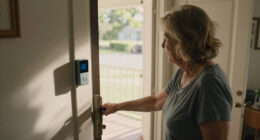

Living with a hospital bed at home can sneak up on you with hidden emotional and physical challenges. You may feel overwhelmed managing medical equipment, juggling caregiving with your own needs, and steering feelings of exhaustion or guilt. It’s common to feel isolated or unsure if you’re doing enough, but you’re not alone. A lot goes unnoticed—understanding these hidden struggles can help you find support and strength to keep going. Keep exploring to discover how to better manage it all.

Turn quiet afternoons into listening time
- Thousands of audiobooks, podcasts and originals
- Listen on your phone, tablet or Echo — also offline
- Cancel anytime
Key Takeaways
- Managing the ongoing emotional and physical toll of caregiving often goes unspoken, leading to burnout.
- Proper training on hospital bed use and maintenance is essential but frequently overlooked.
- Adjusting daily routines around the hospital bed can significantly impact family dynamics and independence.
- Support networks are crucial for caregiver well-being, yet many families feel isolated in their experience.
- Preparing for long-term care needs and future planning is complex and often underestimated by families.

For many families, having a hospital bed at home becomes a necessary part of daily life when a loved one requires ongoing medical care or mobility support. While it offers essential comfort and independence for your loved one, it also introduces challenges that might catch you off guard. One of the most immediate issues is caregiver challenges. You may find yourself juggling multiple roles—nurse, emotional supporter, household manager—sometimes all at once. The constant attention needed can be physically exhausting, especially if you’re also balancing work, children, or other responsibilities. You might struggle with learning new medical procedures or managing equipment, which can feel overwhelming and stressful. It’s common to worry about whether you’re doing everything right, adding to your burden and sense of uncertainty.
Beyond the physical demands, the emotional impact is profound and often underestimated. Living with a hospital bed at home can bring on feelings of helplessness, grief, and frustration. You might find yourself grieving the loss of the person’s previous mobility or independence, which can weigh heavily on your heart. Watching a loved one struggle with their health can evoke feelings of sadness and guilt—questioning whether you’re doing enough or if there’s more you could do. The constant presence of medical equipment and the visible signs of illness can serve as daily reminders of the fragility of life, making it hard to find moments of normalcy or peace. Additionally, the emotional toll can be compounded by the need to adapt to new routines and the uncertainties surrounding long-term care.
Living with a hospital bed at home brings feelings of grief, helplessness, and constant reminders of life’s fragility.
The emotional toll isn’t limited to feelings of sadness; it can also lead to burnout. You might prioritize your loved one’s needs over your own, neglecting your mental health, which only intensifies feelings of exhaustion and emotional fatigue. It’s common to feel isolated, especially if friends and family aren’t around to share the emotional load or understand what you’re experiencing. You might hesitate to voice your struggles, fearing you’ll be perceived as weak or incapable. This can create a sense of loneliness that’s difficult to shake.
Living with a hospital bed at home means adjusting your entire outlook on daily life. It’s not just about managing logistics; it’s about steering complex emotions and caregiver challenges that can drain your resilience. Recognizing these emotional impacts and caregiver struggles is essential. It helps you seek support, whether through friends, support groups, or professional counseling. You don’t have to face everything alone—acknowledging these realities is the first step toward maintaining your own well-being while caring for someone you love. Understanding the importance of caregiver well-being can make a significant difference in managing both your mental health and the quality of care you provide.
hospital bed with adjustable features
As an affiliate, we earn on qualifying purchases.
As an affiliate, we earn on qualifying purchases.
Frequently Asked Questions
How Do I Prevent Bedsores for Long-Term Patients?
To prevent bedsores for long-term patients, you should regularly shift their position to promote pressure relief and avoid prolonged pressure on any one area. Make sure to perform skin inspections daily, checking for redness, blisters, or sores. Use cushions or pillows to offload pressure points, and keep the skin clean and dry. These steps help maintain healthy skin and reduce the risk of developing bedsores.
What Are the Insurance Options for Hospital Bed Coverage?
Insurance coverage acts as a safety net, catching the costs of your hospital bed at home. You should explore options like Medicare, Medicaid, or private insurance plans, which often cover hospital beds if deemed medically necessary. Be prepared for billing procedures that require documentation from your healthcare provider. Contact your insurer in advance, ask about specific coverage, and verify what documentation they need to avoid surprises.
How Often Should the Hospital Bed Be Cleaned and Maintained?
You should clean your hospital bed at least once a week, or more often if needed, following a regular cleaning schedule. Use mild disinfectants and guarantee all surfaces, including side rails and mattress outlets, are sanitized. Maintenance tips include checking for loose screws, inspecting the bed’s functionality, and lubricating moving parts regularly. This helps prevent infections, keeps the bed in good condition, and extends its lifespan.
Are There Specific Safety Precautions for Children Around Hospital Beds?
Did you know that nearly 40% of hospital bed accidents involve children? To guarantee child safety, always use bed barriers and avoid letting kids climb or play on the bed. Keep the bed locked when not in use, and supervise children closely around the bed. These safety precautions help prevent falls and injuries, giving you peace of mind while caring for your loved ones at home.
How Can I Make the Hospital Bed More Comfortable for Daily Use?
To make your hospital bed more comfortable daily, start with a supportive mattress alternative like memory foam or a specialized pad. Adjust pillow positioning to support your neck and back, ensuring proper alignment and reducing discomfort. Use extra pillows for additional cushioning or to elevate certain areas if needed. Regularly check bedding for wrinkles or tightness, and keep the bed clean to enhance comfort and promote better rest.
Conclusion
Living with a hospital bed at home transforms your space and routines, often revealing challenges no one prepared you for. Yet, amidst the inconvenience and adjustments, you find moments of connection and resilience. The bed may symbolize illness, but it also highlights your strength and adaptability. While it’s a reminder of what’s lost, it’s equally a proof to your courage. In this mix of hardship and hope, you discover that healing isn’t just physical—it’s emotional too.
Fall Picks
fall essentials
As an affiliate, we earn on qualifying purchases.