Many families miss subtle signs of bone weakness, like a gradual height loss, a stooped posture, or persistent back pain without injury. These changes often indicate microfractures or early vertebral issues, but they’re easily overlooked. If you notice these physical signs, it’s a warning that your loved ones may be at risk of fractures. Recognizing and acting on these early clues can make a big difference in preventing future injuries. Keep going to discover more helpful tips.

Turn quiet afternoons into listening time
- Thousands of audiobooks, podcasts and originals
- Listen on your phone, tablet or Echo — also offline
- Cancel anytime
Key Takeaways
- Families often overlook subtle signs like height loss or stooped posture indicating vertebral fractures.
- Persistent back pain without injury may signal microfractures or weakened bones that need medical attention.
- Early fractures from minor falls can suggest underlying bone weakness often missed by families.
- Family history of osteoporosis increases risk, but early warning signs can be overlooked without proper awareness.
- Regular monitoring and bone density tests help identify early bone deterioration before fractures occur.
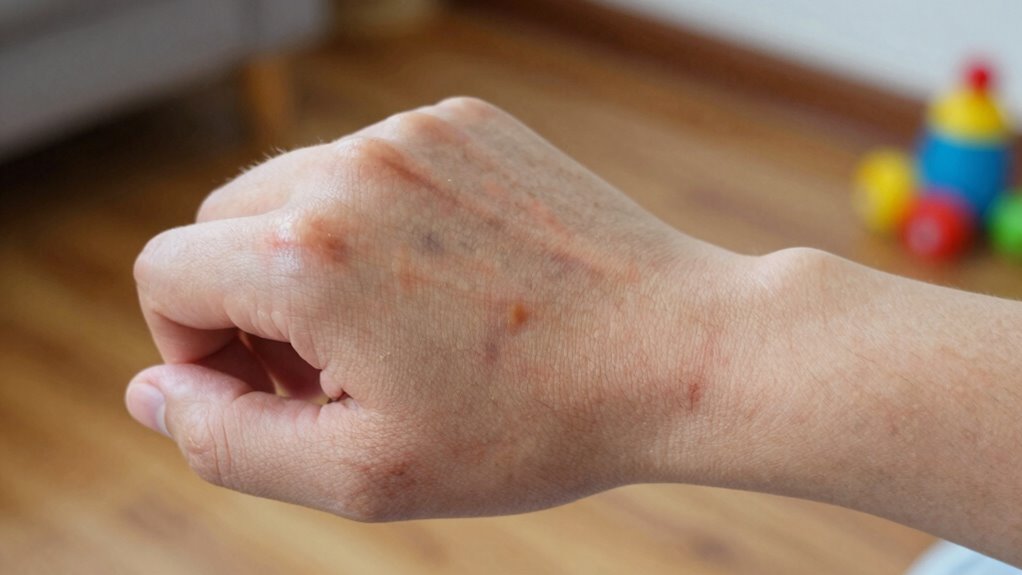
Fractures can often be warning signs of underlying bone weakness or health issues, yet many families overlook the early signs that signal a potential problem. When a fracture happens more easily than it should, it’s often linked to low bone density. Bone density reflects how strong your bones are, and when it decreases, the risk of fractures rises considerably. You might think fractures are just accidents or mishaps, but repeated fractures or fractures from minor falls should raise concern. These could be signs that your bones aren’t as resilient as they need to be, and early detection can be essential in preventing future injuries.
Frequent fractures from minor falls may signal underlying low bone density and increased health risks.
Genetic factors play an important role in determining your bone health. If your family has a history of osteoporosis or other bone-weakening conditions, you might be at higher risk. You may not realize that your genes influence your bone density, making you more susceptible to fractures even with minor falls or impacts. If your parents or grandparents experienced fractures early in life or suffered from osteoporosis, it’s a good idea to pay closer attention to your bone health. Recognizing this genetic predisposition helps you and your healthcare provider assess your risk and take preventive steps early on.
Beyond family history, there are other subtle signs that can indicate weakening bones. For instance, if you notice a stooped posture or a loss of height over time, these could be signs of vertebral fractures or decreased bone strength. Sometimes, you might experience persistent back pain without a clear injury, which could also be linked to microfractures or weakened vertebrae. These signs often go unnoticed or are dismissed, but they’re important indicators that your bone health needs attention. Additionally, bone density testing can help detect early changes before fractures happen, providing a valuable opportunity for intervention. Regularly monitoring your bone health status can help identify issues before they lead to fractures, especially if you have risk factors. Being aware of early warning signs can empower you to seek timely medical advice and take preventive measures. Recognizing subtle physical changes is crucial, as they often precede more serious fractures or complications.
As an affiliate, we earn on qualifying purchases.
Frequently Asked Questions
Can Children Show Fracture Signs Without Pain?
Yes, children can show signs of fractures without pain, especially in cases like stress fractures or hairline fractures. You should watch for swelling, tenderness, or difficulty moving the limb, even if your child doesn’t complain of pain. Recognizing these signs helps in early bone healing and fracture prevention. Promptly consult a healthcare professional if you suspect a fracture, as early treatment can prevent complications and promote faster recovery.
How Often Should Fractures Be Checked After Minor Injuries?
If your child sustains a minor injury, check the fracture site within a few days, especially if swelling or pain persists. For instance, a hypothetical case shows a child’s bone healing was delayed because initial fractures weren’t properly monitored, risking future fractures. Regular check-ups help guarantee proper bone healing and fracture prevention. If symptoms worsen or don’t improve, consult a healthcare professional promptly to avoid complications and promote healthy recovery.
Are There Age-Specific Fracture Warning Signs?
Yes, age-specific fracture warning signs exist because bone density varies with age. In children, look for persistent pain or swelling after minor falls, while older adults might experience sudden pain, tenderness, or mobility issues even without a fall. Recognizing these signs helps in fracture prevention. If you notice any, seek medical advice promptly to prevent further damage and guarantee proper treatment.
What Role Does Diet Play in Fracture Risk?
Diet determines your fracture defense, directly impacting bone strength. Nutritional impact is powerful; consuming bone-strengthening foods like dairy, leafy greens, and nuts boosts calcium and vitamin D levels essential for healthy bones. When you prioritize these foods, you promote stronger bones, reducing fracture risk. A balanced diet with the right nutrients fortifies your foundation, making your bones resilient against breaks and fractures, especially as you age.
When Should I Seek Emergency Care for a Suspected Fracture?
You should seek emergency care immediately if you suspect a fracture, especially with severe pain, swelling, deformity, or if you can’t move the affected area. Different fracture types, like compound or displaced fractures, require urgent attention. Follow emergency procedures by immobilizing the injury, avoiding movement, and getting professional help right away. Prompt treatment reduces complications and guarantees proper healing. Don’t delay if your injury seems serious.
Conclusion
Recognizing early fracture warning signs can be life-saving, yet many families overlook the subtle clues. Did you know that children with frequent fractures are often misdiagnosed with minor accidents, delaying essential treatment? By staying vigilant and understanding these signs, you can help prevent serious injuries and guarantee your loved ones get the care they need. Don’t wait—early detection makes all the difference in safeguarding your family’s health and future.
Fall Picks
fall essentials
As an affiliate, we earn on qualifying purchases.