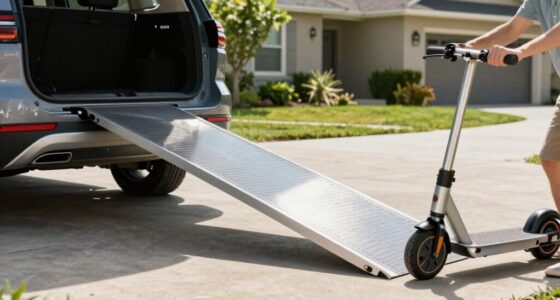

Create a consistent loading routine by packing the night before and using designated spots for essentials like keys, wallet, and chargers. Develop a checklist and stick to it each time to avoid forgetting important items. Use timers or set alarms to stay on schedule, and organize your items for quick access. Making these habits automatic will reduce morning stress and save you time. Keep exploring for more tips to make your mornings smoother and more predictable.

Turn quiet afternoons into listening time
- Thousands of audiobooks, podcasts and originals
- Listen on your phone, tablet or Echo — also offline
- Cancel anytime
Key Takeaways
- Establish a consistent loading routine at a designated time daily to build habits and minimize decision fatigue.
- Prepare and organize items in advance, using designated spots for quick, stress-free loading.
- Use timers or alarms to stay on schedule and prevent rushing during busy loading periods.
- Review and update your packing checklist regularly to ensure all essentials are included and ready.
- Keep frequently used items in fixed, accessible locations to streamline the loading process and reduce search time.
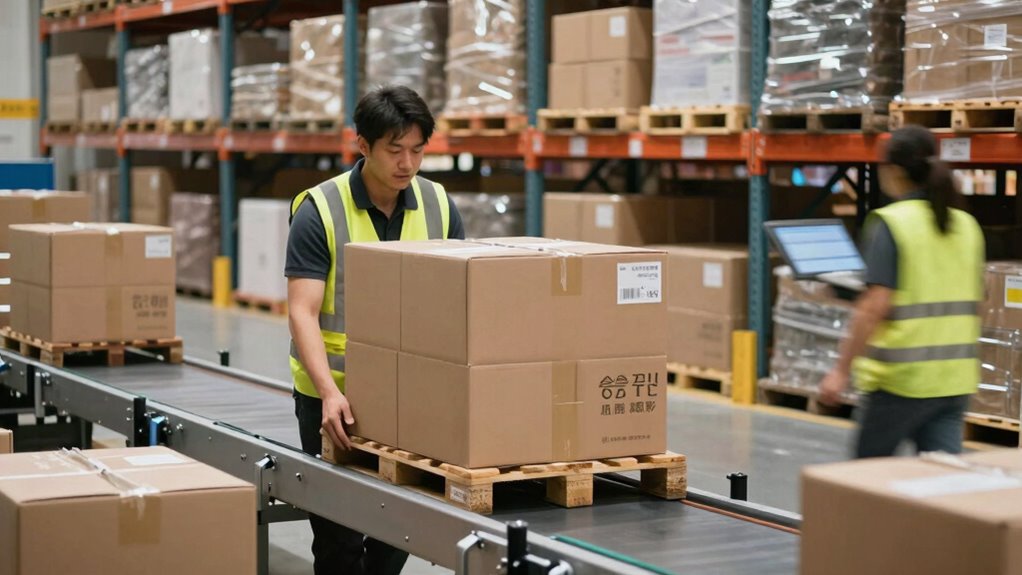
Incorporating time management into your loading routine is essential. Dedicate a specific time each evening or morning to prepare your bag, preferably when your mind is fresh. Setting a consistent schedule turns packing into a habit, reducing the mental effort involved each day. When you allocate a fixed slot for packing, you eliminate the stress of rushing or running late. Use timers if necessary to stay on track, especially during busy mornings. This disciplined approach ensures you don’t overlook critical items and keeps your mornings predictable. Additionally, establishing a consistent packing routine can help reinforce good habits and make the process feel automatic over time. Furthermore, paying attention to efficient organization within your bag can significantly improve your speed and ease during packing. Regularly reviewing your packing checklist can also help ensure you don’t forget essential items and keep your routine streamlined.
Another effective packing strategy is to allocate designated spots for your essentials. Keep your keys, wallet, charger, and other frequently used items in the same place every time. This way, you spend less time searching and more time focusing on your day. Consider packing your bag in the same order each time, starting with larger items and filling in smaller essentials last. This consistency speeds up the process and prevents omissions. Additionally, pre-pack items you know you’ll need the night before, such as gym clothes or work documents, so you’re not rushing to find them in the morning. Incorporating organized storage techniques can further streamline your routine and reduce frustration when packing quickly. To enhance your efficiency, regularly reviewing your biodiversity awareness can inspire sustainable choices in your everyday habits.
As an affiliate, we earn on qualifying purchases.
Frequently Asked Questions
How Long Should My Loading Routine Typically Take?
Your loading routine should typically take about 15 to 30 minutes, depending on your trip length and load organization. Start with a packing checklist to guarantee nothing’s forgotten, then organize your load efficiently. This way, you avoid last-minute scrambling. Keep items grouped by priority or destination inside the vehicle. With a clear plan, you’ll save time and reduce stress, making your loading process smooth and quick.
What Tools Are Essential for an Efficient Loading Process?
Imagine your loading area as a well-oiled machine, ready to roll. Essential tools include a reliable packing checklist to guarantee nothing’s forgotten and clear equipment organization to streamline the process. Use labeled bins, sturdy bags, and efficient packing cubes to keep everything in place. A tape measure and scissors come in handy for quick adjustments. These tools help you load faster, stress less, and stay prepared for any situation.
How Do I Adapt the Routine for Different Types of Loads?
To adapt your routine for different loads, focus on effective load organization and safety precautions. Assess each load’s shape, weight, and fragility, then adjust your stacking and securing methods accordingly. Always prioritize safety by using proper PPE and ensuring load stability. Flexibility is key—modify your approach based on the load’s unique characteristics, keeping safety and organization at the forefront to maintain efficiency and prevent accidents.
Can This Routine Be Applied to Both Personal and Professional Settings?
Yes, you can apply this routine to both personal and professional settings. By integrating mindfulness practice, you stay present and focused, making load management more efficient. It helps with stress management, ensuring you handle tasks calmly and effectively. Whether organizing your home or workplace, adapting this routine enhances your productivity and reduces overwhelm, creating a smoother, more balanced experience in all areas of life.
What Common Mistakes Should I Avoid During Loading?
Imagine you’re in a medieval castle, but today, avoid rushing and skipping your packing checklist. Don’t forget to double-check that all safety precautions are in place—missing essentials or last-minute packing can cause stress. Avoid overloading your vehicle or bag, which hampers efficiency. Also, resist the urge to pack without planning; it wastes time and increases mistakes. Stay organized, follow your checklist, and prioritize safety to guarantee a smooth, stress-free load.
Conclusion
By adopting a streamlined loading routine, you’re fundamentally building a well-oiled machine that runs smoothly every time. It’s like having a reliable compass guiding you through chaos, saving you precious time and easing stress. When you make these habits routine, loading becomes less of a hurdle and more of a breeze. Soon, you’ll find yourself sailing through your day with confidence, knowing your system works as seamlessly as a finely tuned engine.
Cold & flu season Picks
humidifiers
As an affiliate, we earn on qualifying purchases.