
TL;DR

Turn quiet afternoons into listening time
- Thousands of audiobooks, podcasts and originals
- Listen on your phone, tablet or Echo — also offline
- Cancel anytime
Interest in ways to improve balance among older adults is rising, driven by aging populations and fall prevention concerns. While specific training methods are recommended, research continues to evolve.
Recent data shows a surge in interest around effective methods for older adults to improve balance, as aging populations seek ways to prevent falls and preserve independence. You can explore balance boards for stroke rehabilitation for targeted exercises.
This rising focus highlights the importance of balance training in aging health strategies, although specific evidence-based protocols are still being refined.
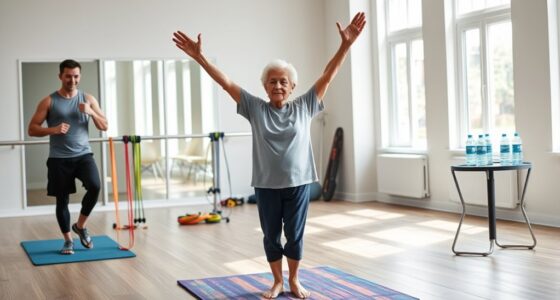
Health experts emphasize that balance naturally declines with age, increasing the risk of falls, which are a leading cause of injury among seniors. To combat this, recommended practices include exercises such as tai chi, strength training, and specific balance drills. These methods are supported by preliminary research suggesting they can improve stability and reduce fall incidence.
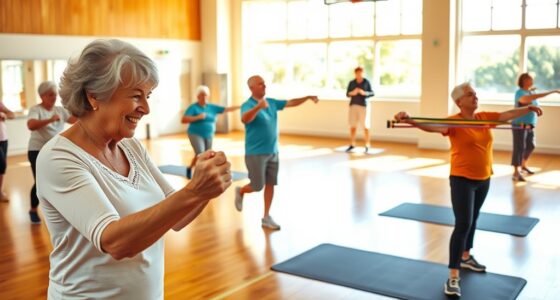
Current trends indicate that community programs, physiotherapy, and home-based routines are all being promoted to help seniors maintain or enhance their balance. Check out the best balance boards for seniors for additional support. However, the scientific community continues to investigate which specific exercises yield the best results and how frequently they should be performed for maximum benefit.
While many older adults and caregivers are adopting these practices, there remains a lack of universally accepted, standardized protocols, and individual health conditions can influence what exercises are appropriate. For more guidance, see raising kids in the age of AI.
Why Improving Balance Matters for Aging Populations
Maintaining good balance is crucial for older adults because it directly impacts their ability to perform daily activities and stay independent. Falls are a leading cause of injury, hospitalization, and even death among seniors, making balance training a vital component of fall prevention strategies.
Effective balance exercises can help delay or prevent mobility decline, reduce healthcare costs, and improve quality of life. As the global population ages, public health initiatives increasingly prioritize accessible, evidence-based balance training programs to address this growing concern.
As an affiliate, we earn on qualifying purchases.
Rising Interest in Balance Training and Fall Prevention
Interest in balance training for older adults has surged in recent months, driven by demographic shifts and increased awareness of fall risks. The trend is reflected in higher search volumes and media coverage, though the underlying causes of this spike are not yet confirmed.
Historically, fall prevention programs have incorporated balance exercises, but recent focus on aging health and mobility has amplified public and professional attention. Experts suggest that early engagement in balance training can significantly reduce injury rates, though consensus on specific routines remains under development.
Current guidelines recommend a combination of strength, flexibility, and balance exercises, but individual needs vary, and ongoing research aims to optimize these protocols for different health conditions and fitness levels.
Unconfirmed Factors in Optimal Balance Training Methods
It is not yet clear which specific balance exercises are most effective across diverse health conditions or age groups. The scientific community continues to evaluate the optimal frequency, intensity, and types of exercises for maximum benefit.
Additionally, the long-term impacts of different training protocols and how they should be integrated into daily routines remain under investigation, with ongoing studies aiming to clarify these questions.
Future Research and Implementation in Balance Training
Researchers plan to conduct larger, controlled studies to identify the most effective balance exercises for various populations. Meanwhile, health organizations and community programs are expected to expand accessible training options, including online resources and local classes.
Clinicians are also likely to develop more personalized protocols based on individual health status, aiming to optimize fall prevention efforts. Public health campaigns will continue to promote awareness of balance exercises as a key component of healthy aging.
Key Questions
What are the best exercises to improve balance for seniors?
Experts recommend activities like tai chi, balance drills, and strength training tailored to individual needs. Consulting a healthcare provider is advised before starting new routines.
How often should older adults do balance exercises?
Most guidelines suggest practicing balance exercises at least 2-3 times per week, but frequency may vary based on health status and specific routines. Professional advice can help determine the best schedule.
Are there any risks associated with balance training for seniors?
While generally safe when properly supervised, balance exercises can pose a fall risk if performed improperly or without appropriate support. Supervision and tailored routines reduce this risk.
Can balance training prevent all falls?
Balance exercises significantly reduce fall risk but do not eliminate it entirely. They are most effective when combined with other fall prevention strategies like home safety modifications and medication management.
Is online or home-based balance training effective?
Yes, many seniors successfully improve balance through guided routines at home or online programs, especially when tailored to their abilities and supervised by professionals.
Source: rss
Fall Picks
fall essentials
As an affiliate, we earn on qualifying purchases.