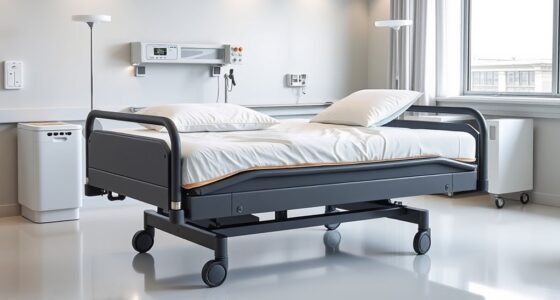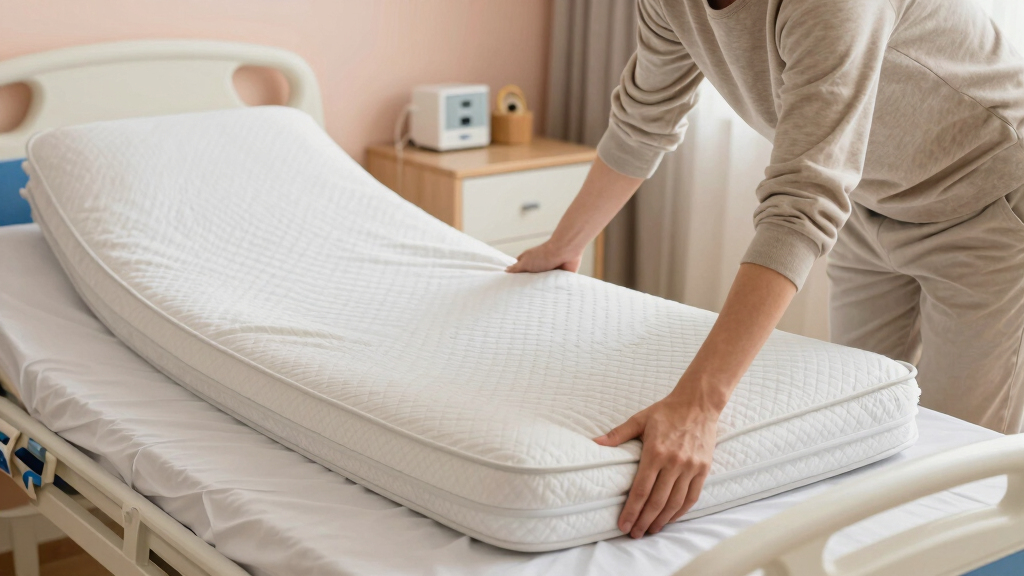
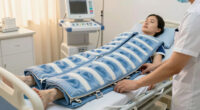
Choosing the best full body pressure relief system for home hospice involves balancing comfort, safety, and ease of use. The Drive Medical Med-Aire Low Air Loss Mattress stands out for its comprehensive pressure redistribution and moisture-wicking cover, making it ideal for long-term use. The Lunderg Alternating Air Pressure Pad offers a portable solution for those who need pressure relief on recliners or beds, while the Alcedo Mattress Pad provides effective ulcer prevention at a more affordable price. Readers face tradeoffs between advanced features, maintenance complexity, and cost. Continue reading for a detailed breakdown of each option to find the best fit for your specific needs.
Key Takeaways
- The top picks balance pressure redistribution with ease of maintenance and user control.
- Advanced systems like the Drive Medical offer comprehensive relief but come at a higher price point.
- Portability and ease of use are key for those with limited mobility or who need pressure relief on different surfaces.
- Budget-friendly options like Alcedo still provide effective ulcer prevention, but may lack some premium features.
- Quiet pumps and waterproof covers significantly enhance user comfort and longevity of the system.


More Details on Our Top Picks
Drive Medical Med-Aire Low Air Loss Mattress Replacement System – Alternating Pressure, Pressure Redistribution, Moisture Wicking Cover
The Drive Med-Aire Low Air Loss Mattress stands out for its comprehensive pressure redistribution features and safety alarms, making it suitable for continuous use in home hospice settings demanding dependable support. Compared to the Kekoy Alternating Air Pressure Mattress Pad, it offers more advanced pressure monitoring and automatic adjustments, though this comes with increased complexity and cost. The breathable, moisture-wicking cover helps manage heat and moisture, which is crucial for long-term comfort. Its bulkier design might be a concern for those with limited space or mobility, and professional setup could be required. Overall, this system is ideal for users needing consistent, high-quality pressure redistribution with safety features integrated into their care plan.
Pros:- Provides effective pressure redistribution and comfort
- Breathable, moisture-wicking cover reduces heat buildup
- Includes safety features like alarms and automatic pressure monitoring
Cons:- May require professional setup and maintenance
- Higher cost due to advanced safety and monitoring features
- Bulkier, less portable design
Best for: Families or caregivers seeking a reliable, full-featured pressure relief system with safety alarms and automatic pressure adjustments.
Not ideal for: Individuals with limited space or budget constraints who need a portable or more affordable option.
- Material:Polycarbonate
- Made in:USA
- Air Cells:20 replaceable 8-inch bladders
- Cover:Vapor permeable, shear friction reduction
- Features:Automatic pressure monitoring, audio-visual alarm
Bottom line: This system is best suited for users who prioritize safety, reliability, and comprehensive pressure management in a home hospice setting.
Lunderg Alternating Air Pressure Pad for Recliner Chair – Pressure Relief Cushion Topper for Bed Sore Prevention
The Lunderg Alternating Air Pressure Pad offers effective pressure relief with its 136 air cells, making it suitable for beds, recliners, and hospital chairs. It compares favorably to the Alcedo Mattress Pad by providing a quieter pump and a higher weight capacity (300 lbs), which broadens its usability. However, setup and initial inflation are necessary, and some users may notice the pump’s noise despite its quiet operation. Its versatility makes it a practical choice for those who need pressure relief across different furniture types without complex installation. This pad is especially well-suited for home users who want a multi-use, cost-effective pressure management solution.
Pros:- Effective pressure relief with 136 air cells
- Quiet pump with adjustable modes for comfort customization
- Durable, easy-to-clean cover with anti-slip features
- Supports up to 300 lbs, suitable for home and hospital use
Cons:- Requires setup and initial inflation
- Pump noise may be noticeable to sensitive users
- Less effective for very high weight individuals
Best for: Home caregivers needing a flexible, easy-to-use pressure relief pad for beds and recliners with a focus on value.
Not ideal for: Users requiring a highly portable or lightweight system, or those with very high weight needs beyond 300 lbs.
- Air Cells:136
- Maximum Weight Capacity:300 lbs
- Pump Noise Level:23 dBA
- Cover Material:4-way stretch, durable, easy to clean
- Mode:Alternating and Static
Bottom line: This pressure relief pad offers great versatility and value for users who need multi-surface support without complex features.
Alcedo Alternating Air Pressure Mattress Pad for Bed Sore and Ulcer Prevention
The Alcedo Alternating Air Pressure Mattress Pad excels at preventing and treating bedsores thanks to its adjustable pressure settings and high-density waterproof surface. Compared with the Kekoy Mattress Pad, it offers a more customizable experience with five adjustable settings and a quieter pump, making it a strong choice for sensitive sleepers. Its waterproof, breathable surface promotes hygiene and easy cleaning, though proper setup is necessary to ensure a snug fit on the bed. Suitable for both hospital and home use, it supports up to 300 lbs comfortably. This pick is ideal for individuals needing tailored pressure management to reduce pressure ulcer risk effectively.
Pros:- Effective in preventing and managing bedsores
- Five adjustable pressure settings for personalized comfort
- Ultra-quiet pump minimizes sleep disturbance
- Durable, waterproof, breathable surface
Cons:- Requires precise setup for secure fit
- Bulky for some bed sizes
- Limited color options
Best for: Caregivers or patients focused on pressure ulcer prevention and requiring adjustable, quiet operation for long-term use.
Not ideal for: Users seeking a simple, no-fuss solution without adjustable settings or those with limited space for setup.
- Size:75″ x 35″
- Supports:Up to 300 lbs
- Pump Features:5 adjustable pressure settings, ultra-quiet
- Material:High-density, waterproof, breathable surface
- FSA/HSA Eligible:Yes
Bottom line: This mattress pad is well-suited for users who prioritize customizable pressure relief in a quiet, hygienic design.
Kekoy Alternating Air Pressure Mattress Pad for Bed Sore Prevention, 75″ x 35″ – Beige
The Kekoy Mattress Pad provides a reliable, low-cost option for bed sore prevention with its cycling 130 air cells and very quiet pump, making it suitable for light to moderate pressure relief needs. Compared to the Alcedo Mattress Pad, it offers a similar cycle time but emphasizes affordability and quiet operation with a pump noise under 28 dBA. Its waterproof, heat-resistant surface simplifies maintenance, though the absence of detailed weight capacity and a slightly longer cycle time may require some adjustments. This product is best for those seeking a budget-conscious, quiet system for moderate pressure relief in home or hospital environments.
Pros:- Effective cycling air cells for bed sore prevention
- Very quiet pump supports undisturbed sleep
- Waterproof, heat-resistant surface simplifies cleaning
- Adjustable pressure modes for comfort
Cons:- No specified weight capacity, limiting clarity on suitability for heavy users
- Cycle time of 10-12 minutes may be slow for some needs
- Requires power connection for operation
Best for: Budget-conscious users needing quiet, effective pressure relief for standard beds or hospital beds.
Not ideal for: Heavy users or those needing highly customizable or rapid pressure cycling features.
- Size:75″ x 35″
- Material:Medical-grade PVC
- Pump Noise Level:Under 28 dBA
- Air Cells:130
- Cycle Time:10-12 minutes
Bottom line: This mattress pad offers quiet, affordable pressure relief suitable for moderate needs in a home setting.
Lunderg Alternating Air Pressure Mattress Pad with Static Mode – Bed Sore Prevention with Waterproof Topper and Quiet Pump
The Lunderg Alternating Air Pressure Mattress Pad combines effective pressure relief with a static mode for stable support, making it suitable for users who need consistent support or are sensitive to cycling noise. It supports up to 300 lbs and features a quiet pump at 23 dBA, comparable to the Alcedo Mattress Pad. The setup involves about 20 minutes of inflation, which is longer than some counterparts, but once inflated, it provides dependable support. Its waterproof, durable surface makes it easy to clean, ideal for long-term use in home or hospital environments. This model is perfect for caregivers seeking a straightforward, durable pressure relief system with an option for static support.
Pros:- Effective pressure relief with static and alternating modes
- Quiet pump with 23 dBA noise level
- Waterproof, durable surface for easy maintenance
- Supports up to 300 lbs
Cons:- Inflation takes around 20 minutes, longer than some models
- Bulky setup for smaller beds or limited spaces
- Requires power outlet, limiting portability
Best for: Long-term users or caregivers requiring a stable, quiet, and durable pressure relief system with static mode.
Not ideal for: Those needing rapid setup or highly adjustable pressure cycling, or who prefer a lighter, more portable unit.
Bottom line: This mattress pad offers a durable, quiet, and stable support ideal for long-term pressure management in home or clinical settings.
MedVance Medical Low Air Loss Mattress Replacement System with Alarm, 8 Inch, Fully Digital with Remote Control, Firm Option – Blue
The MedVance Medical Low Air Loss Mattress stands out as the best overall choice because it combines hospital-grade features with ease of use, making it suitable for sustained home hospice care. Its ultra-quiet digital pump, operating at less than 20 dB, ensures minimal disturbance, especially compared to the louder options like the Lunderg Alternating Air Pressure Mattress Pad. The adjustable digital pressure allows precise customization, while the included remote control adds convenience for caregivers. The water-resistant quilted cover simplifies cleaning, and the support for up to 450 pounds makes it suitable for a wide range of patients. Unlike some more compact or budget models, this system prioritizes patient comfort and safety, with features like emergency CPR deflate and diagnostic alarms. However, its size and complexity may be a drawback for those with limited space or who prefer simple solutions, and it requires regular maintenance. Overall, this pick is ideal for caregivers seeking a durable, hospital-quality pressure relief system that prioritizes patient safety and ease of management.
Pros:- Quiet operation with less than 20 dB noise level, ideal for rest and sleep
- Adjustable digital pressure with diagnostic alarms for safety and customization
- Water-resistant, easy-to-clean quilted cover enhances hygiene and maintenance
- Supports up to 450 lbs and offers up to 24 hours of power outage protection
Cons:- High cost may be prohibitive for some home hospice budgets
- Bulkier size can limit portability and ease of setup
- Requires regular maintenance and cleaning to ensure optimal performance
Best for: Families or caregivers in need of a reliable, hospital-grade pressure relief system with advanced features and long power outage protection.
Not ideal for: Home users with limited space or those seeking a lightweight, portable mattress system for occasional use.
- Height:8 inches
- Length:80 inches
- Width:36 inches
- Weight Capacity:450 pounds
- Pump Noise Level:Less than 20 dB
- Power Outage Protection:Up to 24 hours
- Cover Material:Polyurethane with quilted design
- Remote Control:Included
- Additional Features:Pillow function, emergency CPR deflate
Bottom line: This system is best suited for caregivers needing a dependable, hospital-level pressure relief solution with advanced safety features.
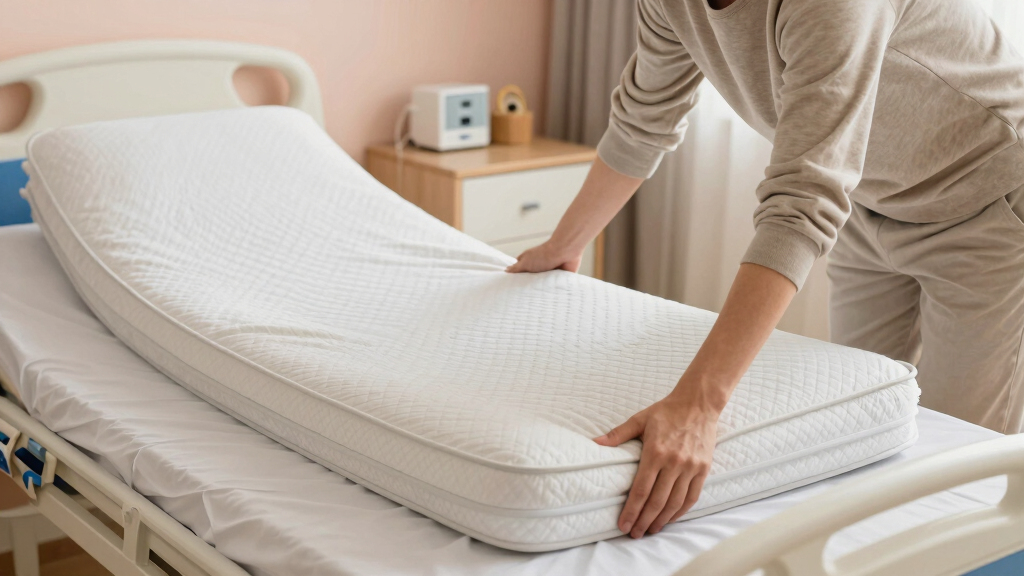
How We Picked
In evaluating these pressure relief systems, I focused on performance, durability, ease of use, and value. Systems with proven pressure redistribution and adjustable features ranked higher, as these are critical for preventing pressure ulcers. I also considered maintenance requirements, noise levels, and overall build quality to ensure long-term reliability. Cost was a factor but balanced against feature set and user safety. The ranking reflects a combination of these practical considerations, prioritizing products that offer effective relief without excessive complexity or expense.Factors to Consider When Choosing Best Full Body Pressure Relief Systems For Home Hospice
When selecting a full body pressure relief system for home hospice, understanding key factors can help you make an informed decision. Not all systems are created equal, and choosing the right one depends on your specific needs, budget, and care environment. Consider how often the system will be used, the level of pressure redistribution needed, and ease of operation for caregivers or patients. The following factors will guide you through the most important aspects to evaluate.Pressure Redistribution and Support
Effective pressure redistribution is the core function of any pressure relief system. Look for systems that feature alternating pressure cycles, which help prevent pressure ulcers by shifting weight away from vulnerable areas. Some systems also include static modes for periods of rest. The ability to customize pressure settings is beneficial for different patient needs, ensuring comfort without compromising safety.
Ease of Use and Control
Ease of operation is vital, especially when caregivers are responsible for managing the system. Features like remote controls, simple interface panels, and programmable settings can make adjustments straightforward. Quiet pumps and clear alarms also reduce stress during use, especially overnight. Overly complex systems might offer advanced features but can be difficult for non-technical users to operate effectively.
Build Quality and Durability
Durability matters because these systems are often used continuously. Look for high-quality materials, waterproof covers, and robust pumps designed for long-term operation. A system with replaceable parts and easy maintenance will offer better value over time. Cheaper models may save money initially but could require frequent repairs or replacement, increasing overall costs.
Maintenance and Noise Levels
Low-maintenance systems with straightforward cleaning procedures save time and reduce frustration. Noise levels from pumps can disturb sleep or cause discomfort for the patient, so selecting quieter models enhances comfort. Waterproof covers and moisture-wicking fabrics also contribute to hygiene and longevity, preventing skin infections and mold buildup.
Cost and Overall Value
Price varies widely among these systems, often reflecting build quality and feature set. While higher-priced models tend to offer more comprehensive solutions, budget-friendly options can still provide effective relief for less intensive needs. Consider your long-term care plan and whether investing in a premium system aligns with the patient’s condition and your budget constraints.
Frequently Asked Questions
Can these systems be used on different surfaces like beds and recliners?
Many full body pressure relief systems are designed for versatility, with some models like the Lunderg Alternating Air Pressure Pad specifically intended for use on recliners and beds. These systems often feature portable pads or overlays that can be easily transferred between surfaces, making them suitable for patients who change positions frequently or need pressure relief on different furniture types. Always check the product specifications to confirm compatibility with your intended surfaces.
How often do I need to replace or maintain these pressure systems?
Maintenance frequency depends on the model and usage intensity. Regular inspections for leaks, damages, or wear are recommended, typically every few months. Many systems have replaceable air bladders or covers, which can extend lifespan if properly cared for. Following the manufacturer’s maintenance instructions will help ensure consistent performance and prevent skin issues caused by malfunctioning equipment.
Are these systems safe for long-term use?
Yes, most modern systems are designed with patient safety in mind, featuring alarms for pressure issues and automatic shutoff mechanisms. However, it’s essential to choose a system with adjustable pressure settings suitable for the patient’s condition and to regularly monitor skin and comfort levels. Consulting with a healthcare professional can also help you select the safest option based on individual health needs.
What features should I prioritize if I’m a caregiver with limited technical skills?
Ease of operation becomes especially important in this case. Look for systems with simple remote controls, clear interface displays, and minimal setup requirements. Quiet operation and low noise levels reduce disturbances, and systems with automatic pressure adjustments or programmable profiles can simplify management. Avoid overly complex systems if ease of use is your primary concern.
Is it better to invest in a more expensive system for better pressure relief?
Higher-priced systems often include more advanced features such as better pressure cycling, quieter pumps, and more durable materials, which can provide enhanced comfort and safety. However, for less intensive needs, a more affordable model might suffice and offer good value. Consider the patient’s specific risk level, comfort preferences, and your budget before deciding whether to invest in a premium system or opt for a budget-friendly alternative.
Conclusion
For those seeking the best overall system, the Drive Medical Med-Aire Low Air Loss Mattress offers comprehensive pressure redistribution and durability, making it ideal for long-term home hospice care. Budget-conscious caregivers or patients with less intensive needs might find the Alcedo Alternating Air Pressure Mattress Pad provides effective ulcer prevention at a lower cost. For users new to pressure relief systems, the Kekoy Alternating Air Pressure Mattress Pad combines simplicity with reliable performance. Those requiring portability or use on recliners should consider the Lunderg Alternating Air Pressure Pad. Finally, if advanced features like remote control and alarms are priorities, the MedVance Low Air Loss Mattress System stands out as a premium choice. Your ideal pick depends on your specific care requirements, budget, and comfort preferences.