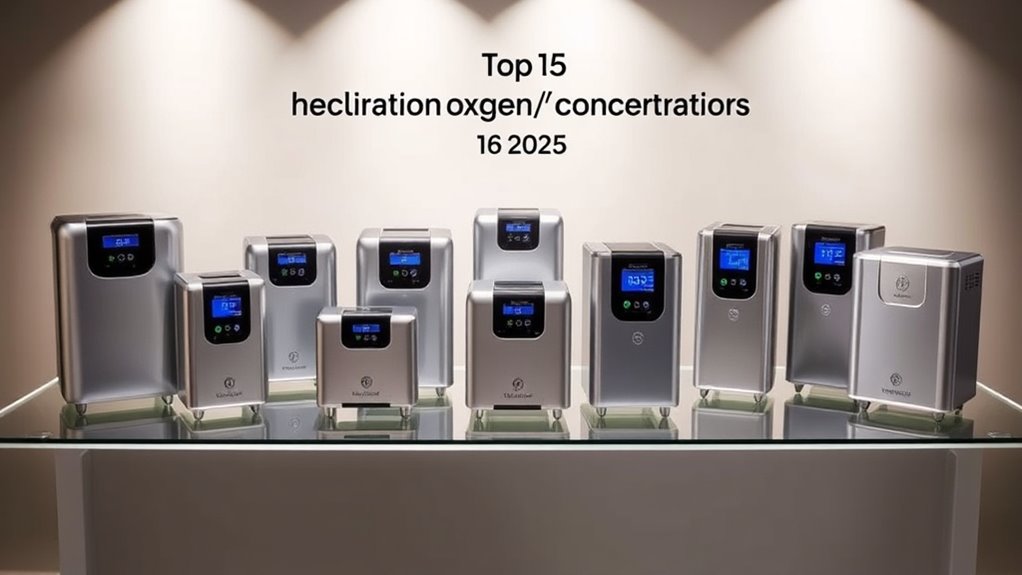

Choosing a high-end oxygen concentrator in 2026 means balancing advanced features with practical usability. For emergency needs, the Life O2 SoftPac offers quick response and portability, but with limited duration. On the other hand, the Inogen Extended Battery delivers long-lasting power for active lifestyles, though it’s limited to specific devices. Here’s a detailed look at these two top picks, their tradeoffs, and who they serve best.

Turn quiet afternoons into listening time
- Thousands of audiobooks, podcasts and originals
- Listen on your phone, tablet or Echo — also offline
- Cancel anytime
Complete the kit


Key Takeaways
- The Life O2 SoftPac is ideal for emergency situations requiring quick deployment and portability.
- Inogen’s Extended Battery excels for travel, providing nearly half a day of power for compatible devices.
- Both options prioritize portability but serve very different needs—emergency response versus daily mobility.
- Tradeoffs include limited oxygen supply duration in the SoftPac and battery compatibility restrictions for the Inogen unit.
- Understanding your usage scenario is key: emergency readiness or active lifestyle support guides the best choice.
| Life O2 SoftPac – 6 LPM Fixed-Flow Emergency Oxygen Supply |  | Best for Emergency Response and Portability | Flow Rate: 6 LPM | Duration: Up to 40 minutes | Refillable: Yes | VIEW ON AMAZON | See Our Full Breakdown |
| Inogen Extended (16-cell) Battery for Inogen One G5 and Rove 6 |  | Best for Travel and Daily Active Use | Battery Life: Up to 12 hours, 45 minutes | Weight: 1.18 lbs | Compatibility: Inogen One G5, Rove 6 | VIEW ON AMAZON | See Our Full Breakdown |
| high end oxygen concentrator | Flow Rate | Duration | Refillable | Portability |
|---|---|---|---|---|
| Life O2 SoftPac | 6 LPM | Up to 40 minutes | Yes | Lightweight with handle and shoulder strap |
| Inogen Extended | — | — | — | — |
More Details on Our Top Picks
Life O2 SoftPac – 6 LPM Fixed-Flow Emergency Oxygen Supply
The Life O2 SoftPac is designed for rapid deployment during breathing emergencies, making it a top choice for rescue scenarios or first responders. Its lightweight design, combined with a handle and shoulder strap, ensures quick accessibility in critical moments. Compared to device-based concentrators, this portable refillable cylinder is straightforward, with no complex settings—simply filling the tank suffices for immediate oxygen needs. However, its supply lasts only about 40 minutes at 6 LPM, which limits longer emergencies. It’s best suited for situations where a portable, quick-acting oxygen source is essential, rather than continuous or long-term use.
Pros:- Lightweight and easy to carry
- Refillable, reducing ongoing costs
- Provides sufficient oxygen for immediate emergencies
Cons:- Limited supply duration at high flow rates
- Refill access may be restricted in some areas
- Not suitable for extended oxygen therapy
Best for: Emergency responders, first aid providers, and individuals needing rapid oxygen in crises
Not ideal for: Long-term oxygen therapy or daily continuous use
- Flow Rate:6 LPM
- Duration:Up to 40 minutes
- Refillable:Yes
- Portability:Lightweight with handle and shoulder strap
Our verdict“A highly portable emergency oxygen solution, ideal for quick response but limited by its supply duration.”
Inogen Extended (16-cell) Battery for Inogen One G5 and Rove 6
The Inogen Extended Battery offers remarkable portability for users of Inogen One G5 or Rove 6 devices, extending their operational time up to nearly 13 hours at a low pulse dose setting. This makes it a standout choice for frequent travelers or anyone needing long-lasting power without being tethered to a wall socket. The battery’s lightweight design—just over a pound—adds minimal bulk, and its fast charging capability supports busy schedules. While its compatibility is limited to certain models, for those users, it transforms daily mobility. The main tradeoff is that full recharging can take up to 6 hours, and battery life can vary depending on device settings and usage patterns.
Pros:- Long battery life for extended outings
- Lightweight and portable
- Supports fast charging and multiple power sources
- FAA approved for air travel
Cons:- Limited to specific compatible devices
- Recharge time can be up to 6 hours
- Battery life may vary with usage
Best for: Active users, travelers, and those who need extended power support
Not ideal for: Users with incompatible devices or those who require continuous oxygen flow outside pulse mode
- Battery Life:Up to 12 hours, 45 minutes
- Weight:1.18 lbs
- Compatibility:Inogen One G5, Rove 6
- Charging Time:Up to 6 hours
- FAA Approved:Yes
Our verdict“The top choice for users who prioritize long-lasting battery power for travel and daily activities, with some limitations on device compatibility.”

How We Picked
I focused on high-end oxygen solutions that either provide robust emergency response or support extended travel. Criteria included portability, battery life, refillability, device compatibility, and approval for air travel. I compared these features across various models, emphasizing practical tradeoffs like supply duration and convenience. The goal was to identify products that stand out for demanding users who need reliability and mobility in high-end oxygen equipment.
Factors to Consider When Choosing High End Oxygen Concentrators
Choosing a high-end oxygen concentrator depends heavily on your primary needs—whether emergency readiness or active mobility. Consider portability, oxygen supply duration, device compatibility, and approval for air travel. Understanding these factors helps match the right product to your lifestyle, ensuring safety, convenience, and peace of mind.Portability and Use Case
If you need quick access during emergencies, a lightweight, refillable unit like the Life O2 SoftPac offers immediate oxygen with minimal bulk. For daily or travel use, a portable battery like the Inogen Extended provides long-lasting power, supporting active lifestyles with minimal fuss.
Supply Duration and Refillability
Emergency units like the SoftPac are designed for short-term use—about 40 minutes at high flow—making them less suited for prolonged needs. Conversely, the Inogen battery supports nearly a day of use, but requires recharging, which can take several hours. Your choice depends on whether you prioritize instant availability or extended uptime.
Device Compatibility and Travel
For travel, especially by air, ensure your equipment is FAA approved. The Inogen Extended is specifically designed for this, while the SoftPac is more suited for emergency scenarios and rescue situations. Compatibility with your existing oxygen device also influences your decision.
Frequently Asked Questions
Can these products be used together?
While both products serve different roles—emergency supply versus portable power—they can complement each other if you own both types of equipment. The SoftPac provides immediate emergency oxygen, while the Inogen battery enhances daily mobility when paired with compatible devices, creating a comprehensive oxygen support system.Are these products suitable for long-term oxygen therapy?
Neither the SoftPac nor the Inogen Extended Battery is designed for continuous, long-term oxygen therapy like medical-grade concentrators. They excel in emergency and travel contexts, but for daily, long-term use, dedicated home concentrators are more appropriate.How do I refill the SoftPac?
Refilling the SoftPac requires access to a gas distributor that supplies medical or industrial oxygen. This process is straightforward but depends on local availability. It’s best suited for emergency preparedness where refill stations are accessible.Is the Inogen Extended Battery FAA approved?
Yes, the Inogen Extended Battery is FAA approved, making it safe for air travel. This approval ensures compliance with airline regulations, allowing you to carry it on flights without issues.What should I consider before choosing between these options?
Focus on your primary need—emergency quick response versus daily active use. Evaluate how long you need oxygen support, whether portability or device compatibility matters most, and if air travel is part of your routine. Matching these factors will lead to the best high-end oxygen concentrator for your lifestyle.Conclusion
If your priority is being prepared for emergencies or rescue situations, the Life O2 SoftPac offers a reliable, portable solution, despite its limited supply duration. For those who need reliable, extended power support during travel or daily activities, the Inogen Extended Battery delivers impressive battery life with the convenience of fast charging and FAA approval. Your choice should align with whether your focus is quick response or ongoing mobility support—each excels in its domain, making them standout options in the high-end oxygen market of 2026.