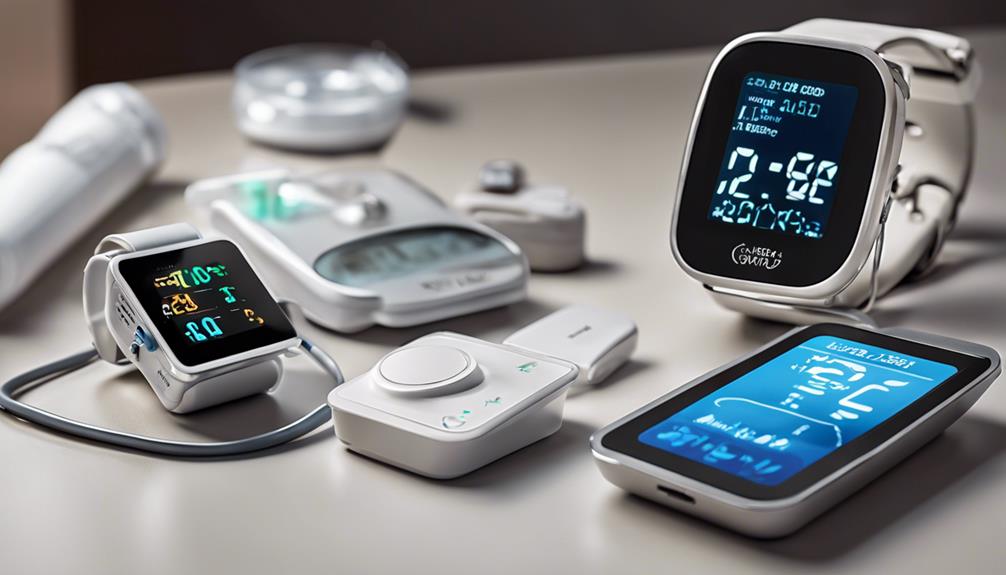

Choosing the right remote patient monitoring device depends on your specific care needs, whether for heart health, fall prevention, caregiver communication, or continuous in-home monitoring. Among the leading options are the KardiaMobile 1-Lead EKG Monitor, perfect for quick, portable heart checks; the Sentinare Fall Detection & Activity Sensor, ideal for fall risk management without wearable devices; the Caregiver Pager System, which offers reliable alerts for loved ones in home settings; and the SkyPad Contact-Free Heart & Breathing Monitor, providing continuous, contactless health data for elderly or pediatric patients. Each balances features against tradeoffs like ease of use, privacy, and coverage, helping to identify which device fits your care environment best.

Turn quiet afternoons into listening time
- Thousands of audiobooks, podcasts and originals
- Listen on your phone, tablet or Echo — also offline
- Cancel anytime
Complete the kit


Key Takeaways
- The KardiaMobile excels in portable, quick heart assessments but isn’t suitable for pacemaker users.
- Sentinare offers privacy-preserving fall detection without wearables, though it’s limited to specific areas.
- The caregiver pager provides long-range alerts but lacks smartphone integration and advanced features.
- SkyPad enables contactless, continuous monitoring but requires stable Wi-Fi and proper placement under bedding.
- Choosing the right device hinges on whether mobility, privacy, range, or continuous in-home data is most critical.
| KardiaMobile 1-Lead EKG Monitor |  | Best for Quick, Portable Heart Monitoring | Model Number: AC-009 | Unit Count: 1 | Battery: Replaceable CR2016, lasts up to 2 years with 2-3 EKGs per day | VIEW ON AMAZON | See Our Full Breakdown |
| Sentinare Fall Detection & Activity Sensor |  | Best for Privacy-Preserving Fall Detection | Coverage Range: 6 meters (20 feet) | No Monthly Fee: Yes | Privacy Protection: AI-based stick figure data | VIEW ON AMAZON | See Our Full Breakdown |
| Caregiver Pager with 2 Call Buttons and 2 Pagers |  | Best for Reliable Alert Coverage in Home Care | Power Source: 4 AA batteries | Maximum Range: 150 meters | Control Method: Touch | VIEW ON AMAZON | See Our Full Breakdown |
| SkyPad Contact-Free Heart & Breathing Monitor |  | Best for Continuous, Contactless In-Home Monitoring | Sensor Type: Contactless health sensor | Monitoring Features: Heart rate, breathing, sleep apnea, seizures | Connectivity: Wi-Fi, mobile app | VIEW ON AMAZON | See Our Full Breakdown |
More Details on Our Top Picks
KardiaMobile 1-Lead EKG Monitor
The KardiaMobile 1-Lead EKG Monitor stands out for delivering quick, medical-grade EKGs in a pocket-sized device. Its compatibility with most smartphones makes it highly portable, ideal for patients who need to monitor their heart rhythm on the go. Compared to larger, more complex monitors, it offers simplicity and convenience, but it’s limited to detecting arrhythmias like AFib and cannot diagnose acute conditions such as heart attacks. Its reliance on a subscription for additional features can also be a drawback for budget-conscious users. This device is best suited for those who want reliable, on-demand heart checks but do not need comprehensive cardiac monitoring or device compatibility with pacemakers.
Pros:- Portable and easy to use anywhere
- Provides quick, medical-grade EKG results in 30 seconds
- Detects arrhythmias including AFib
- Compatible with most smartphones and FSA/HSA eligible
Cons:- Not recommended for use with pacemakers or ICDs
- Does not check for heart attack or other acute issues
- Subscription required for advanced features
Best for: Patients needing quick, portable heart rhythm checks outside clinical settings
Not ideal for: Users with pacemakers or requiring extensive cardiac diagnostics
- Model Number:AC-009
- Unit Count:1
- Battery:Replaceable CR2016, lasts up to 2 years with 2-3 EKGs per day
- Compatibility:Most smartphones
- FDA Cleared:Yes
- HSA/FSA Eligible:Yes
Our verdict“Ideal for individuals seeking quick, reliable heart rhythm checks on the go, but not for comprehensive cardiac diagnostics.”
Sentinare Fall Detection & Activity Sensor
The Sentinare sensor provides a non-wearable, AI-driven fall detection system that preserves privacy by sending stick figure representations instead of video footage. Its coverage of up to 6 meters makes it suitable for bedrooms and bathrooms where fall risks are high. Compared to wearable fall monitors, it offers a touchless alternative, but it only covers specific areas, making it less effective for comprehensive, whole-room monitoring. Its reliance on AI chips for privacy means it may require a regional or technical check before deployment. This device is best for environments prioritizing privacy and simple fall detection within key zones but isn’t ideal for outdoor or wide-area coverage.
Pros:- No monthly fee for basic features
- Privacy-preserving AI stick figures
- Touchless, wearable-free design
- Effective at detecting both slow and sudden falls
Cons:- Limited to specific coverage zones
- Requires AI chip for privacy features
- May not detect falls outside designated areas
Best for: Elderly individuals at risk of falls in private home spaces
Not ideal for: Large homes or outdoor areas where fall detection is needed across multiple zones
- Coverage Range:6 meters (20 feet)
- No Monthly Fee:Yes
- Privacy Protection:AI-based stick figure data
- Suitable For:Bedrooms, bathrooms
Our verdict“A strong choice for privacy-focused fall detection in key areas, but limited in coverage scope.”
Caregiver Pager with 2 Call Buttons and 2 Pagers
The Caregiver Pager System offers a straightforward, reliable alert mechanism with a maximum range of 150 meters, making it suitable for monitoring loved ones within a home or care facility. Its easy setup, adjustable volume, and multiple alert tones make it adaptable for various environments. Compared to smart device alerts, it lacks smartphone integration but compensates with a long-range, dedicated alert system. Its simplicity is a significant advantage for users who prefer a dedicated, no-fuss alert device, though it doesn’t provide advanced features like activity tracking or remote monitoring via apps. This makes it ideal for caregivers needing dependable, immediate alerts but not detailed health data.
Pros:- Wireless range up to 500 feet
- Adjustable volume and alert tones
- Easy to set up with included accessories
- Compact and portable
Cons:- Limited to a maximum range of 150 meters in some environments
- Requires 4 AA batteries, which need replacement
- No smartphone or app integration
Best for: Home caregivers needing reliable alerting for elderly or disabled loved ones
Not ideal for: Users seeking integrated health data or smartphone connectivity
- Power Source:4 AA batteries
- Maximum Range:150 meters
- Control Method:Touch
- Audible Noise:90 db
- Mounting Type:Wall Mount
Our verdict“A dependable alert system ideal for caregivers prioritizing range and simplicity over digital integration.”
SkyPad Contact-Free Heart & Breathing Monitor
The SkyPad Contact-Free Heart & Breathing Monitor provides ongoing, contactless health data for elderly or pediatric patients. Its ability to monitor vital signs without skin contact makes it suitable for sensitive populations or those who dislike wearing devices. It’s designed for in-home use, with real-time data accessible via a free mobile app and emergency alerts that can be triggered remotely. Compared with wearable monitors, SkyPad offers a non-intrusive approach, but it requires proper placement under the pillow or near the bed, and stable Wi-Fi. This device is best for families seeking continuous, non-invasive health insights but isn’t suited for outdoor use or active monitoring outside the home.
Pros:- Contactless and continuous health monitoring
- Real-time data via mobile app
- Emergency alert system
- Suitable for elderly and children
Cons:- Requires placement under pillow or bed
- Limited to in-home use
- Dependent on Wi-Fi stability
Best for: Elderly or children needing continuous, contactless in-home health monitoring
Not ideal for: Homes without reliable Wi-Fi or users needing outdoor or mobile health monitoring
- Sensor Type:Contactless health sensor
- Monitoring Features:Heart rate, breathing, sleep apnea, seizures
- Connectivity:Wi-Fi, mobile app
- Includes:Sensor pad, touchscreen hub, SOS button
- Subscription:Not required
Our verdict“An excellent choice for non-intrusive, continuous health tracking inside the home, with the caveat of Wi-Fi dependency.”

How We Picked
Our selections are based on a combination of clinical relevance, ease of use, privacy features, and compatibility with home care environments. We prioritized FDA approval, user feedback, and device versatility, aiming to match each product to specific patient needs. Tradeoffs such as coverage limitations, subscription requirements, or device compatibility were considered to provide a balanced view of each option’s strengths and weaknesses.
Factors to Consider When Choosing Remote Patient Monitoring Devices
Selecting a remote patient monitoring device depends on your care context, whether for quick diagnostics, fall prevention, continuous monitoring, or caregiver alerts. Understanding device roles, coverage, privacy, and ease of use helps narrow down options. I’ll guide you through these factors to match your needs with the ideal device.
Key Factors to Consider When Choosing a Monitoring Device
Start by defining the core purpose — do you need quick health checks, fall detection, continuous vital sign monitoring, or caregiver alerts? Next, evaluate coverage — does the device need to monitor specific zones or provide full-room awareness? Privacy features are vital for sensitive environments, especially with AI-based solutions. Compatibility with other devices and ease of setup also influence your choice. Finally, consider ongoing costs like subscriptions and battery replacements to ensure the device fits your budget over time.
Matching Devices to Care Needs
If quick, portable heart assessments are your priority, the KardiaMobile offers rapid, reliable results. For fall prevention in private spaces, Sentinare provides privacy-preserving detection without wearables. Caregivers seeking straightforward alerts should consider the Pager System for long-range, simple notifications. For continuous, contactless health data, SkyPad stands out but requires Wi-Fi stability. Weigh these factors based on whether mobility, privacy, range, or ongoing data is most important in your care setting.
Frequently Asked Questions
What is remote patient monitoring?
Remote patient monitoring involves using digital devices to collect health data from patients outside of traditional healthcare settings. These devices transmit vital signs or health metrics to healthcare providers for ongoing assessment, allowing for timely interventions and better management of chronic conditions while reducing the need for frequent in-person visits.
Which device is best for elderly fall detection?
The Sentinare Fall Detection & Activity Sensor is designed specifically for this purpose. Its AI-driven, privacy-preserving stick figure detection makes it suitable for monitoring fall risks in bedrooms and bathrooms without requiring wearable devices. However, it’s limited to specific zones, so larger coverage might require additional sensors or systems.
Can these devices be used without a subscription?
Yes, some devices like the SkyPad and Sentinare do not require ongoing subscriptions, relying instead on Wi-Fi and local data processing. Others, like the KardiaMobile, may require a subscription for enhanced features or advanced diagnostics. Always check the specific device’s subscription policy before purchasing to ensure it aligns with your budget and needs.
Are these devices compatible with all smartphones?
Most of these devices, such as the KardiaMobile, are compatible with most smartphones, including both iOS and Android platforms. However, some devices like SkyPad or Sentinare primarily rely on their dedicated hubs and Wi-Fi, making smartphone compatibility less relevant. Always verify compatibility specifications to avoid integration issues.
What should I consider regarding privacy and data security?
Privacy varies among these devices. The Sentinare sensor uses AI to generate stick figure representations instead of videos, enhancing privacy. SkyPad also offers contactless monitoring without storing sensitive skin data. Devices transmitting health data should use encrypted connections, and understanding whether data is stored locally or in the cloud is essential for safeguarding sensitive information.
Conclusion
For individuals prioritizing quick, portable heart checks, the KardiaMobile fits best. Families seeking non-intrusive fall detection should consider the Sentinare. Caregivers needing reliable alert coverage will find the Pager System suitable, while those after continuous, contactless health monitoring inside the home will appreciate the SkyPad. Your choice depends on whether mobility, privacy, coverage, or ongoing data is most critical for your care environment.
Fall Picks
fall essentials
As an affiliate, we earn on qualifying purchases.