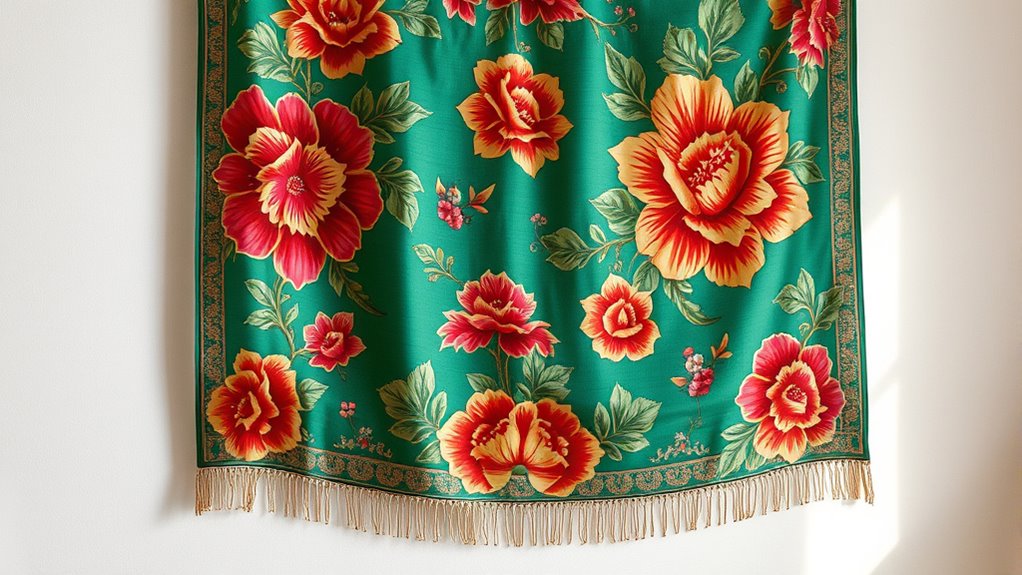

Searching for a Yilong silk wall hanging tapestry can lead to pieces with very different visual purposes. In this comparison, I look at two 90 × 60 cm GEYCHAO hangings: the Six-Way Samsara silk embroidery, my pick for a meditation space or Buddhist art display, and the “Qing Yun Zhi” calligraphy brocade, which is better suited to an office or study. Both share the same listed dimensions, but their materials, imagery, care needs, and hanging requirements shape different buying decisions.

Turn quiet afternoons into listening time
- Thousands of audiobooks, podcasts and originals
- Listen on your phone, tablet or Echo — also offline
- Cancel anytime
I rank the embroidered thangka first because its silk fabric and detailed religious artwork align more directly with buyers seeking a silk wall hanging. The calligraphy tapestry takes the best for offices and studies role: its woven brocade and metallic gold-thread texture create a different kind of focal point, though the included information says it should only be dusted gently and that its rod and hooks are not supplied. Neither listing specifies detailed mounting instructions, so I weigh the stated use and care information rather than assume features the descriptions do not provide.
Complete the kit


Key Takeaways
- The GEYCHAO Six-Way Samsara is the closer match for shoppers prioritizing silk fabric and embroidered Buddhist artwork.
- Both pieces measure 90 × 60 cm, so room fit depends more on the artwork and display setting than on size.
- The Samsara hanging is described as easy to clean, but the listing does not give specific care instructions.
- The “Qing Yun Zhi” brocade suits offices and studies, with gold-thread texture and an inspirational calligraphy theme.
- The calligraphy option requires gentle dusting and separate hanging hardware; its description says not to wash it.
| GEYCHAO Tibetan Buddhist Six-Way Samsara Silk Embroidery Wall Hanging |  | Best Overall for Silk Embroidery and Meditation Spaces | Material: Silk fabric | Technique: Silk embroidery | Dimensions: 90 × 60 cm (35.4 × 23.6 inches) | VIEW ON AMAZON | See Our Full Breakdown |
| GEYCHAO Chinese Calligraphy “Qing Yun Zhi” Brocade Wall Tapestry |  | Best for Offices, Studies, and Inspirational Décor | Material: Woven brocade | Size: 90 × 60 cm (35.4 × 23.6 inches) | Theme: “Qing Yun Zhi” inspirational calligraphy | VIEW ON AMAZON | See Our Full Breakdown |
| yilong silk wall hanging tapestry | Material | Hanging hardware | Technique | Dimensions |
|---|---|---|---|---|
| GEYCHAO Tibetan Buddhist Six-W | Silk fabric | Not specified in the provided description | Silk embroidery | 90 × 60 cm (35.4 × 23.6 inches) |
| GEYCHAO Chinese Calligraphy “Q | Woven brocade | Hooks and rod not included | — | — |
More Details on Our Top Picks
GEYCHAO Tibetan Buddhist Six-Way Samsara Silk Embroidery Wall Hanging
The Six-Way Samsara is my leading pick for shoppers searching specifically for a silk wall hanging with Buddhist imagery. Its listing names silk fabric and silk embroidery, while the calligraphy alternative is woven brocade. That distinction makes this piece the more direct fit for someone who wants embroidered religious artwork rather than an inspirational textile for an office. At 90 × 60 cm, it offers a defined rectangular display size that can anchor a meditation corner or add a focal point to a wall without requiring a very large area.
The subject is the main reason to choose it. A Six-Way Samsara thangka has a specific Buddhist visual theme, so it will feel more intentional in a space used for meditation or in a home where that artwork has personal meaning. The “Qing Yun Zhi” tapestry communicates ambition and perseverance through calligraphy, giving it broader office and study appeal. If the goal is a decorative accent that reads as motivational text, the second option is likely the better match; if the goal is an embroidered Buddhist image, this one is clearly more focused.
There is a useful but incomplete care claim: the product is described as easy to clean and maintain. That may appeal to someone who wants a practical home display, but no method, temperature, or cleaning limitation is provided. I would not treat that phrase as permission to machine-wash or use a particular cleaning product. By comparison, the brocade tapestry gives a specific instruction to dust gently and avoid washing, which is clearer but also more restrictive. Buyers who need explicit textile-care directions should contact the seller before choosing either piece.
The main tradeoff is that the listing offers little detail beyond its fabric, size, image, and intended use. It does not specify care steps or provide hanging-hardware details, so a buyer may need to work out the display method separately. The brocade option is more explicit that a rod and hooks are not included, while this listing leaves the hardware question unanswered. I rank the Samsara first because its material and embroidery align most closely with the search, but buyers wanting a fully specified installation package should be cautious about what is and is not stated.
Pros:- Silk fabric with an embroidered Six-Way Samsara design
- Named for meditation spaces as well as general home décor
- 90 × 60 cm dimensions are supplied in both metric and inches
- Described as easy to clean and maintain
Cons:- Specific cleaning instructions are not provided
- The product description does not state whether a rod or hooks are included
- Its Buddhist subject may not suit buyers seeking neutral or text-based décor
Best for: Buyers seeking an embroidered silk Buddhist wall hanging for a meditation area, devotional display, or home décor with a defined religious theme.
Not ideal for: Shoppers who want motivational calligraphy, detailed washing instructions, or confirmed included hanging hardware before ordering.
- Material:Silk fabric
- Technique:Silk embroidery
- Dimensions:90 × 60 cm (35.4 × 23.6 inches)
- Artwork:Six-Way Samsara
- Product type:Wall hanging
- Suggested use:Home décor or meditation
- Care description:Described as easy to clean and maintain; method not specified
- Hanging hardware:Not specified in the provided description
Our verdict“I recommend the Six-Way Samsara for buyers who want the closest match to a silk embroidered wall hanging and value its focused Buddhist artwork.”
GEYCHAO Chinese Calligraphy “Qing Yun Zhi” Brocade Wall Tapestry
The “Qing Yun Zhi” calligraphy tapestry is the more natural choice for a workspace or study. Its phrase is described as symbolizing ambition and perseverance, and its woven brocade has a subtle metallic gold-thread texture. That gives it a different character from the Six-Way Samsara embroidery: the Samsara is tied to Buddhist imagery and meditation, whereas this piece communicates a motivational theme that can suit a desk area, office, or living room.
Both hangings measure 90 × 60 cm, so neither has an advantage in listed wall coverage. The decision turns on what you want the wall to say. I would choose the Samsara when the artwork itself carries religious or contemplative meaning; I would choose this tapestry when calligraphy and an ambition-focused message matter more. Its gold-thread detail adds visual interest, but the description calls the texture subtle, so buyers expecting a bright metallic centerpiece may find that emphasis too restrained.
Care instructions are clearer here than for the embroidered option: dust gently and avoid washing. That is helpful guidance for routine upkeep, although it rules out treating the piece like a washable household textile. There is also a practical installation drawback: the listing says hooks and a rod are not included. The Samsara listing does not confirm whether hardware is supplied, so this option is the one with a confirmed extra display requirement. Plan for a separate mounting solution that fits the finished piece and your wall.
This brocade is a good fit when the phrase and setting are the priorities, but it is not the best match for someone whose search is specifically about silk embroidery. The description identifies woven brocade, not silk fabric, and gives no further fiber composition. That makes it a less direct answer to a silk-focused query, even though it is the same size and comes from the same brand named in the other listing. I place it second overall but first for a buyer choosing between these two specifically for office-ready calligraphy décor.
Pros:- Calligraphy theme is associated with ambition and perseverance
- Subtle metallic gold-thread texture adds detail
- 90 × 60 cm size matches the other option
- Care guidance says to dust gently and avoid washing
Cons:- Hooks and a rod are not included
- The tapestry should not be washed
- The description identifies woven brocade rather than silk fabric
Best for: Buyers furnishing an office, study, or living room who want calligraphy associated with ambition and perseverance, plus a subdued gold-thread detail.
Not ideal for: Shoppers who specifically require silk fabric or embroidery, need included hanging hardware, or want a washable wall textile.
- Material:Woven brocade
- Size:90 × 60 cm (35.4 × 23.6 inches)
- Theme:“Qing Yun Zhi” inspirational calligraphy
- Meaning:Ambition and perseverance
- Texture:Subtle metallic gold-thread detail
- Suggested rooms:Offices, studies, and living spaces
- Care:Dust gently; avoid washing
- Hanging hardware:Hooks and rod not included
Our verdict“I recommend this brocade tapestry for a study or office where its calligraphy theme matters more than a silk embroidered construction.”

How We Picked
I compared the two options against the phrase “Yilong silk wall hanging tapestry” by focusing on the details a buyer can actually use: stated material, dimensions, artwork, intended rooms, care guidance, and what is known about hanging. Both products are listed at 90 × 60 cm, which makes them comparable in wall coverage. Their roles differ because one is described as silk fabric with embroidery, while the other is woven brocade with a calligraphy design and subtle metallic gold-thread texture.
My ranking gives the Six-Way Samsara the lead for readers whose priority is a silk wall hanging with traditional religious imagery. It is the closer material and subject fit for that search, and its meditation-space use is explicit. I give the calligraphy tapestry a distinct second role for offices, studies, and living rooms, where its motivational theme may make more sense than a Buddhist thangka. The ranking is not a judgment about artistic quality; it follows the closer match to the silk-focused search and the stated product details.
I also count missing information as part of the buying decision. The Samsara description says it is easy to clean and maintain but does not explain how to clean it. The calligraphy listing offers a clearer instruction—dust gently and avoid washing—but says hooks and a rod are not included. Since neither description provides construction details beyond its stated material and artwork, I avoid inferring durability, lining, hanging loops, or exact installation methods. These limits matter if a buyer needs a ready-to-hang piece or precise textile-care guidance.
| yilong silk wall hanging tapestry | Material | Hanging hardware |
|---|---|---|
| GEYCHAO Tibetan Buddhist Six-W | Silk fabric | Not specified in the provided description |
| GEYCHAO Chinese Calligraphy “Q | Woven brocade | Hooks and rod not included |
Factors to Consider When Choosing Yilong Silk Wall Hanging Tapestry
I would choose between these two hangings by matching the artwork and material to the room first, then checking the practical details that affect display and care.Choose the subject before the textile
The two designs serve different visual purposes, even though their measurements match. The Six-Way Samsara is the focused option for Buddhist artwork or a meditation setting. The “Qing Yun Zhi” calligraphy instead offers a message of ambition and perseverance that may feel more at home in a study or office. Think about whether you want a devotional image, an inspirational phrase, or simply a decorative textile; the subject will have more effect on the room’s character than the shared dimensions.
If the phrase “silk wall hanging” is a firm requirement, the first listing is the more direct match because it specifies silk fabric and embroidery. The second calls its material woven brocade and does not give a fiber composition. I would not assume that brocade means silk based on the information supplied. A buyer choosing for a particular fiber should confirm composition with the seller when the listing does not state it clearly.
Check whether 90 × 60 cm fits your wall
Both products are listed at 90 × 60 cm, or about 35.4 × 23.6 inches. That shared size simplifies comparison, but it does not guarantee that either one will suit every wall. Measure the open area where you plan to hang it, including space for any rod or mounting method. A piece can fit within the wall dimensions and still feel crowded beside shelves, framed art, or furniture.
For a meditation corner, consider whether the Samsara image will be visible from the place where you sit. In an office, check that the calligraphy is placed where it can be seen without competing with screens or shelving. Neither description lists a smaller or larger size, so buyers who need a specific alternative should check availability before ordering.
Treat care claims according to their detail
The Samsara listing says the hanging is easy to clean and maintain, but gives no procedure. That wording does not tell a buyer whether to dust, spot-clean, or use another method. The brocade listing gives a more concrete rule: dust gently and do not wash. That is clearer, though it means this piece should not be selected by someone who expects to launder wall décor.
For either textile, follow any care label supplied with the item and avoid applying water or cleaning products based only on a general description. If you need a particular cleaning method because the tapestry will hang in a dusty or high-traffic area, ask for instructions before purchase. The listings do not establish whether either piece is suitable for machine washing, dry cleaning, or direct sunlight.
Plan the hanging method
The calligraphy tapestry explicitly comes without hooks or a rod, so factor a separate mounting solution into your plans. The Samsara description does not say whether those items are included. I would not interpret silence as confirmation that hardware is supplied. Check the product package details or seller information if a ready-to-hang setup is important.
Before choosing a mounting method, consider the wall surface and the textile’s finished construction. The available descriptions do not specify hanging loops, a sleeve, weight, or other attachment details. That gap makes it difficult to recommend a particular rod or hook based on the listing alone. A buyer who wants a flush, simple installation should get those details first.
Use the ranking to match your priority
I rank the Six-Way Samsara first overall because it combines the closer silk-material match with a defined embroidery subject and a stated meditation use. I rank the brocade calligraphy second for the main search, while giving it a clear lead for office and study décor. This distinction keeps the choice practical: the first is for buyers led by material and Buddhist imagery; the second is for buyers led by calligraphy, message, and workplace fit.
Neither description provides extensive construction or installation details, so my recommendations rely on the supplied material, dimensions, theme, care notes, and intended use. If fiber composition, care method, or mounting hardware is decisive for your purchase, verify that point directly before placing an order.
Frequently Asked Questions
Which option is the closer match for a silk wall hanging?
The GEYCHAO Six-Way Samsara is the closer match because its description specifies silk fabric and silk embroidery. The “Qing Yun Zhi” piece is described as woven brocade, with no fiber composition given. If the exact fiber matters, confirm it with the seller rather than treating the word brocade as proof that it contains silk.
Are the two tapestries the same size?
Both are listed at 90 × 60 cm, also given as 35.4 × 23.6 inches. This means their stated wall coverage is alike, so the choice comes down more to artwork, material, room fit, and care. Measure the display area before ordering and leave room for the mounting method you plan to use.
Which tapestry is better suited to a meditation room?
The Six-Way Samsara embroidery is the more natural fit because it depicts Buddhist artwork and is described for meditation use as well as home décor. The calligraphy tapestry has a motivational theme centered on ambition and perseverance, making it better suited to an office, study, or living area for buyers who prefer text-based décor.
What care instructions are provided?
The Samsara listing describes the piece as easy to clean and maintain, but it does not specify a cleaning method. For the brocade calligraphy, the stated guidance is to dust gently and avoid washing. If you need a precise method for either textile, seek clarification before purchase and follow any care label included with the item.
Does the calligraphy tapestry include a rod or hooks?
No. Its description says that hooks and a rod are not included, so you will need to arrange a suitable hanging method separately. The Samsara listing does not state whether hardware is supplied, so check its package details if included mounting pieces are a requirement for your purchase.
Conclusion
I would choose the GEYCHAO Six-Way Samsara if silk fabric, embroidery, Buddhist imagery, or a meditation-room display is the priority. It is the strongest match to the silk-focused search and earns the overall lead on that basis, though its care method and hardware details need clarification. For a buyer furnishing an office or study, the “Qing Yun Zhi” brocade makes more sense: its calligraphy theme and gold-thread texture create a different focal point, provided you are comfortable with gentle dusting and sourcing a rod and hooks. If exact fiber composition or a ready-to-hang package matters most, confirm those details before deciding.
Halloween Picks
halloween
As an affiliate, we earn on qualifying purchases.