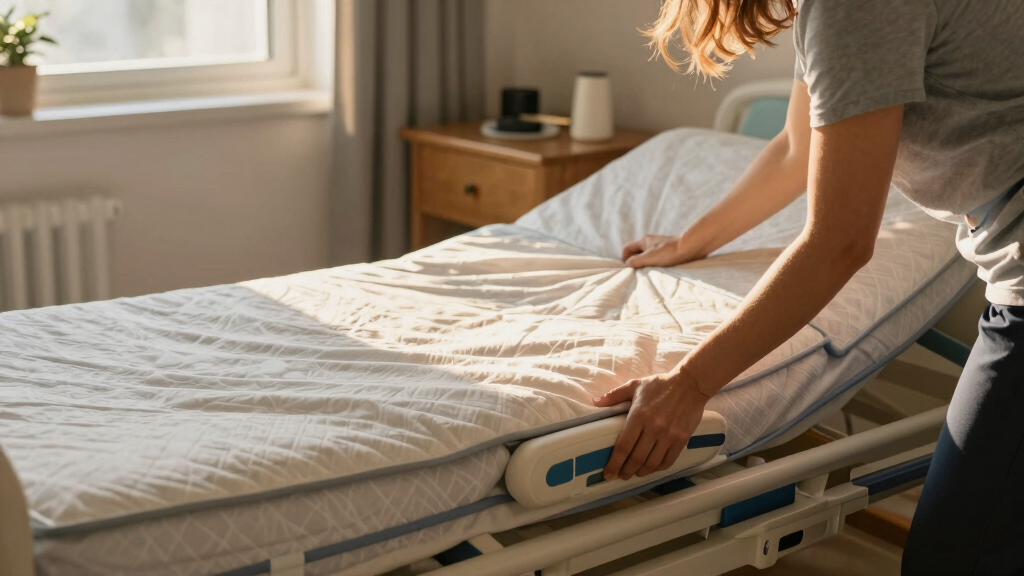

When searching for the best lateral rotation mattresses for home care, the focus often falls on features like adjustable turning, low air loss, and ease of operation. The Invacare microAIR MA900 stands out as the overall top pick thanks to its robust capacity and versatile features, ideal for long-term use. The ObboMed OB-3650 UltraAir is a strong alternative, offering multiple rotation angles and additional comfort features, making it suitable for diverse patient needs. However, these mattresses come with tradeoffs—higher costs, complexity, and maintenance considerations. Continue reading for a detailed comparison to help you find the best fit for your home care setup.

Turn quiet afternoons into listening time
- Thousands of audiobooks, podcasts and originals
- Listen on your phone, tablet or Echo — also offline
- Cancel anytime
Complete the kit

Key Takeaways
- The top-ranked models balance effective pressure relief with ease of operation for caregivers.
- Rotation angle flexibility and low air loss features are key differentiators among options.
- Bigger, bariatric models offer higher weight capacity but may be less maneuverable or more costly.
- Additional features like massagers or side bolsters can improve patient comfort but increase complexity and price.
- Choosing the right mattress depends heavily on patient needs, caregiver experience, and budget constraints.


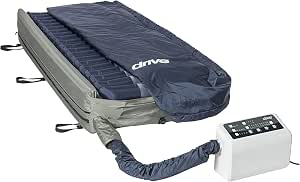


| lateral rotation mattresses for home care | Brand |
|---|---|
| OB-1600 UtilityAir Mattress wi | OBBO MED |
| ObboMed OB-3650 UltraAir Mattr | ObboMed |
| Invacare microAIR Lateral Rota | — |
| Drive Medical LS9500N Preserve | — |
| Bariatric Low Air Loss Alterna | — |
| ObboMed OB-1620 Standard Air M | OBBO MED |
More Details on Our Top Picks
OB-1600 UtilityAir Mattress with Alternating Pressure and Low Air Loss
The OB-1600 UtilityAir Mattress stands out for its effective combination of pressure relief and skin protection, especially suited for those needing a straightforward solution. Unlike the more feature-rich ObboMed OB-3650, this model offers essential alternating pressure and self-lateral rotation, but lacks some advanced comforts like massage or warming. Its sinking feature helps with patient positioning, which can improve sleep quality and respiratory health. However, some users report concerns about durability over time, and it requires a compatible bed frame (not included). This pick is ideal for caregivers seeking a reliable, no-frills lateral rotation mattress with basic pressure redistribution. It isn’t the best choice for users wanting extensive therapy options or those concerned about long-term durability.
Pros:- Provides effective pressure relief and skin protection
- Features dynamic therapy with self-lateral rotation to enhance circulation
- Maintains a dry, cool microclimate for patient comfort
Cons:- Customer reviews indicate mixed satisfaction with durability
- Requires a compatible bed frame (not included)
- Limited customer feedback available
Best for: Adults needing dependable pressure relief without complex features, especially in home care settings.
Not ideal for: Caregivers requiring high-tech options like massage or warming therapies, or those prioritizing durability for long-term use.
- Brand:OBBO MED
- Model:OB-1600
- Pressure Relief:Yes
- Additional Features:Low Air Loss, Self-Lateral Rotation, Sinking Feature
- Color:Blue
- Age Range:all age
Our verdict“This mattress offers reliable basic lateral rotation and pressure relief for users who prioritize simplicity and affordability.”
ObboMed OB-3650 UltraAir Mattress – Alternating Pressure Ulcer Prevention Air Mattress with Low Air Loss, Rotation (15°/25°/40°), Bedpan, Inflatable Guardrail, Massager, Warmer
The ObboMed OB-3650 UltraAir Mattress offers a broad array of features, making it suitable for long-term care and patients needing extensive therapy options. Its combination of alternating pressure, low air loss, and multiple rotation angles surpasses the simpler OB-1600 by adding massage, warming therapy, and inflatable guardrails, which can significantly enhance comfort and safety. The cell-on-cell structure provides protection during power outages, a key advantage over less robust designs. However, its complexity requires familiarity or training, and it lacks included accessories like a bedpan. Heavy and bulky, this model may be challenging to reposition frequently. It is best suited for caregivers managing patients with complex needs who can handle its operational demands.
Pros:- Offers comprehensive pressure relief with additional therapies
- Includes safety features like inflatable guardrails and protection during outages
- Provides massage and warming therapies for enhanced comfort
- Cell-on-cell structure improves safety during power failures
Cons:- Complex features may require user training
- Heavy and difficult to move without assistance
- Bedpan, shampoo basin, and other accessories are not included
Best for: Long-term care facilities or home caregivers managing patients with high comfort and safety requirements.
Not ideal for: Individuals seeking a lightweight, simple solution or those with limited space and mobility to handle heavy equipment.
- Brand:ObboMed
- Age Range:Adult
- Warranty:See product details
Our verdict“Ideal for caregivers needing a feature-rich mattress that prioritizes patient safety and comfort but requires operational familiarity.</verdict>”
Invacare microAIR Lateral Rotation Low Air Loss Mattress System, 600 lb. Capacity, MA900
The Invacare microAIR MA900 is tailored for higher weight capacities and those requiring moisture control, making it a strong choice for medium to high-risk patients. Its lateral rotation and alternating pressure features are comparable to the ObboMed OB-3650 but are optimized for durability and larger patients, with a 600 lb capacity. The system’s safety features prevent bottoming out, even during power failures, and its moisture management helps prevent skin breakdown. However, its weight and size make it less portable, and the complex controls may need staff training. This system is best suited for facilities or caregivers caring for bariatric patients or those needing robust moisture management, but it’s less ideal for settings requiring frequent repositioning or portability.
Pros:- Supports up to 600 lbs capacity for bariatric use
- Effective moisture management and skin protection
- Includes lateral rotation and adjustable comfort settings
- Safety features prevent bottoming out during outages
Cons:- Heavy and less portable for frequent repositioning
- May require staff training for optimal use
- Complex features could be overwhelming for some users
Best for: Facilities or caregivers managing bariatric patients or those with high moisture risk needing durable pressure relief.
Not ideal for: Home users with limited space or those who need a lightweight, portable mattress solution.
- Weight Capacity:600 lbs
- Dimensions:80 x 36 x 10 inches
- Item Weight:0.01 ounces
- Manufacturer:Invacare
- Model Number:MA900
Our verdict“Designed for high-capacity needs, this mattress excels in durability and moisture control but is less suited for mobile, home use.”
Drive Medical LS9500N PreserveTech Lateral Rotation System with On Demand Low Air Loss, Control Unit Included, 2″ Foam Base, 10″ High Side Air Bolsters, Adjustable Turning Cycles
The Drive Medical LS9500N offers a high level of customization with adjustable turn angles, cycle times, and alarms, making it suitable for users who need tailored therapy. Its split air cells and high side bolsters prioritize patient safety, especially for fall-prone individuals, while the foam base ensures some protection during power outages. Compared with the simpler OB-1600, this model provides more control over patient positioning, but setup is more complex and may require training. Its weight and reliance on power make it less ideal for users seeking lightweight or portable solutions. It’s a strong choice for home caregivers or facilities wanting personalized, adjustable lateral rotation therapy.
Pros:- Allows precise control of turn angles and cycle times
- High side bolsters improve fall prevention
- Includes alarms and safety features for monitoring
- Removable cover and rapid deflation for convenience
Cons:- Setup complexity may require training
- Heavyweight design limits portability
- Dependent on continuous power supply
Best for: Caregivers needing customizable, safety-focused lateral rotation for at-risk patients requiring tailored therapy settings.
Not ideal for: Individuals needing a lightweight or portable mattress, or those with limited space for setup.
- Color:Blue
- Cover Material:Polyurethane and Polyester
- Pump Airflow:50 LPM
- Pump Cycle Time:10/20/30/60 minutes
- Pump Power:120V/60Hz
Our verdict“This system is best for users who need tailored therapy with safety features, but it demands familiarity with its controls and setup.”
Bariatric Low Air Loss Alternating Pressure Mattress – 36” x 80” x 8″ with Cell-On-Cell Base, Lateral Rotation, and Pulsation Therapy
This bariatric mattress is designed specifically for larger patients, combining durability with advanced therapy modes including lateral rotation and pulsation. Its cell-on-cell construction provides reliable pressure relief and prevents bottoming out, even during power failures. The multiple cycling modes, including auto-firm and static, offer tailored pressure redistribution, while its ability to support sitting positions adds versatility. Compared with standard models, this mattress’s weight and bulk can make repositioning challenging, and it requires a power connection for full functionality. It’s most suitable for long-term, high-capacity needs in home or clinical settings where patient size and safety are priorities.
Pros:- Supports bariatric weight capacities with durability
- Provides multiple cycling modes for pressure relief and pulsation
- Supports sitting and various patient positions
- Fluid-resistant, easy-to-clean cover
Cons:- Heavy and difficult to move frequently
- Requires power to operate all features
- Limited customer reviews for long-term confidence
Best for: Bariatric patients or caregivers needing a durable, versatile mattress with multiple therapy modes.
Not ideal for: Homes with limited space or caregivers seeking lightweight, portable options for frequent repositioning.
- Size:36″ x 80″ x 8″
- Design:Cell-On-Cell
- Modes:Alternating, Static, Auto-Firm, Lateral Rotation, Pulsation
- Cycle Times:10-95 minutes
Our verdict“A robust, high-capacity mattress ideal for bariatric care that balances durability with a range of therapy options, with portability being a tradeoff.”
ObboMed OB-1620 Standard Air Mattress – Alternating Pressure Ulcer Prevention with Low Air Loss, Lateral Rotation, and Bedpan Function
The ObboMed OB-1620 stands out for combining effective pressure redistribution with lateral rotation, making it especially suitable for patients at medium to high risk of pressure ulcers. Unlike the OB-1600 UtilityAir Mattress, which lacks lateral rotation, this model provides adjustable rotation angles of 15° and 25°, helping to reduce skin pressure more effectively. Its low air loss system further enhances skin integrity and lung function. A key advantage is the patented easy go bedpan system, which simplifies in-bed toileting and reduces caregiver effort. However, the mattress weighs 60 pounds, which impacts portability, and the bed frame and bedpan are not included, adding to setup complexity. Maintenance of the air pressure system and ensuring proper setup are necessary tradeoffs. This pick makes the most sense for facilities or home caregivers prioritizing pressure relief along with hygiene support for patients with significant mobility limitations.
Pros:- Effective pressure redistribution to prevent skin breakdown
- Includes lateral rotation and low air loss therapy for comprehensive pressure management
- Patented easy go bedpan system enhances hygiene and reduces caregiver workload
- Adjustable rotation angles improve patient comfort and skin care
Cons:- Heavy weight of 60 pounds limits portability and ease of repositioning
- Bed frame and bedpan are not included, increasing initial setup costs
- Requires regular maintenance of air pressure systems for optimal performance
Best for: Caregivers and families managing medium to high-risk pressure sore patients who need integrated hygiene features
Not ideal for: Individuals seeking a lightweight, portable mattress for short-term or travel use, as the weight and setup are cumbersome
- Brand:OBBO MED
- Model:OB-1620
- Weight:60 pounds
- Intended Usage:Pressure sore prevention for stages I to IV
- Rotation Angles:15°, 25°
- Air Flow:15 LPM Low Air Loss
- Warranty:See product page
Our verdict“This mattress is best suited for home or facility settings focused on pressure ulcer prevention with integrated hygiene solutions for patients requiring extensive support.”
How We Picked
These products were evaluated based on performance, durability, ease of use, and versatility. Priority was given to models that offer adjustable rotation angles, reliable low air loss systems, and strong build quality suitable for home environments. The ranking also considers maintenance requirements and overall value, ensuring each option provides a meaningful benefit for different types of users. Products were compared directly on features like weight capacity, control options, and additional comfort features to determine their suitability for various home care scenarios.| lateral rotation mattresses for home care | Brand |
|---|---|
| OB-1600 UtilityAir Mattress wi | OBBO MED |
| ObboMed OB-3650 UltraAir Mattr | ObboMed |
| Invacare microAIR Lateral Rota | — |
| Drive Medical LS9500N Preserve | — |
| Bariatric Low Air Loss Alterna | — |
| ObboMed OB-1620 Standard Air M | OBBO MED |
Factors to Consider When Choosing Best Lateral Rotation Mattresses For Home Care
Selecting the best lateral rotation mattress for home care involves understanding several key factors that impact both patient comfort and caregiver usability. It’s important to balance features like adjustable rotation angles, pressure redistribution, and ease of maintenance. Considering your specific patient needs, home environment, and budget will help narrow down options that provide real value and safety. Here are some critical factors to keep in mind when choosing a mattress that can make a significant difference in care quality.Rotation Flexibility and Angles
Look for mattresses that offer multiple rotation angles, such as 15°, 25°, or 40°, to accommodate different patient needs and comfort levels. Greater flexibility allows for personalized positioning, which can help prevent pressure ulcers and improve circulation. However, more complex mechanisms might require additional caregiver training or maintenance, so consider how easy it is to operate and adjust these settings regularly.
Air Loss and Pressure Redistribution
Low air loss technology enhances patient comfort by reducing heat and moisture buildup, which is essential for skin integrity. It also helps distribute pressure evenly across the body, which is vital for long-term use. On the downside, these systems can be more expensive and require careful upkeep to prevent leaks. Understanding these tradeoffs will help you choose a system that balances comfort, durability, and cost.
Weight Capacity and Size
Ensure the mattress can support your patient’s weight comfortably, especially for bariatric or larger individuals. Higher capacity models tend to be more robust but might be bulkier and more challenging to move or adjust. Size compatibility with your existing bed frame is equally important, so measure your bed space carefully before purchasing.
Ease of Use and Control Features
Intuitive controls and automation can significantly reduce caregiver effort, especially if the patient requires frequent repositioning. Some models include remote controls, timers, or preset programs. However, more advanced controls can add to the cost and complexity, so consider whether simplicity or feature richness aligns better with your caregiving experience.
Additional Comfort and Safety Features
Extras like inflatable guardrails, massagers, or side bolsters can enhance patient safety and comfort, particularly for long-term use. These features can, however, increase the overall price and maintenance needs. Carefully evaluate whether these additions are necessary for your patient’s specific condition or if they could complicate the care process.
Frequently Asked Questions
How often should I adjust the rotation cycle for my patient?
The frequency of adjusting the rotation cycle depends on the patient’s condition and skin integrity, but typically, repositioning every 2 hours is recommended for pressure ulcer prevention. Many modern mattresses have automatic timers that can help maintain consistent cycles without caregiver intervention. Regular adjustments are essential to prevent pressure buildup, but it’s equally important to monitor the patient for comfort and skin response.
Are these mattresses suitable for long-term home use?
Yes, many lateral rotation mattresses are designed for home care, with features that favor durability and ease of maintenance. However, long-term use demands regular checks for leaks, control system functionality, and overall integrity. It’s advisable to choose models with straightforward controls and accessible maintenance procedures to ensure continued reliability over months or years.
Can I use a lateral rotation mattress if my patient is mobile?
While these mattresses are primarily intended for immobile or semi-immobile patients, some models can be used temporarily for mobile patients needing repositioning assistance. However, their main benefit lies in pressure redistribution for those who cannot reposition themselves. For active patients, traditional beds or adjustable beds might be more appropriate, as they allow greater mobility and independence.
What maintenance is required for these mattresses?
Routine maintenance typically involves checking for air leaks, cleaning the surface, and ensuring control systems function properly. Some models have replaceable air cells or filters, which should be inspected regularly. Proper maintenance extends the mattress’s lifespan and maintains safety, so following manufacturer instructions is key to avoiding unexpected failures or discomfort.
Is it worth paying extra for advanced features like massagers or side bolsters?
Additional features can enhance comfort and safety, especially for long-term care. Massagers may promote circulation, and side bolsters can prevent falls. However, they come at a higher price and may complicate cleaning or repairs. Consider your patient’s specific needs and your budget before opting for these extras—sometimes, simpler models provide sufficient pressure relief without added complexity.
Conclusion
For those seeking the best overall balance of features and reliability, the Invacare microAIR MA900 offers excellent performance with high capacity and versatility. Caregivers prioritizing affordability and simplicity might lean toward the ObboMed OB-1620, which provides essential features at a lower cost. For users with larger patients or bariatric needs, the Bariatric Low Air Loss Mattress delivers extra support, though it may sacrifice some maneuverability. Newcomers or those unfamiliar with advanced equipment should consider models with intuitive controls and straightforward maintenance, like the ObboMed OB-3650 UltraAir. Ultimately, your choice depends on patient size, care complexity, and budget—this guide aims to help you identify the best fit for your home care setup.
Cold & flu season Picks
humidifiers
As an affiliate, we earn on qualifying purchases.