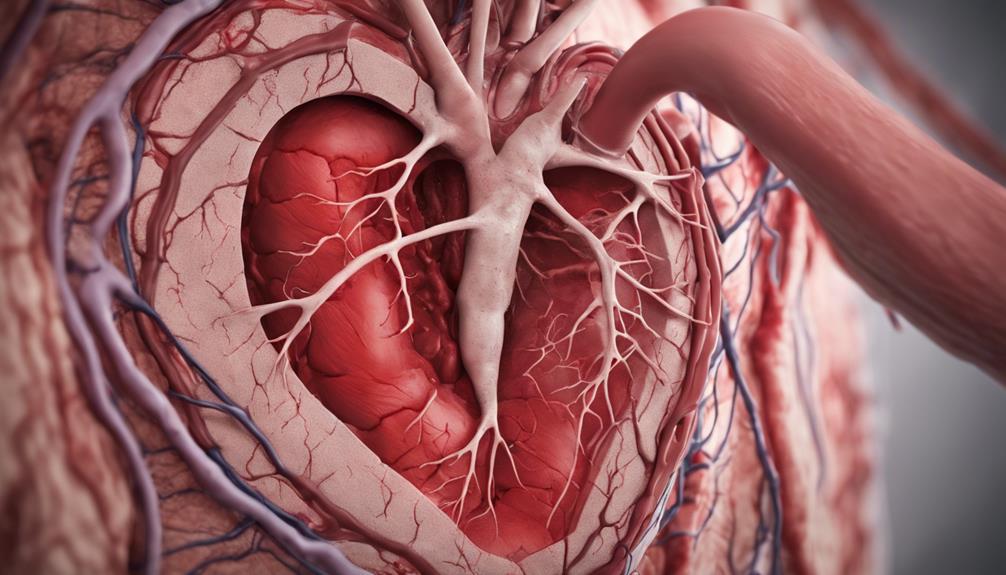

To support your cardiac rehab at home, focus on gentle exercises like walking or stretching that suit your fitness level. Pair these with stress management techniques such as deep breathing, meditation, and gentle yoga to promote relaxation. Improve your diet by eating more fruits, vegetables, and whole grains while cutting saturated fats and sodium. Developing consistent habits in these areas will boost your recovery and overall heart health—keep going to discover more effective strategies.
Key Takeaways
- Incorporate daily stress reduction techniques like deep breathing, meditation, and gentle yoga to support heart recovery at home.
- Engage in regular low-impact exercises such as walking or stretching, tailored to individual fitness levels.
- Adopt a heart-healthy diet rich in fruits, vegetables, whole grains, and lean proteins while reducing saturated fats and sodium.
- Establish consistent routines for stress management and healthy eating to make lifestyle changes sustainable.
- Use resources and tools, like food diaries and online guidance, to track progress and stay motivated in your cardiac rehab journey.

Have you considered how cardiac rehabilitation can fit into your home routine? It’s a practical way to take control of your recovery and improve your heart health without frequent trips to a clinic. One of the key aspects of a successful home-based program involves managing stress effectively. Stress management techniques, such as deep breathing exercises, meditation, and gentle yoga, can substantially reduce your heart’s workload. Incorporating these practices into your daily routine helps lower blood pressure and heart rate, which are essential for recovery. You might set aside a few minutes each morning or evening to focus on calming your mind and body, making stress management a natural part of your day. This not only enhances your overall well-being but also supports your physical efforts to strengthen your heart.
Alongside stress management, dietary modifications play an important role in your home cardiac rehab plan. Adopting a heart-healthy diet can be straightforward with simple adjustments. Focus on increasing your intake of fruits, vegetables, whole grains, and lean proteins while cutting back on saturated fats, sodium, and added sugars. Preparing meals at home allows you to control ingredients and portion sizes, ensuring you stick to your nutritional goals. Incorporating healthy fats from sources like nuts, seeds, and olive oil can also support your heart health. As you make these dietary changes, consider keeping a food diary to track your progress and identify areas for improvement. Small, consistent modifications can lead to meaningful health benefits over time, especially when combined with other lifestyle adjustments.
Integrating stress management and dietary modifications into your daily routine creates a thorough approach to cardiac rehab at home. You might start your day with a brief meditation session, followed by preparing a nutritious breakfast rich in fiber and healthy fats. Throughout the day, practice mindful eating, paying attention to hunger cues and savoring each bite. When stress arises, instead of letting it escalate, use your learned relaxation techniques to stay calm and centered. Over time, these habits become second nature, reinforcing your commitment to heart health. Remember, your home environment offers the flexibility to tailor your rehab activities to suit your preferences and schedule, making your recovery journey both manageable and sustainable. Additionally, understanding the importance of exercise and lifestyle changes can empower you to stay motivated and committed to your recovery.
heart-healthy food diary
As an affiliate, we earn on qualifying purchases.
As an affiliate, we earn on qualifying purchases.
Frequently Asked Questions
How Do I Stay Motivated During Home Cardiac Rehab?
To stay motivated during home cardiac rehab, set clear, achievable goals and remind yourself why you’re doing this. Track your progress regularly; celebrating small wins keeps you encouraged. Find activities you enjoy, whether walking, stretching, or gentle exercises, and incorporate them into your routine. Stay connected with your healthcare team for support, and remember that consistency builds confidence and helps you reach your recovery milestones.
Are There Specific Exercises for Different Age Groups?
You might think age-specific exercises aren’t necessary, but tailored rehab protocols can really boost your recovery. For example, older adults benefit from gentle, low-impact activities, while younger individuals might incorporate more vigorous exercises. Always consult your healthcare provider to guarantee your exercises suit your age and condition. By following age-specific exercises, you’ll stay safer, more motivated, and see better results on your cardiac rehab journey.
How Do I Monitor My Heart Rate Safely at Home?
You can monitor your heart rate safely at home by using wearable devices like fitness trackers or heart rate monitors. Check your heart rate regularly and aim to stay within your target heart rate zones, which vary based on your age and fitness level. Always listen to your body; if you feel dizzy or uncomfortable, slow down and rest. Keep a log to track your progress and discuss it with your healthcare provider.
What Should I Do if I Experience Chest Pain During Exercises?
If you feel chest pain during exercise, stop immediately and follow emergency procedures by calling 911 or seeking urgent medical help. Don’t ignore the pain or try to push through it. Check your medication management plan to verify you’re taking prescribed meds correctly, as they can influence symptoms. Rest in a comfortable position, stay calm, and wait for medical professionals to evaluate your condition.
Can I Combine Home Rehab With Other Fitness Programs?
Think of your fitness journey as building a garden. You can plant different flowers—home rehab exercises and other fitness programs—but you need to make certain they’re compatible. Combining programs requires careful planning for exercise compatibility and program customization. Talk with your healthcare provider to create a tailored plan that harmonizes your rehab with other activities, ensuring safe progress without overtaxing your heart.
gentle yoga for heart health
As an affiliate, we earn on qualifying purchases.
As an affiliate, we earn on qualifying purchases.
Conclusion
Taking charge of your recovery at home can be both empowering and effective. Incorporate gentle exercises and healthy lifestyle changes to support your heart health. Did you know that, according to studies, cardiac rehab at home can reduce the risk of future heart events by up to 40%? Staying committed to your plan not only boosts your recovery but also improves your overall well-being. Remember, every small step you take brings you closer to a healthier, happier heart.
low-impact walking shoes for seniors
As an affiliate, we earn on qualifying purchases.
As an affiliate, we earn on qualifying purchases.
meditation cushion for beginners
As an affiliate, we earn on qualifying purchases.
As an affiliate, we earn on qualifying purchases.