

To assist with heart medications, establish a consistent routine for administering doses and use pill organizers to prevent missed or double doses. Keep a detailed schedule and monitor for side effects like dizziness or nausea, reporting any concerns to healthcare providers promptly. Stay informed about each medication’s purpose and possible reactions, and encourage open communication. Supporting adherence and safety is essential; if you keep these tips in mind, you’ll learn more ways to provide effective care.

Turn quiet afternoons into listening time
- Thousands of audiobooks, podcasts and originals
- Listen on your phone, tablet or Echo — also offline
- Cancel anytime
Key Takeaways
- Establish a consistent medication routine and use pill organizers to prevent missed doses.
- Educate the patient about their medications’ purpose, side effects, and proper administration.
- Use electronic reminders or alarms to help the patient adhere to scheduled medication times.
- Monitor for side effects like dizziness or fatigue, and communicate any concerns to healthcare providers.
- Offer emotional support and reassurance to reduce anxiety and promote adherence to treatment.
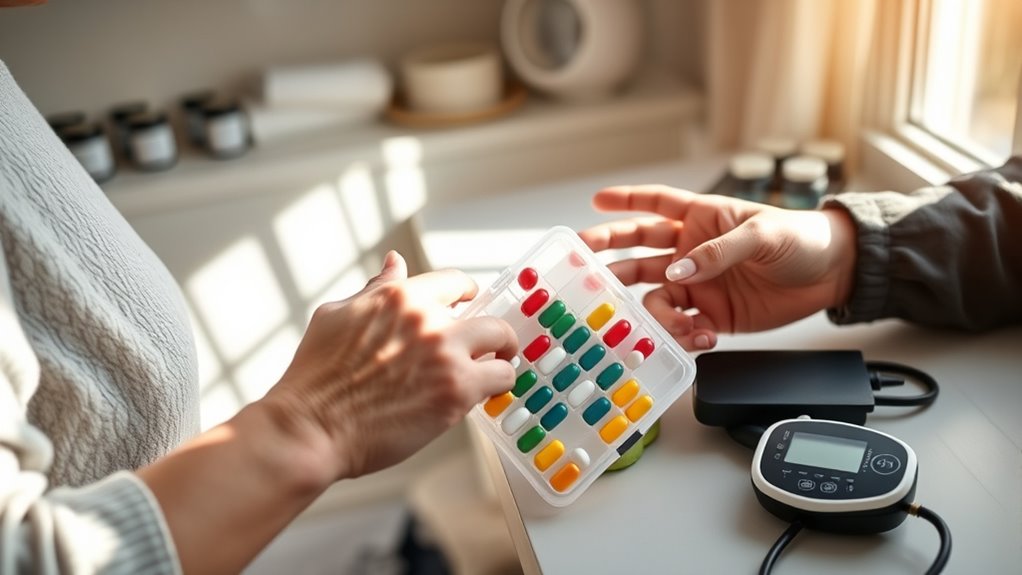
Caring for someone with heart medication requires attention and understanding, as managing these drugs is essential to their health and well-being. One of your main roles is to guarantee medication adherence, which means helping your loved one take their medications exactly as prescribed. This involves setting up a clear routine, using pill organizers, and reminding them when it’s time to take their dose. Staying consistent is fundamental because skipping doses or taking them incorrectly can compromise their treatment and possibly lead to serious health issues. To support medication adherence, you might also keep a medication schedule, track missed doses, and communicate regularly with their healthcare provider to clarify instructions or address any concerns. By maintaining strict adherence, you help prevent complications like worsening heart conditions or hospitalizations. Incorporating automation in healthcare tools, such as electronic reminders or digital monitoring devices, can further support consistent medication management.
Managing side effects is another essential part of your caregiving responsibilities. Heart medications can sometimes cause unwanted effects, such as dizziness, fatigue, or gastrointestinal discomfort. Your role is to be vigilant for these symptoms and respond promptly. If your loved one reports new or worsening side effects, encourage them to share this information with their healthcare provider, who might adjust the dosage or switch medications. Meanwhile, you can help manage mild side effects by offering supportive measures, like ensuring they stay hydrated if they experience dizziness or providing small, frequent meals if they encounter stomach upset. It’s important to monitor and document any side effects, so you can accurately describe them to the medical team. Never attempt to alter or stop medications without consulting a healthcare professional, as doing so can be dangerous.
Furthermore, educating yourself about the specific medications your loved one takes is essential. Know the purpose of each drug, potential side effects, and what to do in case of adverse reactions. Read labels carefully, understand the timing and dosage, and keep a list of medications handy for emergencies. If your loved one has difficulty swallowing pills or remembering doses, discuss possible solutions with their doctor, such as alternative forms or extra reminders. Comfort and reassurance go a long way in helping them feel supported and less anxious about their treatment.
pill organizer for medication management
As an affiliate, we earn on qualifying purchases.
As an affiliate, we earn on qualifying purchases.
Frequently Asked Questions
How Can I Tell if the Medication Is Working Effectively?
You can tell if the medication is working effectively by monitoring symptom improvement and tracking any changes in your loved one’s condition. Watch for reduced chest pain, less shortness of breath, and increased energy levels. Keep a journal of these observations and report them to the healthcare provider regularly. If symptoms worsen or new issues arise, contact the doctor promptly. Consistent monitoring helps verify the medication’s effectiveness and guides necessary adjustments.
What Should I Do if My Loved One Misses a Dose?
Did you know that nearly 20% of medication errors involve missed doses? If your loved one misses a dose, don’t panic. Check their medication reminders to see when it was missed. If it’s close to the scheduled time, give the missed dose unless advised otherwise. If it’s been a long time, contact their healthcare provider for guidance. Never double up on doses without professional advice.
Are There Any Foods or Drinks to Avoid While on These Medications?
You should avoid foods high in salt, saturated fats, and grapefruit, as they can interfere with your medications. Also, be mindful of alcohol interactions, since drinking alcohol can increase side effects or reduce medication effectiveness. Always check your healthcare provider’s dietary restrictions and consult them if you’re unsure about certain foods or drinks. Staying informed helps you maintain your loved one’s health and guarantees the medications work properly.
How Do I Handle Side Effects or Adverse Reactions?
If you notice side effects or adverse reactions, stop the medication and contact the healthcare provider immediately. Be aware of medication interactions that could worsen symptoms, and avoid self-medicating with alternative remedies without approval. Keep a detailed record of what you experience, including timing and severity, to share with the healthcare team. This helps them determine if adjustments are needed, ensuring your loved one’s safety and well-being.
When Should I Contact a Healthcare Professional About Medication Concerns?
You should contact a healthcare professional immediately if you notice medication interactions or emergency symptoms like chest pain, severe dizziness, or shortness of breath. Don’t wait for problems to worsen; your vigilance matters. If you’re unsure about side effects or suspect adverse reactions, reach out promptly. Your quick action can prevent complications, ensuring your loved one stays safe and healthy. Always trust your instincts and seek help when in doubt.
Conclusion
Remember, as a caregiver, you’re the steady lighthouse guiding your loved one through the turbulent seas of heart medication management. Stay organized, communicate clearly, and monitor their health closely. Your attentiveness keeps their journey safe and smooth, like a gentle hand steadying a fragile vessel. With your care and vigilance, you help their health shine brighter, steering them toward calmer waters and a healthier future.
Fall Picks
fall essentials
As an affiliate, we earn on qualifying purchases.