
Losing mobility can deeply affect your loved one’s emotions, leading to frustration, sadness, anxiety, and feelings of helplessness. As a caregiver, you can support their well-being by recognizing signs of emotional struggles, offering compassionate conversations, and creating a supportive environment. Encouraging social engagement and celebrating small victories boost confidence. If you understand how to address these feelings and seek professional help when needed, you’ll better help them adapt and thrive through this challenge.
Key Takeaways
- Recognize emotional signs like withdrawal, sadness, and frustration to address mental health alongside physical recovery.
- Provide empathetic listening and validation to help individuals cope with feelings of loss and hopelessness.
- Encourage social engagement and support groups to reduce isolation and foster shared understanding.
- Create a safe, adapted environment to promote comfort, independence, and emotional well-being.
- Offer professional counseling and holistic care to support emotional resilience and long-term mental health.

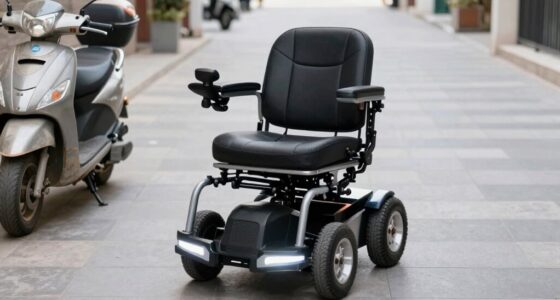
Vive 4 Wheel Mobility Scooter – Electric Powered Wheelchair Device – Compact Heavy Duty Mobile for Travel, Adults, Elderly – Long Range Power Extended Battery with Charger & Basket
SAFELY NAVIGATE SMOOTH SURFACES: Easily maneuver over smooth indoor surfaces and rough outdoor surface with the Vive 4-Wheel…
As an affiliate, we earn on qualifying purchases.
As an affiliate, we earn on qualifying purchases.
How Losing Mobility Affects Your Loved One’s Emotions

Losing mobility can deeply impact your loved one’s emotional well-being, often leading to feelings of frustration, sadness, and helplessness. It challenges their emotional resilience, making it harder to cope with daily setbacks. As they face barriers to independence, they may withdraw socially, feeling isolated or less engaged with friends and family. This loss of social engagement can intensify feelings of loneliness and diminish their sense of purpose. Encouraging small steps toward maintaining social connections helps strengthen their emotional resilience, providing reassurance and a sense of normalcy. Understanding the role of electric dirt bikes in adaptive recreation can also offer new avenues for activity and engagement. Supporting them in staying socially active and fostering emotional strength can make a significant difference, helping your loved one navigate their new reality with greater confidence and better mental health. Recognizing the importance of physical activity contributes to their overall emotional well-being and can aid in maintaining their independence. Incorporating aquatic exercise into their routine can provide a safe and enjoyable way to promote mobility and boost their mood. Additionally, engaging in adaptive sports tailored to their abilities can foster a sense of achievement and community involvement. Moreover, integrating modern assistive technology can empower your loved one to regain some independence and improve their quality of life.

MDODM Pedal Exerciser Bike for Seniors, Arm Leg Hand and Knee Elderly Exercise Equipment, Sitting Home Exercise Machine for Total Body, Upper and Lower Limb Trainer
Full Body Exercise: This pedal exercise bike for seniors delivers a full body workout, including cross-body movement of…
As an affiliate, we earn on qualifying purchases.
As an affiliate, we earn on qualifying purchases.
Recognizing Signs of Frustration, Depression, and Anxiety in Mobility Challenges

When your loved one faces mobility challenges, their emotional responses can become more complex and harder to recognize. Emotional triggers, such as frustration over limited independence or feelings of helplessness, often lead to behavioral cues like withdrawal, irritability, or tears. Watch for sudden changes in mood or reluctance to engage in activities they once enjoyed. Signs of depression may include persistent sadness, loss of interest, or fatigue, while anxiety can show up as restlessness or excessive worry about future mobility. Understanding these cues helps you identify when your loved one is struggling emotionally. Being attentive to these signs allows you to respond with compassion and support, helping them feel understood and less isolated in their experience. Additionally, being aware of emotional health strategies can enhance your ability to provide effective care and reassurance.

Mobility of Visually Impaired People: Fundamentals and ICT Assistive Technologies
As an affiliate, we earn on qualifying purchases.
As an affiliate, we earn on qualifying purchases.
How to Support Your Loved One’s Emotional Well-Being During Mobility Loss

Supporting your loved one’s emotional well-being during mobility loss involves active listening, empathy, and reassurance. You can help build their emotional resilience by encouraging open conversations about their feelings, validating their experiences, and offering consistent support. To foster their sense of social engagement, facilitate connections with friends, family, or support groups, even if remotely. Consider these strategies:
Support your loved one through active listening, empathy, and connecting them socially to strengthen their emotional resilience.
- Listen without judgment to their concerns and fears.
- Encourage activities that promote independence and achievement.
- Connect them with others facing similar challenges for shared understanding.
- Celebrate small victories to boost confidence and morale.
ergonomic support cushions for wheelchairs
As an affiliate, we earn on qualifying purchases.
As an affiliate, we earn on qualifying purchases.
Creating a Supportive Environment to Ease the Transition

Creating a supportive environment plays a crucial role in making the shift smoother for your loved one. Start with environmental modifications that reduce hazards and increase accessibility, such as installing grab bars, removing clutter, and ensuring good lighting. These changes help your loved one feel safer and more independent. Equally important is promoting social engagement; encourage activities that connect them with friends, family, or community groups. Regular social interaction boosts their mood and reduces feelings of isolation. Keep spaces warm and inviting, and adapt them to your loved one’s needs to foster comfort. Incorporating innovative European cloud servers can also support remote monitoring and communication tools, enhancing safety and connectivity. By blending thoughtful environmental modifications with ongoing social engagement, you create an atmosphere that supports both physical safety and emotional well-being, easing their transition into this new chapter. Additionally, understanding the importance of the psychology of loss can help caregivers tailor their approach to emotional support during this period. Recognizing how loss impacts mental health enables caregivers to better address emotional challenges and foster resilience.
Communicating With Compassion: Talking About Feelings and Fears

Talking about feelings and fears can be challenging, but approaching these conversations with compassion makes a significant difference. Use mindful listening to truly hear their concerns without interrupting or offering immediate solutions. Employ empathetic language to validate their emotions, making them feel understood and safe. To foster meaningful dialogue, consider these strategies:
- Maintain eye contact and open body language to show engagement.
- Reflect their emotions to demonstrate understanding.
- Ask gentle, non-judgmental questions to encourage sharing.
- Avoid dismissive phrases; instead, acknowledge their feelings sincerely.
- Recognize the importance of emotional validation in building trust and openness during conversations. Incorporating trust-building techniques can further enhance communication and comfort levels. Engaging in activities like landscaping or outdoor seating can also create a relaxed environment conducive to open dialogue.
Practical Ways to Maintain Dignity and Foster Independence

When someone shares their fears and feelings about losing mobility, it’s important to focus on actions that help preserve their sense of self-worth and independence. You can encourage use of assistive devices, which empower them to perform daily tasks confidently. Promoting social engagement also maintains connection and dignity, preventing feelings of isolation. Here’s a quick guide:
| Action | Benefit |
|---|---|
| Introduce assistive devices | Boosts independence and self-esteem |
| Encourage social activities | Reinforces connection and emotional well-being |
| Set achievable goals | Fosters a sense of accomplishment |
| Respect their routines | Preserves familiarity and comfort |
| Offer choices | Reinforces control over their life |
Implementing home backup power solutions can also ensure that mobility aids and medical devices remain operational during outages, further supporting independence and safety. Additionally, understanding the emotional impact of mobility loss can help caregivers provide more compassionate support. Recognizing the importance of home safety measures can significantly reduce fall risks and create a secure environment. Incorporating assistive technology can further enhance their ability to perform daily activities with confidence. Cultivating a supportive environment that acknowledges their feelings promotes emotional well-being, which is essential for maintaining dignity and fostering independence. These practical steps help maintain dignity while fostering independence.
Knowing When to Seek Professional Help for Mobility-Related Emotional Issues

Recognizing the signs that emotional struggles related to mobility are worsening is essential, as these issues can considerably impact overall well-being. You should consider seeking professional counseling if you notice persistent feelings of hopelessness or severe anxiety that interfere with daily life. Watch for increased social withdrawal or loss of interest in activities you once enjoyed. If mood swings, anger, or frustration become intense and unmanageable, it’s a clear cue to get help. Support groups can also be invaluable, offering connection and shared understanding. Consider reaching out if you experience:
- Persistent sadness or depression
- Feelings of isolation or loneliness
- Difficulty coping with emotional distress
- Worsening anxiety or agitation
Being aware of emotional health, especially in the context of mobility challenges, is crucial for overall well-being and recovery. Recognizing that emotional well-being can be influenced by mental health management strategies, such as counseling or peer support, can make a significant difference in adapting to mobility changes. Incorporating holistic care approaches that address both physical and emotional needs can enhance recovery outcomes. Additionally, understanding the role of AI discoveries in healthcare innovations can offer new perspectives on treatment options and support systems. Moreover, staying informed about nutritional influences can also positively impact emotional resilience during recovery.
Self-Care Tips for Caregivers Supporting Loved Ones With Mobility Loss

Supporting a loved one with mobility loss can be physically and emotionally demanding, making it essential for caregivers to prioritize their own well-being. Incorporate regular exercise routines into your schedule to boost your energy and reduce stress. Even gentle activities like walking or stretching can make a difference. Equally important is maintaining proper nutritional support—eat balanced meals to sustain your strength and mood. Stay hydrated, too, as dehydration can worsen fatigue. Remember, self-care isn’t selfish; it’s necessary to provide the best care for your loved one. Taking time for yourself helps prevent burnout and improves your resilience. By nurturing your body and mind, you’ll be better equipped to navigate the challenges of caregiving with patience and compassion. Incorporating fiber-rich foods into your diet can also support your digestive health and overall well-being. Recognizing the importance of self-care can lead to improved mental health and a more positive caregiving experience. Additionally, understanding the science behind mobility loss can help caregivers develop more effective and compassionate support strategies.
Resources and Tools to Help Navigate Emotional Challenges of Mobility Decline

Finding the emotional challenges of mobility decline can feel overwhelming, but numerous resources and tools are available to provide support and guidance. Assistive technology, such as mobility aids and communication devices, can boost independence and reduce frustration. Peer support groups connect you with others facing similar experiences, offering emotional comfort and practical advice. Additionally, online forums and communities provide accessible spaces to share feelings and learn coping strategies. Professional counseling or therapy can help process grief and anxiety related to mobility loss. Educational programs about assistive devices and emotional resilience empower both you and your loved one to navigate this changeover more confidently. Incorporating emotional resilience techniques into daily routines can further enhance coping skills. Using these tools, you can foster a supportive environment that alleviates emotional burdens and promotes well-being.
Building Resilience: Helping Your Loved One Adapt and Thrive

Building resilience in your loved one is essential to helping them adapt and thrive despite mobility challenges. You can do this by encouraging adaptive strategies that promote independence and confidence. For example, assist them in developing routines that accommodate their new limitations or explore assistive devices that make daily tasks easier. Fostering emotional resilience is equally important; listen actively to their concerns, validate their feelings, and celebrate small victories. Help them focus on what they can still do rather than what they’ve lost. By creating a supportive environment and empowering them with practical tools, you enable your loved one to face setbacks with strength and optimism. Building resilience is about guiding them to develop skills that help them adapt, flourish, and regain control over their lives.
Frequently Asked Questions
How Can Caregivers Prevent Feelings of Isolation in Mobility-Challenged Loved Ones?
You can prevent feelings of isolation by encouraging social engagement and providing emotional support. Regularly arrange visits, phone calls, or virtual chats to keep your loved one connected. Involve them in group activities suited to their mobility level, and listen empathetically to their concerns. Your active effort to foster connection helps boost their emotional well-being, making them feel valued and less alone despite mobility challenges.
What Are Effective Communication Strategies for Discussing Mobility Fears?
When discussing mobility fears, you should practice active listening and provide emotional validation. Show empathy by acknowledging their feelings without judgment, and ask open-ended questions to encourage sharing. Use gentle, reassuring language to help them feel understood and supported. By actively listening and validating emotions, you help reduce anxiety and foster trust, making it easier for them to express concerns and feel more comfortable discussing their fears openly.
How Does Mobility Loss Impact a Loved One’s Identity and Self-Esteem?
When your loved one loses mobility, it can deeply affect their self-esteem and cause identity shifts. They might feel less independent or struggle with feelings of vulnerability, which impacts how they see themselves. You can support them by encouraging their strengths, celebrating small achievements, and fostering a sense of purpose. Reminding them of their worth helps rebuild confidence and stabilizes their sense of identity during this challenging progression.
What Community Resources Are Available to Support Emotional Health During Mobility Decline?
You can find support groups and mental health resources to help cope with mobility decline. Local community centers, hospitals, and online platforms often offer support groups tailored for seniors or those experiencing similar challenges. These groups provide emotional connection and understanding, helping you feel less isolated. Additionally, mental health professionals can offer counseling or therapy to build resilience and manage the emotional impacts of mobility loss effectively.
How Can Technology Assist in Maintaining Independence and Emotional Well-Being?
Technology acts as a bridge over troubled waters, helping you stay independent and emotionally resilient. Assistive devices like mobility aids and smart home systems support daily tasks, while virtual reality offers immersive experiences that boost mood and mental engagement. Together, these tools empower you to maintain a sense of control, foster connections, and enjoy life more fully, proving that tech can be a true lighthouse guiding you through challenging times.
Conclusion
Understanding the emotional impact of mobility loss is key to supporting your loved one effectively. Some experts believe that fostering resilience and emotional connection can considerably improve their well-being. While this theory is promising, research suggests personalized care and compassion make the biggest difference. By staying attentive, communicating openly, and seeking help when needed, you can empower your loved one to adapt, thrive, and find new sources of strength amid challenges.