To help seniors regain confidence with balance issues, start by making their home safer with proper lighting, removing hazards, and installing support devices like grab bars. Encourage simple, daily balance exercises and use assistive tools such as canes or orthotic insoles. Celebrate small progress to boost confidence, and seek professional help if problems worsen. If you want practical tips for creating a safer environment and boosting their independence, keep going for helpful ideas.

Turn quiet afternoons into listening time
- Thousands of audiobooks, podcasts and originals
- Listen on your phone, tablet or Echo — also offline
- Cancel anytime
Key Takeaways
- Encourage regular balance exercises like seated leg lifts and heel-to-toe walks to build stability and confidence.
- Ensure the home environment is safe by removing hazards and installing supportive devices like grab bars.
- Use properly fitted supportive devices and footwear to enhance mobility and reduce fear of falling.
- Celebrate small achievements to foster motivation and reinforce progress in balance and confidence.
- Seek professional assessments and guidance for personalized strategies and to address underlying health issues.
As an affiliate, we earn on qualifying purchases.
Why Do Balance Issues Happen in Seniors?
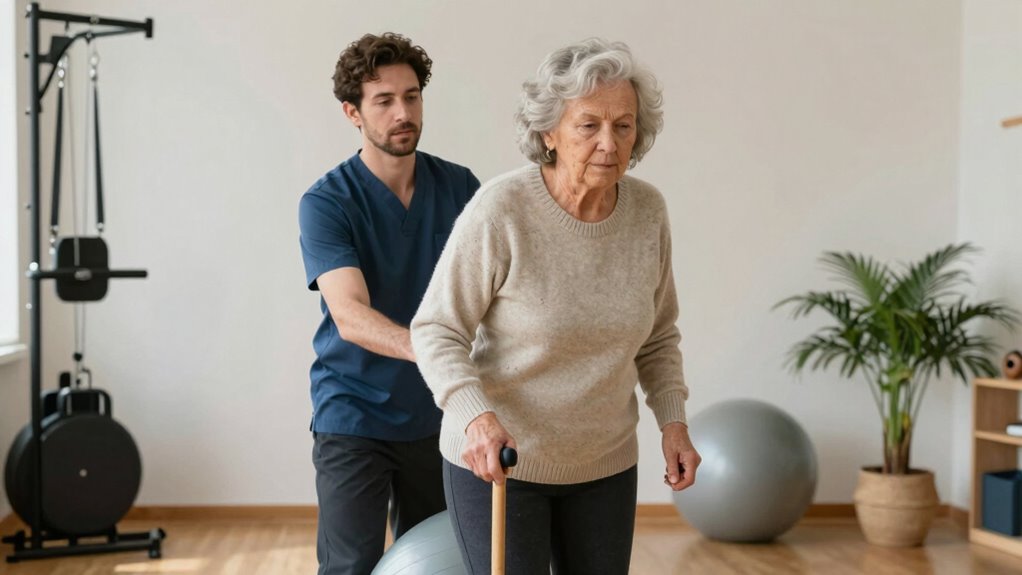
As people age, their balance can become less stable due to a combination of physical and neurological changes. Neurological decline affects your brain’s ability to process signals that coordinate movement and maintain stability, making you more prone to falls. Additionally, medication side effects can impair coordination, cause dizziness, or reduce alertness, further compromising balance. These factors often work together, increasing your risk of instability and falls. Age-related muscle weakness and joint stiffness also contribute, but neurological issues and medications are key reasons why balance issues develop in seniors. Understanding these underlying causes helps you recognize why your balance might be slipping and underscores the importance of managing medications carefully and seeking medical advice when needed. Recognizing Neurological decline as a major factor emphasizes the need for targeted interventions to improve stability. It’s also important to understand how balance training and assistive devices can help mitigate these risks. Moreover, incorporating sound therapy techniques, like rhythmic auditory stimulation, may support neurological health and enhance balance over time.
How to Assess Safety and Mobility Before Starting Balance Exercises
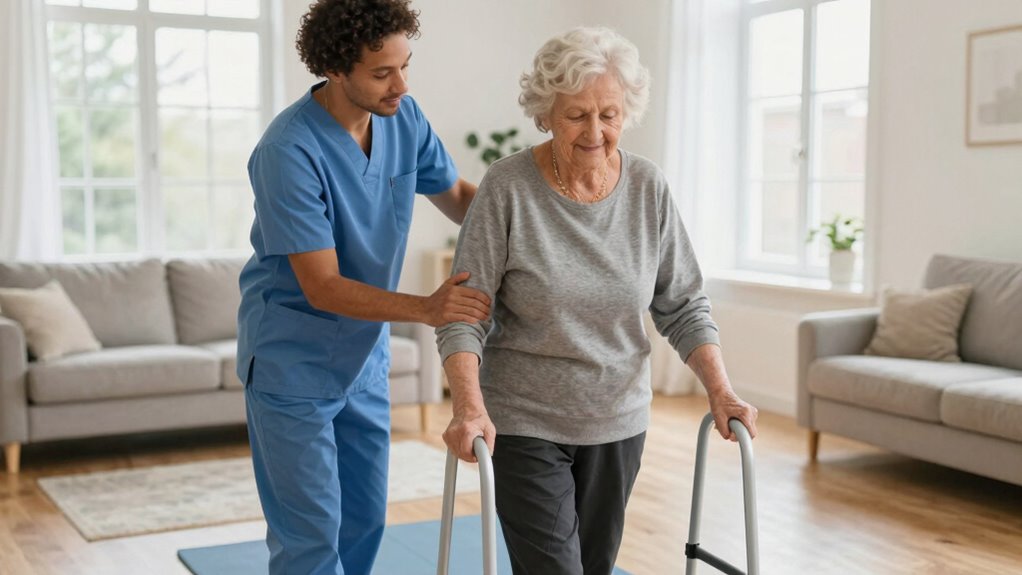
Before starting balance exercises, it’s important to evaluate your safety and mobility. Begin with a thorough home safety check to identify hazards like loose rugs, clutter, or poor lighting that could cause falls. Conduct a mobility assessment by noting how easily you can stand up, walk, and shift between positions. Are your muscles strong enough? Do you feel steady when moving around? Be honest about any dizziness or discomfort. If you notice issues with your home safety or mobility, address these concerns first. Ensuring your environment is secure and understanding your current mobility level helps prevent injuries and builds confidence. This careful assessment sets a solid foundation before you begin any balance exercises. Incorporating simple organizational strategies can also help create a safer, more supportive environment for practicing your exercises. Additionally, understanding the importance of proper footwear can significantly impact your stability and safety during exercises. Taking steps to improve your home safety features can further reduce fall risks and support your progress. Remember, implementing vision safety measures can also enhance your overall stability and confidence during mobility activities.
Making Your Home Safer to Prevent Falls
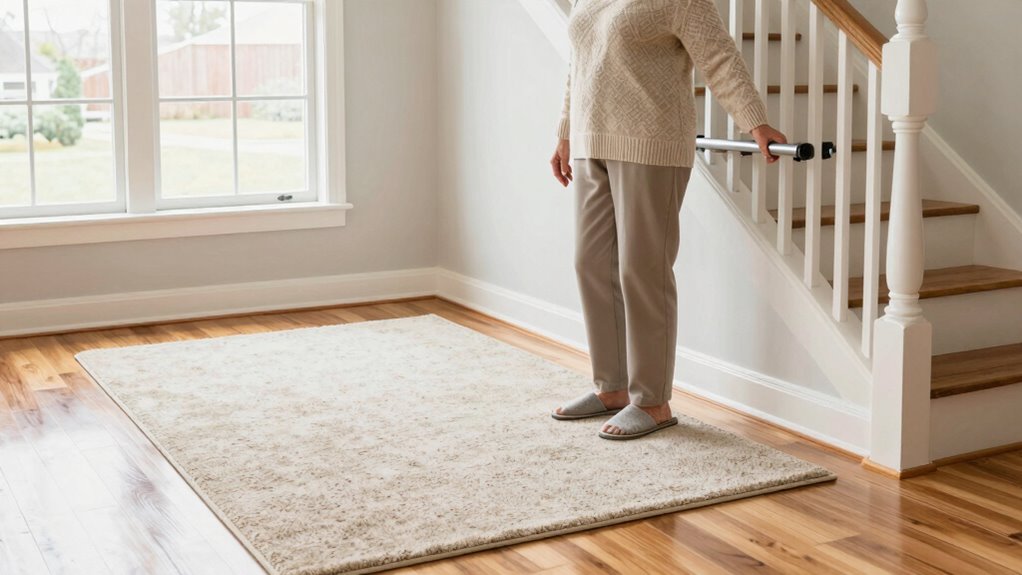
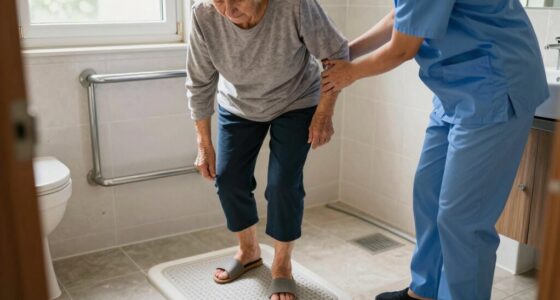
To make your home safer and reduce fall risks, start by removing tripping hazards like loose rugs and clutter. Installing supportive devices such as grab bars and handrails can provide extra stability. Also, guarantee your lighting is bright and even to help you see clearly and navigate safely. Incorporating home safety tips can further minimize hazards and promote confidence. Using air purifiers to maintain clean indoor air can also support respiratory health and overall well-being for seniors. Additionally, selecting a whole-house water filtration system can ensure access to cleaner water, reducing exposure to contaminants that may affect balance and health. Implementing sustainable living practices like proper food storage and water purification systems can empower seniors to maintain independence and resilience in their daily routines. Exploring navigation and mapping explainers from household robotics can offer innovative ways to assess and improve your home’s safety features.
Remove Tripping Hazards
Removing tripping hazards is one of the most effective ways to make your home safer for seniors with balance issues. Start by clearing clutter, loose rugs, and electrical cords that can cause falls. Be mindful of medication side effects that might cause dizziness or impaired coordination, making hazards harder to see or avoid. Additionally, address vision impairments by ensuring all walkways are well-lit and free of obstacles. Use non-slip mats in the bathroom and kitchen to prevent slips. Secure loose carpets or remove them altogether. Keep pathways clear, especially around frequently used areas. Regularly check for hazards that could cause a senior to trip or fall. Understanding home safety systems and how they work can further help prevent accidents. Researching assistive devices can also provide additional support for maintaining balance and independence. Implementing fall prevention strategies that are tailored to individual needs can significantly reduce fall risks and promote confidence. Taking these steps will greatly reduce the risk of falls and boost confidence in moving around the home. Incorporating home modifications can further enhance safety measures and provide peace of mind. To maximize safety, consider consulting professionals who specialize in senior home safety assessments for personalized recommendations.
Install Supportive Devices
Installing supportive devices is a practical way to make your home safer for seniors with balance issues. Using assistive technology and adaptive equipment, you can reduce fall risks and boost confidence. Grab grab bars for bathrooms, stair handrails, and non-slip mats to create a secure environment. These devices provide stability and support where needed most. Consider practical tools like walkers or canes to enhance mobility. Here’s a quick overview:
| Device Type | Purpose |
|---|---|
| Grab Bars | Prevent falls in bathrooms |
| Non-slip Mats | Increase traction on floors |
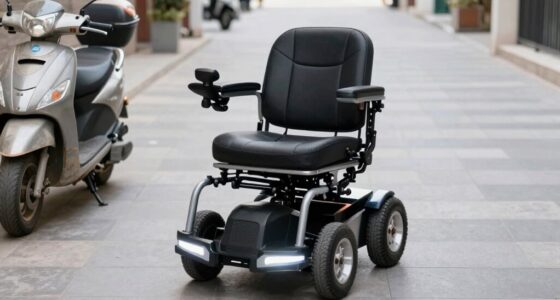
| Walkers or Canes | Improve walking stability |
| Adaptive Equipment | Enhance daily safety |
Additionally, understanding testing methodologies can help in evaluating the effectiveness of these safety devices and ensuring they meet quality standards. Proper installation techniques are essential to maximize safety and prevent potential hazards. Regular maintenance and proper installation of supportive devices are crucial for ensuring ongoing safety and effectiveness. Ensuring that installation procedures are followed correctly can significantly improve the safety and longevity of these devices. Implementing user training can also enhance seniors’ confidence in using these aids effectively.
Ensure Adequate Lighting
Is your home bright enough to keep seniors safe? Proper lighting visibility is essential to help seniors navigate spaces confidently. Insufficient lighting can hide obstacles and create shadows that obscure visual cues, increasing fall risk. Make sure all areas, including hallways, staircases, and bathrooms, are well-lit with bright, glare-free bulbs. Use nightlights in bedrooms and bathrooms to provide gentle illumination during nighttime visits. Consider installing adjustable lighting controls so seniors can easily increase brightness when needed. Consistent lighting helps seniors recognize potential hazards quickly, reducing confusion and hesitation. Additionally, incorporating timeless style guidance into lighting fixtures can enhance home aesthetics without compromising safety. Proper lighting also plays a crucial role in home safety, by improving overall visibility and alertness. Research shows that good lighting reduces fall risk and supports independence for seniors. By improving lighting visibility and emphasizing clear visual cues, you create a safer environment that promotes independence and minimizes fall risks. Ensuring adequate lighting levels throughout the home is a vital step in fall prevention and maintaining seniors’ confidence in their daily routines.
Simple Balance Exercises for Seniors to Try at Home
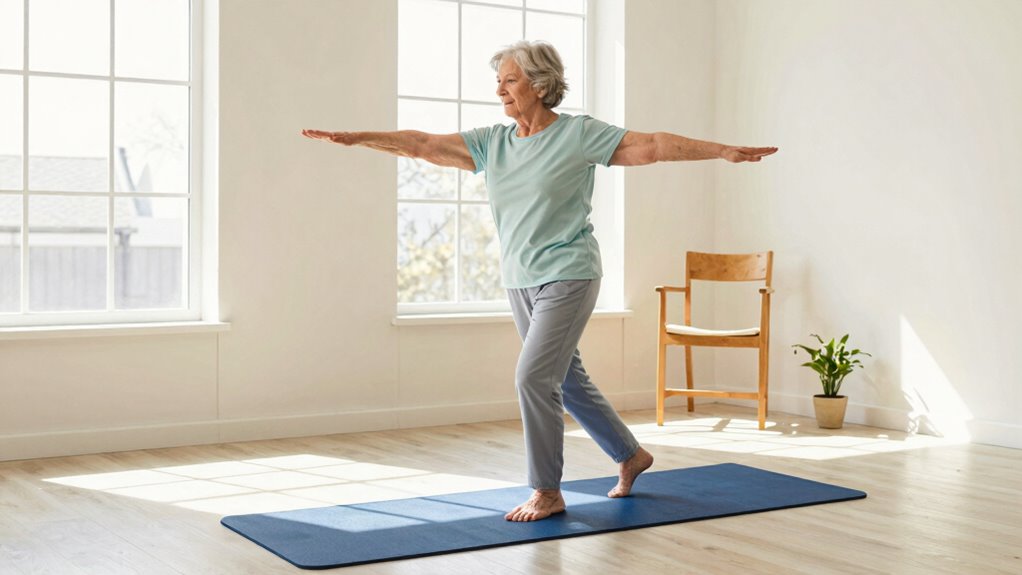
To help improve your balance at home, try simple exercises that are easy to do and require no special equipment. These exercises can boost your fall prevention efforts and enhance your strength training routine. Begin with seated leg lifts: sit in a sturdy chair and lift one leg at a time, holding briefly before lowering. Next, practice heel-to-toe walking along a straight line to improve stability. Stand near a wall or chair for support as you gently shift your weight from one foot to the other. Incorporate gentle ankle circles to enhance joint flexibility. These exercises strengthen key muscles involved in balance and help you regain confidence in everyday movements. Consistency is key—perform these routines daily or several times a week for best results.
How to Build Confidence With Small Progresses
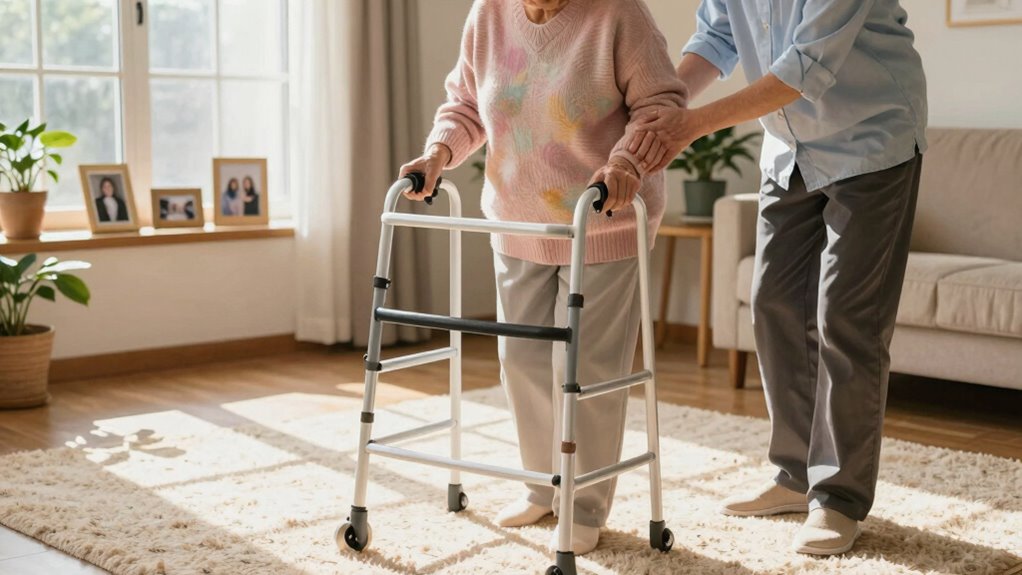
Building confidence in your balance exercises happens best when you recognize and celebrate small wins along the way. Confidence building is rooted in acknowledging your gradual progress, no matter how minor it may seem. Each successful step, like holding a pose a little longer or feeling steadier during a walk, boosts your motivation. Remember, progress takes time, and small improvements are signs that your body is adapting. Focus on these achievements instead of only the end goal. By celebrating each milestone, you reinforce positive feelings and reduce fear of falling. This mindset helps you stay committed and encourages continued effort. Over time, these small steps will add up, fostering greater confidence in your balance and everyday movements.
Assistive Devices and Support Tools to Improve Balance
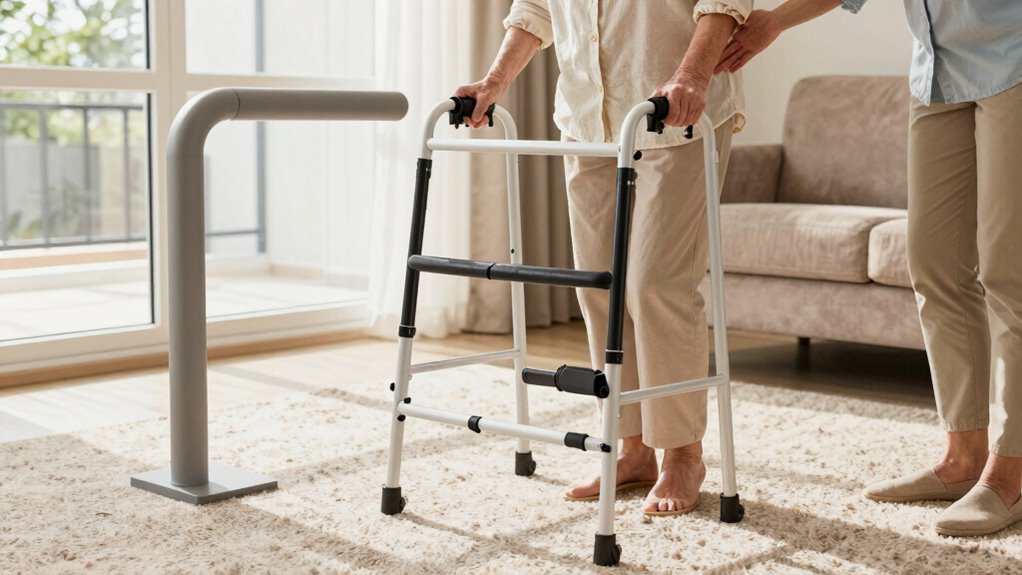
Using the right walking aids and canes can provide much-needed stability and confidence. Supportive shoes and insoles also play a key role in maintaining balance during daily activities. Together, these devices help reduce the risk of falls and promote safer mobility.
Walking Aids and Canes
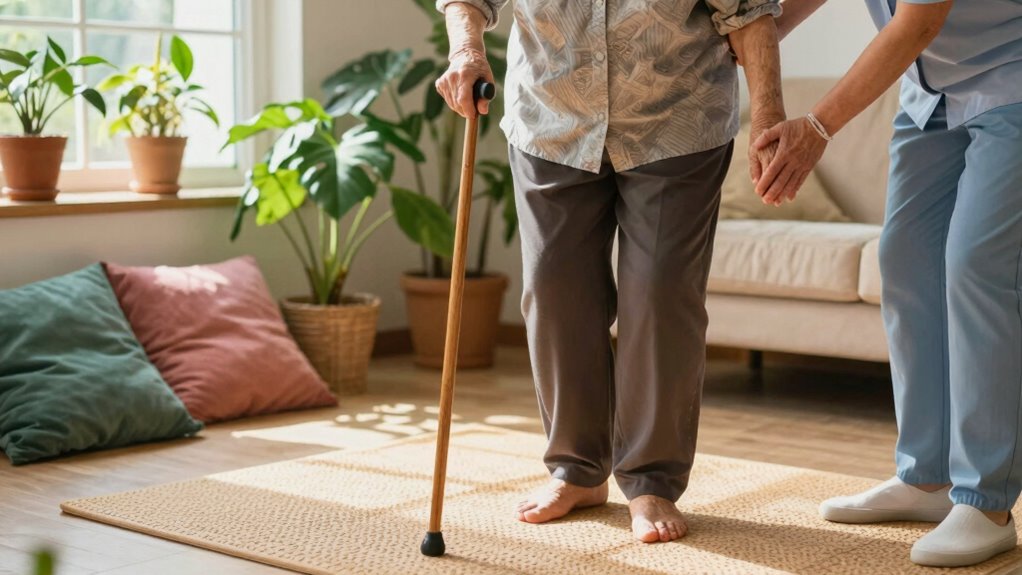
Walking aids and canes serve as essential tools for seniors seeking to improve their stability and prevent falls. These devices provide support, helping you feel more confident while walking. Choosing the right walking aids, like canes, depends on your specific needs and balance level. Canes are versatile and easy to use, offering extra support on one side. They can help you navigate uneven surfaces or tricky stairs. When selecting a cane, make sure it fits properly—your elbow should bend slightly when holding the grip. Using walking aids correctly can reduce fear of falling and encourage more independent movement. Remember, proper guidance from a healthcare professional is key to finding the right device and learning how to use it safely.
Supportive Shoes and Insoles
Supportive shoes and insoles play a crucial role in enhancing your balance and reducing the risk of falls. Choosing the right supportive footwear ensures your feet are stable and properly aligned, which improves overall stability. Orthotic insoles can be customized to fit your foot’s unique shape, providing extra arch support and cushioning where needed. These insoles help correct gait issues and distribute pressure evenly, preventing discomfort and instability. When selecting shoes, opt for styles with non-slip soles, a firm heel counter, and a wide toe box for comfort. Incorporating orthotic insoles into your daily footwear can make a significant difference in your confidence and safety, helping you move more securely and independently.
When to Consult a Professional About Balance Concerns
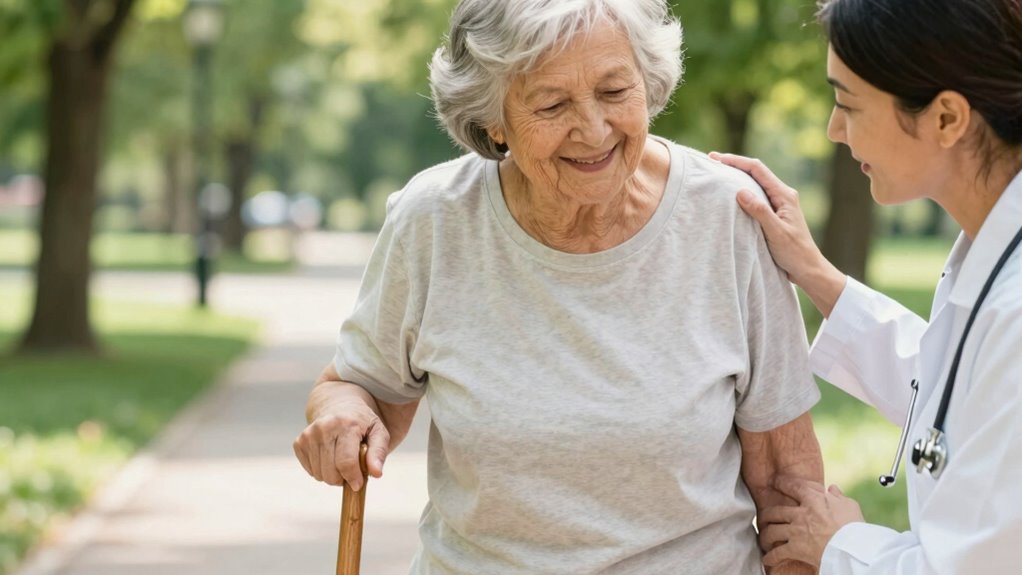
If you notice your balance problems persist or worsen over time, it’s important to consult a professional promptly. Delaying help can increase the risk of falls and injuries. Consider reaching out if you experience dizziness, frequent falls, or difficulty with daily activities. A healthcare provider can assess your condition and recommend appropriate steps, such as tailored balance training or a medication review to identify side effects affecting your stability. They might also suggest physical therapy or further testing. Remember, early intervention can restore confidence and prevent accidents. Don’t hesitate to seek professional advice if your balance issues continue, especially if they interfere with your independence. Addressing these concerns promptly ensures you get the support needed to regain stability safely.
Frequently Asked Questions
Can Diet Impact Balance and Fall Risk in Seniors?
Yes, your diet can impact balance and fall risk in seniors. Nutritional supplements may help fill gaps in essential nutrients like vitamin D and calcium, which support bone health and muscle strength. Dietary restrictions, however, might limit nutrient intake, increasing fall risk. You should aim for a balanced diet rich in fruits, vegetables, and lean proteins, and consult a healthcare professional about supplements to improve overall stability and confidence.
How Does Medication Affect Seniors’ Balance and Stability?
Medications can critically impact your balance and stability, sometimes causing side effects like dizziness or weakness that feel like a tidal wave. Drug interactions can worsen these effects, making you more prone to falls. It’s essential to review your medications regularly with your healthcare provider, ensuring they’re safe and effective. Staying informed about possible side effects helps you feel more confident and in control of your health, reducing fall risks.
Are There Specific Exercises Suitable for Seniors With Arthritis?
Yes, there are exercises suitable for seniors with arthritis. Focus on gentle stretching and activities that improve joint flexibility, like water aerobics or tai chi. These exercises reduce stiffness, increase range of motion, and diminish pain without putting too much strain on your joints. Always start slowly, listen to your body, and consult your healthcare provider to make certain the exercises are safe based on your condition.
What Emotional Challenges Do Seniors Face When Improving Balance?
Imagine standing on a tightrope, feeling the wind softly push you. Seniors often face emotional challenges like fear of falling that shake their confidence. They need emotional resilience to push past these fears, but it’s tough. You can help by offering reassurance, patience, and encouragement. Recognize their feelings, celebrate small victories, and remind them of their strength. Building trust and confidence makes balancing easier both physically and emotionally.
How Often Should Seniors Practice Balance Exercises for Best Results?
You should aim for balance exercises at least 3 to 5 times a week to see the best results. Consistent exercise frequency helps improve stability and confidence. Incorporate ideal practice routines that include a mix of standing, walking, and strengthening exercises. Keep sessions manageable, around 20-30 minutes, and gradually increase intensity. Regular practice is key to maintaining progress and reducing the risk of falls, so stay committed and stay safe.
Conclusion
Did you know that falls are the leading cause of injury among seniors, with one in four experiencing a fall each year? By understanding balance issues, making your home safer, and practicing simple exercises, you can regain confidence and reduce your risk. Remember, progress may be gradual, but every small step counts. Stay proactive, seek support when needed, and prioritize your safety—you’re capable of maintaining your independence and enjoying life to the fullest.
Halloween Picks
halloween
As an affiliate, we earn on qualifying purchases.