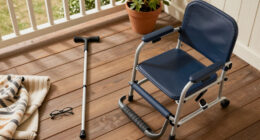

Fear of movement can make managing osteoporosis harder because it causes you to avoid activities that strengthen your bones and improve balance. When you stay inactive, your muscle strength and bone density decline further, increasing your risk of falls and fractures. This cycle of fear and avoidance worsens your condition and can make you feel helpless. But understanding safe techniques and support options can help you regain confidence and stay active—there’s more to explore that can make a difference.
Open a free Amazon Business account
Business pricing, bulk buying and tax-exempt orders.
As an affiliate, we earn on qualifying purchases.
Key Takeaways
- Fear of falling leads to activity avoidance, causing muscle weakness and reduced bone stimulation.
- Anxiety about fractures discourages engagement in safe, beneficial exercises essential for osteoporosis management.
- Avoidance of movement creates a cycle of decreasing strength and balance, increasing fall and fracture risk.
- Emotional distress and helplessness hinder motivation to follow osteoporosis treatment and fall prevention strategies.
- Lack of confidence in safe movement techniques reduces adherence to exercise programs, impairing bone health improvement.

Osteoporosis can make you fear movement, but understanding and addressing this fear is essential for effective care. When your bones become less dense, or have lower bone density, the thought of falling or injuring yourself can become overwhelming. That fear often leads to avoiding physical activity, but in reality, movement is necessary for maintaining bone health and overall strength. When you stay inactive out of fear, your muscles weaken, your balance worsens, and your risk of falls actually increases. This creates a dangerous cycle where avoiding activity makes you more vulnerable to fractures.
Fear of falling can lead to inactivity, weakening muscles and increasing fracture risk—movement and prevention strategies are essential.
The key to breaking this cycle is recognizing that proper fall prevention strategies can empower you to move confidently. Instead of avoiding activity altogether, focus on exercises that improve your balance, coordination, and strength—these are essential for fall prevention. Gentle weight-bearing exercises, like walking or low-impact aerobics, can help stimulate your bone density without putting you at unnecessary risk. Working with a physical therapist or a knowledgeable healthcare provider ensures you’re doing the right movements safely. They can design a personalized plan that boosts your bone health while minimizing the fear of injury.
Another important aspect is understanding that not all movement is equally risky. You can learn techniques that protect your bones during activity, such as proper posture, correct footwear, and controlled movements. These precautions help mitigate the fear of falling and make physical activity feel safer. As you become more comfortable with these strategies, your confidence grows, and you’re more likely to stick with your exercise routine. Additionally, bone density can improve with consistent activity, making future movements safer and reducing anxiety over injury. Regular activity can also promote muscle strength, which is crucial for supporting your bones and preventing falls. Engaging in safe exercise practices can help you build resilience and reduce your overall fear of movement. Moreover, incorporating evidence-based methods into your routine ensures that your efforts are both effective and grounded in scientific research.
Increasing your bone health through safe activity is a vital component of comprehensive osteoporosis management. Addressing the emotional component of this fear is just as necessary as the physical. Feelings of anxiety or helplessness can reinforce your reluctance to move. Finding support through counseling, support groups, or talking openly with loved ones can help you process these fears. When you understand that movement, combined with fall prevention measures, can actually improve your bone density and reduce fracture risk, you start seeing exercise as an empowering tool rather than a threat.
osteoporosis safe exercise equipment
As an affiliate, we earn on qualifying purchases.
As an affiliate, we earn on qualifying purchases.
Frequently Asked Questions
How Can Patients Overcome Fear of Movement Safely?
To overcome fear of movement safely, focus on movement mindfulness—pay attention to how your body feels during activity—and start with gentle, low-impact exercises. Building confidence gradually helps you feel more in control and reduces anxiety. Consider working with a physical therapist who can guide you through safe techniques, ensuring you stay comfortable and secure while re-engaging with movement. Remember, patience and consistency are key to overcoming this fear.
What Role Does Mental Health Play in Osteoporosis Management?
Think of your mental health as the sturdy foundation of a house; without it, everything else risks crumbling. Good mental health boosts your resilience, making it easier to follow osteoporosis treatment and stay active. Emotional support acts like beams reinforcing that foundation, helping you manage stress and fear. Prioritizing mental health empowers you to approach your osteoporosis care confidently, ensuring you stay motivated and engaged in your healing journey.
Are There Specific Exercises Recommended for Osteoporosis Patients?
You should focus on exercises like balance training and bone strengthening activities. Balance training helps prevent falls, reducing fracture risk, while weight-bearing exercises, such as walking or light resistance training, promote bone health. Start slowly and listen to your body, gradually increasing intensity. Always consult your healthcare provider before beginning new routines to guarantee they’re safe and effective for your osteoporosis management.
How Does Fear of Falling Impact Daily Activity Levels?
Fear of falling fosters frustration, forcing you to forfeit familiar routines. As doubt diminishes your balance confidence, you often avoid activities that once brought joy. This activity avoidance leads to less movement, weakening bones and worsening osteoporosis. To counteract this cycle, focus on gentle exercises, build balance confidence, and gradually re-engage in daily activities. Small steps restore strength, stability, and self-assurance, helping you reclaim your independence.
Can Therapy Help Reduce Movement-Related Anxiety?
Yes, therapy can help reduce movement-related anxiety. You’ll benefit from mindfulness techniques that teach you to stay present and manage fears better. Patient education also plays a key role, helping you understand osteoporosis and its management, which can boost your confidence in moving safely. With consistent therapy, you’ll likely notice your anxiety decreasing, enabling you to stay active and improve your overall bone health.
Conclusion
Understanding the link between fear of movement and osteoporosis care is like opening a door; once you realize the barrier, you can open it to better health. Don’t let fear anchor you in place—it’s only holding you back from stronger bones and a more active life. Embrace gentle movement, and watch your confidence grow like a sturdy oak, rooted in resilience. Moving forward is your best step toward a healthier, more empowered you.
Flea & tick season Picks
flea and tick prevention
As an affiliate, we earn on qualifying purchases.