
One common mistake families make with mobility transport is assuming their insurance fully covers repairs and emergencies without checking the details. Neglecting regular maintenance can also lead to breakdowns when you need the device most. Staying unaware of policy or regulatory changes might cause legal or safety issues. Additionally, ignoring eco-friendly options and skipping preventative care can increase costs and harm the environment. Keep these pitfalls in mind, and you’ll discover ways to safeguard your investment and secure safety every step of the way.

Turn quiet afternoons into listening time
- Thousands of audiobooks, podcasts and originals
- Listen on your phone, tablet or Echo — also offline
- Cancel anytime
Key Takeaways
- Assuming insurance fully covers mobility devices without reviewing policy details, leading to unexpected out-of-pocket expenses.
- Neglecting regular maintenance increases the risk of breakdowns and safety issues during critical times.
- Failing to stay informed about policy changes and regulations can result in non-compliance and safety concerns.
- Ignoring eco-friendly and sustainable transportation options misses opportunities to reduce environmental impact.
- Lack of proactive care and inspections shortens device lifespan and increases costly repairs over time.
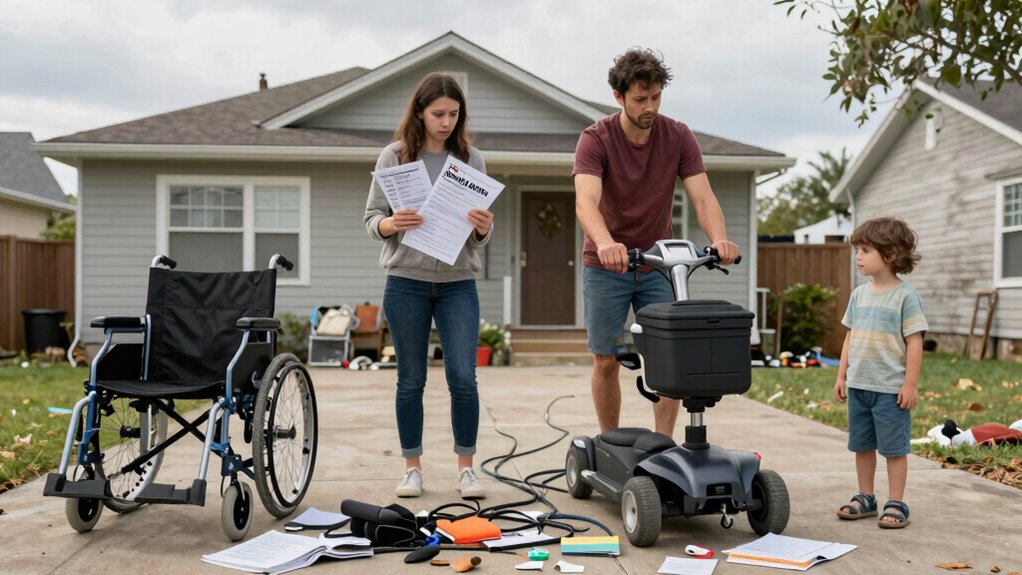
When it comes to choosing mobility transport for your family, making the wrong decisions can lead to frustration, safety risks, and unnecessary expenses. One common mistake is neglecting to thoroughly understand your insurance coverage. Many families overlook the details of their policies, assuming they’re fully protected without verifying what’s actually covered. This oversight can be costly if an accident occurs or if repairs are needed. You might end up paying out of pocket for damages or medical expenses that should have been covered. To avoid this, review your insurance policy carefully and speak with your provider to clarify coverage limits, deductibles, and any exclusions related to your mobility equipment. Knowing exactly what’s protected helps you plan better and prevents unexpected financial burdens. Regular equipment maintenance is also crucial to ensure safety and longevity of your devices, preventing breakdowns during critical moments. Additionally, understanding insurance coverage related to mobility devices can help you make more informed decisions and avoid surprises. Being aware of biodiversity and conservation efforts can also influence your choices to support more sustainable and eco-friendly transportation options. Moreover, staying informed about the latest policies and regulations can help ensure your mobility solutions remain compliant and secure. Staying proactive with preventative care can further extend the lifespan of your devices and reduce long-term costs.
Products Worth Considering

Philips Sonicare 5950 Rechargeable Electric Toothbrush with 2 Brush Heads, Navy

Oral-B iO Series 5 Rechargeable Electric Toothbrush with Travel Case and 3 Brush Heads, Black

Oura Ring 5 Smart Ring, Silver, Size 10
As an affiliate, we earn on qualifying purchases.
Frequently Asked Questions
How Can Families Ensure the Safety of Their Loved Ones During Transport?
To guarantee your loved ones’ safety during transport, you should follow safety protocols meticulously and stay prepared for emergencies. Always check that mobility equipment is secure and functioning properly before departure. Keep emergency supplies and contact information handy, and inform the driver of any special needs. Regularly train your loved ones on safety procedures, and review emergency plans, so everyone remains calm and prepared in unforeseen situations.
What Are the Costs Associated With Different Mobility Transport Options?
Did you know that transportation costs can vary by up to 50%? You need to do a cost comparison for mobility options like wheelchair vans, taxis, or public transit. Expenses can include rental fees, insurance, maintenance, and fuel. Managing these costs requires careful expense management, so you choose the most affordable and reliable option. Being informed helps you plan better and avoid unexpected financial burdens during transport.
Are There Government Programs to Assist With Mobility Transport Expenses?
Yes, there are government programs that can help with mobility transport expenses. You might explore funding options like grants or subsidies designed to support accessibility improvements. These programs aim to assist families in managing costs for specialized transportation, making it easier to access essential services and community activities. Checking with local or federal agencies can provide valuable resources and guidance, ensuring you get the support you need for mobility needs.
How Do I Choose the Right Mobility Device for My Family Member?
To choose the right mobility device for your family member, consider their specific needs and lifestyle. Focus on customization options like adjustable features and comfort enhancements. Also, prioritize easy mobility device maintenance, ensuring the device stays reliable and safe. Consult with a healthcare professional or mobility specialist who can assess your loved one’s requirements and recommend the best device, helping you make an informed decision that promotes independence and comfort.
What Should Families Do in Case of an Emergency During Transport?
In an emergency during transport, you must stay calm and act swiftly. Make certain you have an emergency preparedness plan, including knowing who to contact and having essential supplies ready. Use clear communication strategies to alert the driver and emergency services immediately. Keep your family member secure and comfortable, and never leave them unattended. Your quick, calm response can make all the difference in ensuring everyone’s safety during unexpected situations.
Conclusion
Avoiding these common mistakes is like steering a ship through stormy seas—stay alert, plan ahead, and choose the right vessel for your journey. When you prioritize safety and thoughtful planning, your family’s mobility experience becomes a smooth sail rather than a turbulent wave. Remember, each decision you make is a guiding star, leading you toward calm waters and confident adventures. With the right approach, your family’s transport story will be one of ease, comfort, and joyful discovery.