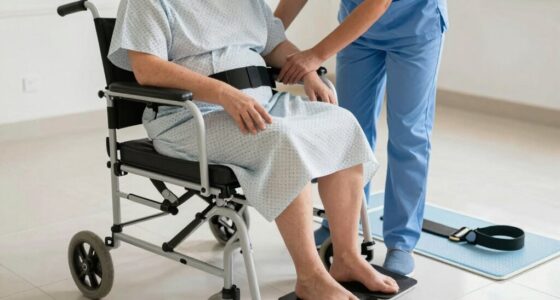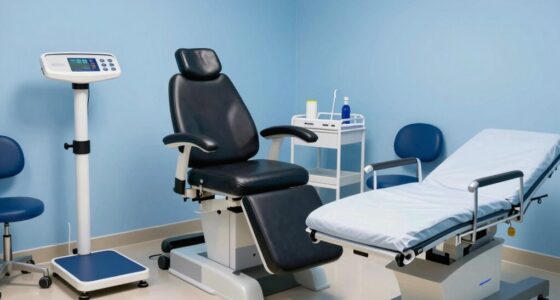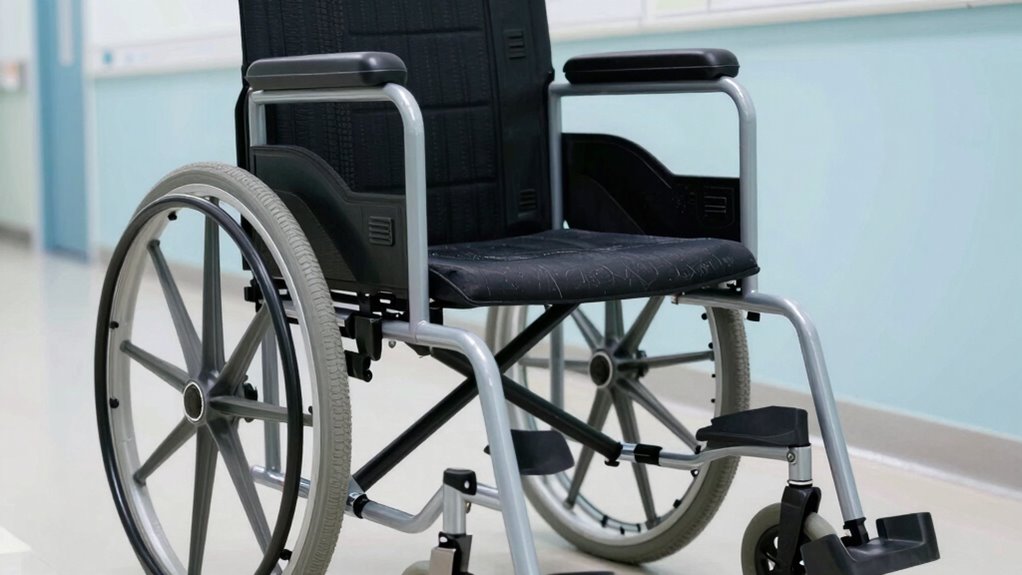

Limited space in healthcare settings makes it difficult for you to use bariatric equipment safely and efficiently. Bulky devices require larger rooms and better maneuvering room, which many facilities lack. This can lead to unsafe patient transfers, increased risk of falls, and workflow disruptions. When space is cramped, it’s harder to keep everything organized and accessible, compromising safety and care quality. To find out how to tackle these challenges, keep exploring the solutions that can improve your environment.
Key Takeaways
- Larger bariatric equipment demands more space, reducing available room for safe patient movement and staff maneuvering.
- Limited space hampers effective storage, leading to clutter and unsafe environments.
- Insufficient room complicates patient transfers, increasing fall and injury risks.
- Poor space planning restricts workflow efficiency and delays access to necessary equipment.
- Inadequate space compromises safety, mobility, and overall quality of care in healthcare settings.
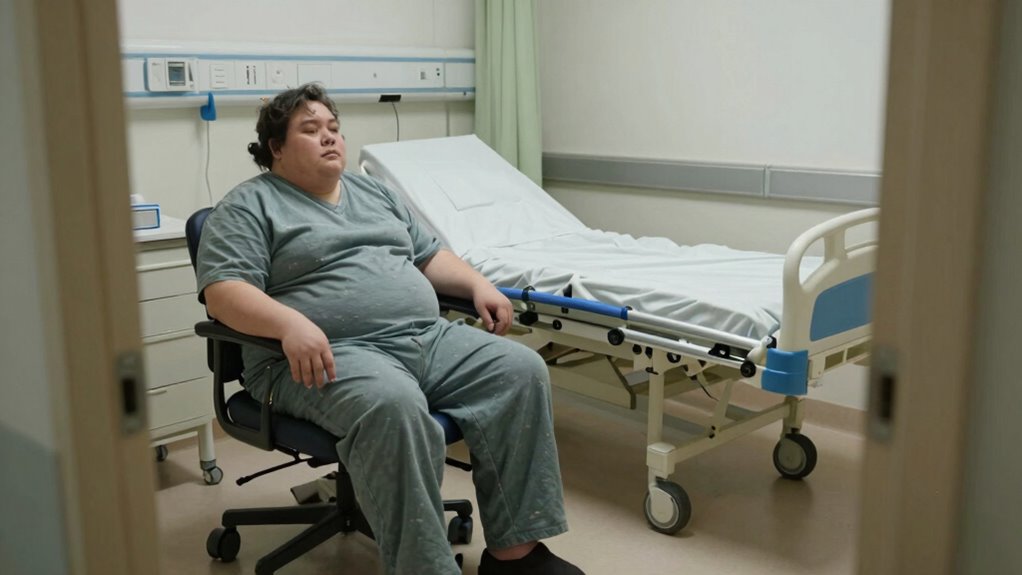
Bariatric equipment is indispensable for providing safe and effective care to larger patients, but its size often creates a significant challenge: space. When you’re working in a busy healthcare environment, handling larger equipment can feel overwhelming. Not only do you need enough room to maneuver safely, but you also have to contemplate how the equipment impacts patient mobility and the overall layout of your space. If the room is too cramped, it can hinder your ability to move patients easily, which might compromise safety or delay critical procedures. Assuring that equipment fits comfortably without obstructing pathways is essential for maintaining smooth workflows and providing quality care.
One of the biggest hurdles is equipment storage. Bariatric devices are typically larger and heavier than standard equipment, requiring specialized storage solutions. If storage areas are inadequate, you risk cluttering the workspace, which can make the environment unsafe and inefficient. Proper storage is indispensable not just for keeping the equipment accessible but also for safeguarding both patients and staff. When storage space is limited, you might find yourself scrambling to locate the right tools quickly, which can slow down patient care and increase the risk of accidents. Investing in dedicated, well-organized storage units designed for bariatric equipment helps streamline your workflow, guarantees easy access, and preserves safety standards. Additionally, understanding the specific space requirements for bariatric equipment can help in planning effective storage and room layouts. Regular assessment of your available space can also help you identify potential areas for improvement and prevent overcrowding. Incorporating innovative storage solutions can further optimize limited space and improve overall efficiency. Properly planning your storage solutions can also maximize space and reduce the need for frequent rearrangements, making the environment more functional. Ensuring that storage areas are thoughtfully planned can also prevent unnecessary clutter, making the environment safer and more accessible for everyone.
Adequate, organized storage for bariatric equipment ensures safety, efficiency, and quick access in busy healthcare settings.
Patient mobility is another critical concern. Larger equipment can make it difficult to transfer or reposition patients comfortably and safely. If your space doesn’t allow for proper maneuvering, you may struggle with patient transfers, leading to discomfort or injury for both patients and staff. Adequate space ensures you can perform transfers smoothly, reducing strain and minimizing the risk of falls or injuries. It also fosters a more dignified experience for patients, who may already feel vulnerable. When space is limited, you might have to compromise on the quality of care or spend extra time trying to work around obstacles, which can be frustrating for everyone involved. Ensuring enough room for patient transfers is crucial for maintaining safety and dignity during care.
Balancing the need for large, specialized equipment with the constraints of space requires thoughtful planning. You should evaluate your current layout regularly and consider innovative storage solutions or room redesigns. Prioritizing clear pathways and designated storage areas will help you maintain patient mobility and guarantee equipment is readily available when needed. Ultimately, addressing the space problem isn’t just about fitting equipment into a room—it’s about creating an environment where patient safety, mobility, and efficient care come together seamlessly.
bariatric equipment storage solutions
As an affiliate, we earn on qualifying purchases.
As an affiliate, we earn on qualifying purchases.
Frequently Asked Questions
How Do Bariatric Equipment Dimensions Vary by Manufacturer?
Bariatric equipment dimensions vary by manufacturer due to differences in design and intended use. You’ll find customized dimensions tailored to specific patient needs, but there’s notable manufacturer variability in width, height, and weight capacity. When selecting equipment, you should compare these customized dimensions across brands to guarantee proper fit and safety. Always check the specifications provided by each manufacturer, as they can differ markedly, affecting the equipment’s effectiveness and comfort.
Are There Standardized Space Guidelines for Bariatric Equipment Storage?
You’ll find no universal space guidelines for bariatric equipment storage, but effective storage organization and clear equipment labeling become your best allies. Imagine a cluttered closet transforming into an organized space where labels guide your hand, and designated areas accommodate larger equipment comfortably. While standards vary, focusing on optimizing space and labeling guarantees safety, easy access, and smooth operation, turning a challenging storage situation into a manageable, even streamlined, system.
How Does Room Layout Affect Equipment Accessibility?
Room layout markedly impacts equipment accessibility, so you should focus on effective room organization. Make certain pathways are wide enough for bariatric equipment and staff to move easily, reducing risks. Proper room setup allows quick access during emergencies. Additionally, staff training is essential for understanding the best layout practices, so your team can efficiently navigate and handle bariatric equipment. This combination optimizes safety, reduces delays, and improves overall patient care.
What Safety Considerations Are Linked to Equipment Size?
You need to prioritize patient safety by choosing appropriately sized equipment that minimizes risk of injury and guarantees comfort. Equipment ergonomics are vital; oversized or undersized tools can cause strain or accidents. Regularly assess the environment to verify that the equipment fits well and is easy to maneuver. Properly maintained, correctly sized equipment enhances safety, prevents mishaps, and promotes a secure, efficient space for both patients and staff.
Can Space Constraints Impact Patient Comfort During Procedures?
You might not realize it, but space constraints can directly impact your comfort during procedures. Limited room can restrict patient mobility, making it harder to find comfortable positions. Additionally, equipment ergonomics suffer, leading to awkward setups that cause discomfort or strain. When space is tight, both your experience and the healthcare provider’s ability to work efficiently may be compromised, ultimately affecting the overall success and comfort of the procedure.
Conclusion
As you navigate the tight corners of bariatric care, remember that every piece of equipment is a bridge to better health. Overcoming space issues is like opening a door to new possibilities, where innovation and compassion meet. With each solution, you’re planting a seed of hope, growing a future where care fits seamlessly into every home and hospital. Embrace the challenge, knowing that your efforts are the compass guiding patients toward brighter, healthier horizons.