
Choosing simple, comfortable clothing with easy fasteners like velcro or magnetic closures helps make caregiving for someone with Alzheimer’s easier. Opt for elastic waistbands and breathable fabrics to prevent frustration and skin irritation. Slip-on shoes with non-slip soles and adjustable straps offer safety and independence, while avoiding tight or loose fits reduces falls. Coordinating neutral shoes with colorful outfits can simplify dressing and boost confidence. Staying mindful of these choices can really ease daily routines—keep exploring for more helpful tips.

Get comfort and care essentials delivered free — and shop member deals
- Fast, free delivery on millions of items
- Access to Prime Big Deal Days deals on October 6–7
- Prime Video, Amazon Music and more included
Key Takeaways
- Choose clothing with easy fasteners like magnetic closures or velcro to simplify dressing.
- Select comfortable, breathable fabrics that require minimal adjustments and are easy to care for.
- Use slip-on shoes with non-slip soles and adjustable fasteners for stability and ease of wear.
- Pair neutral-colored shoes with colorful clothing to assist recognition and coordination.
- Regularly inspect and maintain clothing and footwear to ensure safety and support independence.
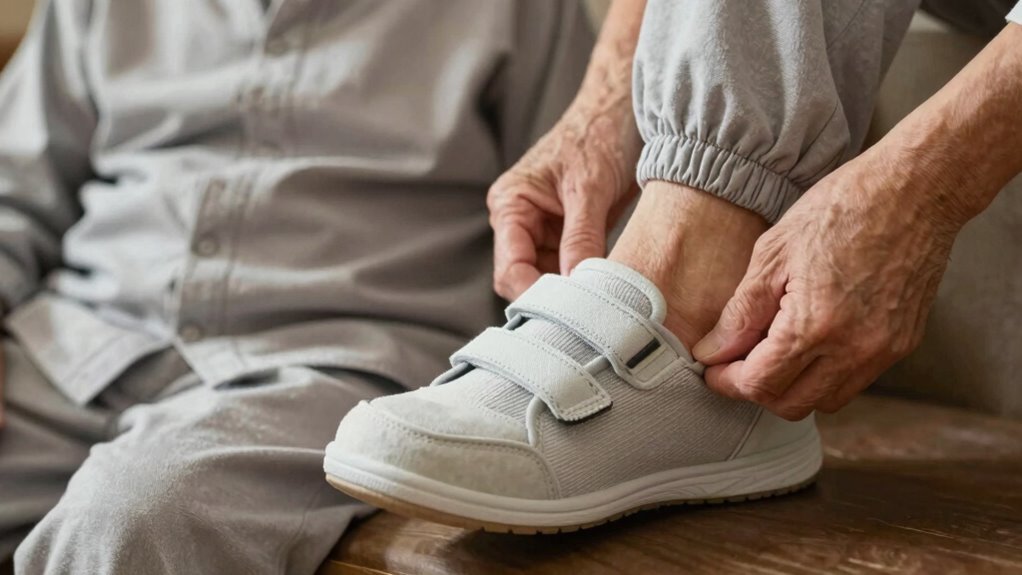
Choosing the right clothing and shoes for someone with Alzheimer’s can greatly improve their comfort and safety. When selecting wardrobe pieces, focus on simplicity and ease of use. Avoid complicated fasteners like buttons or laces that can cause frustration or accidents. Instead, opt for clothing with elastic waistbands, magnetic closures, or velcro fasteners. These options make dressing quicker and less stressful for both you and your loved one. When considering fashion coordination, choose colors and patterns that help distinguish clothing items easily. Bright or contrasting colors can make it easier for someone with Alzheimer’s to identify what they’re wearing, reducing confusion and encouraging independence. Keeping their wardrobe consistent and straightforward can also prevent overwhelming choices, which can be confusing or upsetting. Incorporating easy-to-use fasteners like magnetic closures or velcro can further enhance independence and safety when dressing. Additionally, choosing clothing that is made from comfortable, breathable fabrics can help prevent skin irritation and increase overall comfort. Using well-designed clothing that minimizes the need for adjustments can also support ongoing independence. Selecting clothing that is durable and resistant to frequent washing can reduce the frustration caused by complicated laundry or delicate fabrics, further simplifying daily routines. Regularly selecting clothing that is easy to maintain can reduce the frustration caused by complicated laundry or delicate fabrics, further simplifying daily routines.
Footwear safety is a critical aspect of their daily care routine. Shoes should provide stable footing and be simple to put on and take off. Look for shoes with non-slip soles to prevent falls, a common risk for individuals with Alzheimer’s. Slip-on shoes with wide openings are ideal because they don’t require tying laces, which can become a barrier to independent footwear management. Shoes that have a snug fit without being too tight are essential for comfort and stability. Avoid overly loose or tight shoes that could cause blisters or trips. When shopping, test the shoes for proper fit by having your loved one try them on and walk around to ensure they feel secure. Consider shoes with velcro straps or adjustable fasteners for added convenience and safety, making it easier to adjust fit throughout the day. Regularly inspecting footwear for wear and tear is also crucial, as damaged shoes can compromise safety and support. Incorporating appropriate footwear that combines safety and ease of use can significantly improve daily mobility and confidence. Paying attention to shoe maintenance can extend the lifespan of shoes and ensure ongoing safety.
Incorporating good footwear safety with thoughtful fashion coordination can be a game-changer. Choose footwear and clothing that work together visually while prioritizing safety features. For example, pairing neutral-colored shoes with colorful clothing can make dressing simple and functional. Consistency in clothing choices helps reduce decision fatigue, which can lead to agitation or confusion. Regularly checking clothing and footwear for wear and tear is also important, as damaged items can pose safety risks. Ultimately, your goal is to create a wardrobe that fosters independence, minimizes hazards, and promotes comfort. When you select clothing and shoes with these principles in mind, you help your loved one maintain dignity and safety throughout their daily routines. By paying attention to beyond just aesthetics, you can ensure that the wardrobe supports both safety and ease of use effectively.
magnetic closure clothing for seniors
As an affiliate, we earn on qualifying purchases.
As an affiliate, we earn on qualifying purchases.
Frequently Asked Questions
How Can Clothing Help Prevent Wandering in Alzheimer’s Patients?
Clothing can help prevent wandering by creating a personalized wardrobe that’s easily recognizable and comforting for your loved one. Choose comfort-focused fabrics that feel gentle on the skin, reducing agitation. Consider clothing with secure fastenings or identifying features, like bright colors or custom tags, so they can identify their clothes easily. These choices promote familiarity and independence, reducing the urge to wander and making daily routines safer and calmer.
Are There Specific Fabrics Recommended for Sensitive Skin?
For sensitive skin, choose fabrics like cotton, bamboo, or silk, as they’re gentle and reduce fabric sensitivity. These materials are breathable, soft, and less likely to cause skin irritation. Avoid rough, synthetic fabrics like polyester or nylon, which can aggravate skin issues. You want clothing that feels comfortable and minimizes discomfort, especially for Alzheimer’s patients who may have heightened skin sensitivity, ensuring they stay comfortable and safe throughout the day.
What Color Choices Are Best for Improved Recognition?
Think of clothing colors as signals in a busy street crossing, guiding recognition like traffic lights. You should choose high-contrast colors for better recognition aids, such as contrasting shoes with pants or tops, making it easier for your loved one to identify themselves and their belongings. Bright, distinct hues help distinguish individuals and objects, reducing confusion and enhancing safety. This simple color choice acts like a beacon, improving daily interactions.
How Can Shoe Selection Reduce Fall Risks?
Choosing shoes with good footwear safety is essential to reduce fall risks. Opt for shoes that have non-slip soles and provide ample support. Prioritize easy shoe fastening options, like Velcro or slip-on styles, to prevent frustration and accidents. Properly fitted shoes that stay secure during movement help maintain balance, lowering the chance of falls. Regularly check shoe condition and fit to guarantee ongoing safety and comfort.
Are Adaptive Clothing Options Suitable for All Stages?
Are adaptive clothing options suitable for all stages of Alzheimer’s? Yes, they can be, but it depends on individual needs. Adaptive fashion offers easy-to-wear designs that support independence, and their clothing durability guarantees longevity. In early stages, they boost confidence, while in later stages, they provide comfort and safety. Wouldn’t you want to make daily routines simpler? Adaptive clothing adjusts well to changing needs, making caregiving easier.
Conclusion
Choosing the right clothing and shoes might seem small, but it transforms daily routines into smoother, more confident moments. Imagine a wardrobe where easy-to-fasten buttons and slip-on shoes replace frustrating struggles—turning chaos into calm. As you see your loved one more comfortable and independent, you’ll realize these simple choices create a comforting, secure world amid the unpredictable. Small steps in clothing choices carve a clearer path through the maze of Alzheimer’s care.
Halloween Picks
halloween
As an affiliate, we earn on qualifying purchases.