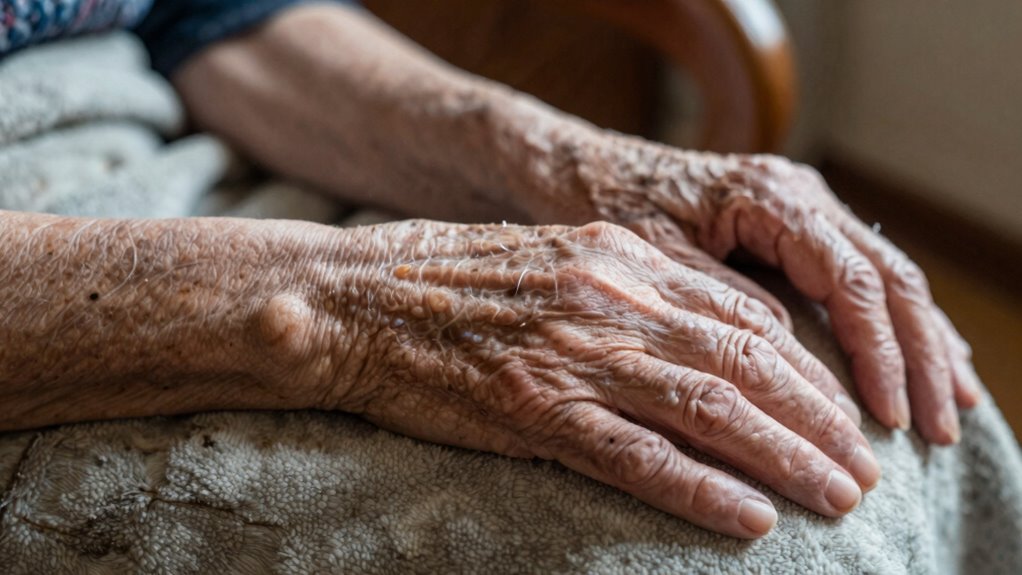

As you age, your immune system weakens, making it harder to fight off minor illnesses. Each illness drains your energy and reduces your body’s ability to recover, leading to longer and more severe health setbacks. Repeated illnesses create a cycle that damages your resilience and prolongs recovery. Over time, this can make even minor illnesses feel much tougher to overcome. If you want to understand how to break this pattern and improve your defenses, there’s more to discover.

Turn quiet afternoons into listening time
- Thousands of audiobooks, podcasts and originals
- Listen on your phone, tablet or Echo — also offline
- Cancel anytime
Key Takeaways
- Aging weakens the immune system, reducing response effectiveness and prolonging illness duration.
- Older adults recover more slowly due to diminished tissue repair and energy restoration processes.
- Recurrent minor illnesses drain energy and further weaken immune defenses, increasing vulnerability.
- The cycle of illness and weakened resilience makes repeated infections more severe over time.
- Preventive strategies are essential to break the cycle and support healthier recovery in older adults.
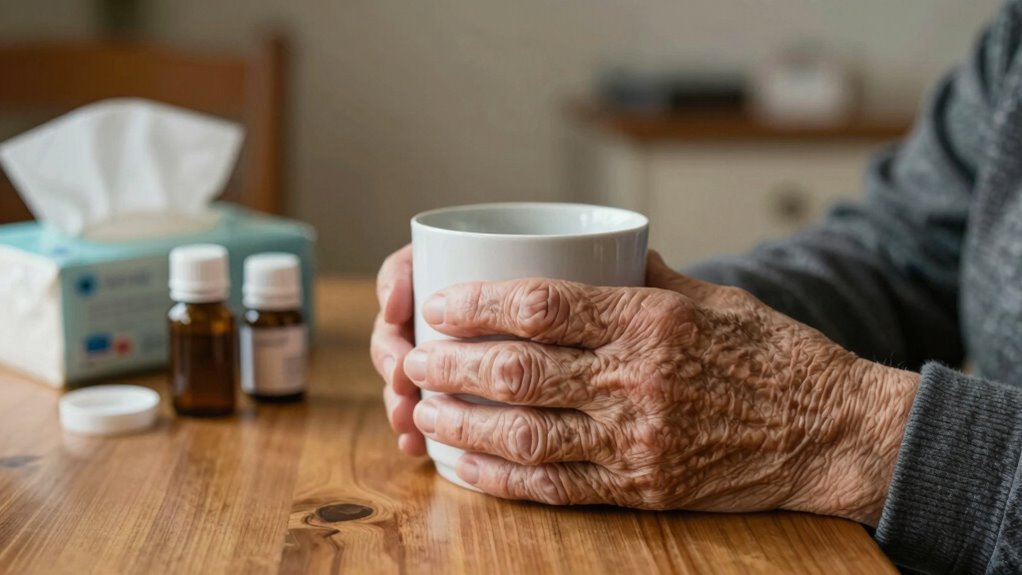
As older adults experience repeated minor illnesses, it can substantially impact their daily lives and overall well-being. These recurring health issues might seem small, like catching a cold or a minor cough, but they can accumulate and take a serious toll over time. One reason for this is the way your immune response weakens with age. As you get older, your immune system doesn’t react as quickly or effectively to new threats. This slower response means your body struggles to fight off even minor infections, which can lead to longer illness durations and more frequent episodes. The immune system’s diminished ability to respond promptly means that what might be a brief illness for a younger person can turn into a prolonged struggle for you, increasing frustration and discomfort. Additionally, age-related immune response decline plays a significant role in this increased vulnerability.
Recovery challenges also become more intimidating as you age. When you fall ill repeatedly, your body has less resilience to bounce back quickly. This is because your recovery process isn’t just about fighting off the infection; it also involves repairing tissues and restoring your energy levels. As you age, these processes slow down. Your body’s ability to recover from setbacks diminishes, making it harder to regain your normal strength and vitality after each illness. These recovery challenges can lead to a cycle where minor illnesses keep recurring because your body hasn’t fully healed from previous episodes. It’s not just about feeling under the weather; it’s about the cumulative impact on your overall health and daily functioning. Moreover, reduced cell regeneration with age can exacerbate these recovery difficulties, making each illness seem more prolonged and severe. Recognizing the importance of preventive care can help mitigate some of these effects.
Furthermore, the decreased efficiency of your body’s immune defenses means that even minor infections can cause significant setbacks in your health, emphasizing the importance of preventive care. Repeated minor illnesses also tend to wear you down mentally and physically. Each illness, no matter how small, drains your energy and can weaken your immune defenses further, creating a vicious cycle. Over time, the repeated stress on your body can make you more vulnerable to future illnesses, which then take longer to resolve. This cycle underscores the importance of taking preventative measures, like maintaining a healthy lifestyle and getting regular check-ups, but it also highlights why illnesses hit you harder. Your body’s reduced capacity to respond and recover means you often experience more severe symptoms and longer-lasting effects than younger individuals.
A comprehensive approach that includes proper nutrition, adequate rest, and regular medical check-ups can help bolster your immune system, making it more resilient against minor illnesses. In essence, as you age, your immune response becomes less robust, and recovery challenges grow more substantial. These factors combined mean that repeated minor illnesses aren’t as minor for you—they can lead to real setbacks in your health and daily life. Recognizing these challenges can motivate you to adopt healthier habits and seek timely medical advice, helping you better manage these recurring health issues and maintain a better quality of life.
immune support supplements for seniors
As an affiliate, we earn on qualifying purchases.
As an affiliate, we earn on qualifying purchases.
Frequently Asked Questions
How Can Caregivers Better Support Older Adults During Minor Illnesses?
You can better support older adults during minor illnesses by encouraging emotional resilience and maintaining social engagement. Offer reassurance and listen actively to their concerns, fostering a positive outlook. Help them stay connected with friends and family, even if virtually, to combat loneliness. Make certain they follow medical advice and rest appropriately. Your support boosts their confidence, helping them recover faster and feel less isolated during minor health setbacks.
Are There Effective Ways to Prevent Recurring Minor Illnesses in Seniors?
When it comes to prevention, you can bolster your loved one’s defenses by emphasizing preventive measures and immune boosting strategies. Encourage regular handwashing, balanced nutrition, and sufficient rest. Vaccinations are key, and staying active helps maintain overall health. Think of these steps as a fortress guarding against recurring minor illnesses. By actively supporting these habits, you reduce the chances of repeated bouts and help your loved one stay healthier longer.
How Do Medications for Minor Illnesses Affect Older Adults Differently?
Medications for minor illnesses can affect you differently due to increased drug interactions and medication sensitivity. As you age, your body processes drugs more slowly, raising the risk of side effects. You may experience heightened sensitivity to certain medications, making even standard doses more potent. It’s essential to communicate openly with your healthcare provider about all medications you take to minimize adverse reactions and guarantee safe, effective treatment.
What Role Does Mental Health Play in Recovery From Minor Illnesses?
You might find that mental resilience and emotional well-being considerably influence how quickly you recover from minor illnesses. When your mental health is strong, it boosts your immune system and helps you cope better with physical stress. A positive mindset can even shorten recovery times. Conversely, stress or anxiety can weaken your body’s defenses, making it harder to bounce back, even from minor ailments. Your mental health truly plays an essential role in recovery.
Can Lifestyle Changes Reduce the Impact of Repeated Illnesses on Seniors?
Yes, lifestyle changes can help reduce the impact of repeated illnesses on seniors. By improving your diet, you provide your body with essential nutrients to boost immunity. Incorporating regular exercise routines strengthens your body and enhances overall health. These habits help your immune system fight off minor illnesses more effectively, decreasing their frequency and severity. Staying consistent with these changes supports your long-term health and resilience against recurring minor health issues.
Conclusion
Think of your body as a fortress, each minor illness a small crack forming over time. When these cracks multiply without repair, the fortress becomes fragile, more vulnerable to bigger storms. As you age, repeated minor illnesses chip away at your defenses, making you more susceptible to serious health issues. By tending to these small cracks early, you strengthen your fortress, keeping it resilient against life’s inevitable storms. Protect your health—repair those cracks before they widen.
Cold & flu season Picks
humidifiers
As an affiliate, we earn on qualifying purchases.