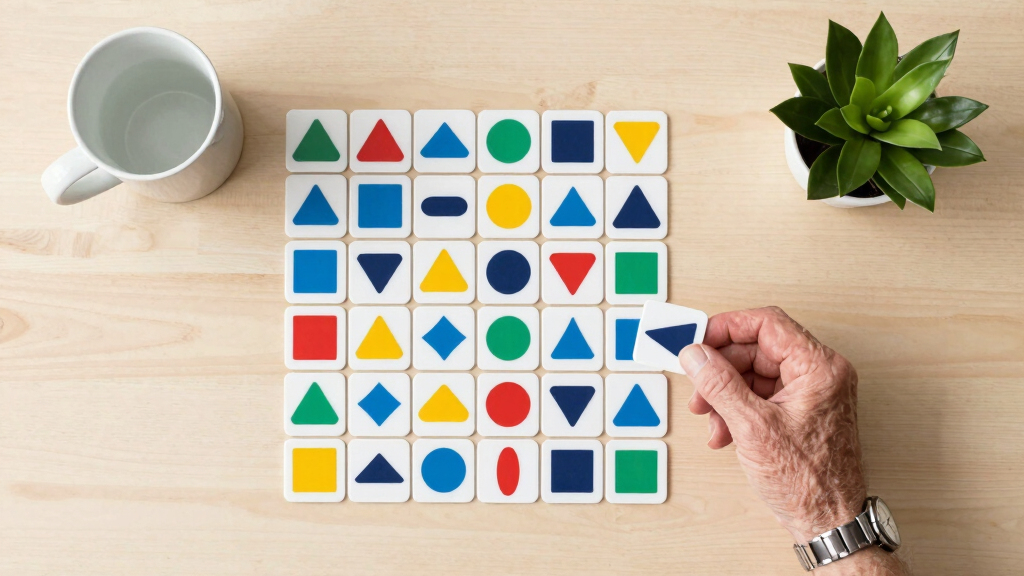

Finding effective memory games tailored for seniors can significantly boost cognitive engagement and quality of life. The ThinkPsych Golden Memories stands out as the best overall for its wide range of conversation topics and reminiscence therapy benefits. For those seeking simple, tactile options, the Wooden Tiles Matching Game offers straightforward fun, while the QUOKKA Elderly Memory Games impress with visual clues and a premium presentation. Each product balances different priorities like ease of use, cognitive challenge, and sensory stimulation, but tradeoffs often include complexity versus simplicity or cost versus versatility. Continue reading for a detailed breakdown of these top picks and what makes each suited to different needs.

Turn quiet afternoons into listening time
- Thousands of audiobooks, podcasts and originals
- Listen on your phone, tablet or Echo — also offline
- Cancel anytime
Key Takeaways
- The top-ranked games combine cognitive stimulation with sensory engagement, which is crucial for dementia support.
- Simplicity and tactile feedback are key for beginners or those with advanced cognitive decline, but may limit challenge for more active seniors.
- Visual clues and themed content help improve recognition and memory recall, setting standout options apart.
- Price ranges vary widely, making it vital to match the game’s complexity and durability with the user’s needs and budget.
- Most high-quality options include multiple difficulty levels or themes, offering longevity and adaptability for different stages of cognitive health.


More Details on Our Top Picks
ThinkPsych Golden Memories – Conversation & Memory Game for Seniors | 160 Topics | Reminiscence Therapy | Dementia Activities for Seniors & Alzheimer Support
ThinkPsych Golden Memories stands out for its evidence-based approach, combining reminiscence therapy with engaging prompts that foster meaningful conversations. Compared with the QUOKKA cards, which focus more on visual clues, Golden Memories emphasizes storytelling and personal sharing, making it ideal for enhancing social bonds. Its large-print, durable cards are easy for seniors to read and handle, supporting cognitive and emotional well-being. The main tradeoff is that it requires a facilitator or caregiver to guide the activity, which might limit spontaneous use for some families. This makes it particularly suited for family settings or professional care environments prioritizing emotional connection and cognitive engagement over simple recognition tasks.
Pros:- Psychologist-designed prompts based on proven reminiscence therapy
- 160 thoughtfully crafted conversation topics for rich engagement
- Large, durable, easy-to-read cards suitable for seniors
Cons:- Requires facilitator to guide discussions, limiting solo use
- Does not include visual cues or matching components for varied activity options
Best for: Families or caregivers seeking a versatile activity that promotes reminiscence and social bonding in seniors with mild to moderate cognitive decline.
Not ideal for: Seniors with severe memory impairment who need highly simplified, visual-based games without conversational prompts.
- Number of prompts:160
- Material:Durable card stock
- Design:Large print, psychologist-approved text
- Use case:Reminiscence therapy, family gatherings, senior activity groups
Bottom line: This game is best for caregivers and families wanting to deepen connection through meaningful conversation and shared memories.
Wooden Tiles Matching Game for Seniors with Dementia and Alzheimer’s
This wooden tile matching game offers a tangible, hands-on experience that emphasizes pattern recognition and logical thinking. Its 15 large, premium-quality pieces are simple to handle, making it accessible to seniors with varying dexterity levels. Compared with the QUOKKA cards, which focus on visual clues, this game emphasizes pattern matching and memory through physical tiles, making it ideal for seniors who benefit from tactile feedback. The 26 difficulty templates allow for gradual skill development, but the need to organize and store templates separately can be inconvenient. While it promotes cognitive skills in a cost-effective way, it may lack the variety needed for ongoing engagement if used in isolation.
Pros:- Premium solid wood construction with large, easy-to-grasp pieces
- 26 difficulty templates for adaptable challenge levels
- Enhances pattern recognition, logical thinking, and hand-eye coordination
Cons:- Templates require separate organization, which can be cumbersome
- Limited to matching tasks without additional cognitive exercises
Best for: Caregivers seeking an affordable, durable, and scalable matching game to support cognitive decline in seniors with moderate dementia.
Not ideal for: Seniors with severe motor impairments or visual deficits that hinder handling or distinguishing small tiles.
- Pieces included:15 large wooden tiles
- Difficulty templates:26
- Material:Wood and paper
- Intended users:Seniors with dementia or cognitive decline
Bottom line: This game offers a practical, cost-effective way to support cognitive skills through tactile pattern matching for active seniors or those in group care.
Wooden Memory Training Game for Seniors and Adults
This wooden memory game combines colorful pieces and a simple dice mechanic, making it versatile for different skill levels. Its adjustable difficulty is a key advantage, allowing caregivers to tailor challenges for seniors with mild cognitive issues or for solo play. Compared to the QUOKKA cards, which focus on visual cues, this game emphasizes memory and matching with tactile components and a straightforward game setup. The inclusion of a dice adds an element of chance, increasing engagement but possibly reducing the focus on pure memory training. While durable and suitable for family use, its limited scope means it works best as part of a broader cognitive activity program.
Pros:- Adjustable difficulty levels for personalized engagement
- Durable, high-quality wooden construction
- Supports solo, competitive, and cooperative play, fostering family bonding
Cons:- Limited to memory matching and dice-based gameplay
- Price may be higher compared to simpler matching games
Best for: Families or caregivers looking for an adaptable, multi-use memory game that can be played solo or in groups with seniors of various ability levels.
Not ideal for: Seniors needing highly simplified activities without dice mechanics or those requiring assistive devices for handling small pieces.
- Pieces included:24 colorful wooden pieces
- Board size:6.3 x 6.3 inches
- Includes:Dice and game board
- Material:High-quality wood
Bottom line: This game is ideal for families seeking a flexible, durable activity that adapts to a senior’s evolving cognitive needs.
Alzheimers Products for Elderly, 9 Numbers Memory Games for Dementia Patients Seniors, Wooden Shut The Box Dementia Products for Elderly, Fidget Sensory Busy Board Gadgets Gifts Activities
This wooden dice game emphasizes basic math skills and fine motor control, making it well-suited for seniors with early dementia or those needing sensory stimulation. Its focus on flipping numbered tiles to match dice results provides a tactile challenge that enhances hand-eye coordination. Compared to the more memory-focused QUOKKA cards or matching games, this activity leans toward cognitive and motor skill improvement through simple, repetitive tasks. Its solid wood build and soft felt lining make it safe and pleasant to handle, but the game’s limited scope might not appeal to seniors seeking more varied cognitive exercises. It works best as part of a comprehensive activity plan targeting multiple skills.
Pros:- Solid wood construction with soft, noise-dampening felt
- Encourages basic math, hand-eye coordination, and fine motor skills
- Multiplayer capability adds social and competitive elements
Cons:- Limited variety; primarily focused on basic math and motor skills
- No digital or visual cue options for varied engagement
Best for: Caregivers and family members seeking a straightforward, hands-on activity to reinforce math skills and fine motor function in early-stage dementia.
Not ideal for: Seniors with advanced dementia or severe physical limitations that prevent flipping tiles or engaging with small components.
- Game size:8.4 x 5.6 x 1.1 inches
- Number of dice:2
- Material:Premium wood and felt
- Players:2-4
Bottom line: This activity offers a simple, effective way to support motor and cognitive skills in early dementia, especially for those who enjoy tactile tasks.
QUOKKA’s set of 202 large-font play cards is designed to stimulate memory through visual cues and bold phrases, making it especially suitable for seniors with visual or cognitive impairments. Its dual-mode design, with green and crimson sets, allows for progressive difficulty and personalized challenge levels. Compared to the more conversation-based Golden Memories, these cards focus on recognition and recall, which can be more accessible for seniors who prefer visual stimuli. The inclusion of an answer sheet simplifies independent play or caregiver facilitation. However, the format is limited to card-based activities, and some users might find it less engaging over time without additional physical components. It’s best for those who prefer straightforward, visual memory exercises with easy verification.
Pros:- Two difficulty modes for tailored engagement
- Large, high-contrast visuals and fonts for clarity
- Includes answer sheet for self-check and learning
Cons:- Limited to card-based activities, no tactile or physical interaction
- May require caregiver assistance for some players
Best for: Caregivers or seniors seeking a large, easy-to-use visual memory tool suitable for independent or group activities with adjustable difficulty.
Not ideal for: Seniors who need highly interactive, conversation-driven activities or prefer digital formats for variety.
- Number of cards:202
- Visual design:Large fonts, high contrast
- Difficulty levels:2 (green and crimson)
- Intended use:Memory reinforcement, independent or group play
Bottom line: This set works best for seniors who respond well to visual cues and need a straightforward way to practice recognition and recall.
Keeping Busy Tile Matching Dementia Activities for Seniors | Alzheimer Products for Elderly Patients | Fun Memory Game Toy & Cognitive Brain Puzzle for Senior Citizens w/Memory Loss or Alzheimers
This activity set stands out for its thoughtful design targeting a wide range of skill levels, from simple matching to filling in templates, making it more adaptable than the Geometric Cognitive Matching Puzzles. The inclusion of 26 templates and colorful wooden pieces offers a versatile, sensory-rich experience that encourages both problem-solving and fine motor skills. Compared to Dementia Activities for Seniors, 120 Pieces Wooden Matching Puzzle Games, this kit provides adjustable difficulty and a more compact, travel-friendly storage box. However, its complexity may overwhelm severely impaired seniors, and the extensive setup might be less suitable for very quick engagement. Ideal for caregivers seeking a multi-tiered activity that combines cognitive stimulation with sensory input, especially in group settings or as a gift. The game’s multiple difficulty levels and compactness make it a flexible choice for various care environments.
Pros:- Supports multiple skill levels with 26 templates for progressive difficulty
- Colorful, textured wooden pieces enhance sensory engagement
- Compact, travel-friendly storage for easy organization and portability
- Encourages fine motor skills and cognitive problem-solving
Cons:- Setup and switching between templates can be time-consuming
- May be too complex for severely impaired seniors or those with limited hand strength
Best for: Caregivers and family members looking for a versatile, multi-level activity that stimulates senses and fine motor skills for seniors with mild to moderate dementia.
Not ideal for: Seniors with advanced dementia or limited dexterity who may find the multiple templates and small pieces challenging to handle independently.
- Number of Items:20
- Item Weight:1.6 Pounds
- Size:8 inches x 8 inches x 0.6 inches
- Material Type:Wood
- Age Range Description:Senior, Adult
- Included Components:Wooden Tiles, Colorful Templates, Storage Box
Bottom line: This activity set is best suited for caregivers seeking a comprehensive, adaptable cognitive and sensory tool for seniors with mild to moderate dementia.
Geometric Cognitive Matching Puzzles for Seniors with Dementia or Alzheimer’s
This puzzle supports cognitive health through its adjustable difficulty and durable design, making it a good alternative to Keeping Busy Tile Matching for seniors who prefer solitary activities. The 5.9×5.9 inch board with 1×1 inch wooden blocks is ideal for promoting memory and spatial reasoning, especially for those who are comfortable with smaller, more precise tasks. Its simple geometric design and smooth edges make it safe yet less engaging visually than the brightly colored pieces of the Keeping Busy Tile Matching. The small size and individual use focus may limit its appeal for group therapy or social interaction. Best for seniors with moderate cognitive impairment who enjoy focused, independent puzzles. Its compact size favors those who prefer minimal setup but might not be suitable for seniors with limited dexterity or visual acuity.
Pros:- Supports memory and spatial reasoning with adjustable difficulty
- Durable wooden construction with smooth edges for safety
- Compact size ideal for small spaces or travel
- Supports independent, focused engagement
Cons:- Small size might be difficult for seniors with limited dexterity
- Limited to solo use, less social interaction
Best for: Individuals with moderate dementia who enjoy solitary, visually straightforward cognitive exercises.
Not ideal for: Caregivers wanting group activities or seniors with significant visual or dexterity impairments.
- Item Weight:0.25 Kilograms
- Dimensions:5.91 x 5.91 x 0.04 inches
- Material Type:Wood
- Unit Count:1
- Size:5 inches
- Age Range Description:Senior
Bottom line: This puzzle is best for seniors who prefer solitary mental exercises that challenge memory and spatial skills without the distraction of bright colors.
Dementia Activities for Seniors, 120 Pieces Wooden Matching Puzzle Games for Elderly, Alzheimers Products for Older Adults, Shape Puzzle Memory Game for Adults Dementia Patients
This activity board makes a strong case for broad cognitive engagement with its 120 colorful, wooden tiles and multiple challenge levels, surpassing the simplicity of Easy Memory Games for Dementia Patients. Its large size and variety of templates promote both pattern recognition and fine motor skills, making it suitable for seniors with mild to moderate cognitive decline. Compared to smaller, simpler puzzles, it offers a richer visual and tactile experience, but the extensive tile set can be overwhelming for those with advanced dementia or limited dexterity. Its sturdy construction and vibrant colors enhance engagement, though setup and organization may require caregiver assistance. Ideal for caregivers or facilities seeking a comprehensive activity to stimulate pattern recognition, color matching, and motor skills in a group or individual setting. Its large size and high number of pieces promote prolonged, varied engagement, but may be less suitable for very impaired seniors.
Pros:- 120 vibrant, colorful tiles for extensive pattern and color recognition
- Multiple challenge templates for progressive difficulty
- Sturdy wooden construction enhances durability and handling
- Supports fine motor skills and cognitive pattern recognition
Cons:- Large set may be intimidating or overwhelming for some seniors
- Setup and organization require caregiver assistance
Best for: Caregivers and activity coordinators in group settings aiming for a broad range of cognitive and motor stimulation.
Not ideal for: Severely impaired seniors who struggle with managing large sets of pieces or visual overload.
- Number of Items:120
- Item Weight:0.46 Kilograms
- Size:9 inches x 9 inches x 0.2 inches
- Material Type:Wood
- Included Components:Puzzle Tiles, Templates
- Age Range Description:Senior
Bottom line: This activity set is best for group or individual use where comprehensive visual, motor, and pattern recognition stimulation is desired in seniors with mild to moderate dementia.
GiftAmaz 3-in-1 Memory Games for Dementia Seniors, Alzheimers Products for Elderly, Wooden Activity Kits for Dementia Patients, Fidget Cognitive Toys for Elderly, Memory Board Gifts for Seniors, Adult
This 3-in-1 activity kit offers a versatile approach to cognitive stimulation, combining color matching, shape identification, and number recognition with adjustable difficulty, making it more comprehensive than the Color Matching Dementia Activities. Its double-sided cards and rolling die foster social interaction and shared play, ideal for both one-on-one and group settings. The thoughtful design with rounded edges and natural wood appeals to caregivers concerned about safety and comfort. While its multi-faceted approach offers wide-ranging mental engagement, the complexity may be less effective for seniors with severe cognitive impairment, and the game relies on caregiver facilitation for optimal use. Perfect for family or caregiver-led activities that promote social bonding, cognitive exercise, and emotional connection in seniors with early or moderate dementia. The multiple activities and social aspect make it a well-rounded choice for enhancing cognitive health and companionship.
Pros:- Combines three different cognitive activities in one kit
- Supports social interaction and group play
- Natural wood, rounded edges for safety and comfort
- Adjustable difficulty levels for personalized engagement
Cons:- Requires caregiver guidance for best results
- May be too complex for very impaired seniors
Best for: Families and caregivers seeking a multi-activity, social engagement tool for seniors with mild to moderate dementia.
Not ideal for: Seniors with advanced dementia or those preferring simple, single-focus activities that require minimal assistance.
- ASIN:B0FZK2QKWB
- Material Type:Wood
- Number of Cards:3
- Dimensions:9 inches x 9 inches x 0.2 inches
- Supported Difficulty Levels:2
- Color/Shape/Number:6 each
Bottom line: This multi-activity memory game is ideal for fostering social interaction and cognitive exercise in seniors with early to moderate dementia, especially in family settings.
How We Picked
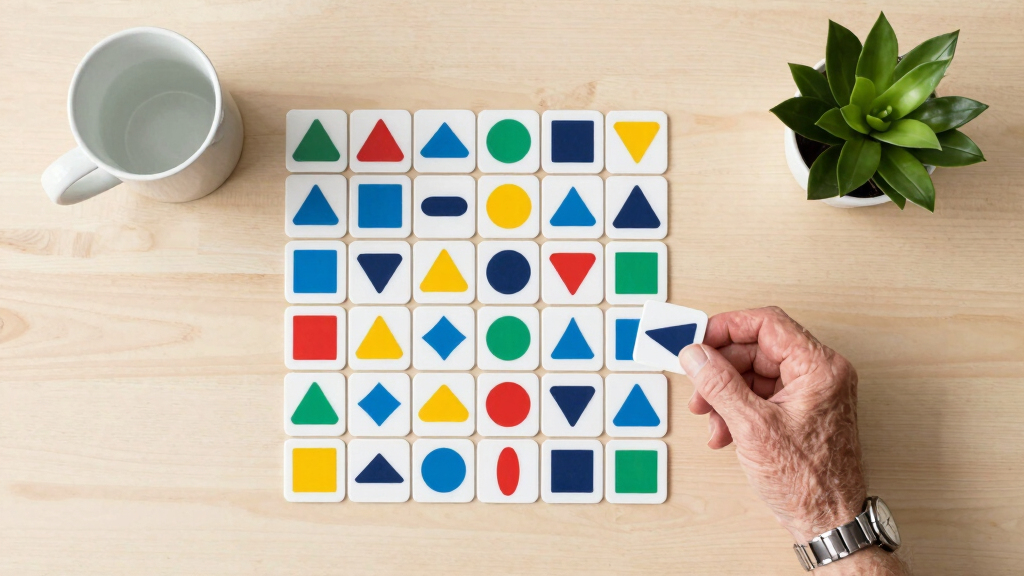
The products were selected based on their relevance to senior care, focusing on features that support cognitive health, user-friendliness, durability, and engagement. We prioritized games that are adaptable for different stages of dementia and Alzheimer’s, as well as those that promote social interaction and reminiscence. Our ranking also considers ease of use, safety, and value for money, ensuring options appeal to a broad range of users—from beginners to more advanced seniors. The evaluation process involved comparing product features, reviews, and usability to identify which games deliver meaningful cognitive benefits while remaining accessible and enjoyable.Factors to Consider When Choosing Senior Care Memory Games
Choosing the right memory game for seniors requires balancing several factors. Beyond just fun, these games should support cognitive health, safety, and ease of use. Considering the specific needs of the user—such as stage of dementia or preference for tactile versus visual stimuli—can help narrow your options. The right game enhances engagement without causing frustration, making it important to understand key features that influence success and longevity.Cognitive Engagement and Difficulty Level
Effective senior memory games should challenge the brain without overwhelming it. Look for options that offer adjustable difficulty levels or multiple game modes, which can adapt to different stages of cognitive decline. Simpler games with larger pieces and straightforward matching are ideal for advanced dementia, while more complex puzzles can benefit those with mild impairment or active seniors seeking mental stimulation. Avoid overly complicated games that might frustrate or discourage consistent use.
Sensory Feedback and Tactile Design
For seniors with sensory processing challenges or diminished tactile sensitivity, tactile feedback is essential. Games with textured pieces, large buttons, or easy-grip tiles can enhance engagement and reduce frustration. Sensory-rich options like fidget boards or textured tiles also support fine motor skills and provide calming stimuli. Be cautious of games with small parts or sharp edges, which pose safety risks and can diminish usability for those with tremors or arthritis.
Ease of Use and Setup
Simplicity in design ensures that seniors can independently set up and play without frustration. Look for games with clear instructions, minimal assembly, and intuitive gameplay. Avoid overly complex rules or small, delicate pieces that require adult supervision. Games that come with storage solutions or easy-to-clean materials also extend usability and maintain hygiene, especially important for communal or care home settings.
Durability and Material Quality
Memory games for seniors should withstand frequent use and handling. High-quality wood, sturdy plastics, or reinforced cardboard ensure longevity. Cheaper, flimsy materials may break or wear quickly, leading to frustration and higher replacement costs. Consider the environment where the game will be used—care homes or group settings benefit from robust designs that can handle multiple users and cleaning routines.
Price and Value
While budget options offer affordability, they may sacrifice durability or complexity. Conversely, premium games often incorporate more features, themes, or adjustable settings, which can justify their higher cost. Think about the long-term value: a slightly pricier game that lasts longer and adapts to changing needs often provides better overall value. Balance your budget with the features most relevant to the user’s stage of cognitive health and preferences.
Frequently Asked Questions
Can memory games help slow the progression of dementia?
While no game can reverse dementia, engaging in regular cognitive activities like memory games can help maintain mental function longer. These games stimulate brain regions associated with memory, recognition, and problem-solving, which may help slow cognitive decline temporarily. Consistent mental engagement combined with physical activity and social interaction offers the best overall approach to supporting cognitive health in seniors.
Are there any safety concerns I should consider with these games?
Safety is paramount, especially for seniors with mobility or sensory impairments. Always check for small parts that pose choking hazards, sharp edges, or fragile materials that could break easily. Opt for games with large, easy-to-handle pieces and non-toxic, child-safe finishes. Proper supervision during play can further prevent accidents and ensure a positive, safe experience for all users.
How do I choose a game suitable for someone with severe cognitive decline?
For advanced dementia, focus on simple, tactile, and sensory-rich options. Large pieces, high-contrast colors, and straightforward matching or sorting activities tend to work best. Avoid complex rules or intricate puzzles that could cause confusion. It’s often helpful to select games designed specifically for seniors with severe cognitive impairments or those labeled as reminiscence tools.
Is it better to choose a themed or generic memory game?
Themed games—such as those featuring familiar objects, animals, or nostalgic images—can enhance recognition and emotional connection, making the activity more engaging. However, generic games often focus purely on memory and matching skills, which may be better suited for cognitive training. Consider the individual’s preferences and memory stage to decide whether a familiar theme or a neutral design will be more effective and enjoyable.
How often should seniors play these memory games?
Regular, consistent play sessions—several times a week—can maximize the benefits of cognitive stimulation. Shorter sessions of 10-15 minutes are often more effective and less tiring, especially for those with advanced impairments. Monitoring the individual’s response and adjusting the frequency or difficulty ensures that the activity remains enjoyable and beneficial without causing fatigue or frustration.
Conclusion
For general use, the ThinkPsych Golden Memories offers a well-rounded experience with versatile topics and reminiscence support, making it ideal for most seniors. Those on a budget or seeking simple tactile options will find the Wooden Tiles Matching Game to be a practical choice. If premium quality and visual engagement are priorities, the QUOKKA Elderly Memory Games stands out. Beginners or seniors with advanced cognitive decline should opt for straightforward, tactile games with large pieces, while caregivers seeking long-term value might prioritize durable, adaptable options. Tailoring your choice to the individual’s needs ensures the most meaningful engagement and support.Fall Picks
fall essentials
As an affiliate, we earn on qualifying purchases.