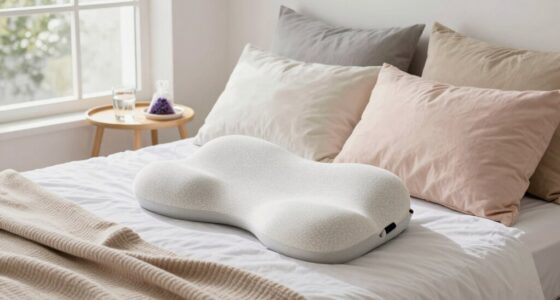
An adjustable bed is enough when it meets your specific needs, like improving sleep quality, reducing acid reflux, or alleviating back pain, especially if your mattress is compatible and you can customize positions. However, it might fall short if you have complex health issues or persistent discomfort despite adjustments. In such cases, you may need additional support or professional advice. To discover if your situation calls for more, keep exploring the details below.

Turn quiet afternoons into listening time
- Thousands of audiobooks, podcasts and originals
- Listen on your phone, tablet or Echo — also offline
- Cancel anytime
Key Takeaways
- An adjustable bed is sufficient when it improves sleep quality and alleviates specific issues like acid reflux or back pain.
- Compatibility with your mattress type, such as memory foam or hybrid, ensures effective adjustments and comfort.
- It may not be enough if persistent discomfort remains despite adjustments or if complex health conditions require specialized support.
- The adjustable bed’s effectiveness depends on personal preferences and its ability to optimize your sleep posture.
- Additional solutions or professional medical advice may be necessary if the bed does not address underlying health concerns or comfort needs.

An adjustable bed can considerably enhance your comfort and sleep quality, but knowing when it’s enough depends on your specific needs. If you’re looking to improve your sleep posture, an adjustable bed can help you find the ideal position that reduces pressure points and aligns your spine properly. When you customize the head and foot of your bed, you can alleviate common issues like acid reflux, snoring, or back pain. However, the effectiveness of an adjustable bed isn’t just about the features; it also hinges on mattress compatibility. Not all mattresses work well with adjustable bases. Memory foam, latex, and hybrid mattresses tend to be the best fit because they bend and contour without damage, allowing you to move freely without compromising comfort or longevity. If your mattress is too stiff or too springy, it may not respond well to adjustments, limiting the benefits you can gain from the bed’s features.
An adjustable bed improves sleep but depends on mattress compatibility for maximum benefit.
Knowing when an adjustable bed is enough involves evaluating whether it’s addressing your needs fully. For many, simply having the ability to elevate the head or legs can substantially improve sleep quality and help manage health conditions. If you find yourself frequently waking up with back pain, acid reflux, or restless sleep, an adjustable bed might be enough to make a noticeable difference. It’s also worth considering how well you adapt to different positions. If you’re comfortable experimenting with various angles and find that it enhances your sleep posture, then you’ve likely reached the right level of adjustment. Additionally, understanding adjustable bed features can help you better determine its suitability for your needs. Recognizing the importance of sleep environment and how it interacts with your adjustable bed setup can further optimize your overall sleep quality. Moreover, the degree of personal comfort preferences plays a significant role in whether an adjustable bed is sufficient for you.
Furthermore, being aware of your sleep habits and how they align with the adjustable bed’s capabilities can help you decide if it’s enough or if additional solutions are required. If your health issues are complex or require specialized support, such as orthopedics or specific mattress firmness, the bed alone might not solve your problems. In some cases, medical guidance can be essential to determine the best approach for your sleep health. Additionally, if you find yourself unable to achieve the comfort level needed despite multiple adjustments, it might be time to explore other solutions, like investing in a different type of mattress or consulting a healthcare professional.
Ultimately, an adjustable bed can be enough when it aligns with your sleep posture needs and is compatible with your mattress. It’s a valuable tool for improving sleep quality, but its success depends on how well you match it with your personal requirements and whether it complements other aspects of your sleep environment.
adjustable bed with memory foam mattress
As an affiliate, we earn on qualifying purchases.
As an affiliate, we earn on qualifying purchases.
Frequently Asked Questions
Can Adjustable Beds Help With Chronic Back Pain?
Yes, adjustable beds can help with chronic back pain by allowing you to customize your sleep posture. You can elevate your upper or lower body, reducing pressure on your spine. Using a memory foam mattress with an adjustable bed offers extra support and comfort. This combination promotes better alignment, relieves pain, and helps you wake up feeling more refreshed and less sore, making it a practical solution for back pain management.
Are There Specific Health Conditions That Require More Than an Adjustable Bed?
If you have specific health conditions like severe sleep apnea, spinal injuries, or heart issues, an adjustable bed alone might not be enough. You need to prioritize sleep hygiene, guarantee mattress compatibility, and consult your healthcare provider. These conditions often require specialized treatments alongside adjustable beds to improve comfort, safety, and overall health. Don’t compromise—seek tailored solutions that address your unique needs and promote better well-being.
How Long Do Adjustable Beds Typically Last?
Adjustable beds typically last around 8 to 10 years, depending on usage and maintenance. Your bed frame longevity hinges on quality and careful handling, while mattress compatibility plays a vital role in ensuring comfort and durability. Regularly checking mechanical parts and replacing the mattress when needed can extend your bed’s lifespan. Proper care helps you maximize your investment and enjoy the adjustable features for years to come.
Do Adjustable Beds Require Special Mattresses?
Absolutely, adjustable beds demand special mattresses—think of them as the VIPs of sleep setups! You need mattress compatibility that’s perfectly suited to the bed’s motorized frame, or risk a total flop. Maintenance requirements are minimal, but you should prioritize mattresses designed for adjustability—memory foam or latex work best. Ignoring these tips might turn your luxurious upgrade into a sleep disaster, so choose wisely and enjoy seamless comfort!
Are There Any Safety Concerns With Adjustable Beds?
Yes, there are safety concerns with adjustable beds. You should guarantee they meet safety regulations to prevent accidents, like pinched fingers or falls. Check if your bed has emergency features, such as an emergency release or manual override, so you can quickly adjust or free yourself if needed. Regularly inspect the bed’s mechanisms and keep the area clear to minimize risks and ensure safe use.
Conclusion
Picture yourself sinking into a perfectly adjusted bed, where comfort feels endless and pain fades away with each gentle incline. An adjustable bed can be enough when you crave personalized support and relief from aches. But if your needs go beyond comfort—say, medical conditions or specialized support—it’s time to explore other options. Think of it as the difference between a cozy blanket and a fully customized sanctuary, designed just for you.
Halloween Picks
halloween
As an affiliate, we earn on qualifying purchases.