You might overlook signs like medication management difficulties, sudden mood swings, or confusion in familiar places, which suggest a senior needs more supervision. If they forget doses, get lost easily, or withdraw from social activities, these are red flags. Watch for increased forgetfulness or safety concerns at home. Recognizing these subtle cues can help you act early. Keep going to discover more about how to spot these important signals and safeguard their safety.

Turn quiet afternoons into listening time
- Thousands of audiobooks, podcasts and originals
- Listen on your phone, tablet or Echo — also offline
- Cancel anytime
Key Takeaways
- Frequent medication errors or missed doses may indicate the need for closer supervision.
- Sudden or persistent mood changes can signal cognitive or emotional decline requiring oversight.
- Increased disorientation, such as getting lost or forgetting appointments, suggests a need for supervision.
- Declining personal hygiene and reduced social engagement are signs of growing dependency.
- Behavioral shifts indicating distress or confusion warrant early intervention and enhanced support.
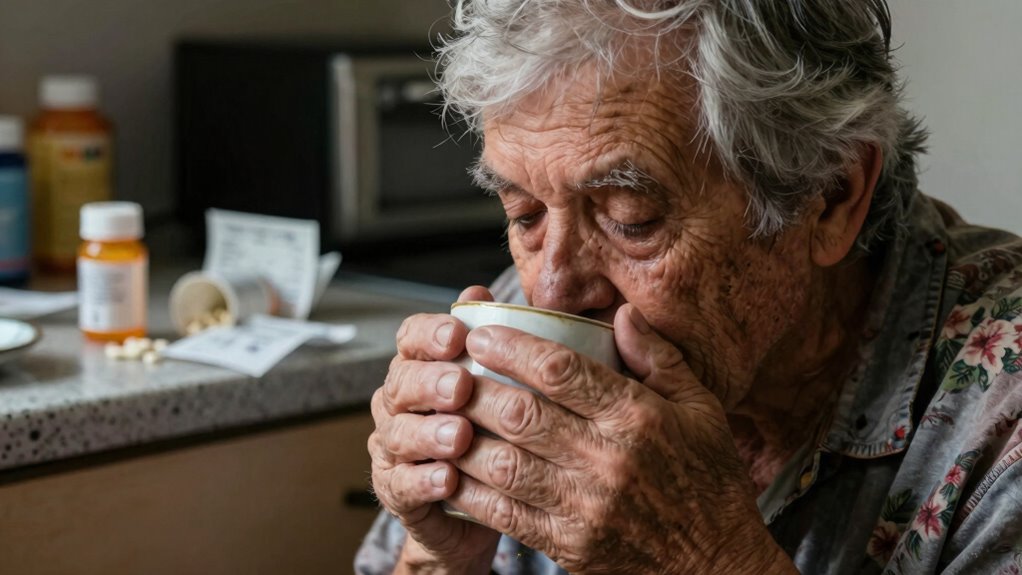
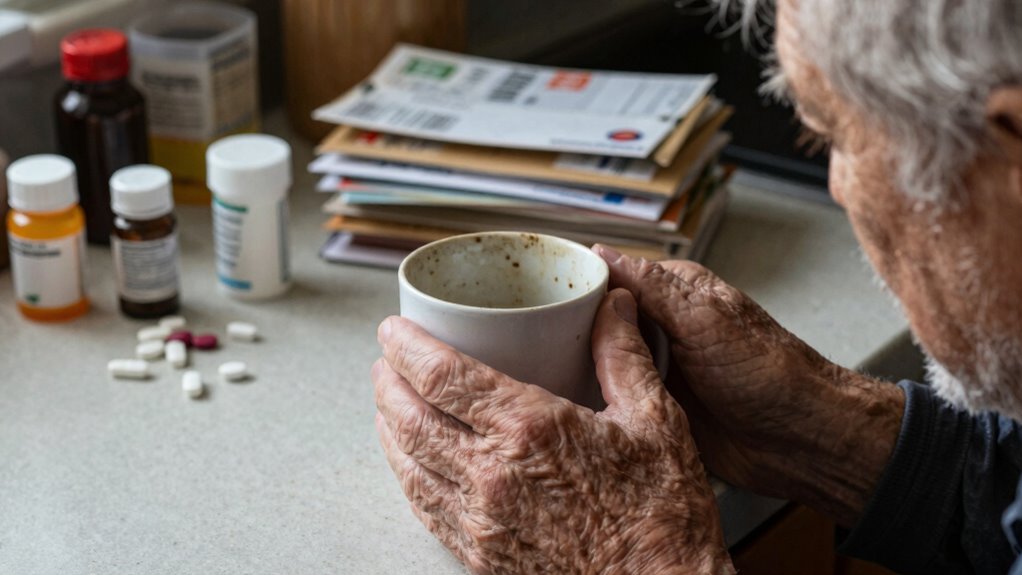
As seniors age, it’s easy to overlook subtle changes that may indicate they need more daily supervision. One of the most critical signs is difficulty with medication management. If you notice your loved one forgetting to take their pills, taking the wrong dosage, or mixing up their medications, it’s a clear sign that they might need closer oversight. Proper medication management is essential for their health, and even small errors can lead to serious consequences. Keep an eye on their routines—if they’re slipping or inconsistent, it’s time to think about additional support. Sometimes, confusion around medication routines can be mistaken for forgetfulness, but when it becomes a pattern, it signals that they might struggle to handle these responsibilities alone.
Difficulty managing medications signals the need for closer supervision and support to ensure their safety and health.
Sudden mood changes are another often-overlooked indicator that more supervision could be necessary. If your loved one’s personality shifts unexpectedly—becoming unusually irritable, anxious, or withdrawn—it might point to underlying health issues or cognitive decline. These mood swings can sometimes be subtle at first, easily dismissed as temporary stress or fatigue. However, persistent or intense changes deserve attention. They could signal neurological concerns, emotional distress, or side effects from medication. Recognizing these shifts early allows you to intervene before problems escalate, ensuring your loved one receives the support they need.
You might also notice your senior appearing more disoriented or confused, especially in familiar environments. This can manifest as difficulty remembering appointments, losing track of personal items, or getting lost in familiar places. These signs, combined with issues like medication mismanagement and mood swings, paint a clear picture that they may no longer be able to safely navigate daily life without supervision. Their personal hygiene might decline, or they could become less engaged in social activities, further indicating a need for help. Additionally, renewable energy solutions and safety measures at home can help create a secure environment for those with increasing cognitive challenges. Being aware of cognitive decline signs allows family members to act promptly to ensure their loved ones’ safety. Recognizing that early intervention can significantly improve quality of life underscores the importance of paying close attention to these early warning signs. Sometimes, behavioral changes can be subtle but are crucial indicators of the need for increased supervision. Moreover, understanding the importance of comprehensive care and support can help families prepare and respond effectively to these changes.
medication management for seniors
As an affiliate, we earn on qualifying purchases.
As an affiliate, we earn on qualifying purchases.
Frequently Asked Questions
How Can Family Members Better Communicate Concerns to Seniors?
You can better communicate concerns to seniors by choosing a respectful, compassionate tone that respects their independence. Use clear, gentle language and listen actively, allowing them to share their feelings. Show understanding of their desire for elderly independence while expressing your concerns thoughtfully. Maintain open, honest caregiver communication, and avoid confrontation. By fostering trust and empathy, you help seniors feel valued and safe, encouraging open dialogue about their needs.
What Are Common Emotional Signs Indicating a Need for Supervision?
You might notice emotional instability, such as sudden mood swings or increased agitation, signaling a need for supervision. Social withdrawal is another key sign—if your senior becomes less engaged with friends or family, they could be struggling emotionally. These changes can indicate underlying issues, so it’s crucial to observe their emotional stability closely and encourage open conversations. Addressing these signs early helps guarantee they get the support they need.
How Does Medication Management Impact Supervision Requirements?
Did you know that medication errors affect up to 50% of seniors? Proper medication management directly impacts supervision needs, as issues with medication adherence or dosage accuracy can lead to confusion, health decline, or safety risks. When seniors struggle with managing their medicines, they often require more daily supervision to make certain they take the right doses at the right times, preventing complications and supporting overall well-being.
Are There Specific Health Conditions That Increase Supervision Needs?
Yes, certain health conditions increase supervision needs. If your senior has chronic diseases like diabetes or heart issues, they may require regular monitoring and assistance. Cognitive decline, such as dementia or Alzheimer’s, also raises supervision requirements because of memory problems, confusion, or safety risks. Recognizing these conditions early helps guarantee they get the proper support, reducing the chances of accidents or health complications.
How Can Community Resources Support Seniors Needing More Supervision?
Community connections can considerably care for seniors needing more supervision. Local programs promote participation, provide practical support, and foster friendships, helping seniors stay safe and social. By engaging in community events and accessing resources like transportation or home visits, you guarantee they’re monitored and maintained. Active involvement from community organizations creates a caring, connected environment, giving you peace of mind while empowering seniors to thrive with tailored support.
Conclusion
So, while you might think your loved one’s independence means they’re fine, those subtle signs—like forgetting appointments or neglecting chores—are actually cries for help. Ironically, their “sudden” independence might conceal the need for more supervision, not less. Sometimes, the most overlooked signals are the loudest. Paying close attention now can guarantee they stay safe and loved, even if it means admitting that, yes, they do need a little more daily support.
Halloween Picks
halloween
As an affiliate, we earn on qualifying purchases.