
TL;DR

Get comfort and care essentials delivered free — and shop member deals
- Fast, free delivery on millions of items
- Access to Prime Big Deal Days deals on October 6–7
- Prime Video, Amazon Music and more included
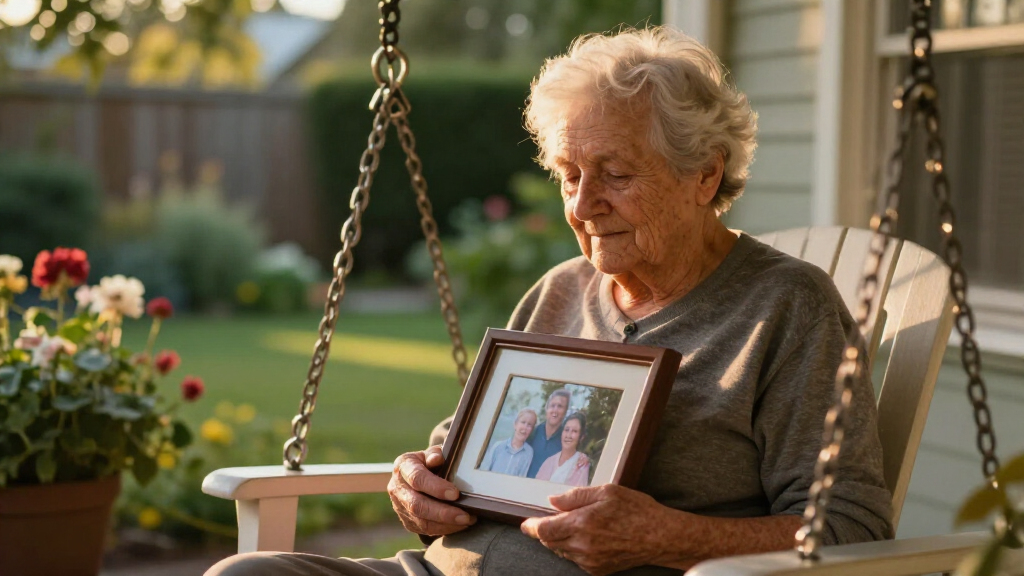
Recent research and expert opinions highlight how individuals carry the memories and influence of loved ones who have passed away. This phenomenon impacts emotional well-being and identity, though some aspects remain under study.
Recent studies and expert insights confirm that many people continue to feel the presence, influence, and memories of loved ones long after their passing, affecting their emotional health and personal identity. You can learn more about how to love your body again after significant life changes. This phenomenon is increasingly recognized as a significant aspect of grief and psychological resilience, highlighting its importance for mental health understanding.
Researchers in psychology and neuroscience have documented how memories of loved ones persist in the brain, shaping behaviors, choices, and emotional responses. According to Dr. Lisa Carter, a clinical psychologist at the University of California, ‘The way we internalize memories allows loved ones to live on within us, providing comfort and guidance.’
Studies indicate that people often experience ongoing emotional connections through memories, rituals, and internalized values, which can serve as sources of strength during grief. For more personal growth stories, see The Wholeness I Found When I Lost Someone I Love. Experts note that this process varies widely among individuals, influenced by cultural, personal, and psychological factors.
While some claim that these internalized memories can help with healing, others caution that they might also hinder closure if unresolved grief persists. You might find it helpful to explore recognizing love bombing as a sign of abuse as part of understanding emotional resilience.
Why Remembering Loved Ones Matters for Emotional Resilience
This phenomenon matters because it highlights the enduring power of emotional bonds and their role in mental health. Recognizing that loved ones live on in our memories can provide comfort and a sense of continuity, aiding in grief processing. It also underscores the importance of healthy remembrance practices and psychological support for those coping with loss.
As an affiliate, we earn on qualifying purchases.
Recent Research and Cultural Perspectives on Memory and Loss
Over recent years, psychological and neuroscientific research has increasingly focused on how memories of loved ones influence ongoing mental health. Cultural practices around remembrance, such as memorials and rituals, reinforce the idea that loved ones continue to shape lives beyond death. Historically, many cultures view remembrance as a vital part of healing and maintaining emotional bonds.
Current studies from institutions like the University of California and Harvard University support the notion that internalized memories can serve as sources of strength, though the mechanisms behind this are still being explored. The ongoing debate centers on whether these memories primarily aid healing or risk prolonging grief.
“The way we internalize memories allows loved ones to live on within us, providing comfort and guidance.”
— Dr. Lisa Carter, Clinical Psychologist
Unresolved Questions About Memory and Grief Processing
It is not yet clear how long the influence of loved ones persists or how it varies among individuals. Researchers are still investigating whether these internalized memories can sometimes hinder emotional closure or lead to complicated grief. The precise neural mechanisms behind these processes remain under study, and more longitudinal research is needed to understand long-term effects.
Future Research and Practical Applications in Mental Health
Ongoing studies aim to clarify how internalized memories affect mental health over time. Researchers are also exploring interventions that can help individuals balance remembrance with emotional closure. Mental health practitioners may increasingly incorporate remembrance practices into grief counseling, supported by emerging scientific insights.
Key Questions
How do memories of loved ones influence our daily lives?
Memories can shape our decisions, values, and emotional responses, often providing comfort or guidance based on past experiences with loved ones.
Can remembering loved ones help with grief?
Yes, many find that internalizing memories can provide ongoing comfort and a sense of connection, aiding in emotional resilience during mourning.
Are there risks to holding onto these memories?
In some cases, persistent memories may delay closure or contribute to complicated grief if not balanced with healthy coping strategies. Professional support can help manage this process.
What scientific evidence supports the idea that loved ones live on in us?
Research in psychology and neuroscience shows that memories and emotional bonds are stored in the brain, influencing behavior and identity long after death, though the mechanisms are still being studied.
Source: rss
Fall Picks
fall essentials
As an affiliate, we earn on qualifying purchases.