TL;DR
Elderly fall prevention devices can support safer movement or help someone reach assistance, but no device prevents every fall. Match equipment to the person’s balance, home, and habits, then check fit, training, upkeep, and costs with a health professional when needed.
A walker leaning in the hallway cannot steady you if it is the wrong height, and a help button left on the bedside table cannot call anyone from the bathroom. Fall prevention devices work best when they fit the person and the moment they are meant to help with.

Turn quiet afternoons into listening time
- Thousands of audiobooks, podcasts and originals
- Listen on your phone, tablet or Echo — also offline
- Cancel anytime
Falls are common among older adults, but no device can prevent every fall. This guide walks you through mobility aids, alert systems, and home safety equipment, with practical ways to compare them and questions to ask before buying.
You’ll also see why a gadget works better as part of a wider plan: safer paths through the home, suitable exercise, vision care, and medication review. For example, a grab bar may help someone step out of a shower, while a physical therapist can check whether their cane is the right height. The goal is support that fits real life, not a promise of risk-free movement.
Start with the specific task or place that feels risky, then choose equipment to match it.
Ask a clinician or physical therapist to help select, fit, and teach safe use of a cane or walker.
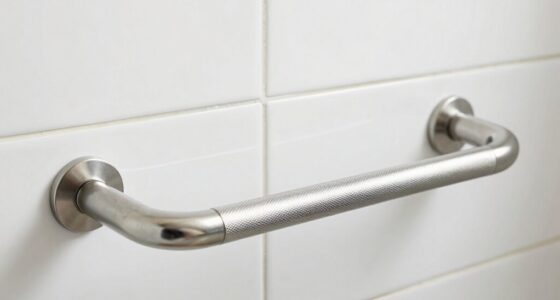
Use securely installed grab bars; towel bars are not designed to replace them.
Check alert devices for wearability, charging, service coverage, response arrangements, and fall detection limits.
Combine devices with attention to home hazards, exercise suited to the person, vision, medicines, and professional advice.
Choose devices by the task you need help with
Elderly fall prevention devices help with different tasks: some support walking, some make risky home movements easier, and some help summon assistance after an emergency. Start by naming the moment that causes trouble, such as getting out of a bathtub, crossing a dim hallway, or walking to the mailbox. That concrete detail helps you avoid buying a device that solves a problem the person does not have.
Consider a person who feels unsteady on a long walk but moves confidently between rooms. A rollator with a seat may help outdoors, while adding a walker inside could clutter narrow doorways. Someone else may walk steadily but worry about being alone after a fall; a wearable alert may suit that concern better than a mobility aid.
Think of equipment as a set of tools in a kitchen drawer: a sharp knife and a sturdy step stool each have a job, and neither replaces care with the other. Falls are common among older adults, but equipment alone cannot address every cause. A useful plan may combine safer surroundings, strength and balance activity suited to the person, vision care, medication review, and guidance from a qualified health professional.
When you compare products, write down the task, where it happens, and what the person can comfortably operate. If falls are repeated or mobility has changed, bring those notes to a clinician or physical therapist. Their assessment can help connect the right tool to the right problem.
Products Worth Considering

Philips Sonicare DiamondClean 9500 Electric Toothbrush, Black, with 3 Brush Heads

Garmin Forerunner 265S Running Smartwatch, 42 mm, Whitestone/Neo Tropic

Bowflex SelectTech 840 Adjustable Kettlebell
As an affiliate, we earn on qualifying purchases.
Compare mobility aids before you buy
The right mobility aid depends on balance, strength, surroundings, and how the person moves through an ordinary day. A cane offers one point of support and takes less space, while walkers and rollators provide a wider base. More support can help in some situations, but any aid needs the right fit and safe handling.
For example, if someone uses a cane on the walk to a nearby shop, check whether they can hold it comfortably and manage curbs. A rollator might offer a seat for rest breaks, but its wheels and brakes need attention, and it may be awkward in a cramped kitchen. A walker that is too tall or too short can make a person lean or lift their shoulders.
| Device | May suit | Check before relying on it |
|---|---|---|
| Cane | Someone who needs a little extra support | Fit, grip, tip condition, and safe technique |
| Walker | Someone who needs broader support while walking | Height, path width, and training |
| Rollator | Someone who benefits from wheels and rest breaks | Brake use, wheel condition, and whether the person can control it |
These differences affect how an aid behaves under pressure. A cane is easier to carry and maneuver, but provides less support and requires the person to coordinate it with each step. A standard walker can feel more stable, yet needs the user to lift or advance it and may be difficult over thresholds. A rollator moves more smoothly and offers a seat, but its wheels can roll away if the brakes are not applied before sitting or standing. A device that looks more supportive on paper can therefore create new challenges if it does not match the person’s strength, coordination, or surroundings.
A clinician or physical therapist can help select and adjust a cane or walker and teach safe use. Ask for a demonstration in the places the person actually walks, if practical. A device can create a hazard when someone has not practiced using it, so a few guided trips around the home may matter more than a polished sales display.
Use home safety equipment where slips and awkward steps happen
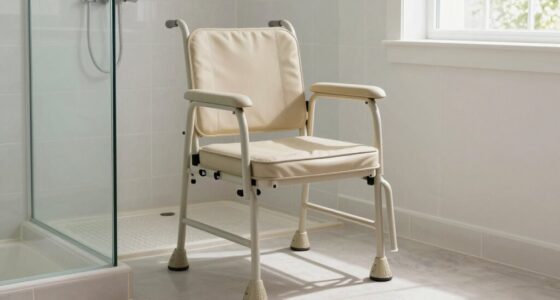
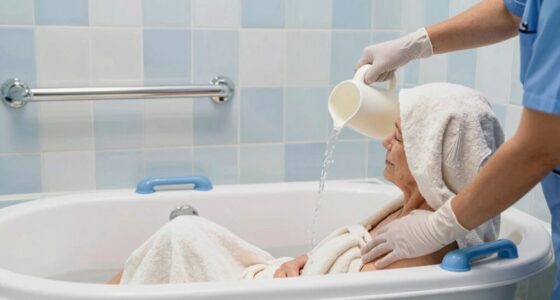
Home safety equipment can make routine movements steadier by giving support where people reach, turn, or step. Common choices include securely installed grab bars, handrails, shower seats, nonslip surfaces, raised toilet seats, and brighter lighting. Their value depends on the home layout and the person’s routine, so inspect the actual route rather than shopping from a generic checklist.
Imagine someone stepping into a shower each morning. A stable grab bar placed within comfortable reach and a shower seat may make that task feel more manageable; a towel bar is not a substitute because it may not hold a person’s weight. Have grab bars installed to handle the expected load, and check that handrails are secure before relying on them.
Walk the home together at the times the person uses it. A dark hall at night may call for a night light, while a loose rug near the kitchen could be removed or secured. Better lighting can make stair edges and obstacles easier to see, like turning up the brightness on a map before choosing a route. Clear walking paths and secure supports can reduce everyday hazards.
The details of placement matter because people tend to reach where support is familiar and close. A bar positioned too far away may encourage a risky twist or go unused, and a poorly secured bar can fail just when someone puts weight on it. A shower seat can reduce the need to stand on a wet surface, though it needs to fit the space and allow safe transfers. Rugs and cords can catch a foot, while removing every mat may also remove useful traction; choose changes based on the surface and the person’s walking pattern.
Make changes around the person’s mobility, vision, and habits. Someone who carries tea from the kitchen might benefit from a clear route and a place to set the mug, while someone who gets up at night may need a light within easy reach. If you are unsure where support belongs, ask an occupational therapist or other qualified professional to review the home setup.
Know what a personal alert device can and cannot do
Personal emergency response systems let a wearer call for help using a pendant, wrist device, or watch, and some models add automatic fall detection. They can be useful when someone spends time alone and wants a way to contact a response service or chosen contact. They do not guarantee that every fall will be detected or that a call will always connect.
For instance, a person may wear a pendant around the house but take it off before showering, precisely when a slippery surface can be a concern. Another person may charge a watch overnight and forget to put it back on. These everyday gaps show why comfort, charging habits, and where the device works matter as much as its feature list.
Before buying, check whether the system needs a subscription, how it connects, whether it works outside the home, and who responds to an alert. Ask what happens if the wearer cannot answer, the battery runs out, or cellular service or internet fails. Automatic detection may miss a fall or trigger a false alarm, so agree on a backup plan with family or caregivers.
These tradeoffs determine whether an alert system fits the person’s actual risk. A home-based unit may cost less but only work within its base station’s range; a mobile system offers more freedom but may depend on cellular coverage, GPS, and regular charging. A monitored service can route a call to trained responders, while a device that contacts family relies on someone being available and knowing what to do. Consider the wearer’s privacy and comfort too: a device that feels intrusive or is uncomfortable in bed or the shower is more likely to be left behind.
A personal alert may support faster help, but it cannot prevent the fall itself. Try the device during the wearer’s normal routine, and practice pressing the call button. A device is useful only when it is worn, charged, and connected to a working service that someone knows how to respond to.
Make footwear and smart-home tools fit real routines
Supportive footwear and monitoring tools can add practical help, but each comes with limits you should test in the conditions where it will be used. Well-fitting shoes may support steadier walking. Ice grips can help outdoors in some icy conditions, yet they may slip on smooth indoor floors and should be removed before entering a building.
Picture an older adult coming home after a snowy walk. Grips can help on an icy path, but wearing them across a polished lobby may create a new slipping hazard. Keep a place near the door to remove and store them, and make sure indoor shoes fit securely and have soles suited to the floor.
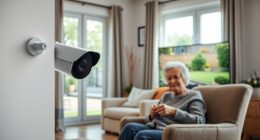
Motion sensors, cameras, and connected home devices may help a caregiver notice unusual inactivity or summon assistance. But a sensor can misread a quiet afternoon, and a camera raises questions about consent and privacy. Internet or power outages can disrupt connected systems; ask what happens when the network drops and whether the device stores or shares recordings.
For example, a family might choose a motion sensor in a hallway instead of a camera in a private room, then agree with the older adult on what events prompt a check-in. Comfort, consent, reliability, and ongoing cost belong in the decision alongside advertised features. Test alerts, discuss who receives them, and review the setup if routines or needs change.
Build a practical safety plan around the device
A device works best inside a broader fall prevention plan that also looks at strength, balance, vision, medicines, and home hazards. Equipment can support a person during a specific task, but it does not address every factor that may affect steadiness. A health professional can help assess recurrent falls or a change in mobility and suggest appropriate next steps.
- Name the risky moment. Note where and when trouble occurs, such as nighttime trips to the bathroom or fatigue on outdoor walks.
- Match a tool to that moment. Consider a light, grab bar, mobility aid, or alert system based on the person’s needs and abilities.
- Practice and maintain it. Learn safe use, check fit and condition, charge batteries, and test alerts or brakes.
- Review the wider picture. Ask a qualified professional about suitable strength and balance activity, vision, medicines, and recurring falls.
Take a person who feels unsteady standing from a low chair. A raised seat or stable support might help with that movement, while a clinician can check whether pain, weakness, or medication effects also need attention. Treat the device like a handrail on a staircase: it supports one part of the journey, while good lighting and sound steps still matter.
The review step matters because falls often have more than one contributing factor. A device may make a transfer easier, for example, but dizziness, poor lighting, or medication side effects could still make the person unsteady. Checking how the plan works in everyday use can reveal these gaps: perhaps the walker is parked out of reach, or the alert is not worn during a routine task. Adjusting one tool at a time makes it easier to see whether it helps and whether it introduces a new obstacle.
Involve the older adult in choosing equipment. A pendant that pinches or a walker that feels embarrassing may sit unused. Comfort and confidence shape consistent use, so try options where possible and make room for privacy and independence in the plan.
Frequently Asked Questions
What is the best fall prevention device for an older adult?
There is no single best device for everyone. The right choice depends on balance, strength, home layout, routines, and whether the person can use it safely. A physical therapist or clinician can help assess whether a cane, walker, home modification, or another option fits.
Do medical alert devices detect every fall?
No. Automatic detection can miss a fall or trigger a false alarm, and service may fail if the device is uncharged or cannot connect. Check how the system works and arrange a backup way to get help.
Is a cane or walker safer?
It depends on the person and the setting. A cane may suit someone needing modest support, while a walker offers a broader base. A professional can help select and fit an aid, then show the person how to use it safely.
What home changes can help reduce fall hazards?
Common changes include clear walking paths, better lighting, secure handrails, and properly installed grab bars. The most useful changes depend on where the person moves and what tasks feel difficult. A towel bar should not be used as a grab bar.
Are wearable alert devices worth the cost?
They may be useful when quick access to help matters, especially for someone who spends time alone. Compare upfront and subscription costs, battery life, coverage, and who responds. Consider whether the person will wear and charge the device consistently.
Can fall prevention devices replace exercise or supervision?
No. Devices can support safety, but they do not replace suitable strength and balance activity, home hazard changes, clinical care, or assistance when needed. A qualified professional can help determine what belongs in an individual plan.
How can caregivers encourage someone to use a device?
Include the person in the choice and let them try the device. Comfort, ease of use, independence, and privacy all affect whether it becomes part of a routine. Practice together and agree on how alerts or check-ins will be handled.
When should someone seek medical advice after a fall?
Seek medical attention for an injury, head impact, or concerning symptoms such as pain, confusion, or weakness. Repeated falls also call for a professional assessment to look for possible causes and ways to reduce risk. For urgent symptoms, contact local emergency services.
Conclusion
Choose a device by asking one practical question: what specific moment should this make safer or easier? Then check that the person can use it comfortably, that it fits the home, and that someone understands its limits. A cane, grab bar, or alert system can be a helpful part of the answer, but no device prevents every fall.
Walk the route, test the equipment, and review the wider safety plan with a qualified professional when falls repeat or mobility changes. The best setup is the one that fits an ordinary Tuesday morning as well as it fits the product brochure.