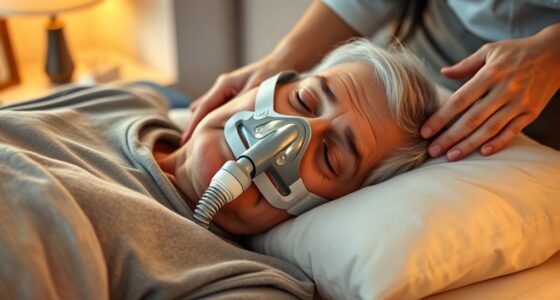

To manage chronic migraines without drugs, focus on lifestyle changes like maintaining regular sleep, balanced eating, and staying hydrated. Incorporate physical therapies such as massage and chiropractic care, along with stress-reduction practices like deep breathing or meditation. Adjust your diet to avoid triggers and explore sound healing for relaxation. Building healthy habits and creating calming environments can also make a big difference. Keep exploring, and you’ll find more strategies tailored to your needs.
Key Takeaways
- Implement lifestyle modifications like consistent sleep, balanced diet, and stress reduction techniques such as meditation or gentle yoga.
- Use physical therapies like massage, chiropractic care, and targeted exercises to relieve muscle tension and improve posture.
- Practice mindfulness, deep breathing, and hobbies to manage stress and enhance resilience against migraine triggers.
- Create a calming environment and incorporate sound healing and emotional support for relaxation and overall well-being.
- Recognize the importance of personalized strategies based on self-awareness and personality insights for effective migraine management.
Lifestyle Changes to Reduce Migraine Frequency
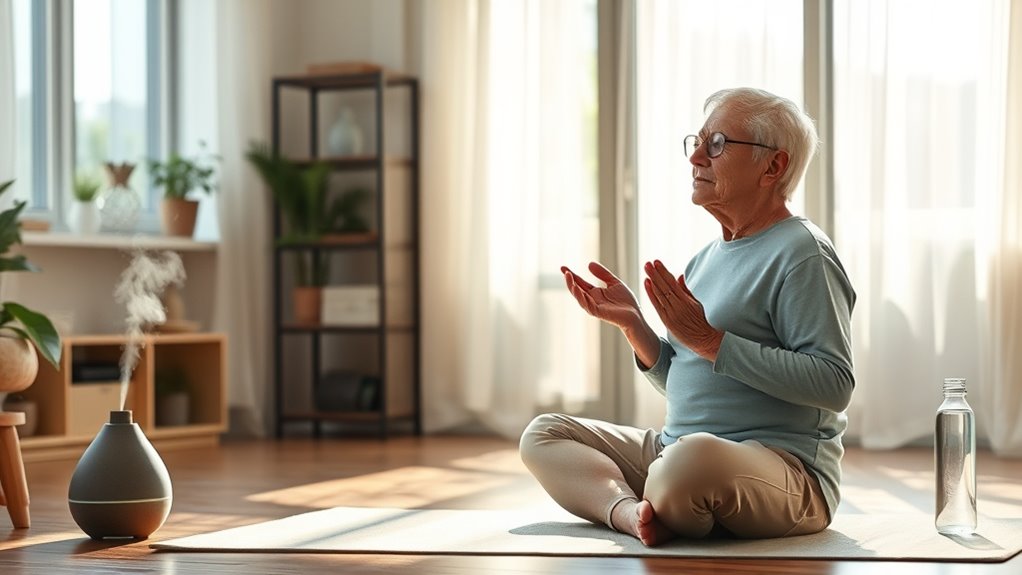
Making simple lifestyle changes can markedly reduce the frequency of migraines in older adults. You should aim to establish a consistent daily routine, including regular sleep patterns, as irregular sleep can trigger migraines. Prioritize getting enough restorative sleep each night and avoid oversleeping or staying up late. Managing stress is also critical; try relaxation techniques like deep breathing, meditation, or gentle yoga to keep stress levels in check. Stay hydrated by drinking plenty of water throughout the day, and watch your caffeine intake, as excessive caffeine can either trigger or worsen migraines. Additionally, maintaining a balanced diet and avoiding known food triggers, such as aged cheese or processed foods, can help prevent attacks. Incorporating sound healing science techniques, such as listening to calming music or using sound vibrations, may also promote relaxation and reduce migraine frequency. It’s also beneficial to monitor and understand credit card terms, as financial stress can contribute to overall stress levels that may influence migraine occurrence. Being aware of lifestyle factors that impact your health can further empower you to manage your condition effectively. For example, understanding the contrast ratio of your environment can help you optimize lighting conditions to reduce migraine triggers. Engaging in regular physical activity can also improve overall health and help decrease migraine episodes. These lifestyle adjustments empower you to take control and reduce migraine frequency naturally.
Physical Therapies and Manual Techniques
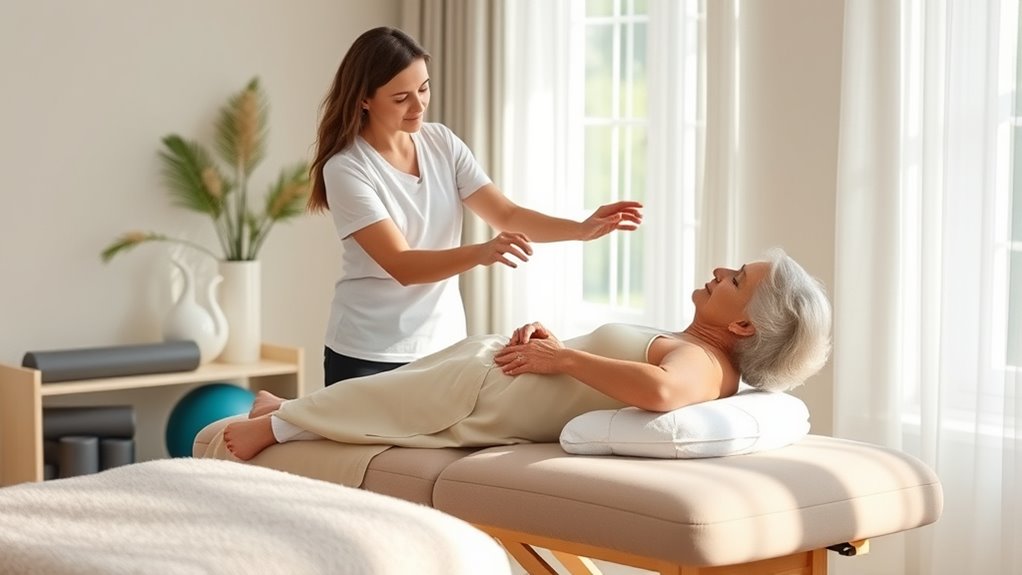
Incorporating physical therapies and manual techniques can further help manage chronic migraines in older adults. Techniques such as massage therapy, chiropractic adjustments, and physical therapy exercises target muscle tension and improve circulation, which can reduce migraine frequency and intensity. Regular massage can ease neck and shoulder tension often associated with migraines. Chiropractic care might help correct misalignments that contribute to nerve irritation and headache pain. Physical therapy exercises strengthen neck and shoulder muscles, promoting better posture and reducing strain. These approaches can also help manage stress and improve overall relaxation, which are key factors in migraine prevention. Additionally, therapeutic movement can enhance flexibility and reduce muscle stiffness, further alleviating migraine symptoms. Incorporating manual therapy techniques into your routine can provide a holistic approach to migraine management. Always consult with a healthcare professional experienced in migraine management before starting any manual therapy, ensuring the techniques suit your individual health needs. Moreover, understanding emotional support strategies can be beneficial for coping with chronic pain conditions like migraines. Recognizing the importance of dog names can sometimes serve as a positive distraction and mood booster during your treatment journey. Exploring self-care practices such as relaxation techniques and proper sleep hygiene can also complement manual therapies and improve overall well-being.
Mind-Body Practices for Migraine Relief

Mind-body practices offer effective, non-invasive ways to manage chronic migraines in older adults. These techniques help reduce stress, improve relaxation, and decrease migraine frequency. When you incorporate them into your routine, you create a calming environment that supports migraine relief. Here are three practices to contemplate:
- Mindfulness Meditation – Focuses your attention on the present moment, helping reduce stress triggers.
- Deep Breathing Exercises – Promotes relaxation by slowing your breathing and calming your nervous system.
- Progressive Muscle Relaxation – Guides you to tense and relax muscle groups, easing physical tension that may trigger migraines.
– Incorporating stress management techniques can further enhance the effectiveness of these practices and promote overall well-being.
Dietary Adjustments and Nutritional Support

Adjusting your diet and ensuring proper nutritional support can considerably impact the frequency and severity of migraines in older adults. Focus on maintaining a balanced diet rich in fruits, vegetables, lean proteins, and whole grains, which can help stabilize blood sugar levels and reduce migraine triggers. Avoid processed foods, artificial sweeteners, and excessive caffeine, as these can worsen migraines. Incorporate magnesium-rich foods like nuts, seeds, and leafy greens, since magnesium deficiency is linked to migraines. Staying well-hydrated is vital; drink plenty of water throughout the day. Consider adding omega-3 fatty acids from fish or supplements, as they may reduce inflammation. Additionally, automation technologies are being used in healthcare settings to improve patient monitoring and management, potentially helping to identify migraine triggers more effectively. Monitoring migraine patterns can help in customizing lifestyle modifications for better management. Emerging research into nutritional strategies offers promising avenues for non-drug approaches to migraine relief. Implementing privacy-conscious tracking can further enhance personalized treatment plans without compromising user privacy. Moreover, incorporating patient education on trigger avoidance can empower older adults to better manage their condition. Always consult your healthcare provider before making significant dietary changes or starting supplements, especially if you have other health conditions.
Stress Management Strategies
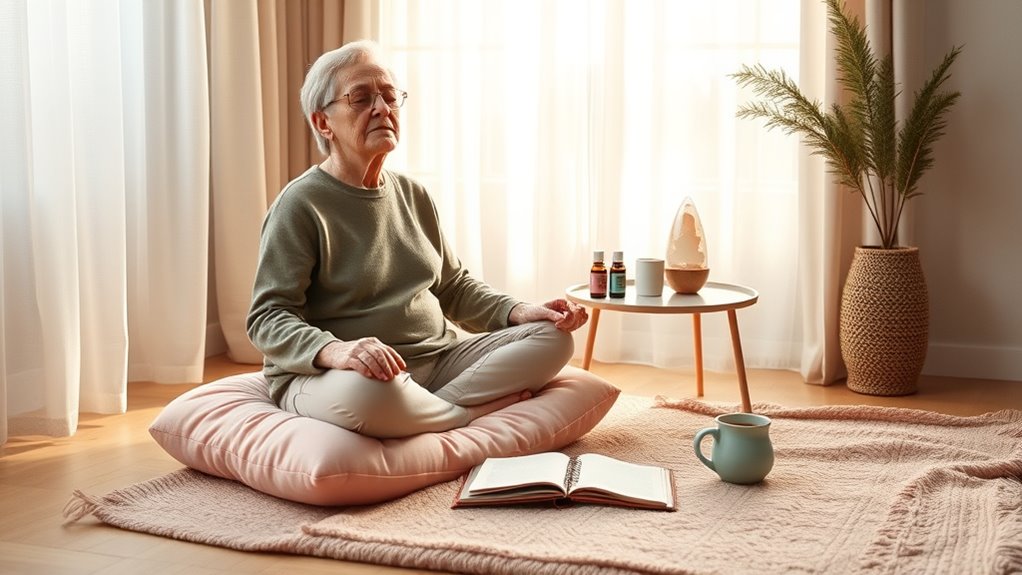
Since stress can be a significant trigger for migraines in older adults, adopting effective stress management strategies is essential. Managing stress helps reduce migraine frequency and severity. You can try these approaches:
- Practice deep breathing or mindfulness meditation daily to calm your mind and lower tension levels.
- Incorporate regular physical activity, like walking or yoga, to release stress hormones and boost mood.
- Set aside time for hobbies or relaxation techniques that bring you joy and help you unwind after busy days.
- Using crochet kits for beginners can provide a relaxing and creative outlet that helps divert focus from stressors.
- Incorporating mindfulness practices into your daily routine can enhance your overall sense of calm and resilience.
- Understanding your migraine triggers can help you identify specific stressors to avoid or better manage.
- Maintaining a balanced diet and avoiding excessive caffeine or alcohol intake can also contribute to lower stress levels and reduce migraine risk.
- Exploring personality test insights can help you better understand your stress responses and develop personalized coping strategies.
Consistency is key—making these practices part of your routine can make a noticeable difference. Remember, managing stress isn’t about eliminating all pressure but about creating healthy habits that support your well-being and reduce migraine triggers.
Frequently Asked Questions
Are There Any Specific Non-Drug Therapies Recommended for Older Adults?
Understanding non-drug therapies for older adults with migraines is vital. You should consider approaches like cognitive-behavioral therapy to manage stress, biofeedback to control physiological responses, and relaxation techniques such as meditation or deep breathing. Regular physical activity, tailored to your ability, can also help reduce migraine frequency. Always discuss these options with your healthcare provider to make sure they fit your health needs and won’t interfere with any medications or conditions.
How Do Sleep Patterns Influence Migraine Frequency in Seniors?
Ever wonder how your sleep habits affect your migraines? Sleep patterns play a vital role in migraine frequency for seniors. Irregular sleep, insufficient rest, or disrupted routines can trigger more attacks. Maintaining a consistent sleep schedule, creating a relaxing bedtime routine, and ensuring good sleep hygiene can help reduce migraine episodes. You have the power to influence your migraine management simply by improving your sleep quality and consistency.
Can Alternative Medicine Effectively Prevent Migraines in Older Populations?
You might wonder if alternative medicine can prevent migraines effectively in older adults. While some methods like acupuncture, biofeedback, and herbal supplements show promise, their effectiveness varies individually. You should consult your healthcare provider before trying these options, as they can help determine safe, personalized strategies. Combining alternative approaches with lifestyle changes may reduce migraine frequency, but it is crucial to ensure they complement any existing treatments you’re using.
What Safety Considerations Exist for Manual Therapies in Elderly Patients?
Ever wonder how manual therapies can be safely applied to older adults? You should consider their unique health conditions, such as osteoporosis or cardiovascular issues, which might increase risks. Always guarantee a thorough assessment and seek trained, licensed practitioners. Gentle techniques are preferable, and monitoring for adverse reactions is vital. By prioritizing safety, you can help older patients benefit from manual therapies without unnecessary harm.
How Can Caregivers Support Non-Drug Migraine Management in Seniors?
You can support non-drug migraine management in seniors by encouraging relaxation techniques like deep breathing or meditation, helping them maintain a consistent sleep schedule, and promoting regular hydration and healthy eating habits. Be attentive to triggers such as stress or specific foods, and assist in creating a calm, peaceful environment. Your support in tracking symptoms and avoiding known triggers empowers them to manage migraines more effectively.
Conclusion
While it might seem easier to rely solely on medication, embracing non-drug options can markedly reduce your migraine frequency and improve your quality of life. These approaches, like lifestyle changes, physical therapies, and stress management, empower you to take control of your health. Even if you’ve tried other methods before, giving these strategies a genuine effort can lead to lasting relief—so don’t overlook their potential to make a real difference.