

You might mistake normal end-of-life signs, like irregular breathing or skin color changes, for pain or distress. These physical cues are part of the body’s natural decline and don’t always indicate suffering. Cultural beliefs and emotions can also influence how you interpret these signs, causing unnecessary worry. Understanding what’s typical can help you feel more confident and less anxious. Keep exploring—there’s more to learn about recognizing these signs correctly and providing comfort.

Turn quiet afternoons into listening time
- Thousands of audiobooks, podcasts and originals
- Listen on your phone, tablet or Echo — also offline
- Cancel anytime
Key Takeaways
- Families often mistake irregular breathing patterns, like Cheyne-Stokes, as signs of pain or distress rather than natural dying processes.
- Skin color changes, such as mottling or pallor, are frequently misinterpreted as signs of suffering instead of normal circulation decline.
- Rapid or shallow breaths may be seen as agitation or discomfort, but they are often part of the body’s natural shutting down.
- Emotional responses or cultural beliefs can lead families to interpret physical signs as distress when they are part of peaceful end-of-life changes.
- Lack of professional guidance can cause misreading of signs, leading to unnecessary worry or premature decision-making.
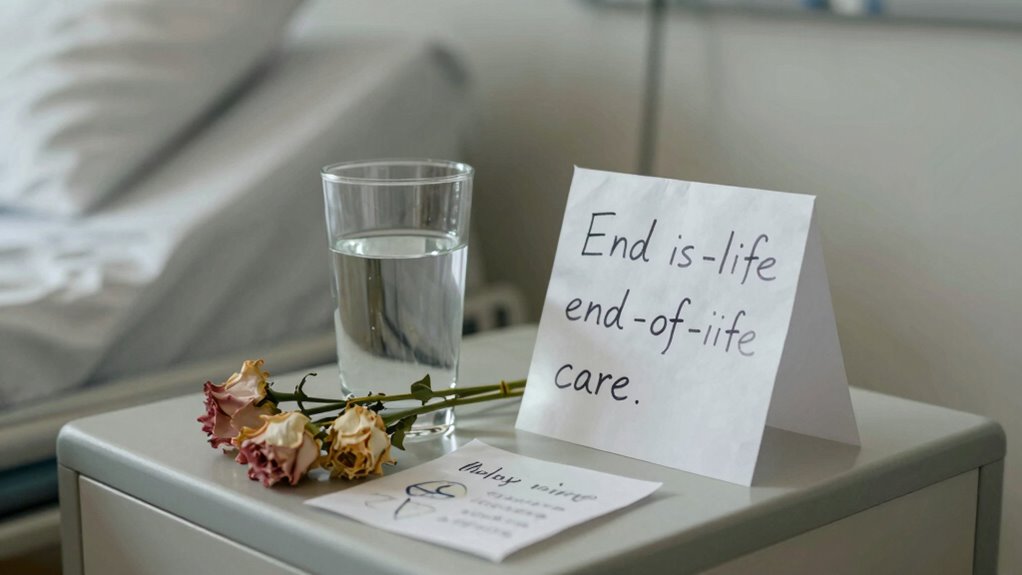
Understanding the signs of the end of life can be challenging for families, often leading to misinterpretations that affect decision-making and emotional readiness. As you watch your loved one, you might notice changes in their breathing, skin color, or level of consciousness. These signs can be confusing, especially because emotional responses and cultural differences influence how families interpret what they see. For instance, some cultures view certain physical signs as a sign of peace and acceptance, while others see them as distress or decline. You may feel anxious or hopeful, but it’s important to recognize that these reactions are natural and vary widely based on personal and cultural backgrounds.
You might observe your loved one breathing irregularly, with periods of rapid breaths followed by long pauses. Many families mistake this pattern for suffering or pain, but it’s often a normal part of the dying process called Cheyne-Stokes respiration. Similarly, skin may become mottled or pale, which can be alarming, but it’s typically a sign that circulation is slowing down. These physical changes do not necessarily mean immediate pain or discomfort; rather, they are part of the body’s natural shutting down process. Still, emotional responses can intensify your feelings of fear or sadness. You might feel overwhelmed or helpless, but understanding that these signs are expected can bring some comfort. Recognizing the typical physical changes associated with end of life can help provide clarity and reassurance. Additionally, understanding how bodily functions naturally decline can help you differentiate normal signs from potential concerns.
Cultural differences play a significant role in how families interpret end-of-life signs. In some traditions, visible signs like breathing patterns or skin color might be seen as a sign that the soul is leaving or that the person is reaching spiritual peace. In others, any change in appearance might be viewed as distress or a sign that more medical intervention is needed. Your cultural background can shape how you perceive these signs, which may lead to different reactions—either acceptance or worry. It’s essential to communicate openly with healthcare providers and family members, respecting diverse beliefs while recognizing the physical realities. This understanding can help you navigate your emotional responses more effectively and make informed decisions that honor your loved one’s wishes.
Ultimately, misreading signs at the end of life often comes from a combination of emotional responses and cultural influences. Recognizing these factors allows you to approach the situation with a clearer perspective, reducing unnecessary anxiety. Remember that physical signs are usually part of the natural dying process, and your emotional reactions are valid. Seeking guidance from professionals and trusted family members can help you interpret these signs more accurately, bringing a sense of peace during a difficult time. Being aware of physical signs of decline and their significance can also help set realistic expectations and foster compassionate understanding. Additionally, understanding cultural interpretations of dying signs can enhance communication and comfort for everyone involved. Being informed about end-of-life physical changes can further help you differentiate normal signs from potential concerns, reducing confusion and worry during this sensitive time.
end-of-life comfort care products
As an affiliate, we earn on qualifying purchases.
As an affiliate, we earn on qualifying purchases.
Frequently Asked Questions
How Can Families Tell if a Patient Is Truly Peaceful or in Pain?
You can tell if a patient is truly peaceful or in pain by observing their emotional expressions and physical comfort. A peaceful patient often shows relaxed facial features, gentle breathing, and calm emotional signals, while signs of pain include grimacing, restlessness, or clenched muscles. Trust your observations of their emotional state and physical cues to understand their comfort level, and communicate with the care team for guidance.
Are Changes in Breathing Always a Sign of Imminent Death?
Breathing changes are like the tide shifting—sometimes they signal approaching death, sometimes not. Changes in respiratory patterns, such as irregular pauses or rapid breaths, don’t always mean the end is near. Instead, they can be part of the natural process. Pay attention to other signs, and remember, each person’s breathing is unique. Don’t rely solely on respiratory patterns to determine when death is imminent.
What Emotional Signs Indicate a Loved One Is Nearing End of Life?
You’ll notice emotional signs like increased withdrawal, quietness, or expressing acceptance, which indicate your loved one is nearing end of life. Emotional resilience varies, so they might show calmness or moments of distress. Family communication becomes essential—stay present, listen, and provide reassurance. Recognizing these emotional signs helps you support your loved one compassionately, fostering connection and comfort during this sensitive time.
How Do Medications Affect the Physical Signs Observed at End of Life?
Medications act like a painter’s brush, subtly changing the landscape of physical signs at end of life. They can mask symptoms or cause side effects like drowsiness, which might look like deeper decline. Medication side effects influence observable signs, making it tricky to interpret true progress. Proper symptom management aims to ease discomfort, but it also requires understanding how drugs modify physical cues, helping you better read your loved one’s changing condition.
When Should Families Seek Medical Advice About Bedside Signs?
You should seek medical advice about bedside signs when you notice significant changes, sudden distress, or if you’re unsure about what you’re observing. Engaging in advanced care planning and maintaining open family communication helps clarify expectations and when to consult healthcare providers. If signs seem unusual or alarming, don’t hesitate to reach out for professional guidance, ensuring comfort and understanding during this sensitive time.
Conclusion
As you stand by their side, remember that these signs are like whispers from the soul, often misunderstood or overlooked. Don’t let confusion cast shadows over the love you hold. Instead, open your heart and eyes, listening carefully to the quiet language of the body. In this delicate moment, patience and understanding are your guiding stars, helping you navigate the silent symphony of their final days with compassion and grace.
Halloween Picks
halloween
As an affiliate, we earn on qualifying purchases.