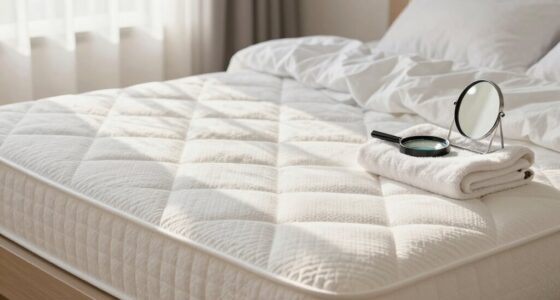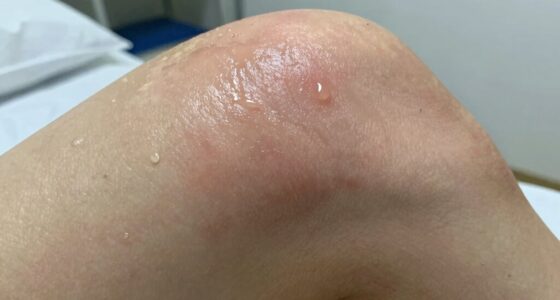
To effectively communicate your pressure relief needs at home, prepare notes about your concerns, including specific details like location, intensity, and frequency of discomfort. Use simple language and bring photos if possible. Share honest feedback about your experiences with devices and routines, and ask questions if needed. Stay involved in your care plan and follow up regularly to guarantee your needs are met. If you keep exploring, you’ll find helpful strategies to improve your conversations with your clinicians.

Get comfort and care essentials delivered free — and shop member deals
- Fast, free delivery on millions of items
- Access to Prime Big Deal Days deals on October 6–7
- Prime Video, Amazon Music and more included
Key Takeaways
- Prepare specific notes on skin issues, discomfort, and device performance before discussions.
- Use clear, simple language to describe pressure relief needs and concerns.
- Share honest feedback about assistive devices and repositioning routines.
- Ask questions about proper techniques, device adjustments, and signs of skin problems.
- Maintain open communication and follow up regularly to ensure effective pressure relief strategies.
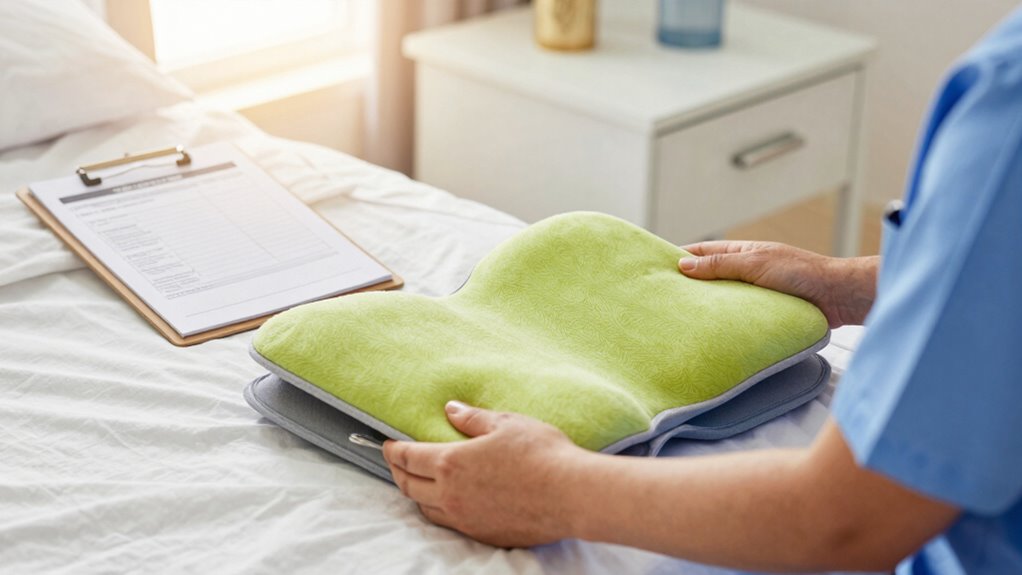
Talking to your clinicians about pressure relief needs at home is crucial for preventing pressure ulcers and ensuring your comfort and safety. Open communication helps you get the right support and equipment, like assistive devices, that can make a significant difference in your daily life. When discussing your needs, be clear about any discomfort or pain you experience, especially when sitting or lying down for extended periods. Your clinicians rely on your feedback to recommend effective pressure relief strategies and appropriate assistive devices, such as cushions, mattresses, or adjustable beds. Remember, the more specific you are about what works and what doesn’t, the better they can tailor solutions to your unique situation.
Communicate openly with your clinicians about pressure relief needs for better support and prevention.
Effective communication strategies are key during these conversations. Prepare ahead of time by noting down specific issues or questions you have about your pressure relief routine. If you’re unsure how to describe your discomfort, try to explain the location, intensity, and frequency of any skin issues or pain. Use simple language to express your needs clearly, and don’t hesitate to ask your clinicians to clarify any medical terms or instructions you find confusing. It’s also helpful to bring along photos or documentation of skin issues if applicable, so they can better understand your condition.
Your clinicians want to hear about your day-to-day experiences with assistive devices and pressure relief methods. Be honest about what’s working and what’s not—whether a cushion feels uncomfortable, a mattress isn’t providing enough support, or you’re having trouble maintaining your position. This feedback guides them in adjusting or recommending additional assistive devices that improve your comfort, like specialized cushions or positioning aids. Also, discuss any challenges you face in using these devices, such as difficulty adjusting your chair or bed, so they can suggest practical solutions or training. Understanding pressure relief techniques and how they can be incorporated into your routine is also essential for maintaining skin integrity and comfort. Additionally, exploring pressure redistribution strategies can help optimize your comfort and skin health. Being proactive about pressure management can lead to better outcomes and reduce the risk of skin breakdown. Remember, staying informed about pressure ulcer prevention techniques empowers you to participate actively in your care.
Finally, actively participate in your care plan by asking about different pressure relief techniques and devices. Clarify how often you should reposition yourself, what signs to watch for indicating skin breakdown, and how to properly use assistive devices. Remember, your clinicians are there to support you, but your involvement and honest communication are essential. By openly sharing your experiences and concerns, you ensure that your pressure relief needs are adequately addressed, helping you stay comfortable and prevent serious issues like pressure ulcers.
pressure relief cushion for wheelchairs
As an affiliate, we earn on qualifying purchases.
As an affiliate, we earn on qualifying purchases.
Frequently Asked Questions
How Often Should Pressure Relief Devices Be Replaced at Home?
You should replace pressure relief devices based on their pressure device lifespan, which typically ranges from six months to a year, depending on the product. Follow the recommended replacement schedule provided by the manufacturer, and regularly inspect for signs of wear or damage. If you notice any cracks, tears, or loss of support, replace the device sooner to guarantee continued pressure relief and comfort at home.
Are There Specific Brands Recommended for Pressure Relief Equipment?
You’re not alone in feeling overwhelmed by pressure relief equipment choices—there are countless brands out there! For trusted recommendations, look into well-reviewed brands like Roho, Invacare, and Jay. Equipment reviews often highlight durability and comfort, helping you make smarter decisions. While no single brand is perfect for everyone, consulting your clinician and doing thorough research guarantees you select equipment that truly meets your pressure relief needs at home.
How Can I Ensure Proper Cleaning and Maintenance of Pressure Relief Surfaces?
To guarantee proper cleaning and maintenance of pressure relief surfaces, follow the recommended cleaning protocols provided by the manufacturer. Regularly inspect the surfaces for wear and tear, and adhere to the maintenance schedules to keep them in peak condition. Use suitable cleaning agents and avoid harsh chemicals. Consistently documenting your cleaning and maintenance routines helps maintain safety, promote hygiene, and extend the lifespan of the pressure relief equipment.
What Are Signs That Pressure Relief Needs Are Not Being Met?
Think of your skin like a delicate fortress, vulnerable if neglected. Signs your pressure relief needs aren’t being met include persistent redness, swelling, or open sores, especially over bony areas. If pain or discomfort persists when repositioning, or skin looks discolored, it’s time to reevaluate. Maintaining pressure sore prevention relies on clear caregiver communication, so you can address issues early and guarantee your loved one gets the proper relief they need.
Can Pressure Relief Routines Be Integrated Into Daily Activities Easily?
Yes, pressure relief routines can be integrated into your daily activity schedule easily. You can plan pressure relief scheduling around activities like mealtimes, bathroom breaks, or rest periods, making it a seamless part of your day. Incorporate gentle repositioning or pressure relief exercises during these times, ensuring consistent care without disrupting your routine. This approach helps maintain skin integrity while fitting into your natural daily patterns effortlessly.
Conclusion
Talking openly with your clinicians about pressure relief needs at home is essential for your well-being. Don’t wait for problems to arise—be proactive in sharing your concerns and asking questions. Remember, communication is a two-way street; your input helps tailor the best care plan. When you speak up early, you’re likely to catch issues before they become bigger. It’s better to be safe than sorry, so keep that dialogue flowing and prioritize your health.
Cold & flu season Picks
humidifiers
As an affiliate, we earn on qualifying purchases.