If your loved one has advanced dementia, it’s important to watch for signs of pneumonia, like increased coughing, difficulty breathing, or fever. Preventive steps include good oral hygiene, proper positioning during meals, and ensuring a clean environment. Vaccinations, good nutrition, and hydration also help protect them. Collaborate with healthcare providers to manage swallowing issues and stay updated on immunizations. Staying informed about these strategies can help you better support their health and comfort.

Turn quiet afternoons into listening time
- Thousands of audiobooks, podcasts and originals
- Listen on your phone, tablet or Echo — also offline
- Cancel anytime
Key Takeaways
- Pneumonia is common in advanced dementia due to swallowing difficulties and weakened immune systems.
- Preventive measures include good oral hygiene, proper positioning, and infection control practices.
- Vaccinations like flu and pneumococcal vaccines significantly reduce pneumonia risk.
- Monitoring for signs of infection and working closely with healthcare providers improves outcomes.
- Maintaining a clean environment, good nutrition, and hydration supports lung health and immune function.
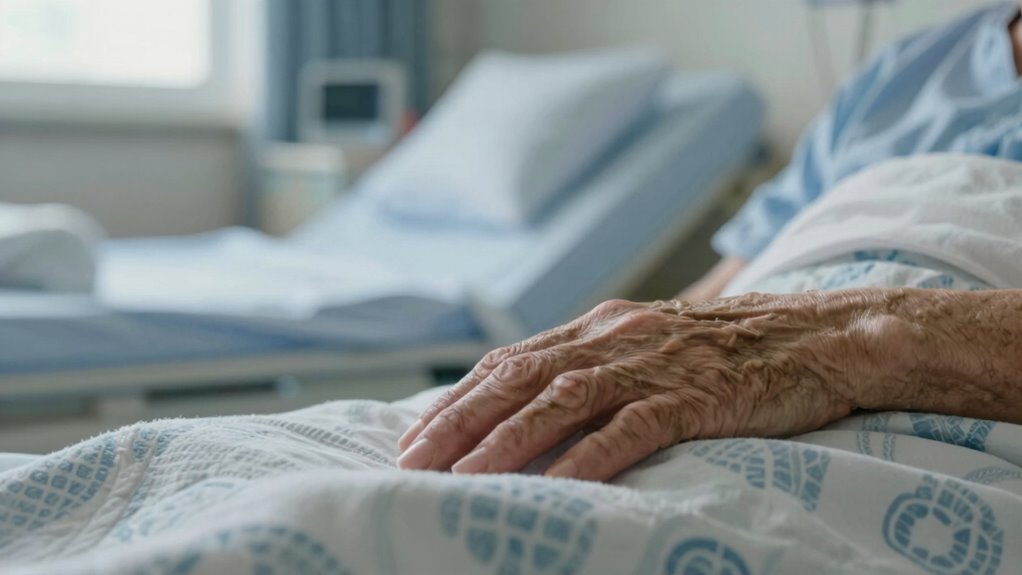
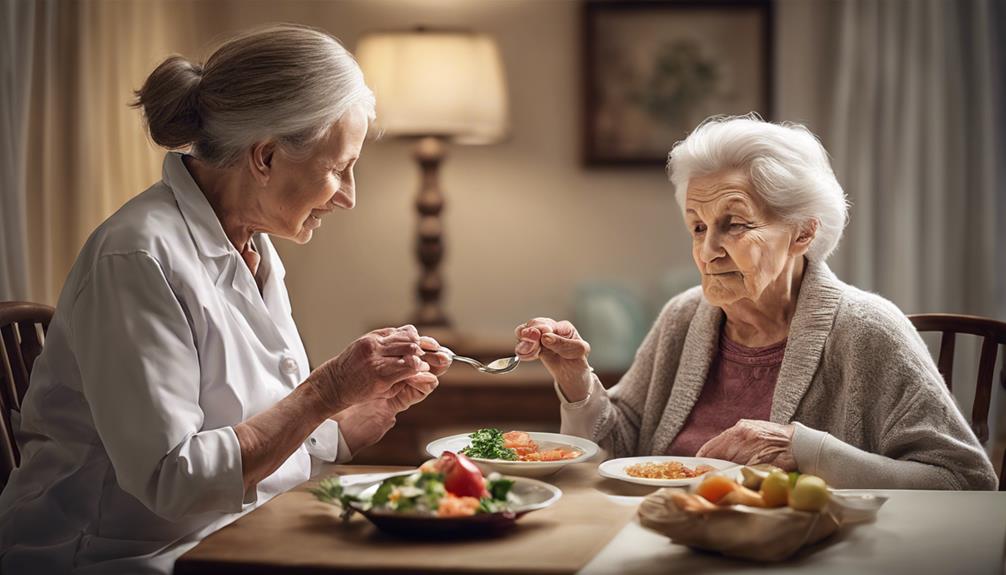
Pneumonia is a common and serious complication in individuals with advanced dementia, often leading to significant health decline. As a caregiver, understanding how to prevent pneumonia and implement effective strategies can help protect your loved one and improve their quality of life. Preventive measures are your first line of defense. Ensuring good oral hygiene is essential, as bacteria from the mouth can be aspirated into the lungs, causing infection. Regular brushing, flossing, and mouth rinses help reduce bacterial buildup. It’s also important to monitor swallowing difficulties, which are common in advanced dementia, and work with healthcare providers to manage them. Proper positioning during meals and avoiding rushed feeding can decrease the risk of choking and aspiration. Additionally, understanding the importance of biodiversity and healthy environments can contribute to reducing the spread of germs and airborne contaminants that increase pneumonia risk. Maintaining a clean environment also supports overall health and minimizes exposure to pathogens. Engaging in infection control practices within the household further helps limit the transmission of infectious agents. Implementing air filtration systems can also improve indoor air quality and reduce airborne pathogens, providing an extra layer of protection. Vaccinations play a critical role in prevention. Keep your loved one’s flu shot and pneumococcal vaccine up to date, as these greatly reduce the risk of respiratory infections. Maintaining good hand hygiene within the household minimizes the spread of germs that can cause pneumonia. Additionally, ensuring a clean living environment with proper ventilation helps reduce airborne contaminants. Nutrition is another essential factor; a well-balanced diet supports immune function, making your loved one less susceptible to infections. Staying hydrated is equally important, as it keeps mucus thin and easier to clear from the lungs. Recognizing the importance of immune system health can further empower caregivers to adopt practices that bolster overall resistance to infections.
oral hygiene for dementia patients
As an affiliate, we earn on qualifying purchases.
As an affiliate, we earn on qualifying purchases.
Frequently Asked Questions
How Can I Prevent Pneumonia in My Loved One With Dementia?
You can help prevent pneumonia in your loved one by focusing on good nutrition management, ensuring they get balanced meals to strengthen their immune system. Keep their environment clean and encourage proper oral hygiene to reduce infection risks. Also, seek caregiver support to stay informed about health needs and early warning signs. Regular medical check-ups and vaccinations are essential. Your attentive care can considerably lower pneumonia risks in advanced dementia.
Are There Specific Signs That Indicate Pneumonia Is Worsening?
You might think you’d notice a sudden change, but pneumonia’s early symptoms can be subtle, making it tricky to spot. As it worsens, look for increased breathing difficulty, higher fever, or a sudden drop in alertness. Ironically, what seems like just a little cough or slight fever can be the start of a serious symptom progression. Keep an eye on any new or worsening signs, and consult your loved one’s healthcare team promptly.
What Are the Treatment Options for Pneumonia in Advanced Dementia?
You typically receive antibiotics like amoxicillin or azithromycin to treat pneumonia, depending on the infection’s severity and your loved one’s health. Alongside antibiotics, symptom management is essential—this might include oxygen therapy, hydration, and pain relief to ease breathing and discomfort. Your healthcare team will tailor the treatment plan, focusing on comfort and quality of life, especially as pneumonia progresses in advanced dementia.
How Does Pneumonia Affect Quality of Life for Someone With Dementia?
Pneumonia can drastically change someone’s quality of life, turning everyday moments into battles with respiratory complications and emotional upheaval. You might see increased confusion, fatigue, and discomfort, making it harder for your loved one to enjoy simple joys. This illness can drain their energy and cloud their emotional well-being, creating a cycle of suffering that affects everyone around them. It’s a powerful reminder of how serious pneumonia truly is in advanced dementia.
When Should Hospitalization Be Considered for Pneumonia in Dementia Patients?
You should consider hospital admission if symptoms escalate markedly, such as difficulty breathing, high fever, or severe confusion. If your loved one’s condition worsens despite initial treatments or if they develop new, serious symptoms, seeking hospital care becomes vital. Hospitalization allows for more intensive interventions, close monitoring, and IV antibiotics, which can be essential for managing pneumonia effectively in advanced dementia. Always consult your healthcare provider to determine the best course of action.
Conclusion
Remember, an ounce of prevention is worth a pound of cure. As a family member, staying vigilant about your loved one’s health, ensuring they get proper nutrition, hydration, and timely medical care, can make all the difference. While pneumonia in advanced dementia is serious, knowing what to watch for and acting quickly can save lives. You have the power to provide comfort and support—because sometimes, a little knowledge is the best medicine.
Columbus Day / Indigenous Peoples' Day Picks
long weekend sales
As an affiliate, we earn on qualifying purchases.