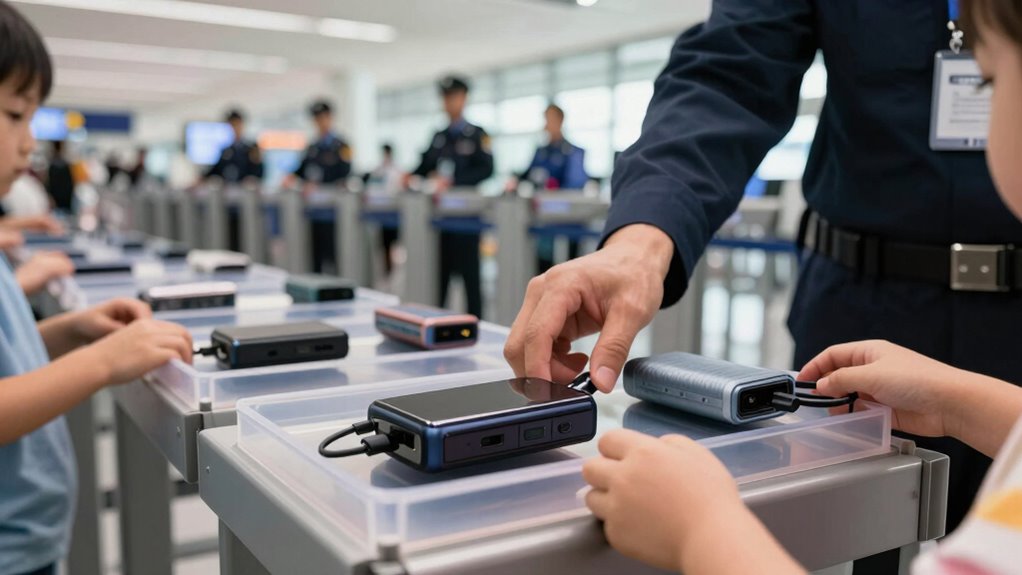

Before you fly, ask your airline and security about their rules for bringing power gear like portable chargers or batteries. Check if your devices meet capacity limits, especially for lithium-ion batteries over 100Wh, and whether they should go in carry-on luggage. Confirm any restrictions at your departure and destination airports. Knowing these details helps avoid delays or confiscation. Keep your gear safe and compliant—continue exploring to learn all the key questions you should ask.

Turn quiet afternoons into listening time
- Thousands of audiobooks, podcasts and originals
- Listen on your phone, tablet or Echo — also offline
- Cancel anytime
Key Takeaways
- Confirm airline-specific policies on carrying portable chargers and batteries.
- Check watt-hour ratings and capacity limits for power gear before packing.
- Ensure batteries are in carry-on luggage and properly protected against damage.
- Ask about airport and destination regulations for lithium batteries and power devices.
- Verify if special approvals are needed for batteries over 100Wh or unusual devices.
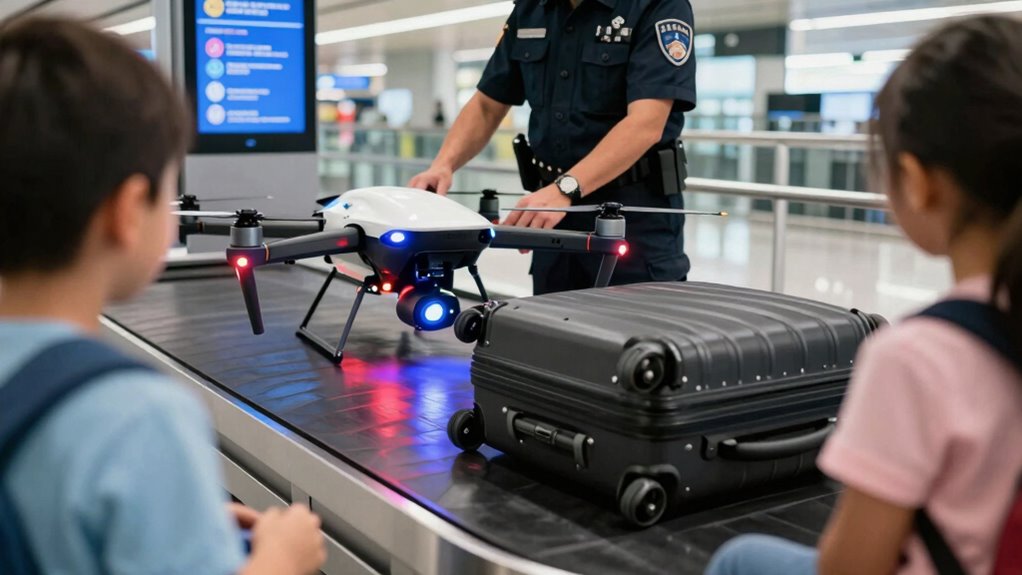
Traveling with power gear, like portable chargers, battery packs, or electronic devices, can streamline your journey—but before you pack them, it’s vital to ask the right questions. Airlines and security agencies have specific rules about what you can carry onboard, especially when it comes to these devices. Ignoring gear restrictions can lead to delays, confiscations, or even safety concerns. Knowing the rules ahead of time helps you avoid surprises and guarantees your trip goes smoothly.
Travel smart with power gear by knowing airline and security rules beforehand to ensure a smooth trip.
First, consider the types of power gear you’re bringing. Most airlines and security agencies permit portable chargers and battery packs, but they often have size and capacity limits. For example, lithium-ion batteries are common, but many have strict restrictions on their watt-hour (Wh) ratings. If your battery exceeds a certain capacity—often 100Wh—you’re required to get approval before traveling. Checking the specifications of your devices and understanding the gear restrictions will help you determine whether they’re allowed in carry-on or checked luggage. Remember, it’s generally safer to keep these devices in your carry-on, where you can keep an eye on them and respond quickly if there’s an issue.
Next, think about travel safety. Power gear, especially lithium batteries, can pose fire hazards if damaged or improperly stored. While most devices are safe when used correctly, airline regulations aim to mitigate risks. Be sure to pack batteries separately or in protective cases to prevent accidental activation or short circuits. Also, avoid packing damaged or swollen batteries, which can increase fire risk. Knowing these safety considerations not only aligns with gear restrictions but also helps protect everyone on the flight. Additionally, understanding lithium battery regulations can help you navigate restrictions more effectively. Being aware of airline policies regarding electronic devices is equally important to ensure smooth security checks. It’s also helpful to familiarize yourself with specific airport rules at your departure and arrival locations to avoid confusion. Being well-informed about device safety and handling procedures can further enhance your travel experience. Moreover, understanding the storage and charging guidelines at your destination can prevent issues related to local regulations and safety standards.
portable charger with airline approved capacity
As an affiliate, we earn on qualifying purchases.
As an affiliate, we earn on qualifying purchases.
Frequently Asked Questions
Are There Specific Airline Restrictions for Carrying Power Gear?
Yes, there are specific airline restrictions for carrying power gear. You need to check airline policies beforehand, especially regarding battery safety, as airlines often limit lithium battery sizes or require them to be carried in carry-on luggage. Always guarantee your batteries are properly protected from short circuits, and follow the airline’s guidelines to avoid delays or confiscation. Being informed helps ensure smooth travel with your power gear.
How Can I Ensure My Power Gear Complies With TSA Regulations?
To guarantee your power gear complies with TSA regulations, prioritize proper packing and preparation. Check battery safety by verifying that batteries are within size limits and protected from damage. Follow charging protocols, avoiding overcharging or damaged cords. Always carry batteries in carry-on luggage, and keep devices turned off during screening. Staying informed about airline and TSA rules minimizes delays, detours, and disruptions, making your journey smooth, safe, and stress-free.
What Are the Best Practices for Packing Power Gear Securely?
To pack your power gear securely, prioritize battery safety by using protective cases and ensuring batteries are fully charged but not overcharged. Always disconnect batteries from devices before packing and avoid packing in checked luggage if possible. Follow charging tips like charging batteries to recommended levels and avoiding extreme temperatures. Secure cables to prevent damage, and store gear in accessible compartments for quick inspection, ensuring both safety and compliance with airline regulations.
Are There Size or Weight Limits for Power Gear at Airports?
Yes, there are size and weight limits for power gear at airports. You need to check airline regulations, especially concerning battery safety and charging regulations, since larger batteries may be restricted or require special handling. Make certain your power gear complies with airline and TSA rules to avoid delays. Always carry batteries in carry-on luggage, and make sure they’re protected from damage to meet safety standards.
How Do I Handle Power Gear Malfunctions During Security Checks?
If your power gear malfunctions during security checks, don’t panic—stay calm and prioritize safety. Quickly disconnect batteries, follow proper charging procedures, and inform security staff about battery safety concerns. You might feel like you’re in a high-stakes game, but by handling it confidently, you guarantee safety for everyone. Always keep batteries and chargers organized to prevent issues, and remember, safety first keeps your trip smooth and stress-free!
Conclusion
Before packing power gear for your trip, ask your airline about their policies—over 80% of travelers have faced unexpected delays or confiscations due to overlooked regulations. Knowing these rules saves you time, stress, and potential disappointment. By double-checking, you guarantee your family’s tech stays with you, ready to entertain or assist when needed. Being prepared means smoother travel and more enjoyable adventures together—so take that extra step before you fly.
Columbus Day / Indigenous Peoples' Day Picks
long weekend sales
As an affiliate, we earn on qualifying purchases.