
TL;DR

Turn quiet afternoons into listening time
- Thousands of audiobooks, podcasts and originals
- Listen on your phone, tablet or Echo — also offline
- Cancel anytime
São Paulo has reported over 58,000 confirmed dengue cases since January 2024, signaling a serious health challenge. The outbreak raises concerns about vector control and public safety, with authorities monitoring the situation closely.
São Paulo has reported more than 58,000 dengue cases since January 2024, according to Agência Brasil. This surge in cases underscores a significant public health challenge for the city, which is actively responding to the outbreak amid concerns over mosquito control and disease spread.
The latest figures, provided by local health authorities and confirmed by Agência Brasil, indicate that the number of dengue infections in São Paulo has surpassed 58,000 since the beginning of the year. This represents a sharp increase compared to previous years at the same period, with authorities warning that the outbreak could worsen if control measures are not intensified.
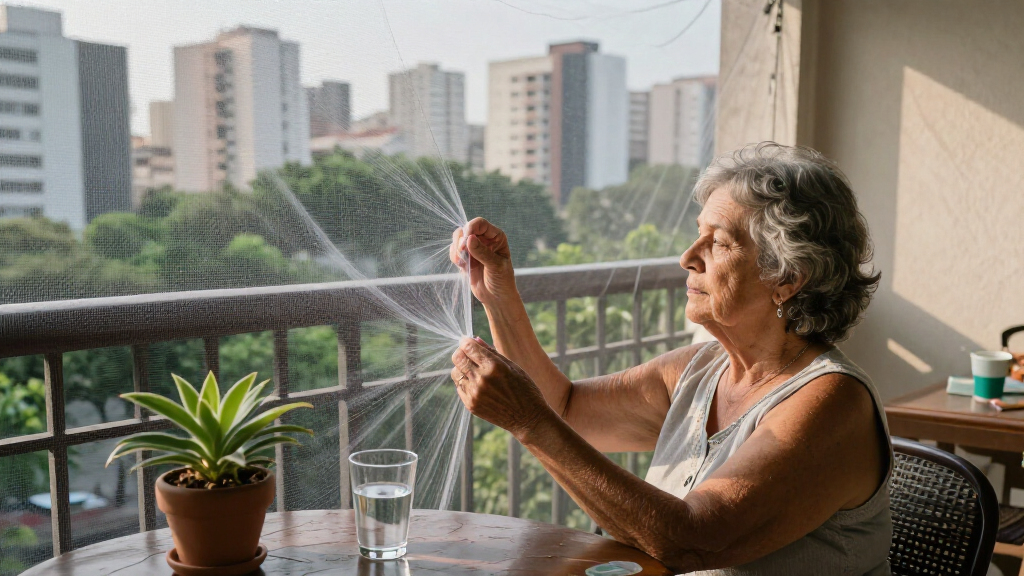
Health officials have emphasized that the majority of cases are concentrated in certain districts, where stagnant water and inadequate sanitation facilitate mosquito breeding. The city has launched campaigns to eliminate breeding sites, increase public awareness, and distribute mosquito nets and larvicides. Despite these efforts, the rapid rise in cases highlights the difficulty in controlling the outbreak amid ongoing urban and environmental challenges.
Local hospitals are experiencing increased patient admissions related to dengue symptoms, including high fever, joint pain, and rashes. While most cases are mild, health authorities have reported several severe cases requiring hospitalization, and there have been fatalities attributed to dengue in the region this year. The situation remains dynamic, with health officials stressing the importance of early diagnosis and treatment.
Implications of the Dengue Surge for São Paulo’s Public Health System
The surge in dengue cases in São Paulo underscores a pressing public health concern, especially as the city faces the challenge of managing a rapidly spreading mosquito-borne disease amid urban environmental issues. The high number of infections strains healthcare resources, increases hospital admissions, and raises the risk of severe cases and fatalities. It also highlights the need for intensified vector control programs, public awareness campaigns, and improved sanitation efforts to prevent further spread.
Beyond immediate health impacts, the outbreak could have broader social and economic consequences, including increased healthcare costs, absenteeism from work and school, and heightened public anxiety. The situation emphasizes the importance of coordinated efforts between government agencies, health services, and communities to contain the outbreak and prevent future surges.
As an affiliate, we earn on qualifying purchases.
Recent Trends and Efforts in Dengue Control in São Paulo
Historically, São Paulo experiences seasonal increases in dengue cases during warmer months, but the current outbreak appears more severe than in previous years. Experts have linked the rise to factors such as unseasonal rains, urbanization, and inadequate waste management, which create ideal breeding conditions for Aedes aegypti mosquitoes.
In response, the city has intensified vector control measures, including fumigation, elimination of standing water, and public education campaigns. Despite these efforts, the persistent high number of cases suggests that additional strategies and sustained community engagement are necessary to curb the outbreak effectively.
Previous dengue outbreaks in São Paulo have prompted debates about urban planning and public health infrastructure, with authorities acknowledging that long-term solutions are needed to reduce vulnerability to future epidemics.
Unconfirmed Factors Behind the Outbreak’s Rapid Growth
Details are still emerging regarding specific causes for the sharp increase in cases. While environmental factors like weather patterns and urban infrastructure are believed to play roles, it is not yet confirmed whether recent unseasonal rains or lapses in vector control are primary drivers. Additionally, the potential impact of new virus strains or mutations remains unverified at this stage.
Health authorities continue to analyze data to understand the outbreak’s full scope, but definitive explanations for the rapid growth are still under investigation.
Next Steps in Monitoring and Controlling the Dengue Outbreak
Officials plan to intensify vector control measures, including targeted fumigation and community outreach, over the coming weeks. Monitoring of case numbers will continue, with updates expected as new data becomes available. Health authorities are also urging residents to eliminate standing water and adopt preventive measures at home and in public spaces.
Research and surveillance efforts will focus on understanding the outbreak’s drivers, with potential adjustments to public health strategies based on evolving evidence. Long-term urban planning and sanitation improvements are also being discussed as necessary steps to reduce future risks.
Key Questions
How many dengue cases have been reported in São Paulo this year?
More than 58,000 cases have been confirmed since January 2024, according to Agência Brasil.
Are there any severe cases or fatalities?
Yes, health authorities have reported several severe cases requiring hospitalization, and there have been fatalities linked to dengue this year in São Paulo.
What measures are being taken to control the outbreak?
The city has launched campaigns to eliminate mosquito breeding sites, increased fumigation, and distributed mosquito nets and larvicides. Public awareness efforts are ongoing to encourage community participation.
Is the outbreak expected to worsen?
It is not yet clear whether the outbreak will intensify further; health officials are closely monitoring the situation and adapting control measures accordingly.
What can residents do to protect themselves?
Residents are advised to eliminate standing water around their homes, use mosquito repellents, and wear protective clothing, especially during peak mosquito activity times.
Source: local
Fall Picks
fall essentials
As an affiliate, we earn on qualifying purchases.