
When stairs become unsafe or too difficult to navigate due to age, mobility challenges, or medical conditions like arthritis or Parkinson’s, a stair lift becomes a necessity rather than a luxury. If you notice signs like losing balance, feeling unsteady, or avoiding stairs altogether, it’s time to think about one for safety and independence. Proper assessment ensures your home fits the lift, and choosing the right model guarantees safety and reliability. Discover more to make an informed decision.
Key Takeaways
- When stair climbing becomes unsafe due to mobility issues or health conditions, a stair lift is essential for safety.
- Signs of instability, pain, or difficulty accessing upper floors indicate a stair lift is necessary.
- Aging or conditions like arthritis and Parkinson’s increase reliance on stair lifts for independence.
- Home modifications or renovations that include stair lifts enhance safety and prevent fall risks.
- When traditional assistive devices like canes or walkers are insufficient to ensure safe stair navigation.
How to Tell When Stairs Are Too Dangerous for You
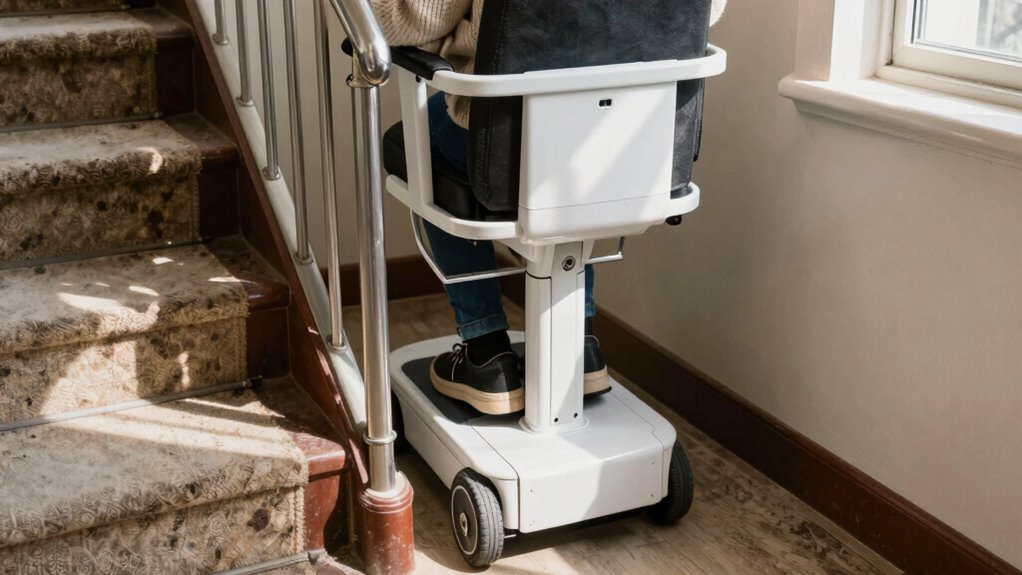
If climbing stairs feels increasingly difficult or unsafe, it’s a clear sign that your mobility may be declining. You might notice that the stairs’ aesthetics no longer appeal to you, or that they seem more intimidating than before. Pay attention to the stairway materials—whether they’re wood, tile, or carpet—if they feel unstable or slippery, it’s a warning sign. Struggling to lift your foot, losing balance, or feeling unsteady are also indicators. Don’t ignore these cues; they signal that continuing to use your stairs might put you at risk of falls or injury. Recognizing these early signs helps you decide when it’s time to contemplate safer alternatives, like a stair lift, before an accident occurs. Additionally, considering home safety modifications such as installing grab bars or ramps can further enhance your safety. Being aware of projector technology features like high contrast ratios can also help you make informed decisions about home safety and comfort.
Signs You Need a Stair Lift to Stay Safe and Independent
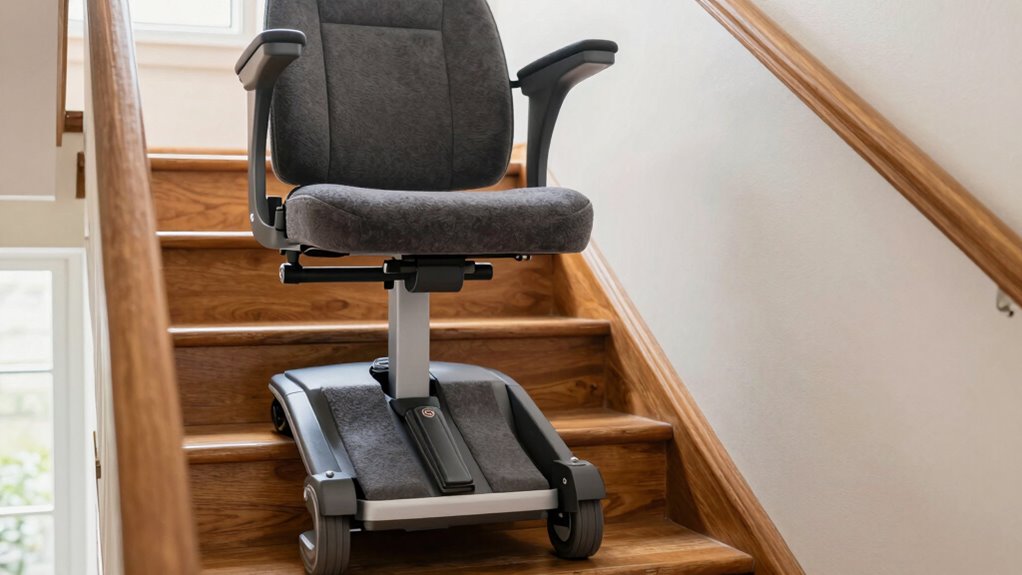
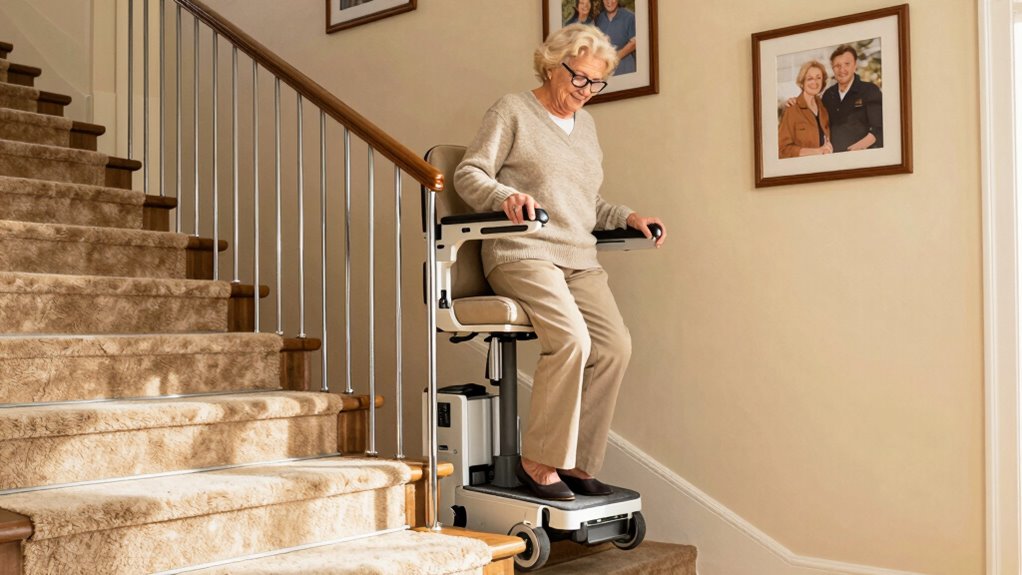
Are you noticing that climbing stairs is becoming more challenging or uncomfortable? If so, it might be time to contemplate a stair lift to maintain your safety and independence. Signs include feeling unsteady or experiencing pain with each step, which can lead to falls or injuries. You might also find yourself avoiding stairs altogether, limiting your access to key areas of your home. When planning a home renovation, integrating a stair lift can seamlessly blend with your interior design, making it both functional and discreet. Recognizing these signs early helps prevent accidents and supports your mobility. Additionally, understanding benefits of stair lifts can motivate you to consider this essential mobility aid. A stair lift isn’t just about convenience; it’s a crucial part of home safety adaptations that can greatly improve your quality of life and provide peace of mind for you and your loved ones.
Furthermore, staying informed about mobility solutions can help you make the best decision for your personal needs and circumstances.
Why Age and Mobility Challenges Make a Stair Lift Essential

As you age or face mobility challenges, climbing stairs can become increasingly difficult and even unsafe. This is where home modifications like installing a stair lift become essential. Relying solely on caregiver assistance may not always be practical or sufficient, especially if your mobility issues are ongoing. A stair lift provides independence by allowing you to move safely between floors without risking slips or falls. It minimizes the physical strain on you and reduces the need for constant help from caregivers. As your mobility declines, a stair lift helps maintain your quality of life, ensuring you can access all areas of your home comfortably and securely. Connected technology in modern stair lifts further enhances safety and convenience by enabling remote control and integration with home automation systems. This solution transforms your home into a safer environment tailored to your evolving needs, especially as mobility challenges become more pronounced. Incorporating safety features into your stair lift can further prevent accidents and provide peace of mind, especially as the presence of wave and wind elements influence outdoor safety considerations. Additionally, understanding essential oils for safety and health can support overall well-being during this transition.
Medical Conditions That Signal the Need for a Stair Lift
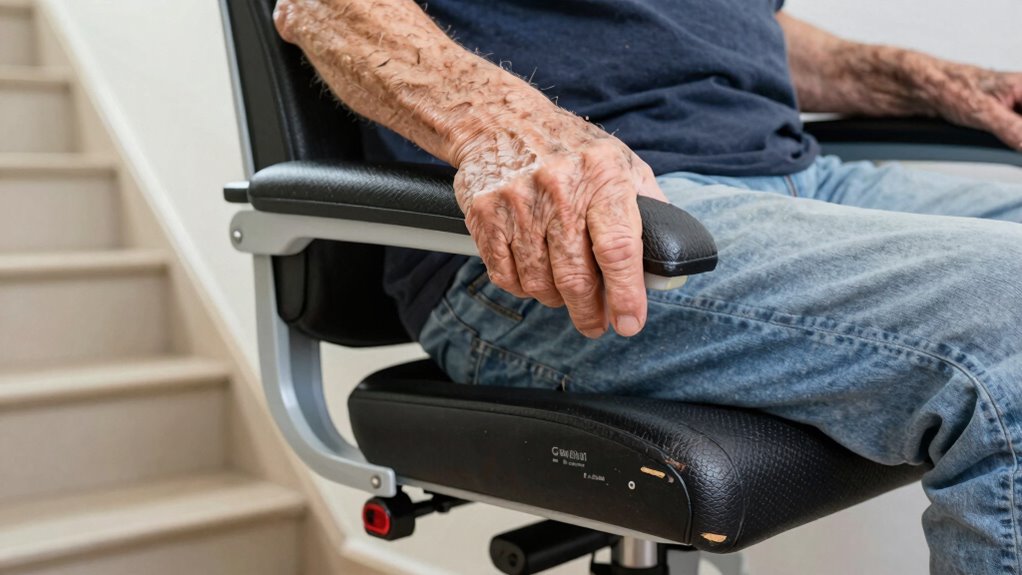
Certain medical conditions can especially impair your mobility, making climbing stairs increasingly risky or even impossible. Conditions like arthritis, Parkinson’s disease, multiple sclerosis, or severe osteoporosis can limit your strength, balance, and joint function. If these issues make using assistive devices like canes or walkers insufficient, a stair lift becomes vital. Home modifications, such as installing a stair lift, guarantee you maintain independence and safety. Ignoring these health signals can increase fall risks and reduce your quality of life. Recognizing when medical conditions interfere with stair navigation helps you take proactive steps. A stair lift isn’t just a comfort; it’s an essential adaptation that addresses your specific needs, allowing you to safely access all levels of your home without risking injury. European cloud solutions are increasingly being integrated into healthcare technology to support remote monitoring and assistive devices, enhancing safety and independence for those with mobility challenges.
Can Your Stairs Handle a Lift? How to Check Your Home’s Fit
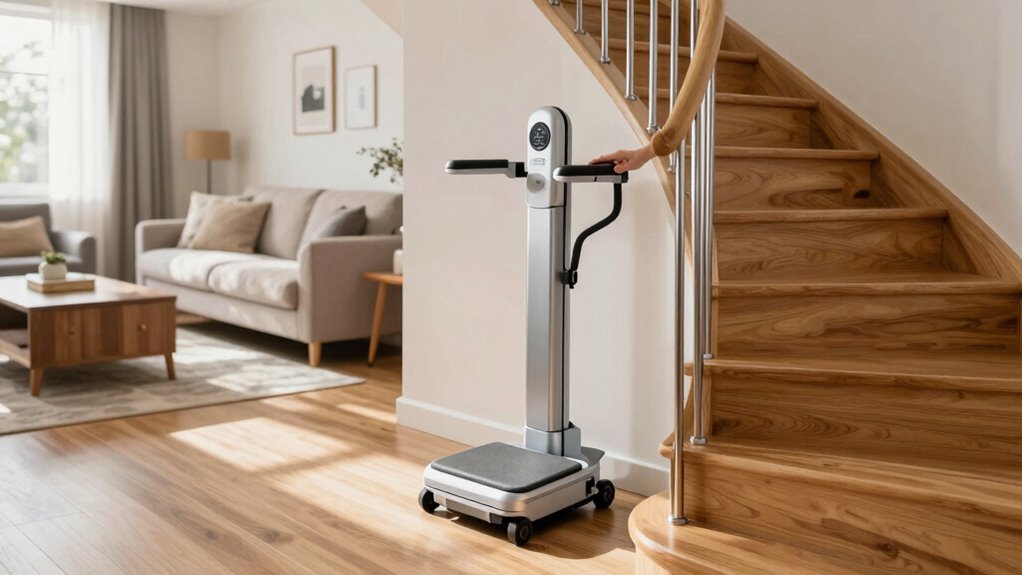
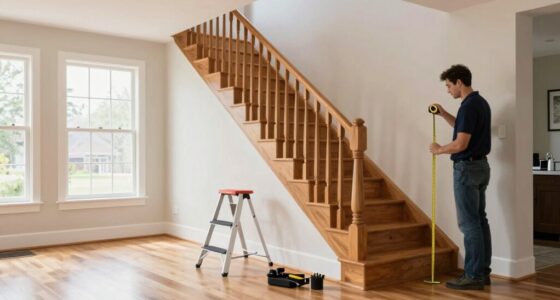
Before installing a stair lift, it’s important to determine whether your staircase can accommodate one. Check the width of your stairs; ideally, they should be at least 30 inches wide to guarantee safe and comfortable use. Measure the length of the staircase to see if it fits the lift’s track, especially for curved or spiral stairs, which may require custom solutions. Look for clear space at the top and bottom landing areas to allow smooth operation. During home renovation, consider updating or modifying the staircase if necessary to improve stair safety and assure proper fit. Additionally, researching staircase dimensions is essential for managing your home modifications effectively. Keep in mind that a well-fitting lift not only enhances safety but also makes daily use more comfortable, giving you peace of mind and independence. Ensuring your staircase’s structural integrity is vital for supporting the lift and maintaining home safety during use. Evaluating your home’s layout can help determine the best placement and design for the lift installation.
Why Installing a Stair Lift Is More Than Just Convenience
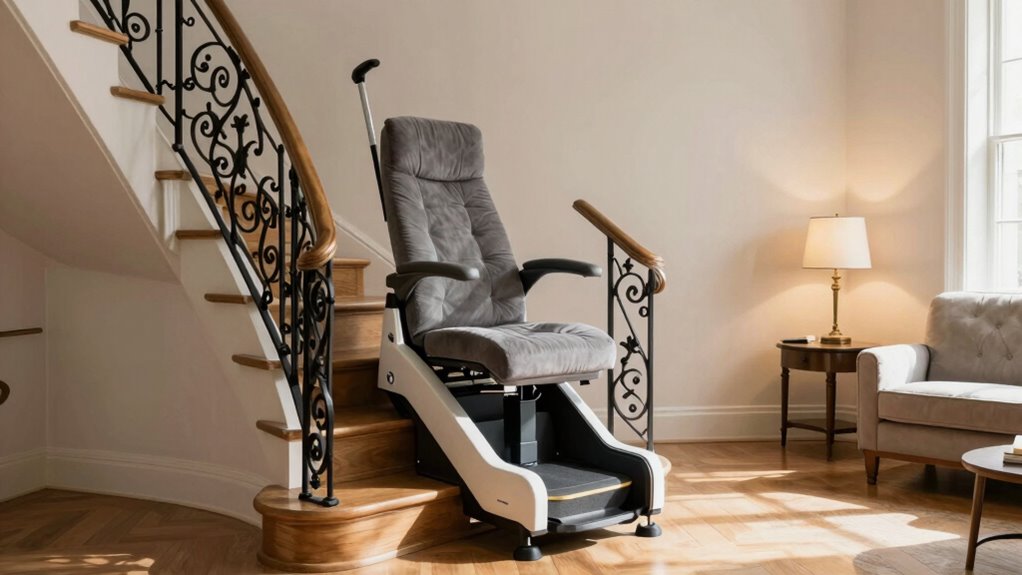
Installing a stair lift does more than just add convenience; it can substantially impact your safety and independence at home. It’s a practical solution that promotes mobility and reduces fall risks, making everyday life safer. Plus, it’s a subtle luxury upgrade that enhances your home’s aesthetic appeal without sacrificing style. Incorporating familiar cultural habits into your daily routine can also make the transition smoother and more comfortable. Consider these benefits: – Restores freedom to move between floors effortlessly – Maintains your privacy and independence – Adds a sleek, modern look that complements your decor An important aspect to consider is choosing a quality installation that integrates well with your existing home features. A stair lift isn’t just about practicality; it’s about preserving your quality of life. By choosing a quality installation, you invest in safety, comfort, and the visual harmony of your home—turning a functional device into a seamless part of your living space. safety features can further enhance confidence and security during everyday use. Additionally, understanding home wiring and electrical safety is crucial to ensure your stair lift operates reliably and safely over time, especially when considering financial considerations for long-term maintenance and upgrades.
How to Choose the Right Stair Lift for Your Home and Budget
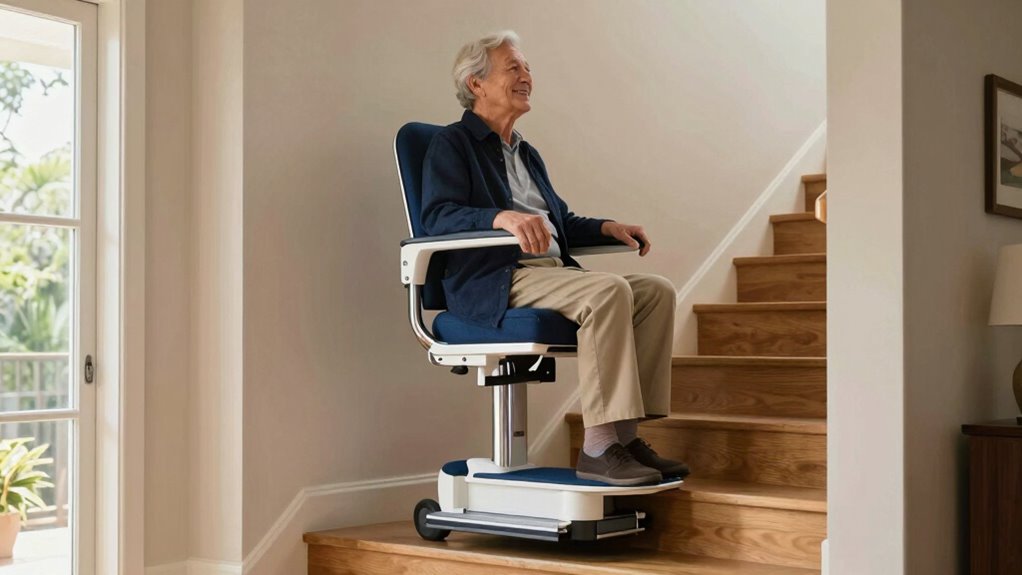
Choosing the right stair lift for your home and budget involves evaluating your specific mobility needs, the layout of your staircase, and financial considerations. First, identify whether you need a seated lift or a stand-assist model. Next, consider the staircase type—straight, curved, or outdoor. Budget-friendly solutions vary in features and installation costs, so compare options carefully. It’s also important to review safety standards and the reliability of different models to ensure long-term satisfaction. Additionally, considering proper installation is crucial for safety and optimal operation. Proper installation not only guarantees safety but also helps maintain the lift’s lifespan and performance, ensuring it functions smoothly for years to come. Being aware of reliability factors can help you select a model that minimizes future maintenance needs and guarantees consistent operation. To ensure the longevity of your stair lift, it’s essential to select a model with proven durability and positive user reviews. Here’s a quick overview:
| Stair Lift Options | Features to Consider | Cost Range |
|---|---|---|
| Straight lifts | Simplicity, quick install | $3,000–$5,000 |
| Curved lifts | Custom fit, complex install | $8,000–$15,000 |
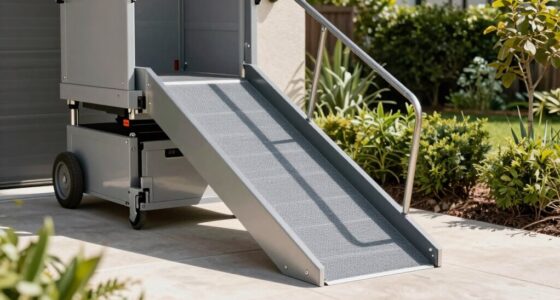
| Outdoor lifts | Weather-resistant, durable | $4,000–$10,000 |
| Portable lifts | Easy transfer, lightweight | $2,000–$4,000 |
Matching your needs with these options ensures safe, budget-conscious mobility.
Frequently Asked Questions
Are Stair Lifts Suitable for All Types of Staircases?
Stair lifts are suitable for most staircase types, including straight, curved, and spiral stairs. You’ll find various installation options tailored to your staircase’s design, ensuring a secure fit. When choosing a stair lift, prioritize safety features like seat belts and sensors. Consulting a professional helps determine the best model and installation options, making sure your stair lift operates safely and smoothly for your specific staircase type.
What Is the Average Lifespan of a Stair Lift?
A stair lift typically lasts around 10 to 15 years, depending on usage and maintenance. You can maximize its durability by following the manufacturer’s care instructions and scheduling regular check-ups. Keep in mind that lifespan considerations also include the quality of the model and how well you sustain it. Proper upkeep ensures your stair lift remains safe and reliable, making it a worthwhile investment in your mobility and independence.
How Much Does Professional Installation Typically Cost?
Installing a stair lift costs typically between $3,000 and $5,000—like buying a reliable car. You’ll find a cost comparison helpful to choose the best option. Many providers offer financing options, making it easier to afford. Professional installation usually takes a few hours, and investing now can prevent future falls or mobility issues, turning a luxury into a necessary safety upgrade.
Can Stair Lifts Be Customized for Unique Home Layouts?
Yes, stair lifts can be customized to fit your unique home layout. Manufacturers offer options that blend with your home decor, ensuring the lift doesn’t disrupt your space’s aesthetics. You can choose features like safety sensors, foldable rails, and seat designs that match your style. Customization helps maximize safety and comfort, making sure the stair lift seamlessly integrates into your home while providing reliable support.
What Maintenance Is Required to Keep a Stair Lift Functioning Properly?
Think of your stair lift as a trusty steed that needs regular care. You should check the battery maintenance and charge it as recommended, ensuring it stays powered up. Perform regular inspections of the track and seat to spot any loose parts or wear early on. Keep the mechanism clean and lubricate moving parts as instructed. Doing this keeps your stair lift running smoothly, just like a well-oiled machine.
Conclusion
As you consider safety and independence, remember that over 90% of stair-related injuries happen at home. Installing a stair lift isn’t just a convenience—it’s a vital safety upgrade that can prevent falls and keep you living confidently. If stairs are becoming a challenge, acting now can make all the difference. Don’t wait until an accident forces you to move—choose the right stair lift today and protect your independence for years to come.