When choosing a room for a hospital bed, guarantee there’s enough space with clear pathways for easy movement and emergency access. Consider natural light and ventilation to create a comfortable environment. Check proximity to medical equipment, support services, and privacy features like curtains to promote safety and comfort. Think about future needs by selecting a flexible space that can adapt as conditions change. Keep exploring for detailed tips to find the best setup.
Key Takeaways
- Ensure the room has sufficient space for a hospital bed, with at least 3 ft pathways for safe movement.
- Choose a room with ample natural light and proper ventilation to create a comfortable environment.
- Position the bed near essential medical equipment and power outlets for easy access and safety.
- Select a location close to support services, emergency exits, and with good acoustics for patient privacy.
- Opt for a flexible space that allows future adjustments, accessible features, and optimal layout for patient care.
Amazon Product B0F62GYY19
As an affiliate, we earn on qualifying purchases.
Assess Room Size and Layout for Easy Accessibility
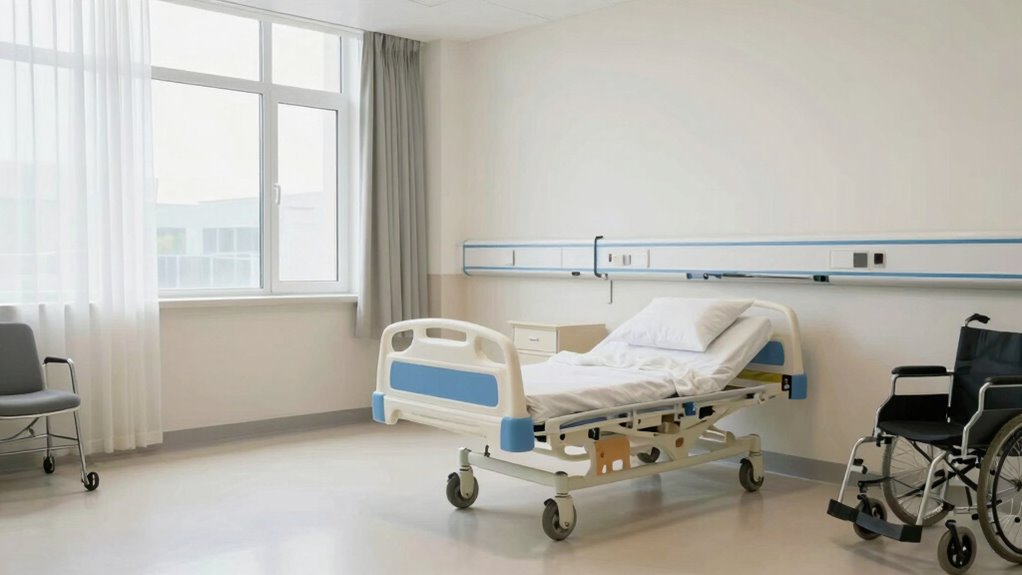
To guarantee easy access and safe movement around a hospital bed, you need to carefully evaluate the room’s size and layout. Start by examining the furniture arrangement to ensure there’s enough space for both the bed and mobility aids like wheelchairs or walkers. Avoid clutter and position furniture to create clear pathways, ideally at least 3 feet wide. Consider color schemes as well; opt for calming, contrasting colors that help differentiate furniture from the floor, making navigation easier for patients and caregivers. A well-organized layout not only improves safety but also enhances comfort. Keep essential items within reach without obstructing movement. Incorporating space planning strategies can further optimize the room’s functionality and safety, and understanding ergonomic design principles can help create a more user-friendly space. Paying attention to visual cues such as lighting and signage can also promote better orientation and reduce confusion.

MAHOMICO Power Lift Recliner Chair for Elderly with Vibration Massage and Lumbar Heating, Electric Lift Recliner Single Sofa with Side Pocket, Two Cup Holders and USB Charge Port for Living Room
𝗣𝗼𝘄𝗲𝗿 𝗟𝗶𝗳𝘁 𝗥𝗲𝗰𝗹𝗶𝗻𝗲𝗿 𝗖𝗵𝗮𝗶𝗿: Elevate your relaxation with the MAHOMICO power recliner chair. This advanced lift chair recliner...
As an affiliate, we earn on qualifying purchases.
Check Lighting and Ventilation Conditions
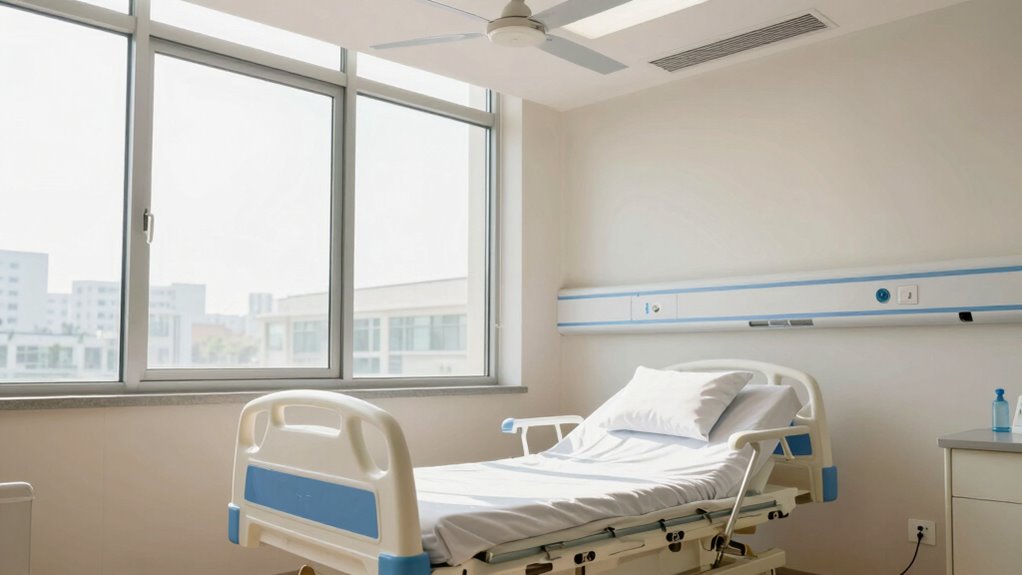
Make sure the room has plenty of natural light to keep the space bright and welcoming. Good air circulation is essential to maintain a fresh environment and prevent stuffiness. Checking these conditions helps make certain a comfortable and healthy setting for the patient. Additionally, ensuring proper ventilation can reduce the risk of respiratory issues and promote overall well-being. Incorporating sufficient airflow can also improve the effectiveness of ambient lighting and create a more pleasant atmosphere. Paying attention to environmental considerations can help in maintaining a sustainable and healthy hospital environment. Understanding the importance of sustainable practices in foraging can serve as a helpful analogy for maintaining environmentally responsible hospital setups. Consulting Gold IRA markets can provide insights into investments that support healthcare facilities’ funding needs.
Adequate Natural Light
Natural light plays a crucial role in creating a healing environment, so it’s necessary to verify the lighting conditions in a potential room. Pay attention to the window orientation; rooms facing east or south typically receive more sunlight, enhancing natural brightness. Confirm the window size is adequate, allowing enough light to fill the space without causing glare or heat issues. Large windows can brighten the room and improve mood, but they should be equipped with shades or blinds for controlled lighting. Proper natural light can boost recovery, reduce reliance on artificial lighting, and improve overall well-being. When evaluating a room, consider how sunlight enters at different times of day to ensure consistent, comfortable illumination for the patient. Additionally, assessing window placement for optimal sunlight exposure can make a significant difference in creating a therapeutic environment. Ensuring that the room has adequate ventilation can also help maintain a fresh atmosphere and support patient health. Incorporating natural light management strategies, such as reflective surfaces or light-colored walls, can further optimize the room’s brightness and comfort. Incorporating smart automation to adjust window coverings based on sunlight and temperature can further optimize the room’s environment.
Proper Air Circulation
Ensuring proper air circulation is essential for maintaining a healthy and comfortable hospital room. Good air quality and humidity control help prevent infections and reduce discomfort. To achieve this, check that the room has adequate ventilation, such as windows that open or a reliable HVAC system. Ensure there’s proper airflow to avoid stagnation and stale air. Consider these factors:
- Regularly inspect air filters and replace them when needed
- Maintain ideal humidity levels to prevent dryness or mold
- Use fans or air purifiers to enhance air quality and circulation
- Be aware of pool hydraulics principles that influence effective airflow and ventilation efficiency within the room, as they can help optimize air movement and reduce dead zones. Additionally, understanding airflow patterns can assist in designing a more effective ventilation setup for the space.
- Understanding air distribution techniques can further improve overall ventilation effectiveness and comfort within the room, especially when combined with airflow management strategies.

Achairgo Patient Lift Transfer Chair - Electric Assist Lift Aid for Home Care Use - Portable Folding for Car - Transport Wheelchair for Seniors, Adults & Disabled
3-Year Guarantee eligibility: allowing customers to have the product reliability. Purchase now with confidence!
As an affiliate, we earn on qualifying purchases.
Consider Proximity to Medical and Support Services
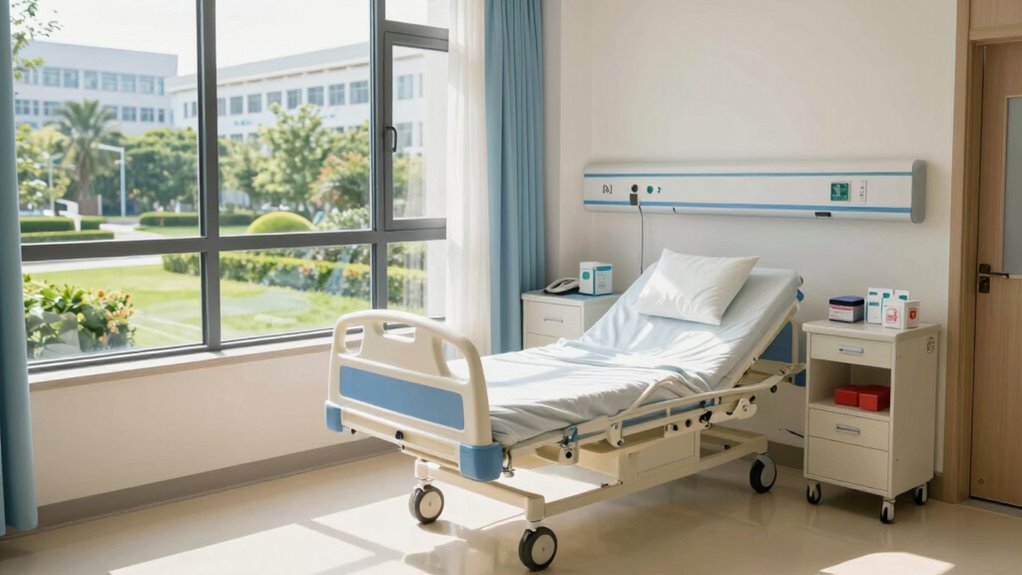
You should choose a room close to emergency services to guarantee quick access if needed. Being near your support network can make daily care and visits more manageable. Also, consider how easily connected the room is to medical equipment to support ongoing health needs. Ensuring proper filtration and pump protection can help maintain medical devices and equipment functioning smoothly. Additionally, selecting a space with appropriate ventilation and airflow can contribute to a safer and more comfortable environment for recovery.
Accessibility to Emergency Services
Choosing a hospital bed in a location close to emergency services can substantially impact response times during critical moments. Quick emergency access guarantees help arrives faster, which can be lifesaving. When selecting a room, consider how easily emergency personnel can reach you and how the space supports fire safety protocols. Look for areas with clear, unobstructed pathways and proximity to exits. Also, verify that fire safety measures are in place, such as smoke alarms and accessible fire exits. Keeping these factors in mind can make a significant difference in emergencies.
Some key points to keep in mind include:
- Ease of access for emergency vehicles
- Clear evacuation routes
- Adequate fire safety equipment nearby
Proximity to Support Network
Being close to medical and support services can greatly enhance your care and peace of mind. A strong support network and social connection are essential for your well-being, especially if you need frequent assistance. Choosing a room near clinics, pharmacies, or support centers ensures quick access to help when needed. It also fosters social interaction, reducing feelings of isolation. Consider the following:
| Advantage | Impact |
|---|---|
| Easy access to medical support | Faster response times during emergencies |
| Maintains social connection | Reduces loneliness and boosts morale |
| Convenient for routine visits | Less travel stress and more comfort |
Placing your hospital bed in a location that supports your support network helps you stay connected, safe, and well-cared-for. Support network can also provide emotional comfort and practical assistance, which are vital for overall well-being.
Connection to Medical Equipment
Placing your hospital bed near essential medical equipment guarantees quick and easy access to life-saving devices, monitors, and support systems. To ensure smooth operation, consider medical device compatibility so all equipment functions seamlessly together. Proper cable management is also vital to prevent tripping hazards and maintain a clean environment. When selecting a room, keep these in mind:
- Proximity to power outlets and medical device connections
- Availability of space for cable routing and management
- Compatibility with existing monitors, infusion pumps, and ventilators
- Safe bed positioning to optimize workflow and patient safety
Additionally, incorporating natural light can improve patient well-being and aid in recovery. Choosing a room with appropriate hospital furniture and accessories ensures comfort and safety for both patients and staff. Considering technological integration in the room design can further enhance efficiency and patient care. Paying attention to medical equipment compatibility helps create a seamless environment where all devices work harmoniously together, reducing complications and improving overall care.

WayCare 15-25 Miles Long Range Mobility Scooter,Weight Capacity 300 LBS+ Powered Mobility Scooters for Seniors, Compact Duty Mobile for Travel with LED Headlight and Detachable Basket(Red)
WAYCARE Mobility Scooter: Equipped with a powerful 24V 250W motor and a 12AH battery, it delivers impressive performance...
As an affiliate, we earn on qualifying purchases.
Evaluate Privacy, Noise Levels, and Acoustics
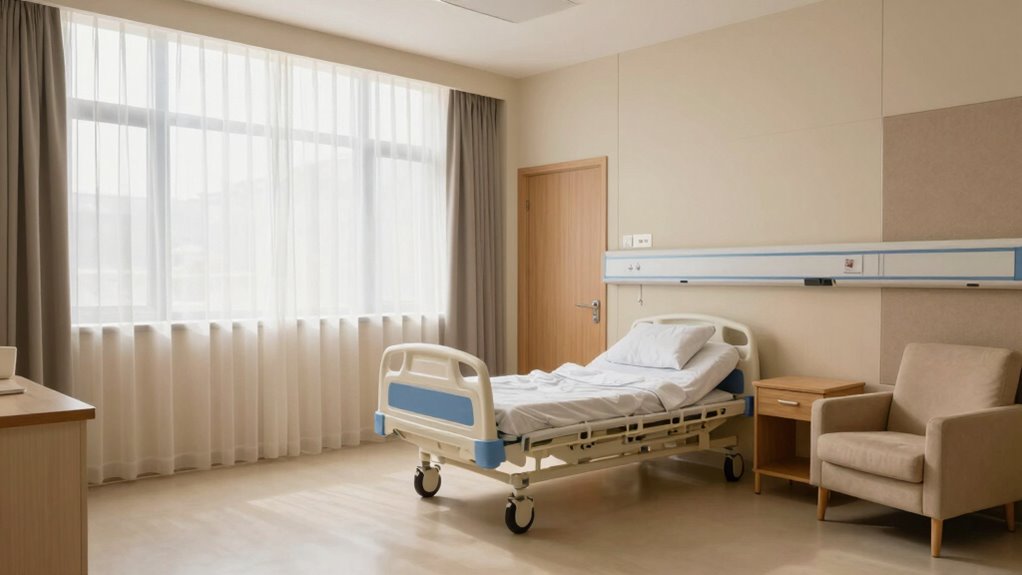
When selecting a hospital room, evaluating privacy, noise levels, and acoustics is essential for creating a comfortable environment. Good sound insulation helps block out external disturbances, ensuring a quieter space that promotes rest and recovery. Check if the room offers privacy enhancement features such as curtains, partitions, or private entrances to prevent unnecessary interruptions. Consider the room’s proximity to noisy areas like corridors or nurses’ stations, which can impact your comfort. A room with balanced acoustics reduces echo and minimizes loud sounds, making it easier to rest and communicate. Prioritizing these factors ensures you’re in a space that supports privacy, minimizes stress, and fosters a healing atmosphere, ultimately contributing to a better hospital stay.
Ensure Enough Space for Equipment and Patient Mobility

Ensuring there’s enough space in your hospital room is essential for both your safety and comfort. Proper furniture arrangement prevents clutter and allows easy movement for you and caregivers. It’s important to contemplate decor choices that don’t obstruct pathways or equipment access. To maximize space, focus on:
- Placing furniture against walls to free up central areas
- Using compact or multi-functional pieces to reduce clutter
- Keeping pathways clear for patient mobility and emergency access
Match Room Features to the Patient’s Needs and Mobility Level
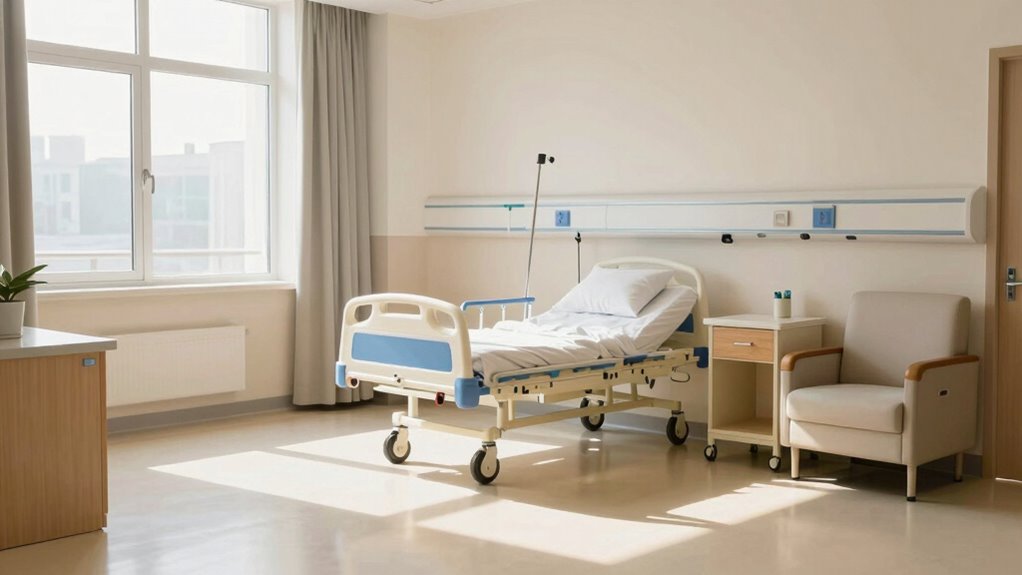
Adjusting your room’s features to match the patient’s needs and mobility level helps create a safer and more functional environment. Tailoring the space enhances patient comfort and ensures ease of movement. Consider incorporating accessible furniture, grab bars, and adjustable lighting to support mobility and safety. The room’s aesthetics also play a role in patient well-being, so choose calming colors and organized layouts to reduce stress. Use the following table to match features with patient needs:
| Patient Needs | Room Features |
|---|---|
| Limited mobility | Handrails, low beds, wide pathways |
| Need for comfort | Ergonomic bedding, adjustable lighting |
| Cognitive or visual impairments | Clear signage, simplified layouts |
| Aesthetic considerations | Soft colors, minimal clutter, personalized decor |
Plan for Future Changes and Flexibility in Room Use
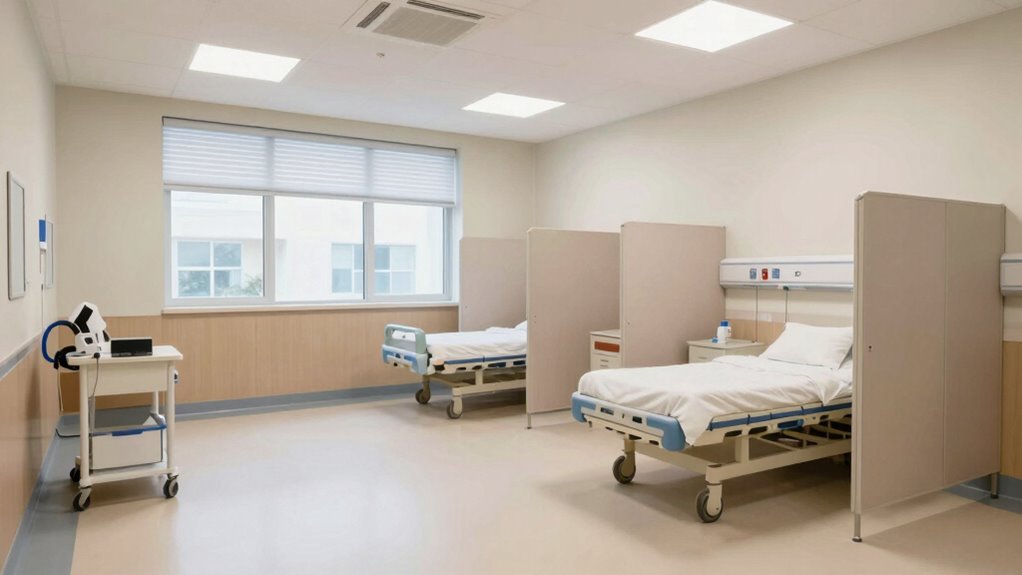
Planning for future changes and maintaining flexibility in a hospital room guarantees it can adapt to evolving patient needs and medical technologies. To ensure this, focus on design elements that allow for easy modification, flexibility, and future expansion. This might include adjustable wall placements, versatile electrical outlets, or modular furniture. Consider how the space can accommodate new equipment or increased patient capacity without major renovations. By planning ahead, you create a room that’s adaptable over time, reducing costs and disruptions. Keep these points in mind:
- Use flexible layouts that can be reconfigured as needs change
- Incorporate infrastructure for easy updates or expansion
- Select adaptable furniture and equipment for long-term use
Being proactive ensures your hospital room remains functional and responsive to future healthcare demands.
Frequently Asked Questions
How Do I Prioritize Room Features Based on Patient Health Conditions?
You should prioritize room features based on patient health conditions by evaluating their mobility and lighting needs. For patients with limited mobility, choose a room with easy access and space for assistive devices. If they require specific lighting, guarantee the room has adjustable lighting to support their comfort and treatment. By focusing on these aspects, you create a safer and more supportive environment tailored to their medical requirements.
What Are the Safety Considerations for Hospital Bed Setup in Different Rooms?
You should focus on bed height and side rail safety when setting up a hospital bed in different rooms. Adjust the bed height to prevent falls during transfers and ensure ease of access. Always check that side rails are secure and properly installed to prevent patient falls and injuries. Regularly inspect these safety features, especially in rooms with limited space or uneven flooring, to maintain a safe environment for the patient.
How Can I Optimize Room Design for Infection Control?
You can optimize room design for infection control by focusing on airflow management and surface materials. Guarantee proper ventilation to reduce airborne contaminants and incorporate HEPA filters where necessary. Use smooth, non-porous surface materials like sealed countertops and easy-to-clean flooring to minimize bacteria buildup. Keep air circulating efficiently, and select surfaces that resist infection, making cleaning easier and reducing the risk of cross-contamination.
Are There Specific Building Codes or Regulations I Should Consider?
Did you know that adhering to building codes can reduce hospital-acquired infections by up to 20%? You must consider local building codes and regulations to make certain your hospital bed setup complies with safety and health standards. Regulatory compliance not only keeps you within legal requirements but also promotes a safe environment for patients and staff. Always check with local authorities and healthcare standards to make sure your room design aligns with current building regulations.
How Do I Accommodate Visitors and Family Members Comfortably?
To accommodate visitors and family comfortably, guarantee there’s enough space for them to move easily around the bed, prioritizing visitor comfort and family accessibility. Place seating nearby, like chairs or a small sofa, and keep pathways clear. Consider privacy options like curtains or partitions, and provide easy access to amenities such as a restroom or refreshments. This setup makes visits more comfortable and accessible for everyone involved.
Conclusion
Choosing the right room isn’t just about space—it’s about creating a sanctuary where every detail fuels healing and comfort. Get it wrong, and you risk turning the room into a chaos-filled maze that hampers recovery and drains energy. But get it right, and you craft a haven so perfect, even the most stubborn ailment trembles at the thought of challenging your wise choices. Your room choice can transform recovery into a journey of triumph, not trial.