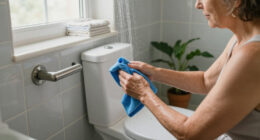

If your loved one refuses to use a hospital bed, understanding their fears and emotional concerns is key. They might worry about losing independence, feel vulnerable, or dislike unfamiliar equipment. To encourage acceptance, comfort them with gentle explanations, personalize the space, and incorporate familiar items and calming lighting. If fears persist or their condition worsens, seeking advice from healthcare professionals can help. Keep exploring strategies that can support both their safety and peace of mind.

Turn quiet afternoons into listening time
- Thousands of audiobooks, podcasts and originals
- Listen on your phone, tablet or Echo — also offline
- Cancel anytime
Key Takeaways
- Understand their emotional concerns and fears about loss of independence or unfamiliarity with the bed.
- Communicate calmly, emphasizing safety, comfort, and the benefits for recovery and well-being.
- Personalize the environment with familiar items and calming lighting to reduce anxiety and promote acceptance.
- Involve the loved one in setup decisions to increase comfort and sense of control.
- Seek professional help if resistance persists or if there are signs of increased distress or health decline.
adjustable hospital bed for home use
As an affiliate, we earn on qualifying purchases.
As an affiliate, we earn on qualifying purchases.
Why Your Loved One Might Resist Using a Hospital Bed

Your loved one might resist using a hospital bed because they see it as a reminder of their illness or decline. This emotional resistance often stems from feelings of loss, vulnerability, or frustration, making it hard to accept new arrangements. Adjustment challenges also play a role; shifting from a familiar bed to a hospital bed can feel overwhelming and unfamiliar. They may fear losing independence or worry about how others perceive them. These emotional and psychological hurdles can create a strong reluctance to adapt. Understanding that their resistance isn’t about rejecting care but rather about coping with change can help you approach the situation with patience. Offering reassurance and gentle support can ease their adjustment and help them see the hospital bed as a step toward comfort and healing. Additionally, recognizing the importance of color accuracy and visual comfort can indirectly influence their perception of the environment, making the space more welcoming and less clinical. Creating a soothing environment that minimizes visual discomfort can help reduce anxiety and promote acceptance. Using environmental modifications like appropriate lighting and calming colors can also facilitate a more positive outlook on using the bed.
Common Fears About Hospital Beds and How to Address Them

Many people worry that using a hospital bed means losing their independence or feeling confined. You might also be concerned that the bed won’t be comfortable enough for rest and recovery. Understanding these fears helps you find solutions that make the shift easier and more reassuring. Recognizing that comfort and safety are essential can help caregivers choose the right bed features to ease concerns. Additionally, selecting a bed with proper load‑planning and adjustable settings can help address comfort issues while maintaining a sense of independence. Incorporating field‑of‑view considerations in bed design can also improve patient visibility and orientation, further alleviating feelings of confinement. Furthermore, choosing a bed with human-centered design principles can enhance comfort and ease of use for both caregivers and patients. The right installation and setup can also play a crucial role in making the transition smoother and more welcoming.
Fear of Loss of Independence
The fear of losing independence often fuels hesitation about accepting a hospital bed, as many worry it signals a loss of control over their daily lives. You might have independence concerns, feeling that using a hospital bed could make you or your loved one seem dependent or vulnerable. Emotional attachment to routines, familiar surroundings, and mobility can make the idea of change unsettling. It’s important to remember that a hospital bed isn’t about losing independence—it’s about preserving safety and comfort while maintaining as much autonomy as possible. Framing the bed as a tool for greater independence, rather than a symbol of dependency, can help ease these fears. Open communication and reassurance can make the transition smoother, emphasizing that the goal is to support independence, not diminish it. Understanding medical equipment and its purpose can also help reduce anxiety about new devices. Recognizing that energy-efficient cloud solutions can enhance safety and reliability might reassure some caregivers about the benefits of modern medical technology. Additionally, educating yourself about hospital bed features can dispel misconceptions and foster acceptance of this supportive device. Exploring personalized adjustable features can help individuals feel more in control of their comfort and mobility.
Concerns About Comfort
While fears about losing independence are common, concerns about comfort also play a significant role in hesitations surrounding hospital beds. Your loved one might worry that the bed won’t feel natural or comfortable enough for restful sleep. Proper bed positioning is key—it can help alleviate pressure points, reduce discomfort, and improve sleep quality. Adjusting the head or foot of the bed can make a big difference, making it easier to sit up or lie down comfortably. Ensuring the mattress is supportive and suited to their needs also boosts comfort. Explaining how these adjustments can enhance their rest and daily well-being can help ease their fears. Comfort isn’t just about physical support; it’s about feeling secure and relaxed in the environment. Understanding bed ergonomics can also contribute to creating a secure and comfortable environment for your loved one. Additionally, choosing a pressure-relieving mattress tailored to their specific needs can significantly improve their overall comfort and reduce the risk of skin breakdown. Furthermore, educating your loved one about the adjustability features of hospital beds can help them feel more in control and less anxious about using the equipment. Incorporating patient-centered design principles can further enhance their comfort and sense of security.
How to Talk to Your Loved One About Using the Bed?

How can you approach your loved one about using the hospital bed without causing frustration or resistance? Start by offering emotional reassurance, emphasizing that your main goal is their comfort and safety. Speak calmly and listen to their concerns without judgment, showing that you value their feelings. Building trust is essential; remind them that the bed is there to help them recover and prevent falls or injuries. Avoid insisting or rushing the conversation, as this can create resistance. Instead, gently explain how using the bed can improve their comfort and independence. By fostering open communication and expressing genuine care, you help your loved one feel respected and secure, making them more receptive to trying the hospital bed. Remember to stay patient and encourage open dialogue, so they feel heard and supported throughout the process. Additionally, understanding the importance of proper safety measures can help reassure them that their well-being is prioritized. Recognizing the role of patient-centered communication can also facilitate a more positive and cooperative attitude. Incorporating knowledge about patient safety protocols can further build trust and confidence in using the bed. Being aware of effective communication strategies can make this conversation more successful.
Making the Hospital Bed Comfortable and Less Scary

To make the hospital bed feel less intimidating, you can personalize the environment with familiar items and soft lighting. Adding personal touches like a favorite blanket or photos helps create a sense of comfort. Gentle lighting can make the space feel calmer and less clinical, easing anxiety. Incorporating familiar items can also help promote a sense of security and ease the transition to the hospital bed. Using simple, calming room organization strategies can further reduce feelings of chaos and make the space more welcoming.
Personalize Bed Environment
Creating a comfortable and inviting bed environment can make a big difference in how you feel during your hospital stay. Personalize your space to promote comfort and reduce anxiety. Use comfort customization by adding soft blankets, familiar pillows, or favorite photos nearby. This creates a personalized environment that feels more like home. Visualize your ideal setup:
| Soft lighting | Favorite blanket | Family photos |
|---|---|---|
| Cozy pillows | Calming colors | Personal items |
This setup helps ease fears and makes the hospital bed less intimidating. When you take control of your environment, it becomes less scary and more comforting, encouraging rest and healing. Personal touches can transform the space into a supportive sanctuary during your recovery.
Use Familiar Items
Using familiar items in your hospital bed can make the environment feel safer and more comforting. Incorporate your loved one’s favorite blanket, pillow, or stuffed animal to create a sense of normalcy. These familiar objects can help ease anxiety and make the bed feel less intimidating. Your bedside manner and caregiver communication are vital; gently explaining how these items will help them feel more secure encourages cooperation. When you personalize the space, your loved one feels more in control and less overwhelmed. Keep the atmosphere calm and reassuring, emphasizing that these familiar items are there to help them feel at ease. This simple step can transform the hospital bed into a more inviting, comforting environment.
Incorporate Gentle Lighting
Incorporating gentle lighting in the hospital bed can considerably reduce feelings of fear and unease. Soft, warm lights create a calming environment that offers emotional support and makes your loved one feel safer. Involve family members to help set up dimmable lamps or nightlights, making the space less intimidating. Use this table to visualize the comforting atmosphere:
| Brightness Level | Effect |
|---|---|
| Bright | Overwhelming, stressful |
| Soft glow | Calming, welcoming |
| Dimmed | Relaxing, less scary |
| Nightlight | Safe, reassuring |
Adjusting lighting to a gentle level encourages relaxation, making the bed less intimidating and more inviting. This simple change fosters emotional comfort and family involvement, easing the transition.
When to Seek Help From Healthcare Professionals

Knowing when to seek help from healthcare professionals is crucial if you’re refusing a hospital bed and your condition worsens. If your loved one shows signs of increased pain, confusion, or sudden changes in mobility, don’t hesitate to reach out. Providing emotional support can help ease their fears, but professional guidance is necessary for proper assessment. Caregiver communication is key—be clear about your concerns and observe any new symptoms or behaviors. If they become increasingly resistant to care, or if their health declines despite your efforts, professional intervention is needed. Healthcare providers can evaluate underlying issues, suggest alternative solutions, and ensure safety. Recognizing these signs early can prevent complications and ensure your loved one gets the appropriate care they need.
Strategies to Encourage Acceptance and Keep Them Safe

Encouraging acceptance of a hospital bed requires patience and empathy, as resistance often stems from fear or feeling out of control. To help them feel safer, focus on emotional support and clear caregiver communication. Show understanding by listening to their concerns without judgment. You can also:
- Explain how the bed will keep them safe and comfortable
- Involve them in decisions about their care
- Use reassuring words and gentle touch
- Offer to demonstrate how the bed works to reduce fear
Alternatives and Additional Support for Caregiving

When someone resists using a hospital bed, exploring alternatives and additional support options can make caregiving more manageable. Adaptive equipment like adjustable mattresses, transfer aids, or rise recliners can improve comfort and mobility without forcing bed use. You might also consider mobility aids such as walkers or lift chairs to enhance independence. For caregiver support, connect with local resources, support groups, or home health services to share the caregiving load and gain practical advice.
| Adaptive Equipment | Caregiver Support |
|---|---|
| Adjustable mattresses | Support groups and respite care |
| Transfer aids | Professional home care assistance |
| Rise recliners | Training on safe mobility |
Frequently Asked Questions
How Can I Respect Their Independence While Ensuring Safety?
You can respect their independence by having open bedside communication, listening to their concerns, and involving them in safety decisions. Encourage family involvement to provide reassurance and support, showing you value their autonomy. Offer options like adjustable beds or different positions to meet their preferences. By blending respect with safety, you help your loved one feel empowered while reducing risks, fostering trust and cooperation in their care.
What Signs Indicate My Loved One Is Overwhelmed or Anxious?
You’ll notice emotional triggers like agitation, withdrawal, or rapid breathing that signal your loved one’s overwhelmed or anxious. They might use coping mechanisms such as pacing, avoiding eye contact, or becoming silent. Don’t dismiss these signs; instead, gently check in, offer reassurance, and create a calm environment. Recognizing these cues helps you respond with compassion, easing their anxiety and supporting their emotional well-being during challenging moments.
Are There Specific Therapies to Reduce Fear of Hospital Beds?
Yes, you can help reduce your loved one’s fear of hospital beds through therapies like gradual exposure and relaxation techniques. Gradual exposure involves slowly introducing the bed in comfortable, non-threatening ways, helping them build familiarity and trust. Simultaneously, relaxation techniques such as deep breathing or mindfulness can calm anxiety. Consistent, gentle encouragement combined with these methods can make the hospital bed feel less intimidating over time.
How Do I Handle Resistance Without Causing Distress?
Did you know that a compassionate bedside manner can increase patient compliance by 70%? To handle resistance without causing distress, stay calm and empathetic. Offer emotional support and listen to their concerns, showing you understand their feelings. Gently explain the benefits of the hospital bed, emphasizing safety and comfort. Your calm, respectful approach helps reduce fear and encourages cooperation, making the passage smoother for your loved one.
When Is It Appropriate to Involve Mental Health Professionals?
You should involve mental health professionals when emotional support and caregiver strategies aren’t enough to address your loved one’s resistance. If their refusal causes significant distress, worsens their health, or leads to unsafe situations, seeking expert guidance becomes essential. Mental health experts can assess underlying issues like depression or anxiety, helping you develop tailored approaches that respect their feelings while ensuring their safety and well-being.
Conclusion
Just like a gentle nudge can turn a hesitant leaf, your understanding and patience can help your loved one feel safe using a hospital bed. Remember, their resistance isn’t personal—it’s their way of coping. By listening, addressing fears, and making their environment comfortable, you’ll create a space where they’re more willing to accept support. With time and compassion, you’ll help them feel secure, turning uncertainty into trust and safety.
Cold & flu season Picks
humidifiers
As an affiliate, we earn on qualifying purchases.