
When Medicare doesn’t cover your equipment, you might need to explore other options like private insurance, assistance programs, or charities. It’s important to verify if your device qualifies, check coverage details, and consider funding sources such as grants or financing plans. Planning ahead can help you avoid unexpected costs. If you continue, you’ll find helpful ideas on how to navigate coverage gaps and secure the equipment you need.
Key Takeaways
- Verify if the equipment is medically necessary and prescribed by a healthcare professional.
- Explore alternative funding sources like private insurance, charities, or assistance programs.
- Understand coverage limits and exclusions by reviewing Medicare policies and plan details.
- Consider financing options, grants, or donations to cover costs when Medicare doesn’t pay.
- Keep detailed records of prescriptions, communications, and expenses for insurance and aid applications.

Durable Medical Equipment: Regional Carriers' Coverage Criteria Are Consistent with Medicare Law
Used Book in Good Condition
As an affiliate, we earn on qualifying purchases.
As an affiliate, we earn on qualifying purchases.
Why Medicare Sometimes Doesn’t Cover Medical Equipment
Have you ever wondered why Medicare doesn’t cover all types of medical equipment? One reason is that policy updates frequently change what’s eligible, and some equipment may no longer meet Medicare’s criteria. Medicare tends to cover devices that are medically necessary and prescribed by your doctor, but it doesn’t always include equipment that requires ongoing maintenance or upgrades. Additionally, some items are considered durable medical equipment (DME) and must meet strict standards to qualify. If the equipment is outdated or no longer deemed essential, Medicare might deny coverage. Sometimes, policy changes can affect coverage eligibility, making it important to stay informed about current regulations. Staying updated on DME standards and requirements helps you better understand what’s covered. Moreover, equipment maintenance is an essential part of ensuring continued functionality and compliance with Medicare guidelines. Understanding coverage policies can help prevent surprises when seeking reimbursement or approval for necessary devices.

TabTime Pill Reminder with 8 Alarms per Day, Pill Tracker, Pill Timer, Medication Reminder Devices, Medication Tracker, Essential Parkinson's Patient Gadget
"Eight independently set alarms: Enjoy the convenience of an alarm clock with multiple alarms that go off at…
As an affiliate, we earn on qualifying purchases.
As an affiliate, we earn on qualifying purchases.
How to Check if Your Equipment Is Covered by Medicare
To determine if your equipment is covered by Medicare, start by verifying your coverage details with your provider. It’s also important to understand any limits or restrictions that might apply to your specific device. This can help you avoid surprises and make sure your equipment is eligible for coverage. Reviewing coverage policies for specific devices can help clarify what is included under your plan. Additionally, checking whether your device qualifies under Medicare coverage criteria can provide further assurance of your benefits. Being aware of vetted information ensures you rely on trusted sources when assessing your coverage options. Recognizing the role of medical equipment and other factors can sometimes influence perceptions of coverage and eligibility, which may indirectly relate to how some interpret medical needs or unusual equipment requirements.
Verify Medicare Coverage
Wondering if your equipment qualifies for Medicare coverage? The first step is to verify with your healthcare provider or supplier. They can confirm if your equipment meets Medicare’s criteria, including any prescription requirements. Make sure your prescription is current and specifies the type of equipment you need. Also, check if you’re eligible for coverage based on your Medicare plan and whether the equipment requires ongoing maintenance, as some items may need regular upkeep to stay covered. Contact Medicare directly or visit their official website to review coverage details and any specific documentation needed. Keep records of your prescriptions and maintenance schedules. Understanding coverage limitations is essential to prevent surprises when submitting claims or seeking repairs. Additionally, reviewing your Medicare plan benefits can help clarify what is covered and what out-of-pocket costs may be involved. Being aware of coverage restrictions can help you better navigate the claims process and avoid unexpected expenses. To ensure compliance, it’s also helpful to familiarize yourself with Medicare’s documentation requirements, which can streamline the approval process. Consulting with a Medicare specialist can also provide personalized guidance to maximize your benefits and ensure you meet all necessary criteria. Doing this ensures you understand your benefits and helps prevent surprises when submitting claims or seeking repairs.
Understand Coverage Limits
Are you unsure whether your equipment falls within Medicare’s coverage limits? Start by reviewing your Medicare policy details to understand the coverage limits and any policy exclusions. Medicare typically covers equipment that’s deemed medically necessary, but certain items may be excluded by policy. Check the Medicare Coverage Database or your plan’s documentation to verify if your specific device is included. Contact your healthcare provider or supplier for confirmation, especially if the equipment isn’t explicitly listed. Be aware that coverage limits can vary depending on your plan and medical condition. Knowing these details helps you avoid surprises and ensures you’re prepared if your equipment isn’t fully covered. Staying informed about policy exclusions and coverage limits empowers you to make confident decisions about your healthcare needs. Additionally, understanding Rhythm Failure can help you recognize patterns in coverage gaps related to specific medical equipment or treatment needs. Familiarizing yourself with Medicare policy language can further clarify what is and isn’t covered, reducing confusion and frustration.
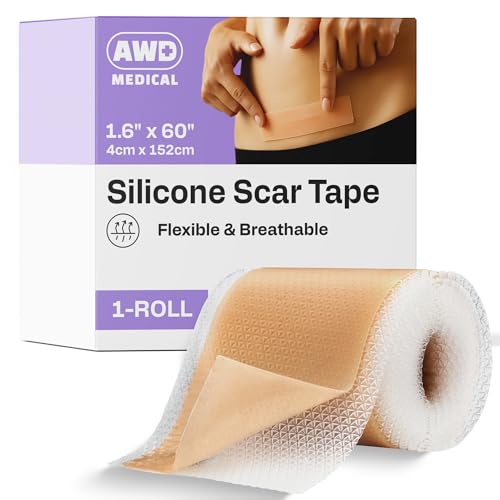
Silicone Scar Sheets for Breast – Reusable Medical Grade Scar Tape for Surgical Scars, C-Section, Face – Waterproof Silicone Strips, Patches for Scar Healing and Removal – Cut To Fit 60 inch Roll
SAFE & SKIN-FRIENDLY: Made with 100% medical-grade silicone, these silicone scar sheets are latex and Teflon free, gentle…
As an affiliate, we earn on qualifying purchases.
As an affiliate, we earn on qualifying purchases.
What Are Your Options When Medicare Won’t Cover Your Equipment?

When Medicare doesn’t cover your equipment, you still have options to get what you need. You can explore alternative funding sources or consider private insurance plans that might help. Additionally, assistance programs could provide support, so it’s worth researching all available resources. Understanding your caregiving resources can empower you to find the best solutions for your loved one’s needs. Knowing about insurance coverage options tailored to different circumstances can further aid in securing necessary equipment. To make informed decisions, it’s helpful to consider total‑cost clarity and how different systems impact ongoing expenses. Being aware of medical equipment financing options can also open up additional avenues for obtaining essential devices. Learning about funding programs that specialize in medical equipment can further expand your options.
Explore Alternative Funding Sources
If Medicare doesn’t cover your equipment, exploring alternative funding sources is essential to guarantee you get the assistive technology you need. Start by researching state or local programs that offer financial assistance for medical equipment. Nonprofit organizations and charities sometimes provide grants or equipment donations for specific conditions. You can also look into crowdfunding platforms, where friends and family can help fund your needs. Additionally, some manufacturers or suppliers have payment plans or discounts for those who qualify. Private foundations focused on health or disability might offer grants or subsidies. Always check eligibility requirements and application deadlines. Implementing backup plans can also help you manage equipment needs during gaps in coverage. By exploring these funding sources, you increase your chances of obtaining the necessary equipment without overextending your finances.
Consider Private Insurance Options
Private insurance can be a valuable resource when Medicare doesn’t cover your medical equipment. Exploring alternative options through your private insurer might be the solution you need. When considering insurance options, review your policy carefully to understand coverage limits, exclusions, and additional costs. Some private plans offer supplemental coverage that fills gaps left by Medicare, so it’s important to compare plans and ask about specific equipment coverage. Keep in mind that insurance considerations vary between providers, and not all policies will include the same benefits. Contact your insurance company directly to clarify what’s covered and whether any pre-authorizations are required. Taking these steps helps ensure you find the best coverage for your needs when Medicare falls short.
Seek Assistance Programs
If private insurance options don’t fully cover your equipment needs, exploring assistance programs can offer additional support. Many community organizations, charities, and government agencies provide financial aid or discounted assistive technology, including mobility aids like wheelchairs and walkers. These programs are designed to help you access essential equipment without overwhelming costs. Start by researching local non-profits or contacting state health departments that often have resources for assistive devices. Some programs also partner with vendors to offer reduced-price mobility aids or loaner equipment. Additionally, Medicare Savings Programs or Medicaid might help cover costs if you qualify. Community resources can be a valuable source of support for obtaining the necessary assistive technology to improve your independence and quality of life when Medicare falls short. Understanding assistive technology programs can help you identify additional avenues for support and funding.
Creatively Financing New Imaging Equipment / Not-for-profits Face New Rules on Tax-deferred Retirement Plans / Suppliers and the Bailout / AMA Disrupts New Standars / The Auction-rate Aftermath (Modern Healthcare, December 1, 2008)
As an affiliate, we earn on qualifying purchases.
As an affiliate, we earn on qualifying purchases.
Estimating Costs and Finding Financial Assistance
Wondering how much your Medicare-covered equipment will cost and how to manage those expenses? It’s essential to do a thorough cost estimation to understand your potential out-of-pocket costs. Start by reviewing prices from different suppliers and factoring in any additional fees. This process is similar to exploring modern kitchen technology, where understanding the latest innovations can help you make informed decisions. Additionally, researching backup power options can provide insights into alternative solutions if coverage falls short. This helps you create a clear financial plan, so you’re not caught off guard. Consider reaching out to vendors for detailed quotes and check if your insurance or assistance programs can offset some costs. Budget wisely by setting aside funds for unexpected expenses. Staying proactive with financial planning ensures you’re prepared and reduces stress when acquiring equipment not covered by Medicare. Remember, knowing your costs upfront makes it easier to explore options for financial assistance and avoid surprises.
How Medicaid, Charities, and Grants Can Help Cover Equipment
Medicaid, charities, and grants can provide essential financial support for acquiring Medicare-covered equipment, especially when costs become a barrier. If Medicare doesn’t fully cover your needs, applying for Medicaid or exploring charity organizations might help bridge the gap. Many charity organizations assist with medical equipment costs, and Medicaid applications can sometimes grant additional coverage. These resources can be a lifeline, ensuring you receive necessary equipment without overwhelming expenses. To better understand available support, review the table below, which highlights different options:
| Resource | Eligibility Criteria | Assistance Offered |
|---|---|---|
| Medicaid | Income-based, state-specific | Equipment coverage, support |
| Charity Organizations | Varies, often based on need | Free or discounted equipment |
| Grants | Specific to medical equipment needs | Financial aid for purchases |
| Local Community Groups | Residency and need-based | Equipment donations, support |
| Nonprofits | Certain health conditions | Equipment funding or donations |
Private Insurance and Supplemental Plans for Medical Equipment

While programs like Medicaid and charities can help cover medical equipment costs, many individuals turn to private insurance and supplemental plans to fill remaining gaps. These insurance options often provide additional coverage beyond Medicare, reducing out-of-pocket expenses. However, coverage limitations vary between plans, so it’s essential to review the specifics carefully. Some plans may cover certain types of equipment, while others exclude particular items or impose strict limits on coverage amounts. You should compare different supplemental plans to find one that best fits your needs. Keep in mind, even with private insurance, you might still be responsible for co-pays or deductibles. Understanding each plan’s coverage limitations helps you make informed decisions and ensures you get the necessary equipment without unexpected costs.
Working With Suppliers and Managing Equipment Billing
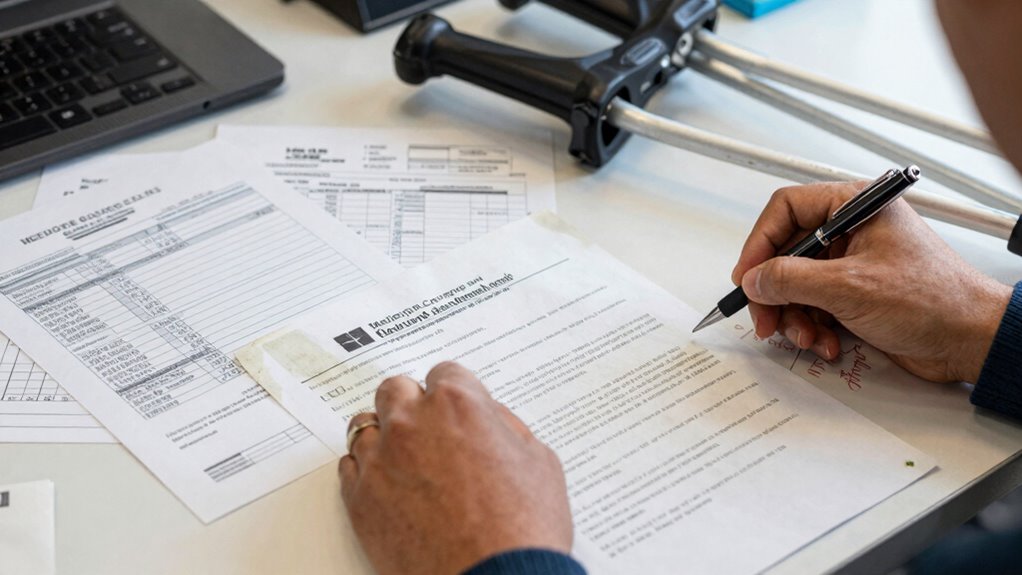
Working with suppliers and managing equipment billing can be straightforward if you stay organized and communicate clearly. Building strong supplier relationships helps ensure smooth transactions and reliable service. To effectively manage your equipment:
- Confirm billing procedures upfront to avoid surprises.
- Keep detailed records of invoices, payments, and correspondence.
- Schedule regular equipment maintenance to prevent breakdowns.
- Clarify warranties and return policies before purchasing.
Staying proactive about equipment maintenance extends its lifespan and reduces unexpected costs. Maintaining open communication with suppliers guarantees you’re aware of any billing issues or updates. By keeping everything well-documented and fostering good relationships, you simplify the process and reduce stress, even when Medicare doesn’t cover your equipment.
What to Do If Your Equipment Is Denied or Not Covered?
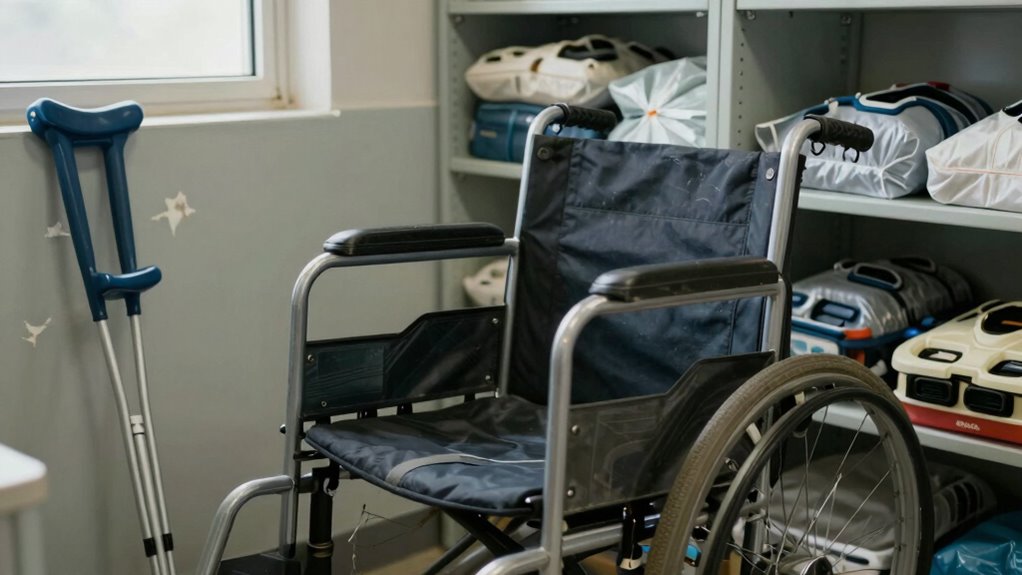
If your equipment gets denied or isn’t covered by Medicare, don’t panic. First, review the denial notice carefully to understand why it was rejected. You may need to provide additional documentation or evidence of medical necessity. Contact your supplier to discuss options for appealing the decision, and ask about proper equipment maintenance and patient training to guarantee safe use. Sometimes, Medicare denials are due to incorrect coding or incomplete information, so double-check your paperwork. Keep detailed records of all communications and supporting documents. If the appeal isn’t successful, explore other funding sources or programs that might cover the costs. Staying proactive and informed helps you navigate the process and ensure your equipment’s proper use and maintenance.
Planning Ahead to Avoid Coverage Gaps for Medical Equipment

Planning ahead can help you prevent coverage gaps for your medical equipment, ensuring you have the necessary supplies when you need them most. To do this effectively:
Planning ahead ensures continuous access to essential medical equipment when you need it most.
- Choose a reliable provider with a good track record for equipment maintenance and timely support.
- Confirm what your insurance covers and ask about additional options if needed.
- Schedule regular maintenance checks to prolong equipment lifespan and avoid unexpected failures.
- Keep detailed records of all purchases, maintenance, and communications with your provider for easy reference.
Frequently Asked Questions
How Can I Appeal a Denied Medicare Claim for Equipment?
When Medicare denies your equipment claim, start by filing a Medicare appeal promptly. Gather all relevant equipment documentation, including prescriptions, detailed invoices, and proof of medical necessity. Submit your appeal through the appropriate channels, such as the Medicare Review or an ALJ hearing if needed. Be thorough, clear, and organized in your case. Following these steps helps you navigate Medicare appeals effectively and increases your chances of overturning the denial.
What Documentation Is Needed to Prove My Equipment Is Medically Necessary?
To prove your equipment is medically necessary, you need strong medical necessity documentation. This includes your doctor’s detailed notes, signed prescriptions, and test results that demonstrate your need for the equipment. Make sure you gather proof of need, such as assessments or evaluations from healthcare professionals. Providing exhaustive medical necessity documentation helps support your case when appealing Medicare denial, showing clear evidence that the equipment is essential for your health.
Are There Specific Brands or Models More Likely to Be Covered?
Brand preferences and model specifications can influence Medicare coverage, but it’s not guaranteed. You should research reputable brands known for durability and quality, and compare model specifications to ascertain they meet your medical needs. Medicare tends to be more receptive to well-known, medically approved models. Always check with your provider or supplier beforehand to confirm that your preferred brand or model aligns with coverage policies, avoiding unnecessary out-of-pocket expenses.
How Often Can I Replace or Upgrade My Medical Equipment?
You can typically replace or upgrade your medical equipment every few years, but it depends on the type of device and its condition. For replacement frequency, consult your healthcare provider or the equipment manufacturer’s guidelines. When considering upgrade options, check if your insurance or Medicare covers newer models. Staying proactive assists in ensuring you have the latest, most effective equipment, keeping your health and comfort a priority.
Can I Rent Equipment Instead of Purchasing It?
Yes, you can rent medical equipment instead of buying it. Rental options often provide more flexibility, especially if you only need equipment temporarily or want to avoid high upfront costs. Medicare sometimes covers rental options for certain devices, so check with your provider. Renting allows you to access the latest equipment, and you can usually return or upgrade it easily when your needs change.
Conclusion
Even if Medicare doesn’t cover your equipment, don’t get discouraged. You might think it’s too complicated or expensive to find alternatives, but there are options like Medicaid, charities, and private plans that can help. With some research and proactive planning, you can access the equipment you need without breaking the bank. Remember, staying informed and exploring all resources guarantees you get the support you deserve, even when Medicare falls short.