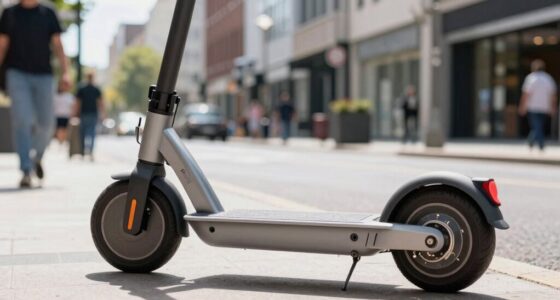
Riding a scooter in the city can give you back your sense of freedom by allowing quick, efficient travel without getting stuck in traffic. To minimize risks, stay alert, wear a helmet, and follow local safety rules. Use bike lanes and avoid sidewalks to stay predictable and visible. Planning your route and riding at moderate speeds in crowded areas keeps you safer. If you want to learn how to enjoy this freedom responsibly, there’s more to discover.

Get comfort and care essentials delivered free — and shop member deals
- Fast, free delivery on millions of items
- Access to Prime Big Deal Days deals on October 6–7
- Prime Video, Amazon Music and more included
Key Takeaways
- Follow local traffic laws and use designated bike lanes to ensure safe, predictable riding.
- Wear a helmet and use hand signals to protect yourself and communicate intentions clearly.
- Plan routes with less traffic and avoid riding on sidewalks to reduce collision risks.
- Maintain awareness of surroundings and adapt speed to crowded or weather-affected conditions.
- Utilize urban infrastructure and parking zones to enhance safety and minimize conflicts with pedestrians and vehicles.
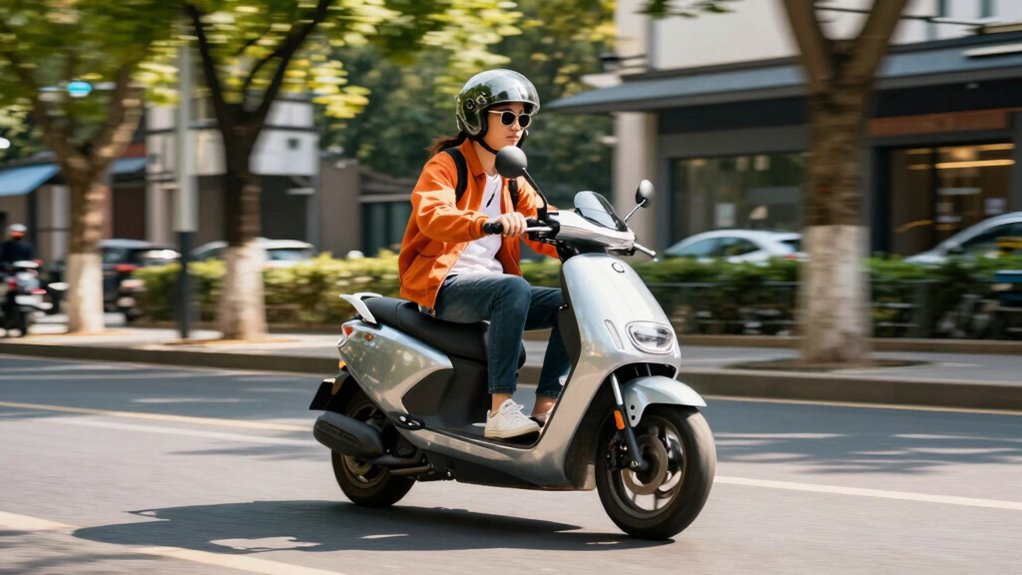
Scooters have become a popular way to navigate city streets, offering a sense of freedom and quick mobility. You can zip through crowded neighborhoods, avoid long waits in traffic, and reach your destination with relative ease. But as you embrace this newfound freedom, it’s important to weigh urban safety and how scooters fit into the busy flow of city traffic. When used responsibly, scooters can be a safe and efficient mode of transportation that enhances your daily commute without adding too much risk.
Urban safety starts with awareness. You need to stay alert and respect the rules of the road, just like any other vehicle. Wear a helmet, keep an eye on your surroundings, and use hand signals when turning or changing lanes. Being visible to pedestrians and drivers is vital, especially as scooters often share space with cars, bikes, and foot traffic. You should also familiarize yourself with local regulations on scooter use, which often dictate where and how you can ride. Following these rules not only keeps you safe but also helps integrate scooters smoothly into the traffic ecosystem.
Traffic integration is key to reducing risks associated with scooter riding. Instead of darting in and out of traffic unpredictably, aim for predictable behavior. Ride in bike lanes when available, and avoid riding on sidewalks where pedestrians may not expect you. Many cities are improving their infrastructure to better accommodate scooters, such as adding dedicated lanes or designated parking zones. Staying within these designated areas helps you blend into the traffic flow, making your ride safer for everyone. It also reduces the chances of collisions or conflicts with other road users. Additionally, understanding how traffic flow and infrastructure improvements play a role can help you ride more confidently and safely. Recognizing how the urban environment adapts to new transportation options can further enhance your safety and experience.
To give yourself the best chance of enjoying freedom without excessive risk, plan your routes ahead of time. Use routes with less traffic or roads that have clear bike or scooter lanes. Keep your speed moderate, especially in crowded areas, to maintain control and react swiftly if needed. Be mindful of weather conditions too—wet or icy surfaces can make scooter riding slippery and dangerous. When you respect urban safety guidelines and prioritize traffic integration, you can experience all the benefits of scooter riding without exposing yourself to unnecessary hazards. Moreover, paying attention to urban safety measures and infrastructure adjustments can significantly enhance your riding experience and safety.
Ultimately, scooters can restore your sense of freedom in the city while maintaining safety for yourself and others. As long as you stay alert, follow local rules, and ride thoughtfully within the traffic system, you’ll find that this mode of transport can be both liberating and safe. It’s all about balancing your desire for quick mobility with the responsibility to keep everyone safe on the road.
As an affiliate, we earn on qualifying purchases.
Frequently Asked Questions
How Do Scooter Speeds Vary Across Different Models?
You’ll find that scooter speeds vary based on models’ engine types and battery longevity. Electric scooters with powerful brushless motors typically reach higher speeds, around 15-25 mph, while those with smaller engines are slower. Battery longevity also influences speed; longer-lasting batteries often support sustained, consistent speeds. Always check the manufacturer’s specs to guarantee the scooter’s speed matches your needs, especially if you’re looking for a balance between performance and safety.
Are There Age Restrictions for Scooter Riders?
Yes, there are age restrictions for scooter riders. You need to be aware of age-related licensing requirements, which vary by location, and youth rider restrictions that limit younger riders from operating certain scooters. For example, some areas require riders to be at least 16 or 18 years old and hold a valid license. Always check local regulations to confirm you’re complying with age-specific rules and riding safely.
What Safety Gear Is Recommended for Scooter Use?
You should always wear a protective helmet to safeguard your head in case of falls or collisions. Additionally, don’t forget reflective gear to boost visibility, especially at night or in low-light conditions. These safety measures help you stay protected and seen by others on the road. Combining a helmet with reflective gear guarantees you enjoy your scooter ride with reduced risk, giving you freedom while prioritizing your safety.
How Do Weather Conditions Impact Scooter Safety?
Weather woes worsen scooter safety, so you should watch for weather hazards and visibility issues. Rain can reduce traction, making slips and skids more likely, while fog or snow can obscure your view, increasing danger. Wind can also cause instability. Before riding, check the forecast, avoid slick surfaces, and stay alert. Adjust your speed and gear up properly to navigate weather woes safely, ensuring your ride remains a fun and secure freedom.
Can Scooters Be Used on Public Transportation?
Yes, you can use scooters on public transportation, but you should check local regulations first. When doing so, consider scooter parking options at transit hubs to avoid clutter and fines. Keep up with scooter maintenance to guarantee safety during your ride. Some transit systems allow scooters on buses or trains, but rules vary, so always verify before traveling. Proper planning helps you enjoy easy, flexible transportation without added risks.
Conclusion
Riding a scooter can truly give you back your sense of freedom, but remember, safety comes first. Did you know that nearly 50% of scooter accidents involve pedestrians or other vehicles? Stay alert, wear your helmet, and follow local rules. With responsible riding, you can enjoy the thrill and independence scooters offer while minimizing risks. Embrace the ride and make every trip both fun and safe!
Fall Picks
fall essentials
As an affiliate, we earn on qualifying purchases.