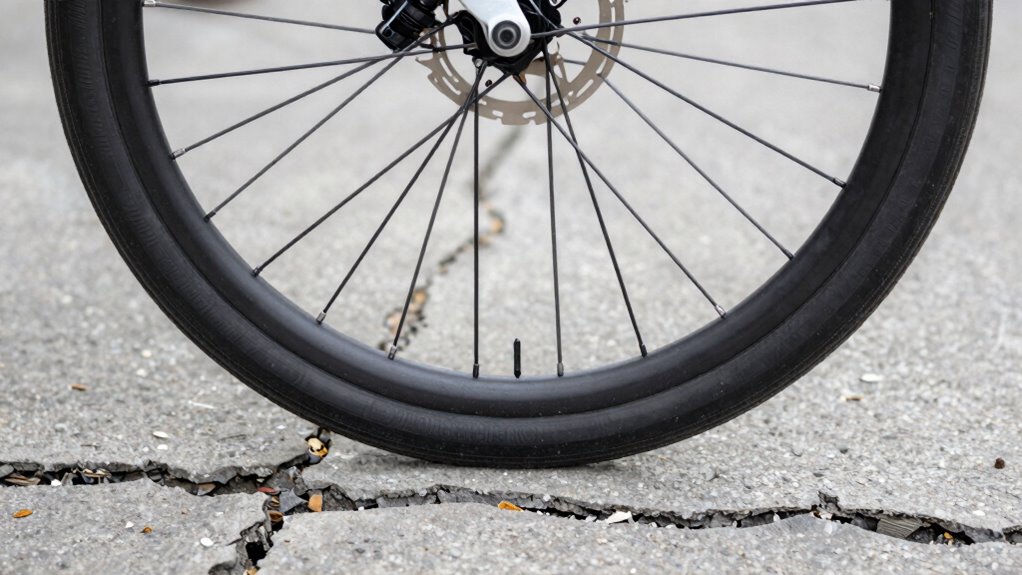

Your vehicle’s suspension is more important on rough sidewalks than you might think because it absorbs shocks and vibrations that can cause discomfort or damage. It keeps your ride smooth, protects other parts of your car, and guarantees safety. Proper suspension handling of uneven surfaces prevents bumps, sways, and excessive jolts. Staying aware of how suspension works helps you understand its essential role in safety and comfort—continue to discover how you can keep your vehicle performing its best.

Turn quiet afternoons into listening time
- Thousands of audiobooks, podcasts and originals
- Listen on your phone, tablet or Echo — also offline
- Cancel anytime
Key Takeaways
- Suspension absorbs shocks, preventing discomfort from uneven sidewalks, making walks smoother for families.
- Proper suspension maintains vehicle stability and control on rough terrain, enhancing safety for passengers.
- Durable suspension reduces wear on other vehicle parts, ensuring long-term safety and reliability during family trips.
- Adaptable suspensions improve tire contact and vehicle balance on various sidewalk textures, preventing jolts and sway.
- Regular maintenance of suspension systems ensures continued comfort and safety in challenging walking environments.
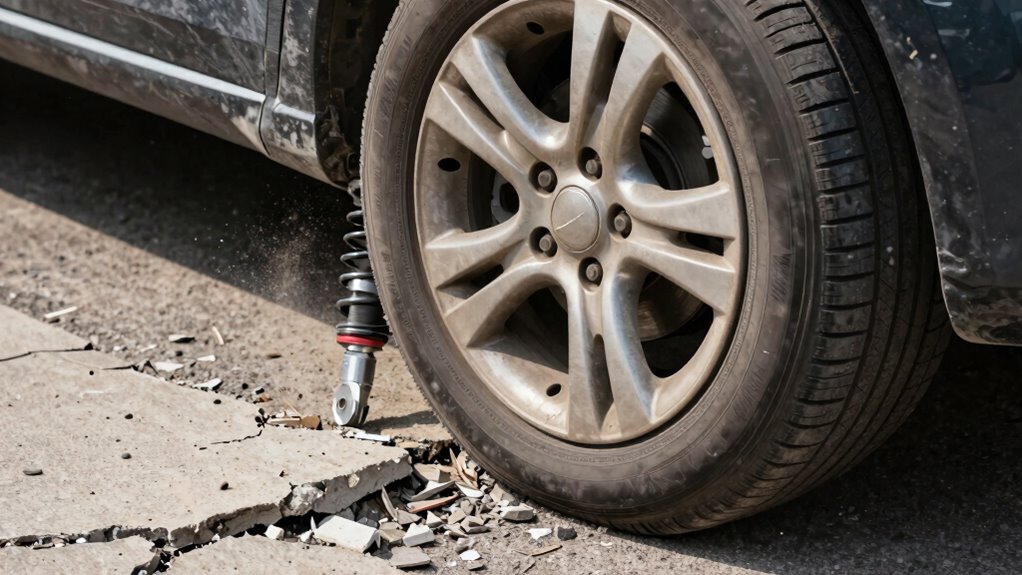
When you’re maneuvering uneven sidewalks, you might not realize just how much your suspension system impacts your ride. The truth is, suspension durability plays a crucial role in how smoothly you navigate rough terrain. A well-maintained suspension can absorb shocks and vibrations, preventing them from transferring directly to your body and your vehicle’s interior. This not only makes for a more comfortable ride but also reduces wear and tear on other vehicle components. When your suspension is built to last, it remains effective longer, ensuring you can handle unpredictable surfaces without sacrificing safety or comfort. Conversely, if your suspension lacks durability, even minor bumps can cause significant jolts, leading to discomfort and potential damage over time.
Road surface compatibility is another critical factor that emphasizes the importance of your suspension system on rough sidewalks. Different surfaces demand different levels of suspension response. For example, uneven concrete, cobblestone streets, or cracked asphalt each challenge your vehicle’s ability to adapt. A suspension system that’s compatible with these surfaces will flex and absorb irregularities effectively, giving you better control and stability. If your suspension isn’t designed for such conditions, you’ll feel every bump and jolt, which can make driving more stressful and less safe. Compatibility isn’t just about comfort; it’s about maintaining control and preventing unnecessary strain on your vehicle’s suspension components. When you invest in a suspension system optimized for your typical road surfaces, you ensure a smoother ride that’s less prone to damage. Recognizing how suspension system performance impacts your overall driving experience can help you make smarter maintenance choices.
On rough sidewalks, your suspension’s ability to adapt to varying textures and elevations becomes even more vital. It’s not just about cushioning bumps but also about maintaining proper alignment and tire contact with the road. Good suspension durability means your system can handle extended exposure to rough conditions without deteriorating quickly. Meanwhile, road surface compatibility ensures that your suspension responds appropriately to different terrain types, preventing excessive bouncing or swaying. This combination keeps your vehicle stable, reduces fatigue for you and your passengers, and extends the lifespan of your suspension parts. Additionally, suspension durability is closely linked to the overall safety and reliability of your vehicle in challenging driving conditions. So, next time you face uneven sidewalks, remember that your suspension system isn’t just a comfort feature; it’s a key player in your safety, control, and overall driving experience. Proper maintenance and choosing the right suspension for your terrain make all the difference.
As an affiliate, we earn on qualifying purchases.
Frequently Asked Questions
How Often Should I Check My Bicycle’s Suspension System?
You should check your bicycle’s suspension system at least once a month, especially if you ride often on rough sidewalks. Suspension technology relies on proper maintenance to perform well, and regular checks guarantee that components like shocks and forks are functioning correctly. Also, verify tire compatibility when adjusting suspension; mismatched tires can affect ride quality. Regular inspections help you catch issues early, keeping your ride smooth and safe.
Can Suspension Upgrades Improve Ride Comfort on Rough Sidewalks?
Yes, suspension upgrades can greatly improve ride comfort on rough sidewalks. By tuning your suspension properly, you enhance shock absorption, making your ride smoother and more comfortable. Upgraded suspension components help absorb jolts and vibrations, reducing fatigue and discomfort. Regular suspension tuning guarantees peak performance, especially on uneven surfaces. Investing in quality suspension upgrades transforms rough sidewalks into more manageable terrain, giving you a more enjoyable and comfortable riding experience.
Is Suspension Maintenance Necessary for E-Bikes?
Yes, suspension maintenance is absolutely necessary for your e-bike! Neglecting it can turn your smooth ride into a bumpy nightmare, risking damage to your battery longevity and motor performance. Regular checks keep your suspension functioning perfectly, ensuring you glide effortlessly over rough sidewalks and preserve your bike’s power. Don’t wait for a breakdown—stay ahead, maintain your suspension, and enjoy a safer, smoother ride every time.
How Does Suspension Affect Bike Handling on Uneven Terrain?
Suspension greatly improves bike handling on uneven terrain by enhancing shock absorption, which keeps your wheels in contact with the ground. This maintains better wheel traction, giving you more control and stability. Without proper suspension, bumps can cause your bike to bounce and lose grip, making riding more difficult. By absorbing shocks effectively, suspension guarantees smoother rides and safer navigation over rough surfaces, especially on challenging terrains.
Are There Different Suspension Types for Various Riding Styles?
Yes, there are different suspension types tailored for various riding styles. For example, mountain biking often uses full suspension systems with adjustable suspension tuning to optimize performance on rough terrains. Road riders typically prefer rigid or minimal suspension setups for efficiency. When choosing a suspension type, you must consider component compatibility to guarantee proper fit and function. Proper suspension tuning enhances comfort and control, especially on uneven surfaces.
Conclusion
You might think a smooth ride is just a luxury, but on rough sidewalks, suspension isn’t just a feature—it’s your vehicle’s lifeline. Without it, you’re risking more than just a bumpy journey; you could be shaking up your car’s insides or risking costly damage. So next time you’re cruising over uneven pavement, remember: good suspension isn’t just an upgrade, it’s the difference between a smooth ride and a mechanical meltdown waiting to happen.
Fall Picks
fall essentials
As an affiliate, we earn on qualifying purchases.