
To choose the right scooter range, start by evaluating your daily routes and riding habits—short trips don’t need high range models, but longer commutes do. Keep in mind that factors like traffic, hills, weather, and riding style impact real-world performance. Balance battery capacity with weight and cost, and consider features like quick or swappable batteries. Knowing these details helps guarantee you pick a scooter that suits your needs perfectly—and there’s more to uncover to make an informed choice.

Turn quiet afternoons into listening time
- Thousands of audiobooks, podcasts and originals
- Listen on your phone, tablet or Echo — also offline
- Cancel anytime
Key Takeaways
- Match scooter range to your typical routes and daily distance needs.
- Consider real-world factors like traffic, terrain, and weather that affect actual range.
- Balance battery capacity with weight, cost, and portability for your riding style.
- Use eco modes and smooth riding to maximize battery efficiency and extend range.
- Prioritize long-term battery health and reliability for consistent performance over time.
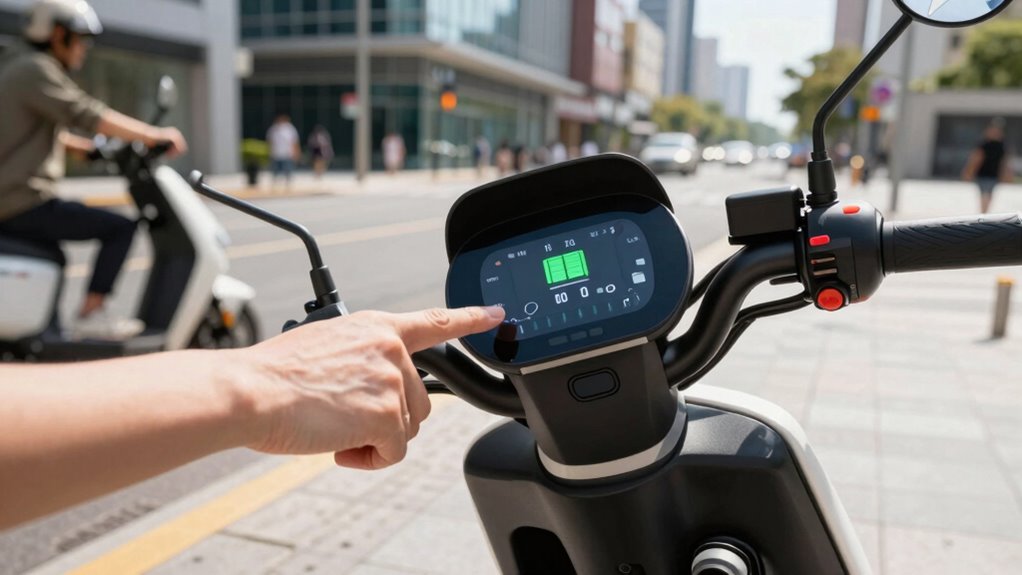
If you want to make the most of your scooter’s battery life, knowing a few simple tips can go a long way. When considering a scooter for urban commuting, understanding how its range fits into your daily needs is essential. Battery life isn’t just about how far a scooter can go on a single charge; it also depends on factors like riding style, terrain, and how you maintain the scooter. Before you buy, think about your typical routes and how often you’ll need to recharge. If your daily trips are short, you might not need a model with a massive range. But if you plan to venture farther or use your scooter for errands, aiming for a higher range makes sense.
Maximize your scooter’s battery by matching range to your daily routes and riding habits.
It’s also important to remember that the advertised range often varies from real-world performance. Manufacturers usually test under ideal conditions, which rarely match the urban environments you’ll navigate. Traffic, stops, hills, and weather can all impact your scooter’s actual range. So, when comparing models, look beyond the marketing numbers. Check reviews or ask current users about their experiences in city settings. You want a scooter that can comfortably handle your daily routine without the fear of running out of juice halfway through. Understanding battery capacity and how it aligns with your typical use can help you make a more informed choice. Additionally, factors such as battery health and usage history can influence overall performance and longevity. Being aware of battery degradation over time can help you select a model with better long-term reliability.
Another key aspect is how you ride. A smoother, more cautious riding style conserves battery life, extending your scooter’s range. Accelerate gradually, avoid sudden stops, and try to maintain a consistent speed. If your scooter has eco modes, use them; they can significantly enhance battery efficiency during urban commuting. Regular maintenance also plays a role—keeping your tires properly inflated and ensuring the brakes and motor are in good shape prevents unnecessary drain on the battery.
When you’re shopping, consider the scooter’s battery capacity and how it aligns with your typical use. Higher capacity batteries usually mean longer range but can add weight and cost. Balance your needs with these trade-offs. Think about whether you’ll need to carry the scooter frequently or if a heavier model might be less convenient. Also, look for features like quick charging or swappable batteries, which can help you extend your riding time without long downtime.
Ultimately, understanding how to think about scooter range before you buy helps you choose a model that suits your urban commute. By considering your daily distance, riding habits, and the real-world conditions you’ll face, you can pick a scooter that offers reliable battery life, making your trips smoother and more enjoyable.
electric scooter long range battery
As an affiliate, we earn on qualifying purchases.
As an affiliate, we earn on qualifying purchases.
Frequently Asked Questions
How Does Rider Weight Affect Scooter Range?
Your rider weight considerably impacts scooter range because higher rider weight reduces scooter efficiency. When you’re heavier, the motor has to work harder, draining the battery faster. If you’re lighter, your scooter can travel farther on a single charge. Be mindful of your weight when choosing a scooter, as it directly affects how far you can ride before needing a recharge, ensuring you select a model suited for your needs.
Can Weather Conditions Impact Scooter Battery Life?
Yes, weather conditions can impact scooter battery life. Extreme cold accelerates battery degradation and reduces capacity, limiting your range. Hot weather may cause overheating, also harming the battery’s health over time. Rain and moisture affect weather resilience, potentially damaging internal components and decreasing efficiency. To maintain ideal range, store your scooter in suitable conditions, and consider weather-resistant models for better resilience against varying climates.
How Often Should I Charge My Scooter for Optimal Range?
Like a knight tending to his steed, you should charge your scooter regularly—ideally after each use or every few days—to maintain the best range. Good battery maintenance involves avoiding letting it fully drain or stay at 100% for long periods. Consistent charging habits help preserve battery health, ensuring your scooter’s range stays reliable. Don’t forget, frequent but gentle top-ups are better than infrequent deep charges.
Do Different Terrains Significantly Reduce Scooter Range?
Yes, different terrains can considerably reduce your scooter’s range. Terrain challenges like steep hills, rough surfaces, or uneven paths demand more power, which drains the battery faster. This impacts battery efficiency, causing your scooter to run out sooner than on flat, smooth surfaces. To maximize range, consider the terrain you’ll frequently encounter and choose a scooter with suitable power and battery capacity for those conditions.
Is There a Way to Extend My Scooter’s Range?
Yes, you can extend your scooter’s range through battery maintenance and range optimization. Keep your battery charged properly, avoiding extreme levels of depletion or overcharging. Regularly check for corrosion and keep connections clean. Reduce unnecessary weight and maintain proper tire pressure to maximize efficiency. By practicing good battery maintenance and optimizing your riding habits, you’ll stretch your scooter’s range further and enjoy longer, more reliable rides.
Conclusion
Now that you know what to take into account about scooter range, you’re better equipped to make a smart choice. Think of your scooter’s range like a trusty map—guiding you through your daily adventures without getting lost or stranded. Remember, a little extra range can be your safety net, ensuring you reach your destination with confidence. So, weigh your needs carefully, and soon you’ll be riding smoothly, knowing your scooter’s range is just right for your journey ahead.
Halloween Picks
halloween
As an affiliate, we earn on qualifying purchases.