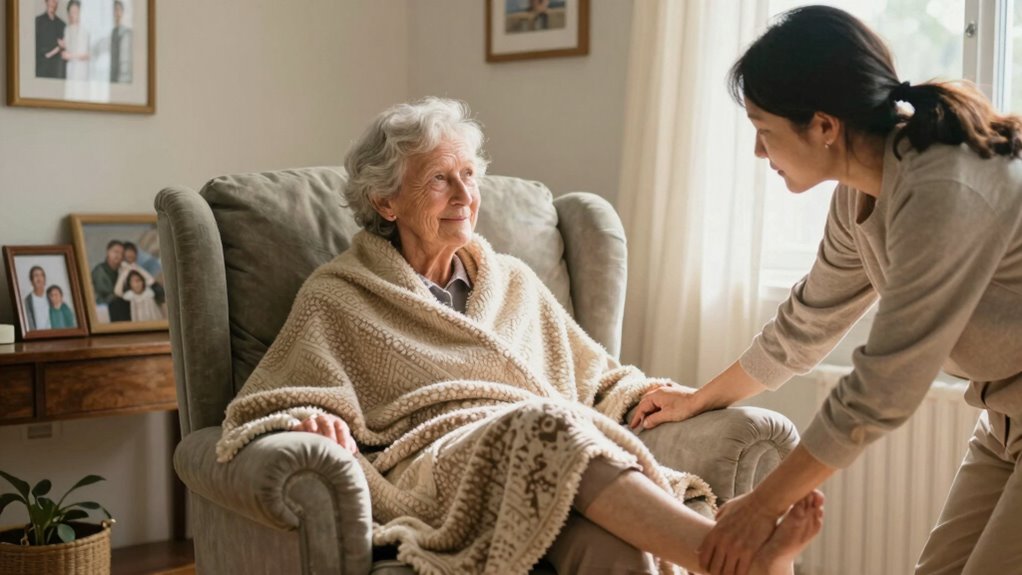
Caring for a loved one with limited leg mobility means helping them adapt to daily tasks, ensuring their home is safe and accessible, and monitoring health risks like skin issues or blood clots. You’ll need to assist with mobility, coordinate medical needs, and provide emotional support. With proper planning, assistive devices, and safety modifications, you can create a supportive environment. If you want to learn more about steering through these aspects, you’ll find helpful tips ahead.
Key Takeaways
- Expect increased dependence on mobility aids, home modifications, and assistance for daily activities and transfers.
- Be prepared for ongoing health monitoring to prevent pressure sores, blood clots, and skin infections.
- Communication may require assistive technology; active dialogue with healthcare providers is essential.
- Long-term planning should include safety modifications, adaptive equipment, and exploring care options like assisted living.
- Caregiver self-care and support resources are vital to sustain effective care and prevent burnout.
What Are the Main Challenges of Limited Leg Mobility?

What are the main challenges of limited leg mobility? You’ll notice daily tasks become more difficult, affecting independence and confidence. Moving around can be painful or exhausting, which is where assistive technology, like walkers or braces, plays a vital role. Without proper support, your loved one might struggle with balance or fall risks. Limited leg mobility also impacts mobility exercises that help maintain strength and flexibility, making it harder to prevent further deterioration. Simple activities like standing or transferring from a chair may require extra effort or assistance. As a caregiver, understanding these challenges helps you better support their needs while encouraging safe mobility practices. Addressing these issues early can improve safety, comfort, and overall quality of life. Additionally, implementing simple organizational strategies can help create a safer, more accessible environment that supports their mobility needs. Recognizing the importance of adaptive equipment can further enhance their independence and reduce fatigue during daily routines. Incorporating professional guidance can also ensure that mobility techniques are safe and effective for their specific condition. Engaging in specialized exercises designed for limited mobility can also contribute to preserving their strength and preventing further decline.
How Can I Make My Home Safe and Accessible?
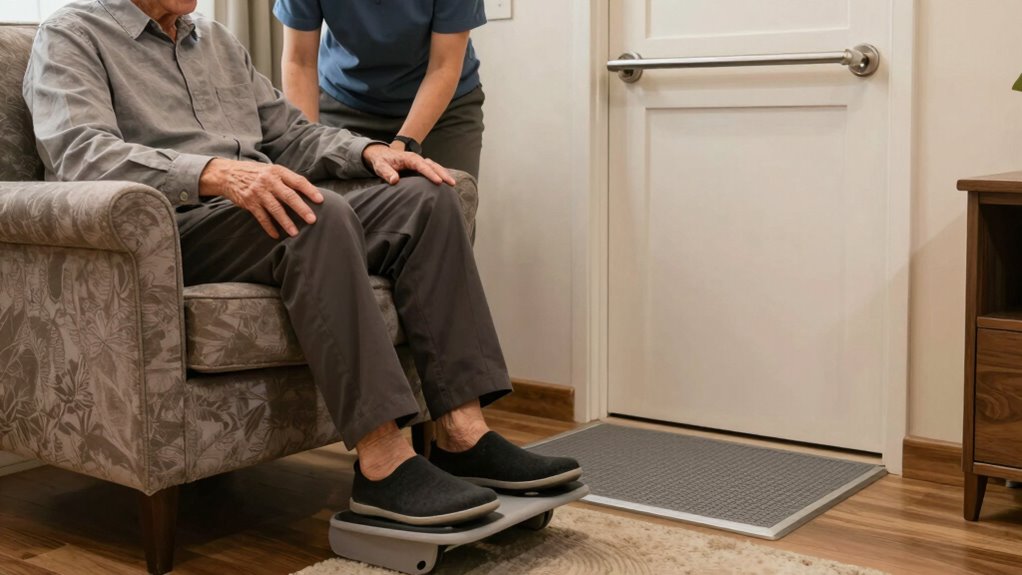
Making your home safe and accessible is key to supporting a loved one with limited leg mobility. Start with essential home modifications and safety equipment to prevent falls and injuries. Installing grab bars in the bathroom and near stairs, widening doorways and clearing pathways for easy wheelchair or walker access, adding ramps at entryways instead of steps, and using non-slip mats and rugs to reduce slipping hazards are all important steps. Additionally, choosing appropriate home safety devices can further enhance security and independence. These steps create a safer environment and promote independence. Focus on removing obstacles and installing safety equipment that supports mobility. Simple modifications can considerably reduce risks, making daily activities easier and safer for your loved one. Incorporating mobility aids and assistive technology can further support independence and safety at home. Remember, a well-adapted home encourages confidence and comfort while reducing the likelihood of accidents.
Which Mobility Aids and Devices Are Best for My Loved One?
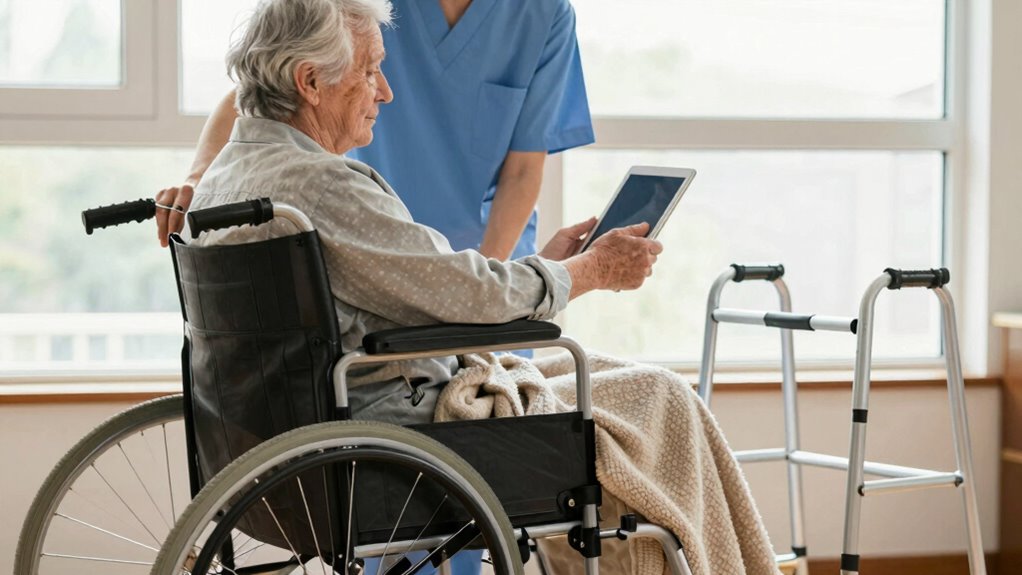
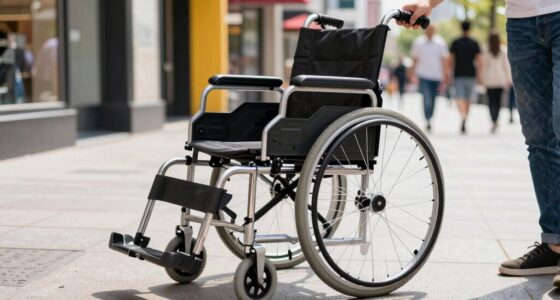
Choosing the right mobility aids and devices is essential for maintaining your loved one’s independence and safety. When it comes to wheelchair selection, consider comfort, size, and ease of use. A well-chosen wheelchair provides stability and reduces fatigue. Walking aids, like canes or walkers, help your loved one regain confidence and move around more freely. Select walking aids that match their height and strength to prevent strain. Lightweight options are easier to maneuver, making daily activities smoother. Consult with a mobility specialist to determine the best fit for their needs. Remember, the right combination of wheelchair and walking aids can boost mobility, promote independence, and ensure safety at home and outside. Proper fit is crucial for comfort and effectiveness of mobility devices.
How Do I Create Effective Daily Routines and Care Plans?

Creating a structured daily routine and care plan helps your loved one stay safe, comfortable, and independent. To do this effectively:
Establishing a daily routine promotes safety, comfort, and independence for your loved one.
- Schedule regular times for personal hygiene, using accessible tools and assistance as needed. Incorporating Free Floating concepts can help you adapt routines seamlessly without fixed schedules, allowing flexibility based on your loved one’s daily needs.
- Plan nutritious meals that meet their dietary needs, ensuring proper hydration and balanced nutrition.
- Include designated times for rest, mobility exercises, and social interaction to promote well-being. Incorporating adaptive equipment can further support mobility and independence.
- Keep a consistent routine for medication, appointments, and safety checks to prevent overlooked needs.
- Incorporate accessible tools and adaptive equipment to facilitate daily activities and enhance safety. Additionally, understanding home safety considerations can help you identify potential hazards and make necessary modifications, especially for those with limited leg mobility.
What Health Risks Should I Watch For and How Can I Prevent Them?
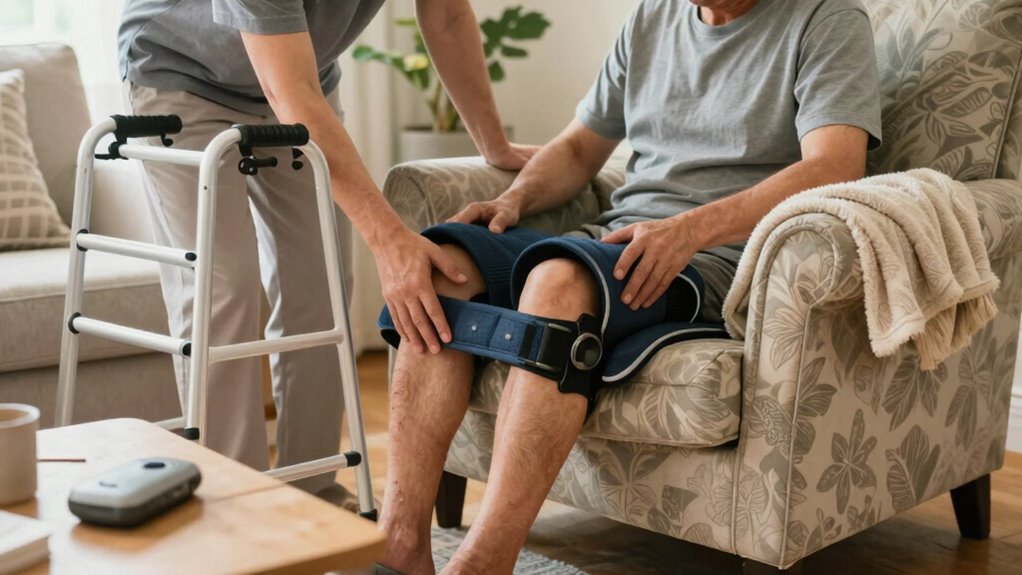
Since limited leg mobility can increase the risk of health complications, it’s essential to stay vigilant for issues like pressure sores, blood clots, and infections. Pressure sores develop when prolonged pressure restricts blood flow to the skin, so regularly changing your loved one’s position is vital. Use cushions or pads to reduce pressure points. Blood clots can form in the legs due to poor circulation, so encourage movement when possible and monitor for swelling or redness. Ensuring good hygiene helps prevent infections, especially around pressure points. Keep skin clean and dry, and check daily for any signs of skin breakdown or swelling. Incorporating preventive measures such as regular repositioning can greatly reduce these risks. Additionally, understanding the role of water therapy in maintaining circulation and skin health can be beneficial. Proper hydration and skin hydration techniques can also support skin integrity and overall comfort. Engaging in pressure injury prevention strategies is crucial for maintaining skin health and avoiding complications. Using air purifiers to improve indoor air quality can help reduce respiratory infections and skin irritants that may exacerbate skin issues. Promptly addressing these issues can considerably reduce potential health problems and improve your loved one’s safety and comfort.
How Can I Support My Loved One’s Emotional Well-Being?
Supporting your loved one’s emotional well-being is just as important as caring for their physical health. You can help build their emotional resilience and encourage social engagement, which are key to maintaining a positive outlook.
Prioritizing emotional well-being alongside physical health fosters resilience and social connection in loved ones.
Consider these steps:
- Regularly check in on their feelings, offering reassurance and empathy.
- Encourage participation in hobbies or activities they enjoy, fostering a sense of purpose.
- Facilitate social interactions, whether through visits, phone calls, or virtual meetups.
- Celebrate small achievements to boost confidence and resilience.
How Do I Communicate With My Loved One and Healthcare Providers?

Clear and effective communication is key when talking with your loved one and healthcare providers. Ask specific questions to get the information you need and avoid misunderstandings. By staying focused and direct, you can make certain everyone’s concerns are addressed promptly. Additionally, understanding net worth and other personal background details can help you better relate and communicate effectively.
Effective Communication Strategies
Effective communication is vital when caring for a loved one with limited leg mobility, as it guarantees their needs are understood and addressed promptly. To do this, you can:
- Use assistive technology like speech-to-text apps or communication boards to bridge gaps when they struggle to express themselves.
- Encourage your loved one to describe their comfort levels during mobility exercises or daily activities.
- Speak clearly and listen actively, making sure you understand their concerns before acting.
- Maintain open dialogue with healthcare providers to stay informed about their condition and treatment options.
- Familiarizing yourself with upfitting fundamentals can help you better understand their mobility aids and adaptive equipment.
Asking Clear and Specific Questions
How can you guarantee your questions are understood and provide the information you need? Be specific and direct when communicating with healthcare providers and your loved one. Use clear language, avoiding assumptions, and ask questions that target exact concerns. To ensure clarity, prepare key questions ahead of time and prioritize what matters most. When discussing options like adaptive sports or community resources, clarify details such as accessibility and participation requirements. Here’s a helpful table to guide your questions:
| Topic | Sample Question | Purpose |
|---|---|---|
| Medical Care | What specific mobility aids are recommended? | Understand treatment options |
| Community Resources | Are there local programs for adaptive sports? | Find support opportunities |
| Communication | How can I best support my loved one’s needs? | Improve understanding |
| Accessibility | What modifications are needed for safe mobility? | Ensure home safety |
| Follow-up Questions | When should I check back for updates? | Stay informed |
Additionally, understanding caregiving strategies can help you better support your loved one and navigate the healthcare system effectively. Developing effective communication skills is essential for conveying your questions clearly and ensuring your loved one’s needs are met. Incorporating assistive technologies into daily routines can significantly improve mobility and independence, making caregiving more manageable. Moreover, familiarizing yourself with available community resources can provide valuable support and enhance quality of life for your loved one. Recognizing the importance of caregiver self-care can also prevent burnout and maintain your well-being during this process.
What Are the Long-Term Care Options and Planning Tips?
Understanding your loved one’s long-term care options is essential for planning ahead. You’ll need to contemplate different settings like in-home care, assisted living, or nursing homes. Exploring available resources now can help you make informed decisions that best support their needs.
Long-Term Care Settings
Choosing the right long-term care setting is a vital step in ensuring your loved one receives the support they need for limited leg mobility. Consider options like:
- In-home care with assistive technology, such as stairlifts and grab bars, allowing your loved one to stay comfortable at home.
- Assisted living facilities that provide daily assistance and caregiver training to support mobility challenges.
- Skilled nursing facilities for extensive medical care when needed.
- Rehabilitation centers focused on mobility improvement and adaptive strategies.
Each setting offers different levels of support, so assess your loved one’s needs carefully. Proper caregiver training and assistive technology can maximize independence and safety in any environment you choose.
Planning and Resources
Effective planning is crucial to guarantee your loved one receives the right long-term care as their mobility needs evolve. Start by exploring assistive technology, like stairlifts or mobility scooters, to enhance independence. Research community resources such as transportation services, support groups, and home care agencies that can provide essential assistance. Consider long-term care options, including in-home care, adult day programs, or assisted living facilities, based on your loved one’s needs and preferences. Developing a thorough plan involves coordinating medical care, safety modifications, and financial arrangements. Regularly reassess your loved one’s condition and adjust your plan accordingly. Utilizing available community resources and assistive technology can ease caregiving burdens, promote independence, and improve quality of life. Proper planning ensures you’re prepared for evolving needs.
Frequently Asked Questions
How Do I Handle Emergencies Involving My Loved One’s Mobility?
When emergencies happen, stay calm and assess the situation quickly. Use assistive devices like walkers or wheelchairs to stabilize your loved one and prevent falls. Call emergency services if needed, and keep essential items nearby. Encourage your loved one to perform mobility exercises regularly to strengthen muscles and improve stability. Always have a plan in place, including contact numbers and a safe exit route, to handle unexpected situations confidently.
What Are the Signs of Skin Breakdown or Pressure Sores?
You should watch for redness, swelling, or skin discoloration during a skin assessment, especially over bony areas. Feel for warmth or hardness, which can indicate a developing pressure ulcer. If these signs persist or worsen, it’s important to seek medical advice promptly. Regularly changing positions helps prevent skin breakdown, and keeping the skin clean and dry supports overall skin health, reducing the risk of pressure sores.
How Can I Encourage Independence Safely?
You can encourage independence safely by using assistive devices like grab bars or walkers to support mobility. Incorporate these tools into daily routines, allowing your loved one to perform tasks with confidence. Offer gentle encouragement and supervision, ensuring they feel empowered while preventing falls or injury. Regularly assess their comfort and progress, adjusting assistance as needed, so they build strength and independence in a safe, supportive environment.
What Resources Are Available for Caregiver Support?
You can find valuable resources like respite care services that give you necessary breaks and caregiver training programs to boost your skills. Local community centers, hospitals, and nonprofit organizations often offer these programs. Online support groups and helplines also provide emotional support and advice. Taking advantage of these resources helps you stay healthy and effective, ensuring your loved one receives the best care possible while maintaining your well-being.
How Do I Manage Medication and Pain Control Effectively?
To manage medication and pain control effectively, you need to guarantee medication adherence by setting regular reminders and keeping a detailed schedule. Use pain management techniques like warm compresses, gentle massages, and distraction methods to ease discomfort. Communicate regularly with healthcare providers to adjust medications as needed, and monitor your loved one’s responses. Staying organized and attentive helps keep their pain under control and improves overall comfort.
Conclusion
Caring for a loved one with limited leg mobility is like tending a delicate garden—you need patience, attention, and the right tools to help it flourish. By understanding their challenges, creating a safe environment, and offering emotional support, you nurture their well-being every step of the way. Remember, your care is the sunlight that helps them thrive. With love and vigilance, you can help them navigate this journey with hope and dignity.