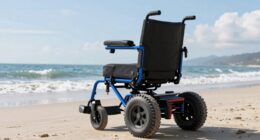
Understanding weight limits on mobility equipment is key to keeping yourself safe and avoiding damage. Check the labels on your device, usually found on the frame or seat, to see the maximum weight it can support. Always follow the manufacturer’s guidelines and avoid overloading. Regular maintenance and choosing equipment suited for your current weight ensure safety and longevity. If you want to learn detailed tips on how to select and care for your device, keep exploring these useful insights.
Key Takeaways
- Check the weight limit labels on the device’s frame or seat to determine maximum supported weight.
- Understand that exceeding weight limits can cause equipment failure and safety hazards.
- Ensure the device’s weight capacity matches current and future user weight for safe usage.
- Follow manufacturer guidelines and safety instructions to maintain device integrity and safety.
- Regularly inspect and maintain the equipment to prevent malfunctions related to weight stress.
What Are Mobility Equipment Weight Limits and Why Are They Important?
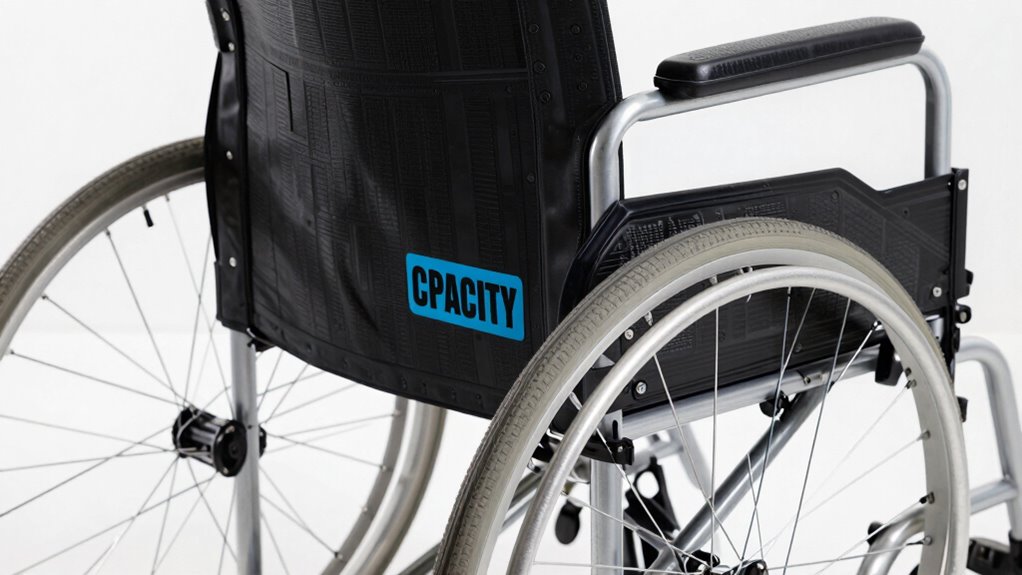
Have you ever wondered why weight limits matter when it comes to mobility equipment? Your device has a specific weight capacity designed to support a certain amount of weight safely. Exceeding this limit can compromise the safety considerations built into the equipment, increasing the risk of malfunction or failure. These weight limits aren’t arbitrary; they’re carefully tested and determined by manufacturers to ensure durability and safety. Knowing your mobility device’s weight capacity helps you avoid accidents and prolongs its lifespan. It’s essential to respect these limits for your safety and comfort. By sticking within the recommended weight range, you can confidently use your equipment without worry, ensuring it continues to serve you effectively and reliably. Additionally, understanding structural integrity and smart safety features incorporated into some modern mobility devices can further enhance user safety. Recognizing how design specifications impact overall performance can help you make informed decisions about usage and maintenance, especially considering the importance of product testing standards and the importance of weight capacity limits.
How to Read Your Mobility Device’s Weight Capacity Labels

Wondering how to find out your mobility device’s weight capacity? It’s simple: look for the weight capacity labels on your equipment. These labels are usually located on the frame, base, or seat. To understand them, you should:
Check your mobility device’s labels on the frame, base, or seat for weight capacity details.
- Check the maximum weight listed, which indicates the device’s limit.
- Read any additional safety guidelines printed nearby, including recommended usage instructions.
- Confirm the units of measurement (pounds or kilograms) to guarantee accuracy.
- Always verify the label information against device specifications to ensure you’re following current safety standards and best practices. Electric bikes, like other mobility devices, have specific weight limits that affect safety and performance, so understanding these labels is crucial. Knowing how to read safety labels helps you maintain your device properly and avoid potential hazards, especially considering proper maintenance is key for the longevity and safety of your equipment.
Common Mistakes When Using Mobility Equipment and How to Avoid Them
Using your mobility equipment correctly is key to staying safe and making the most of its features. One common mistake is neglecting proper maintenance, which can lead to malfunctions or safety hazards. Additionally, insufficient user education can result in misuse or overloading. To avoid these errors, always follow the manufacturer’s instructions and schedule regular checks. Proper maintenance ensures reliability, while understanding how to use your device correctly prevents accidents. Take time to learn about weight limits and how to operate your equipment safely. Recognizing the importance of well‑sourced coverage in safety guidelines can further enhance your knowledge and ensure comprehensive understanding. Being aware of weight capacity is essential for safe operation and longevity of your mobility device. Consulting reliable safety information can also help you stay updated on best practices and regulations. Remember that piercing care and hygiene are crucial for preventing infections, which can compromise your health and your equipment’s functionality. Regularly inspecting your device and understanding device specifications can help you avoid unexpected issues and extend its lifespan.
How to Choose the Right Equipment for Your Weight and Needs

Choosing the right mobility equipment starts with understanding your specific weight and needs. To guarantee safety and comfort, look for devices with an ergonomic design that promotes user comfort during use. Consider these key factors:
Select mobility devices that match your weight and prioritize ergonomic, comfort-enhancing features.
- Weight capacity that matches or exceeds your current weight
- Features tailored to your mobility needs, like adjustable supports or controls
- Ergonomic design elements that enhance comfort and reduce strain
- Researching reputable providers ensures you access trusted Gold IRA markets and high-quality equipment suited to your requirements.
Additionally, evaluating durability standards helps ensure your equipment withstands regular use and environmental conditions, and paying attention to equipment maintenance can extend its lifespan and reliability. Understanding product testing procedures can further ensure the safety and longevity of your mobility device.
Maintaining and Upgrading Your Mobility Devices for Safety and Longevity

Regular maintenance and timely upgrades are essential to guarantee your mobility devices remain safe, reliable, and comfortable over time. Keep your equipment in top shape by inspecting parts regularly, replacing worn components, and ensuring proper custom fitting. Upgrading accessories, like cushions or armrests, can enhance comfort and safety. Consider adding accessory upgrades to tailor your device to your needs. Proper care extends the lifespan of your equipment, preventing unexpected breakdowns. Additionally, understanding Free Floating concepts in maintenance can help optimize your device’s performance. Being aware of weight limits ensures you don’t overload your device, which is crucial for safety and longevity. Monitoring component integrity is vital to prevent accidents and maintain optimal function. Incorporating innovative European cloud solutions can also assist in tracking maintenance schedules and device data remotely for better management. Regularly consulting with a qualified technician can further ensure your device remains in excellent condition.
Frequently Asked Questions
How Do Weight Limits Affect the Safety Features of Mobility Devices?
Weight limits directly impact the safety features of your mobility device by ensuring that it can support your weight safely. Exceeding these limits can strain the frame, brakes, and wheels, reducing their effectiveness and increasing the risk of failure. Always check the weight limits, as they’re designed to keep you safe. Staying within them helps maintain peak safety features, ensuring your device functions properly and keeps you secure.
Can Exceeding the Weight Limit Cause Long-Term Damage to the Equipment?
Exceeding the weight limit can cause damage risk and impact the longevity of your mobility equipment. When you push beyond the recommended weight, components may strain or break over time, leading to costly repairs or replacements. To keep your device functioning safely and effectively, stick within the specified weight limits. Doing so helps preserve its structural integrity and ensures it lasts longer, providing reliable support whenever you need it.
Are Weight Limits Different for Indoor and Outdoor Mobility Equipment?
A stitch in time saves nine, so knowing that indoor and outdoor mobility equipment often have different weight capacities helps you stay safe. Typically, outdoor equipment is built for higher weight limits due to rougher terrain, while indoor gear may have lower limits for maneuverability. Always check the specific weight capacity for each type of equipment to guarantee safety and prevent damage, as pushing limits can lead to costly repairs or accidents.
How Often Should I Reassess My Mobility Device’s Weight Capacity?
You should reevaluate your mobility device’s weight capacity at least once a year or if your weight changes markedly. Regularly checking guarantees your device can safely support you and function properly. Keep an eye on any signs of strain or wear, and follow your healthcare provider’s recommendations for a reassessment schedule. Staying proactive helps maintain safety, comfort, and ideal performance of your mobility equipment.
What Are Signs That My Device Is Not Suitable for My Current Weight?
If your mobility device starts creaking or wobbling like a haunted house, it’s a clear sign it’s struggling with your weight. Watch for uneven tire wear or unusual noises—these threaten its structural integrity. When these signs appear, your device may no longer meet its weight capacity. Ignoring these hints risks safety, so reassess promptly. Your equipment isn’t a superhero; it has limits, and ignoring them puts you at risk.
Conclusion
Understanding your mobility equipment’s weight limits is like knowing the rules of a game—you’ll play safely and win. By reading labels carefully, avoiding common mistakes, and choosing the right device for your needs, you guarantee your safety and prolong your equipment’s life. Keep your device in top shape through proper maintenance and upgrades. Remember, treating your mobility device with care is like tending a garden—nurture it, and it’ll support you for years to come.