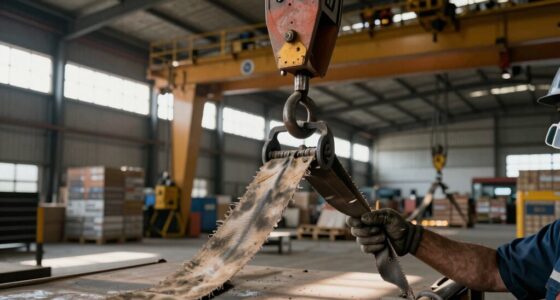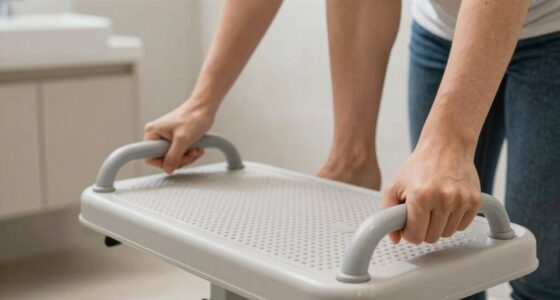

If you notice transfer equipment operating sluggishly, making unusual noises, or responding inconsistently, it’s time to seek mechanical help. Signs like stiff joints, worn brake pads, or mechanical parts showing damage mean trouble ahead. Difficulty in manual movement or equipment performance dips also indicate issues. Ignoring these signals can compromise safety and cause costly repairs. Stay aware of these warning signs to keep everything running smoothly—more details are waiting if you keep exploring.

Turn quiet afternoons into listening time
- Thousands of audiobooks, podcasts and originals
- Listen on your phone, tablet or Echo — also offline
- Cancel anytime
Key Takeaways
- Transfer equipment exhibits difficulty moving or responds sluggishly during operation.
- Unusual noises or failure to start indicate mechanical issues needing intervention.
- Brake systems are unresponsive, squeal, or show inconsistent resistance during transfer.
- Mechanical parts are stiff, jammed, or display signs of damage or malfunction.
- Regular inspections reveal wear, tear, or hydraulic and electrical system malfunctions.
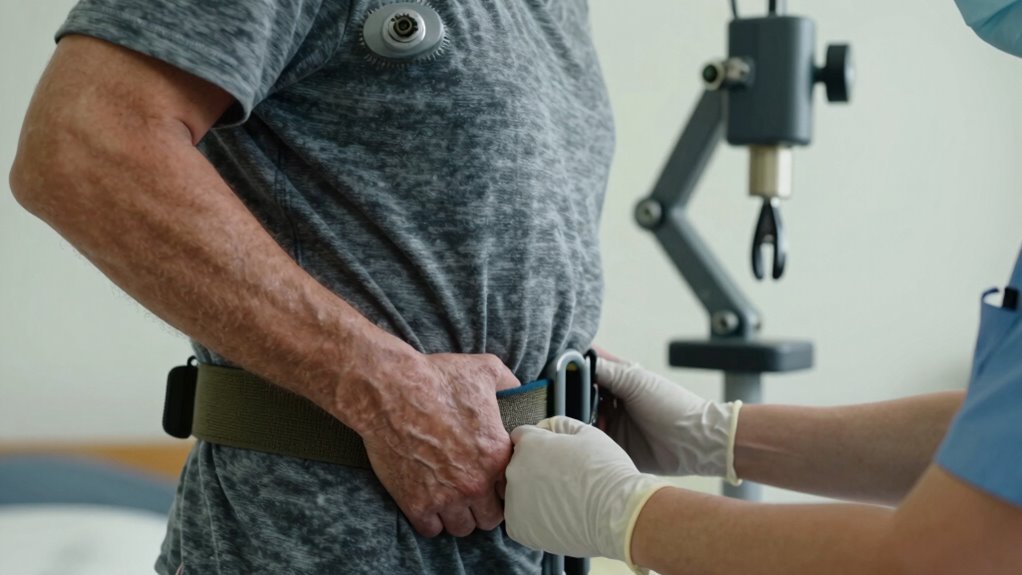
Have you ever wondered when a patient needs more than just manual assistance during a transfer? Recognizing the signs that mechanical help is necessary can prevent accidents and guarantee safety for both the patient and caregiver. One of the first indicators is difficulty in operating the transfer equipment smoothly. If you notice the machine’s engine struggling or making unusual noises during startup or operation, it’s a clear sign you should perform engine troubleshooting. Engine issues might include sluggish responses, irregular sounds, or failure to start altogether. These problems suggest the mechanical system isn’t functioning at its best, risking sudden breakdowns mid-transfer. Ignoring such signs can lead to unsafe situations, so it’s essential to address engine troubleshooting promptly, either by repairing or replacing faulty parts. Additionally, paying attention to equipment performance can help you catch issues early before they become critical. Regular inspections can also reveal wear and tear, which might compromise the transfer device’s reliability if left unaddressed. Proper maintenance of mechanical components is vital for ensuring ongoing safety and reliable operation.
Difficulty operating transfer equipment smoothly indicates a need for engine troubleshooting to prevent unsafe breakdowns.
Another essential signal is when the brake system diagnostics reveal problems. The brake system is fundamental for controlling movement, securing the patient, and preventing accidental slips or falls. If you find that the brakes are unresponsive, squealing, or applying inconsistent resistance, it indicates a need for immediate attention. Brake system diagnostics help you assess whether the brake pads are worn out, if there’s an air leak, or if the hydraulic system is malfunctioning. When brakes are compromised, manual efforts no longer suffice, and you risk losing control during transfers. Mechanical assistance becomes necessary to guarantee the transfer process remains safe, especially when manual handling isn’t enough to stabilize or control the equipment. Proper maintenance of these systems is crucial for preventing sudden failures that could jeopardize safety. Regular system checks can also identify potential issues before they escalate. Addressing mechanical failures promptly can save lives and prevent costly repairs or replacements.
In addition to engine troubleshooting and brake system diagnostics, you should be alert to other mechanical issues that compromise safety. For example, if the transfer device’s joints or hinges are stiff or jammed, manual manipulation won’t be enough to facilitate smooth movement. Electrical components failing to respond or display error messages also signal the need for mechanical intervention. These signs collectively point to the fact that the equipment isn’t performing reliably on its own. Using mechanical help in these situations isn’t just about convenience; it’s an essential safety measure, preventing potential failures that could harm the patient or caregiver. Ensuring all mechanical parts are well-maintained and functioning optimally is key to a safe transfer process.
Ultimately, understanding these transfer situations helps you make informed decisions about when to switch from manual assistance to mechanical help. Always prioritize safety by regularly inspecting your equipment, performing engine troubleshooting, and conducting brake system diagnostics. Recognizing these signals early ensures you can intervene before minor issues escalate into serious hazards, providing a safer, more controlled transfer experience every time.
transfer equipment with mechanical assistance
As an affiliate, we earn on qualifying purchases.
As an affiliate, we earn on qualifying purchases.
Frequently Asked Questions
What Types of Mechanical Aids Are Most Effective for Transfers?
The most effective mechanical aids for transfers include transfer belts, sliding boards, and mechanical lifts. These tools often complement manual techniques by ensuring patient comfort and safety. Transfer belts offer stability, sliding boards reduce friction, and mechanical lifts minimize strain for both you and the patient. Using these aids properly enhances the transfer process, prevents injury, and maintains patient dignity, making the entire experience smoother and safer for everyone involved.
How Can Caregivers Safely Assist With Transfers?
Imagine guiding a delicate flower without crushing its petals—that’s how you should assist with transfers. To guarantee caregiver safety and patient comfort, always communicate clearly, use proper body mechanics, and ask for help when needed. Keep your feet shoulder-width apart, bend your knees, and lift with your legs. Never rush or twist, and always support the patient securely, creating a safe, gentle transfer that feels like a natural flow.
Are There Risks Associated With Mechanical Transfer Devices?
Yes, there are risks associated with mechanical transfer devices. You need to conduct a thorough risks assessment before using any device to identify potential hazards. Regular device maintenance is essential to guarantee safety and proper functioning. If you neglect these steps, the device could malfunction, causing injury to yourself or the person you’re assisting. Always follow manufacturer instructions and check the device’s condition before each use to minimize risks.
How Do I Choose the Right Transfer Equipment?
To choose the right transfer equipment, consider assistive technology that matches your patient’s needs and transfer ergonomics to prevent injury. Evaluate their mobility level, weight, and any medical conditions, then select devices like transfer belts, slide sheets, or mechanical lifts accordingly. Guarantee the equipment is user-friendly, fits well, and promotes safe, efficient transfers. Consulting with a healthcare professional can help you make the best choice for each individual situation.
What Training Is Needed for Using Mechanical Transfer Aids?
Imagine confidently guiding a patient onto a mechanical lift, knowing comfort and safety are your priorities. To do this, you need proper staff training that covers device operation, patient handling techniques, and safety protocols. This training guarantees you understand how to use transfer aids correctly, minimizing discomfort and risk. With thorough training, you enhance patient comfort and ensure safe, effective transfers, making your caregiving both safer and more reassuring.
Conclusion
When you ignore the signs that mechanical help is needed, you risk turning a simple transfer into a disaster movie. A tiny wobble or a faint tremor can escalate into chaos if not addressed immediately—like a ticking time bomb ready to explode. Always trust those subtle signals; they’re your body’s way of screaming for backup. Don’t wait until you’re caught in a catastrophe—act early, get the help you need, and keep yourself safe from the chaos that follows neglect.
Fall Picks
fall essentials
As an affiliate, we earn on qualifying purchases.