
Power wheelchairs are often overlooked because society underestimates their importance, viewing mobility aids as temporary or for severe disabilities only. Cost barriers, insurance issues, and a lack of awareness also delay access. Stereotypes and misconceptions make it harder to see them as tools for independence rather than dependency. If you keep exploring, you’ll discover how these misconceptions and obstacles can be overcome to improve your mobility and quality of life.
Key Takeaways
- Society often views mobility aids as temporary or only for severe disabilities, undervaluing their long-term benefits.
- Insurance restrictions and high costs create financial barriers, delaying access to power wheelchairs.
- Lack of awareness and misconceptions lead to underrecognition of early signs and need for assistive technology.
- Cultural stereotypes and stigma portray wheelchair users negatively, discouraging timely adoption and acceptance.
- Limited education and policy reforms hinder systemic support, causing delays in providing access to suitable mobility solutions.
Why Are Power Wheelchairs Often Overlooked?

Have you ever wondered why power wheelchairs often don’t get the attention they deserve? It’s mainly because many people face mobility barriers that make it hard to see them as essential. Society sometimes views mobility devices as temporary or optional, overlooking how vital power wheelchairs are for independence. Accessibility solutions exist, but they aren’t always widely understood or available, which keeps these devices out of focus. Additionally, some assume power wheelchairs are just for severe disabilities, ignoring their benefits for a broader range of users. This misconception leads to underfunding and limited awareness. Moreover, the contrast ratio of assistive devices can significantly influence user comfort and safety, yet it’s often overlooked in public discussions. As a result, many who could benefit from a power wheelchair don’t consider it as a viable option, perpetuating the cycle of neglect and misunderstanding. Recognizing the key traits of successful users and advocates can help shift perceptions and improve support systems. Understanding the importance of accessibility design can further promote wider acceptance and integration of power wheelchairs in daily life. For example, increasing public awareness about the technological advancements in power wheelchairs can help break down misconceptions and highlight their evolving capabilities.
Common Myths About Power Wheelchairs and Their Benefits

Many people believe that power wheelchairs are only for those with the most severe disabilities, but this common myth underestimates their benefits. Power wheelchairs are a crucial part of assistive technology, improving mobility for many. They’re often seen as bulky or unnecessary, yet they enhance independence and quality of life. Additionally, advances in design and technology have made them more accessible and user-friendly than ever before. Proper piercing care and hygiene practices can also reduce discomfort and improve overall experience with mobility devices. Moreover, the integration of AI Smasher features continues to optimize user comfort and safety.
How Cost Can Delay Access to Power Wheelchairs
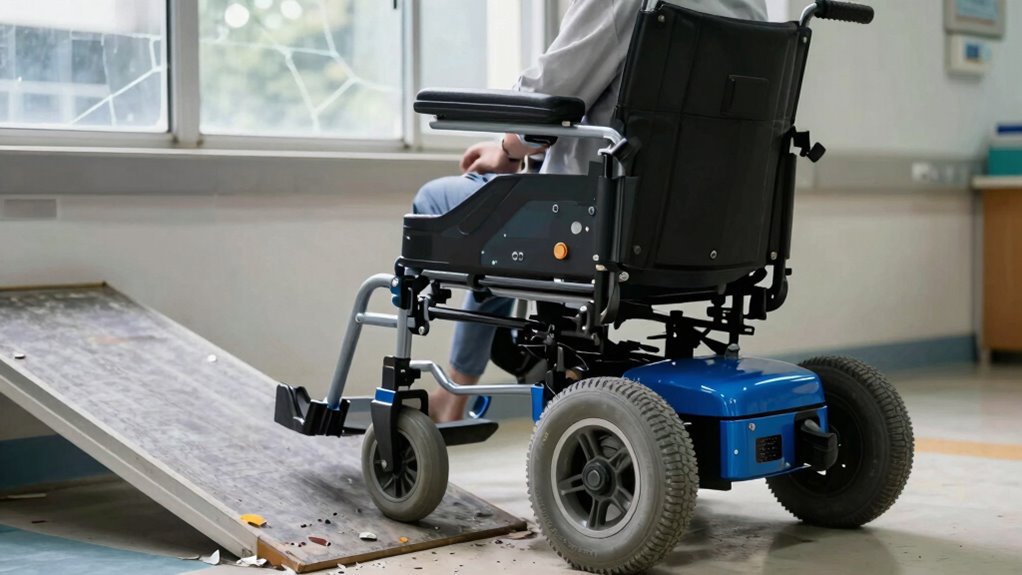
You might find that insurance limitations make it harder to get a power wheelchair when you need one. High costs can also delay your ability to afford and access the equipment promptly. These financial barriers can substantially impact your mobility and independence. Additionally, affiliate disclosures may influence the availability of funding options or assistive device recommendations. Understanding the cost considerations involved can help you better navigate funding and purchasing decisions. Being aware of financial barriers can also help you explore alternative funding sources or assistance programs to reduce delays. Implementing risk management strategies can help safeguard your investments and ensure timely access to necessary mobility devices. Awareness of insurance policies related to assistive devices can further facilitate smoother acquisition.
Insurance Limitations Impact Access
Insurance limitations often create considerable delays in obtaining power wheelchairs, as coverage policies can be complicated and restrictive. Insurance barriers and coverage gaps mean you might face lengthy approval processes or outright denials, even when a power wheelchair is medically necessary. These restrictions can lead to postponements, forcing you to wait longer or pay out-of-pocket. The table below highlights common insurance issues:
| Issue | Impact | Solution |
|---|---|---|
| Coverage gaps | Denial of full costs | Appeal or seek alternative funding |
| Pre-authorization | Delays in approval | Provide detailed medical documentation |
| Limited coverage | Reduced or partial reimbursement | Explore supplemental insurance options |
| Policy restrictions | Narrow eligibility criteria | Consult with your provider for clarity |
| Frequent changes | Repeated re-approvals needed | Maintain updated medical records |
Additionally, understanding insurance policy details can help navigate these hurdles more effectively. Being aware of coverage options and their limitations can make the process smoother. Recognizing policy restrictions early on can prevent unexpected denials. Regularly reviewing your coverage status is crucial to avoid surprises that could further delay access. These hurdles can considerably delay access, even when you urgently need mobility assistance.
High Costs Delay Acquisition
High costs often prevent timely access to power wheelchairs, even when insurance covers part of the expense. Cost barriers can be overwhelming, making it difficult for you to afford the device you need. Awareness gaps also play a role; many overlook available financing options or assistance programs. These factors combined delay acquisition, impacting your independence and quality of life. To navigate this, consider:
- Exploring grants and subsidies
- Discussing payment plans with providers
- Consulting with insurance for better coverage
- Connecting with advocacy groups for support
Understanding these options can help bridge the gap caused by high costs. Recognizing cost barriers early is essential to avoid unnecessary delays and ensure you get the mobility aid you deserve. Financial assistance options can make a significant difference in overcoming these barriers. Additionally, staying informed about innovative solutions emerging in the healthcare industry may open up new avenues for affordable access. Being aware of coverage options can also help you maximize insurance benefits and reduce out-of-pocket expenses. Research indicates that some programs may also include funding opportunities specifically for mobility devices, further easing financial burdens. Recognizing the importance of comprehensive planning and cost management strategies can also support timely acquisition.
Why Lack of Awareness Stops People From Using Power Wheelchairs
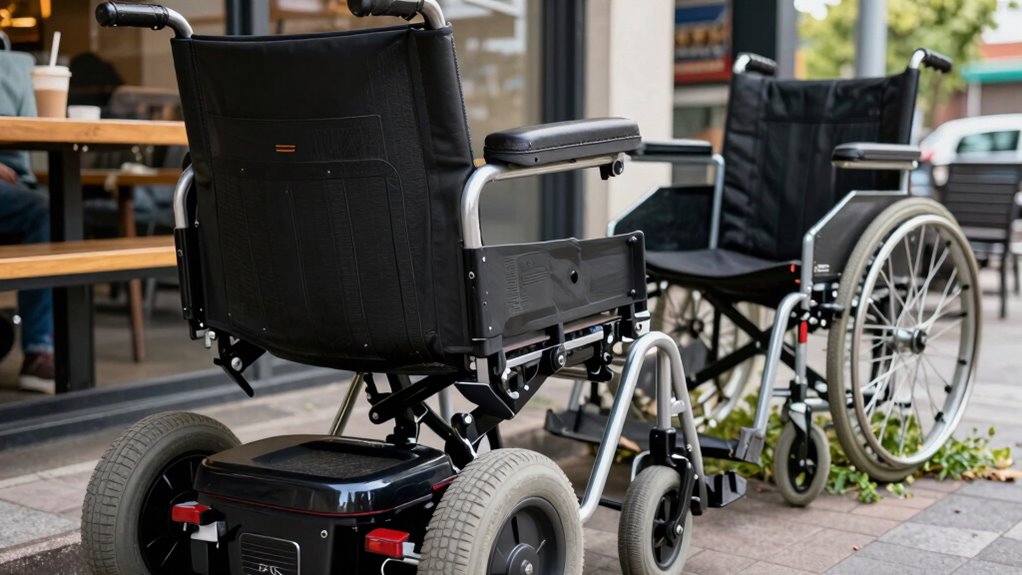
Many people remain unaware of the full capabilities and benefits of power wheelchairs, which can prevent them from considering this option for mobility. Often, they don’t realize that power wheelchairs are advanced assistive technology designed to enhance independence and improve quality of life. A lack of awareness stems from limited exposure or misconceptions about mobility aids, leading individuals to stick with traditional manual wheelchairs or remain immobile. Without understanding how power wheelchairs can address specific needs—such as *steering* uneven terrain or long distances—they miss out on greater freedom. Educating oneself about the technological advancements in mobility devices is essential. When you’re informed about the features and advantages, you’re more likely to see a power wheelchair as a viable, empowering mobility solution. Recognizing free crypto opportunities can be an example of how awareness and information can open up new possibilities in different areas of life. Moreover, increased awareness about customizable features can help users find solutions tailored to their unique lifestyles and environments. Additionally, understanding insurance coverage options can make acquiring a power wheelchair more accessible and affordable.
How Society’s Attitudes Keep Power Wheelchairs in the Background

Society’s attitudes often cast power wheelchairs as symbols of dependency rather than tools for independence. These societal perceptions reinforce cultural stereotypes that view wheelchair users as less capable or burdensome. Such perceptions lead to stigma, making it harder for you to see power wheelchairs as empowering devices. They also influence how others respond to your mobility needs, often dismissing or avoiding conversations about assistive technology. This societal bias discourages open dialogue and perpetuates misunderstandings about independence and capability. To challenge this, it’s important to recognize how cultural stereotypes shape attitudes, and advocate for a broader view that emphasizes empowerment, dignity, and choice for wheelchair users. Breaking down these stereotypes is key to making power wheelchairs more accepted and integrated.
How Delaying a Power Wheelchair Affects Your Quality of Life

Delaying the use of a power wheelchair can substantially diminish your overall quality of life. When you postpone getting one, you may face increased adaptation challenges as your mobility worsens, making daily activities harder and more exhausting. This delay can also heighten the emotional impact, leading to feelings of frustration, helplessness, or social isolation. Without the proper support, you might avoid social interactions or become less active, further impacting your mental well-being. Over time, these issues compound, reducing independence and increasing reliance on others. Early adoption of a power wheelchair can help maintain your mobility, foster social connections, and preserve your sense of autonomy, ultimately supporting a better quality of life. Don’t wait too long—your well-being depends on timely action.
Signs You Might Need a Power Wheelchair Sooner
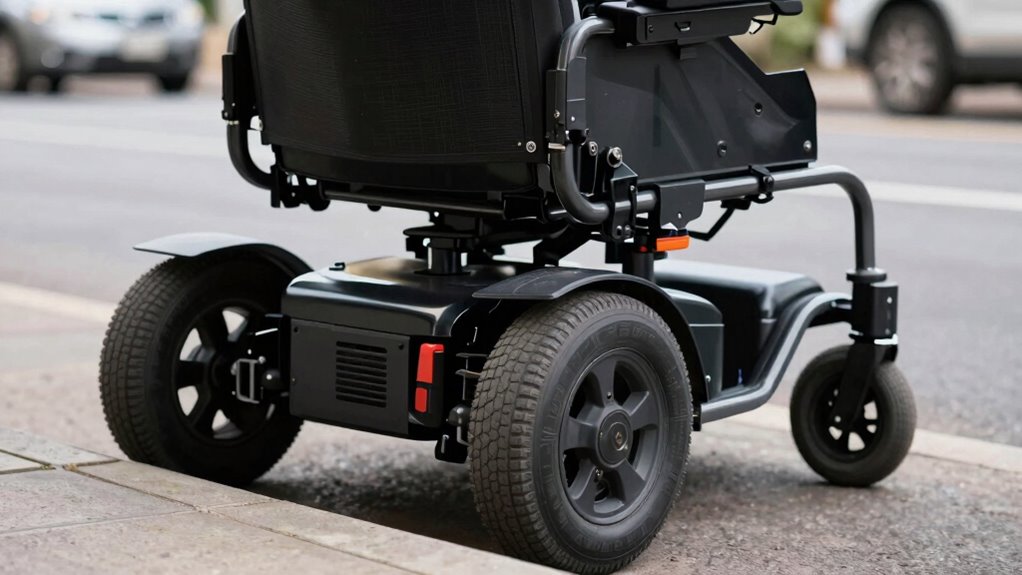
If you notice your mobility becoming more limited or struggling to get around, it might be time to contemplate a power wheelchair. Increased fatigue and physical strain can also signal that your current setup isn’t enough to support your needs. Recognizing these signs early can help you maintain independence and prevent unnecessary discomfort.
Limited Mobility Challenges
Noticing difficulty walking longer distances, frequent fatigue, or losing balance are clear signs your mobility is declining. These challenges can limit your daily activities and impact your independence. If you find yourself avoiding outings or needing assistance more often, it might be time to consider adaptive technology like a power wheelchair. This device can considerably enhance your independence by providing reliable support and ease of movement.
Signs you might need one sooner include:
- Struggling to stand or sit without help
- Increasing reliance on mobility aids
- Fear of falling or instability
- Inability to participate in preferred activities
Addressing these challenges early can improve your quality of life and help you maintain autonomy longer. Power wheelchairs are designed to meet these mobility needs effectively.
Increased Fatigue and Strain
As mobility declines, you may find yourself feeling more exhausted after simple activities or experiencing muscle strain that wasn’t an issue before. This increased fatigue signals that your physical endurance is decreasing, making everyday tasks more draining. You might also notice that you need to rely heavily on energy conservation techniques, which can be tiring in itself. Straining muscles and quick exhaustion can limit your independence and increase discomfort. If you’re experiencing these signs, it’s a clear indication that a power wheelchair could help reduce strain and conserve your energy. Using a power wheelchair allows you to navigate more comfortably without overexerting yourself, helping to preserve your remaining strength and improve overall quality of life.
Tips to Overcome Barriers and Get a Power Wheelchair Early
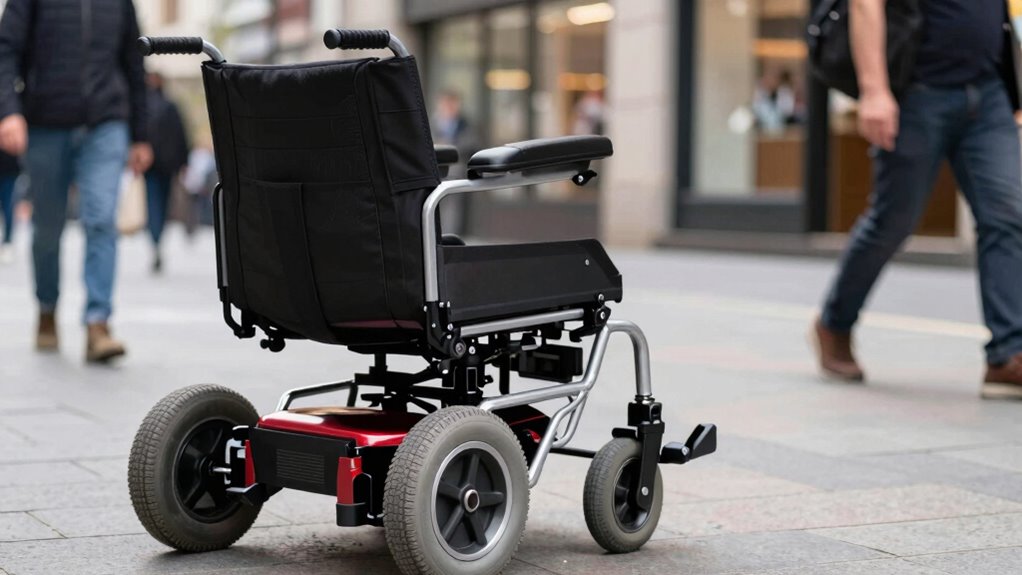
Getting a power wheelchair early can substantially improve your quality of life, but many people face barriers that delay access. To overcome these obstacles, start by advocating for yourself with healthcare providers, emphasizing the importance of assistive technology and mobility aids. Educate yourself about your options and seek second opinions if needed. Building a strong support network of family, friends, and professionals can also help you navigate the system. Additionally, stay informed about insurance coverage and funding opportunities to reduce financial barriers.
- Research local resources and programs that assist with funding
- Communicate clearly with your healthcare team about your needs
- Gather documentation to support your case for early access
- Join support groups for advice and encouragement
Why Education and Policy Support Are Key to Timely Access

Advocating for yourself is a crucial step, but systemic changes through education and policy support are what truly enable timely access to power wheelchairs. Policy reform is essential to remove barriers, streamline approval processes, and guarantee coverage. Education initiatives for healthcare providers, insurers, and policymakers improve understanding of mobility needs, reducing delays caused by misinformation or outdated practices. When authorities prioritize accessible policies and invest in targeted education, you face fewer hurdles in getting the equipment you need promptly. These efforts help shift the focus from reactive adjustments to proactive planning, ensuring that power wheelchairs are recognized as vital tools for independence. Ultimately, combining policy reform with education initiatives creates a system that supports your right to timely, appropriate mobility solutions.
Frequently Asked Questions
How Can Healthcare Providers Better Identify Candidates for Power Wheelchairs?
To better identify candidates for power wheelchairs, you need to address evaluation challenges and close training gaps. Conduct thorough assessments that consider mobility needs, safety, and daily activities. Stay updated on current guidelines and guarantee staff are properly trained to recognize subtle functional declines. By proactively appraising patients and improving your team’s training, you can prevent delays in recommending power wheelchairs, ultimately enhancing patients’ independence and quality of life.
What Role Do Insurance Companies Play in Delaying Power Wheelchair Access?
Insurance companies often contribute to delays in power wheelchair access through insurance hurdles and coverage delays. They may require extensive documentation, second opinions, or deny claims initially, causing you to wait longer than necessary. These processes can be frustrating, making you feel overlooked and unsupported. To reduce these delays, stay proactive by providing complete documentation and working closely with your healthcare provider to meet insurance requirements efficiently.
Are There Technological Advancements Making Power Wheelchairs More Affordable?
Imagine a new horizon where technology and affordability collide like rising suns. Today’s power wheelchairs boast innovative features that are driving down costs, making them more accessible than ever. Cost reduction efforts, such as lighter materials and smarter designs, are transforming these wheelchairs into practical options for more people. With ongoing advancements, you’ll find power wheelchairs becoming not only more affordable but also packed with features that enhance independence and comfort.
How Can Caregivers Advocate for Earlier Power Wheelchair Use?
You can advocate for earlier power wheelchair use by staying informed about assistive technology options and discussing their benefits with healthcare providers. Encourage caregiver training to recognize early signs that a power wheelchair might improve mobility and independence. By actively communicating your loved one’s needs and pushing for timely assessments, you help guarantee they receive the right assistive technology sooner, leading to better quality of life and reduced frustration.
What Are the Long-Term Health Impacts of Delaying Power Wheelchair Adoption?
Delaying power wheelchair use can lead to subtle but serious health declines. You might notice increased muscle atrophy and a gentle decline in cardiovascular health, which can make daily activities more challenging over time. Early adoption helps maintain your strength and heart health, ensuring you stay active and independent longer. Don’t wait until discomfort becomes unavoidable—taking proactive steps now can safeguard your well-being for years to come.
Conclusion
Don’t let myths or misconceptions hold you back from a power wheelchair. The truth is, early access can transform your life, boosting independence and confidence. Society’s attitudes and cost concerns often delay this essential support, but awareness and education can change that. Remember, seeking help sooner rather than later isn’t a sign of weakness—it’s a step toward reclaiming your mobility and quality of life. You deserve the freedom power wheelchairs offer.