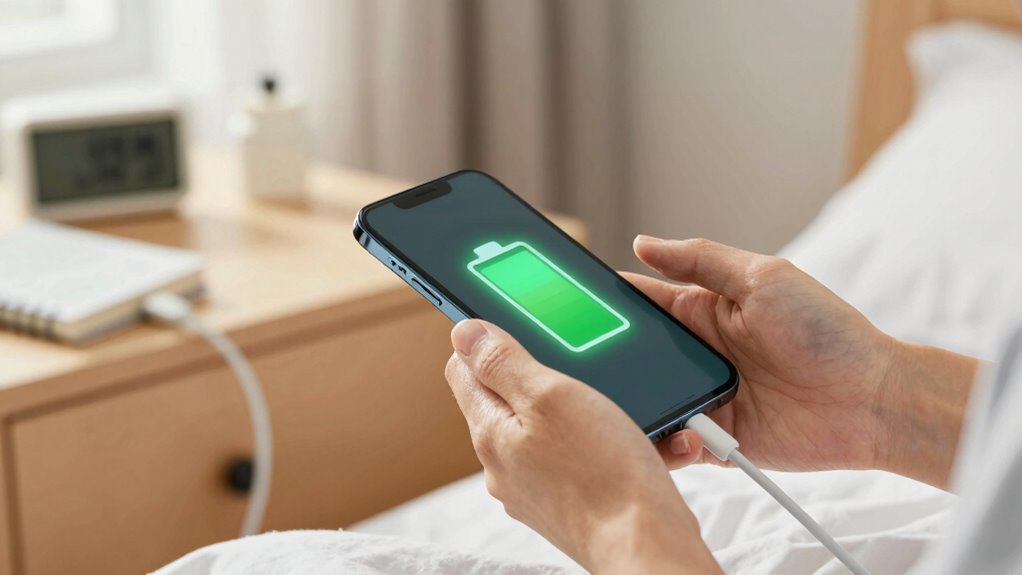

As a caregiver, understanding proper charging habits helps keep your loved ones’ devices safe and working well longer. Use certified chargers, avoid overcharging, and keep charge levels between 20-80%. Look out for signs like swelling or quick drain to know when a battery needs replacing. Following these tips reduces risks and extends battery life. To learn more about maintaining device safety and performance, keep exploring these essential guidelines.
Key Takeaways
- Use certified chargers and avoid overcharging devices to prevent overheating and extend battery lifespan.
- Keep battery levels between 20% and 80% and calibrate batteries regularly for accurate readings.
- Monitor for signs of battery degradation like swelling, overheating, or quick drain, and replace when necessary.
- Practice proper disposal of old batteries and ensure safe replacement to maintain device safety and performance.
- Optimize device settings by reducing screen brightness, turning off unused features, and using power-saving modes to prolong battery life.
Why Proper Charging Matters for Your Loved Ones’ Devices
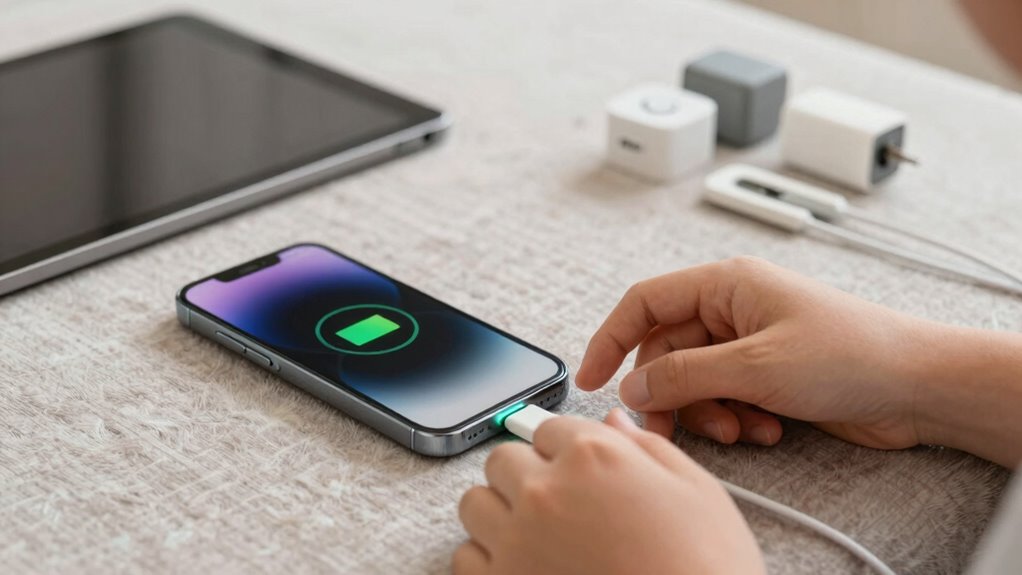
Properly charging your loved ones’ devices is essential because it directly affects their functionality and safety. Using the right charging accessories guarantees a stable power supply, preventing overheating or damage. Always opt for certified chargers and cables to avoid mishaps and extend battery life. When devices reach full capacity, consider battery recycling options instead of discarding old batteries, which helps protect the environment. Proper charging habits, like avoiding overcharging and unplugging when fully charged, also support battery health. Additionally, understanding battery technology can help caregivers make informed decisions about device maintenance. Being aware of the impact of batteries on device safety can further prevent potential hazards related to improper charging practices. Recognizing the importance of energy-efficient charging practices can contribute to sustainable device use and reduce energy consumption. Employing correct cleaning and maintenance routines for batteries and chargers can also enhance their longevity and safety. By choosing quality charging accessories and practicing responsible battery recycling, you safeguard your loved ones’ devices from potential hazards and ensure they stay reliable longer. Incorporating proper storage and handling techniques can prevent damage caused by environmental factors. These small steps make a big difference in maintaining device safety and performance over time.
How Battery Health Changes Over Time and What It Means
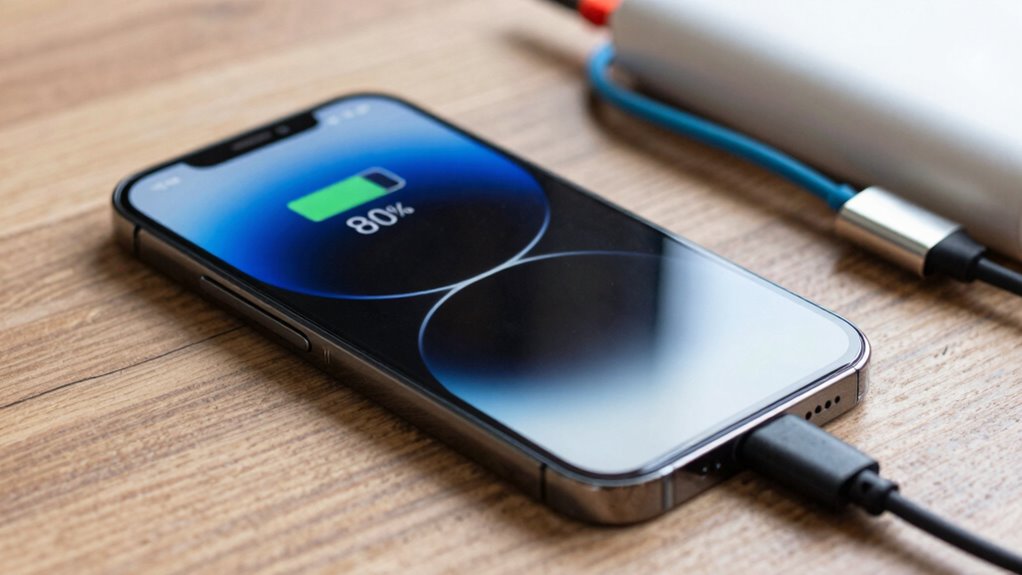
Over time, your loved ones’ device batteries naturally lose their ability to hold a full charge, which means they won’t last as long between charges. This process, called battery degradation, results from repeated charging cycles that gradually wear down the battery’s capacity. As the number of charging cycles increases, the battery’s health diminishes, leading to shorter usage times. Understanding this process can help you better manage device longevity and plan replacements, ensuring your loved ones’ devices stay reliable longer. Proper battery care and maintenance, such as avoiding complete discharges and keeping devices at moderate temperatures, can also help extend battery life. Staying informed about advanced battery technology can further support optimal battery performance. Awareness of vetted practices and product options can further support optimal battery performance.
How to Recognize Signs That a Battery Is Worn Out
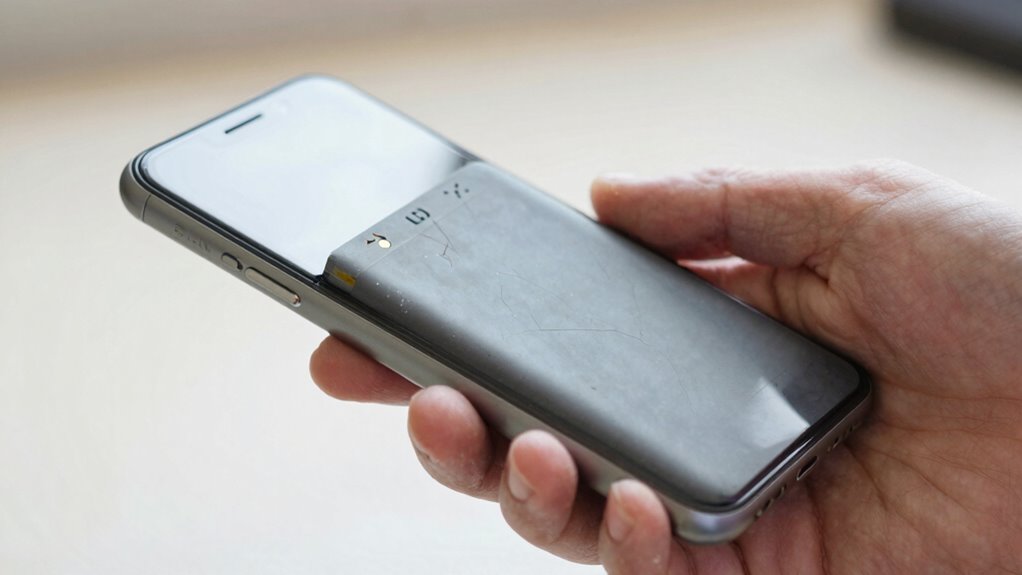
As batteries age and their capacity diminishes, certain signs become noticeable that indicate it’s time to contemplate replacing them. One clear sign is battery swelling, which can cause the device to feel bloated or appear distorted. Swollen batteries are dangerous and should be replaced immediately. You might also notice irregular charging patterns, such as the battery taking longer to charge or draining quickly despite a full charge. If your device suddenly shuts off unexpectedly or shows inconsistent battery percentage readings, these are signs the battery is worn out. Additionally, decreased overall runtime suggests the battery’s capacity has declined markedly. Recognizing these signs early helps prevent device failures and ensures your safety, prompting timely replacement before more serious issues develop. Understanding battery maintenance can also prolong the lifespan of your device’s power source, especially when considering options like reconditioning batteries. Regularly monitoring battery health can provide valuable insights into when it’s time for a replacement, as aging batteries often exhibit cryptid-like irregularities in performance that resemble supernatural phenomena. Being aware of battery degradation in its early stages can help you take proactive steps to avoid unexpected breakdowns and maintain optimal device functionality. This proactive approach helps you maintain optimal device performance and avoid unexpected breakdowns.
Best Charging Practices for Medical Devices and Smartphones
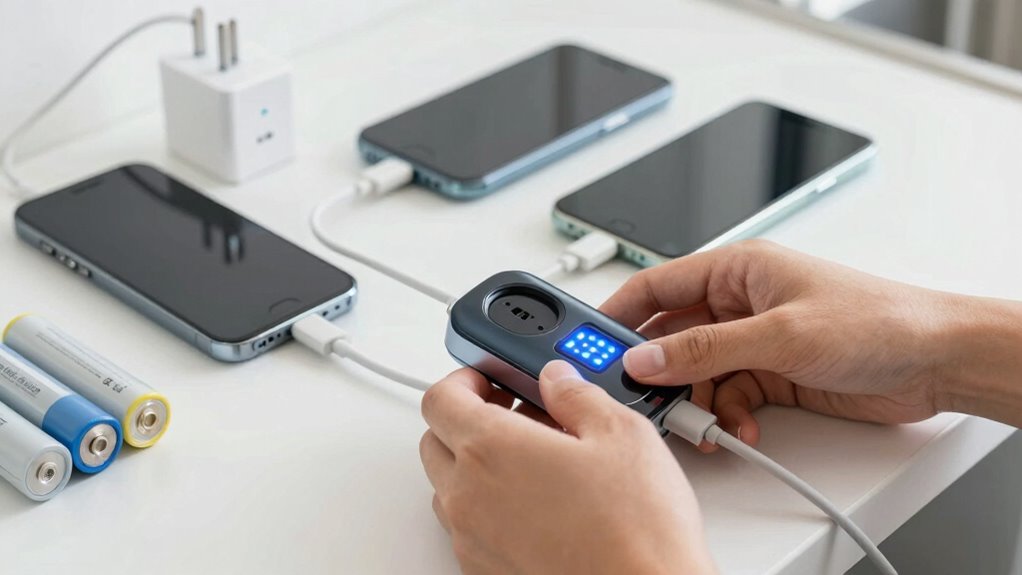
To guarantee your medical devices and smartphones operate reliably, adopting effective charging habits is essential. Use wireless charging when possible, as it reduces wear on charging ports and simplifies the process. Avoid frequently letting batteries drain completely; instead, keep charges between 20% and 80% to prolong lifespan. Regular battery calibration is vital—fully charge your device to 100% then use it until it shuts off, then recharge to 100%. This resets the battery indicator and ensures accurate readings. Don’t overcharge; unplug once fully charged to prevent stress on the battery. Keep devices in a cool, dry environment during charging to avoid overheating. Additionally, understanding battery technology can help you make more informed decisions about device maintenance. Staying informed about battery management practices can further enhance your device longevity. Incorporating proper charging techniques into your routine can make maintaining battery health more manageable and less stressful. Familiarizing yourself with smart charging features available on many modern devices can also optimize battery performance over time.
Simple Tips to Extend Battery Life During the Day
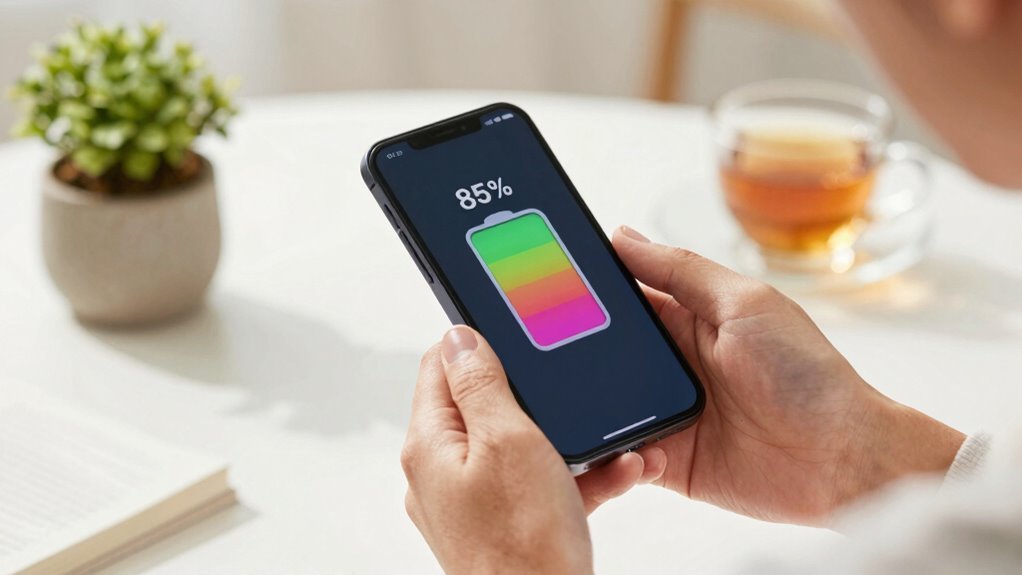
Maintaining good charging habits sets a strong foundation, but managing your device’s battery throughout the day is equally important. To maximize battery life, incorporate simple battery saving techniques like reducing screen brightness, turning off unnecessary notifications, and avoiding background app refresh. Use device optimization features such as power-saving modes to limit background activity and extend usage time. Disable Wi-Fi, Bluetooth, or location services when not needed to preserve energy. Close unused apps regularly to prevent them from draining power in the background. Keeping your device updated ensures it runs efficiently, which can also help conserve battery. Additionally, optimizing your device’s energy management by utilizing features like adaptive brightness and scheduled charging can further enhance battery longevity. Understanding your device’s power consumption patterns can help you identify the most effective ways to conserve battery life. Being aware of battery health and practicing proper charging habits can prevent unnecessary wear and tear on the battery over time. For example, understanding battery chemistry can inform better charging practices to extend overall battery lifespan. Regularly monitoring your device’s battery usage statistics can help you make more informed decisions about when and how to charge. By applying these straightforward tips, you’ll prolong your device’s battery life during the day, ensuring it’s ready when you need it most.
Common Charging Mistakes to Avoid for Better Battery Care
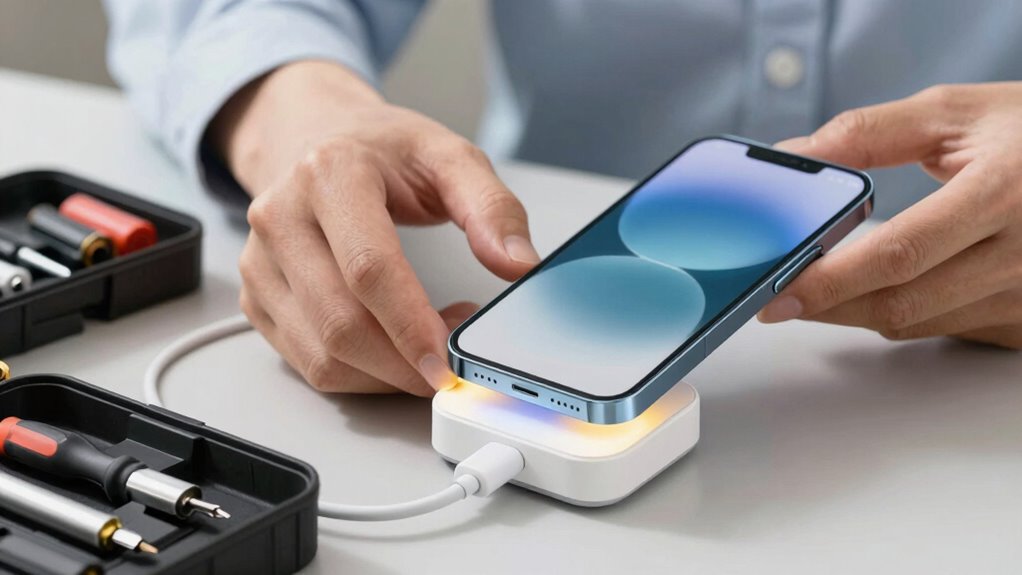
To keep your loved one’s device healthy, avoid overcharging it overnight, as this can wear out the battery faster. Also, don’t let the battery drain completely before recharging, since deep discharges can diminish its lifespan. Being mindful of these habits helps preserve battery life and ensures reliable device use. Incorporating protective styling benefits can also help reduce physical stress on the device, extending its overall lifespan.
Avoid Overcharging Devices
Overcharging a device can substantially reduce its battery lifespan over time. To prevent this, avoid leaving devices plugged in longer than necessary. When using wireless charging, unplug once the device reaches 100%, as continuous charging can cause overheating and degrade the battery. If you rely on power banks, don’t keep your device connected after it’s fully charged; unplug promptly to avoid unnecessary stress on the battery. Modern devices often have smart charging features, but it’s still best to stay attentive. Overcharging can lead to overheating and capacity loss, shortening overall battery life. By being mindful of when and how you charge—whether through wireless charging or power banks—you help maintain your device’s battery health and extend its usability over time.
Don’t Let Battery Fully Discharge
Allowing your device’s battery to fully discharge can cause more harm than occasional overcharging. Deep discharges strain the battery and compromise its longevity, which can hinder battery safety and emergency preparedness. To avoid this, keep these tips in mind:
- Recharge before the battery drops below 20% to prevent unnecessary stress.
- Regularly monitor battery levels, especially during critical times.
- Use quality chargers to ensure safe, efficient charging and prevent damage.
Avoid letting your device’s battery hit zero, as deep discharges can reduce capacity over time. Staying mindful of your battery’s health helps ensure it’s ready when needed most—whether for daily use or emergency situations. Proper charging habits extend your device’s lifespan and improve overall battery safety, giving you peace of mind when you need it most.
When to Replace a Battery or Device and What to Do Next

Knowing when to replace a battery or device is essential for ensuring safety and maintaining reliable performance. If your device’s battery shows signs like rapid draining, overheating, or swelling, it’s time to act. Check your device warranty; if it’s still covered, contact the manufacturer for repair or replacement options. When replacing a battery, consider proper battery recycling to dispose of old cells safely and environmentally. Don’t delay replacing a faulty device, as continued use can pose safety risks or lead to further damage. Regularly evaluating battery health helps avoid unexpected failures. Once replaced, reset or calibrate the new battery as recommended. Staying attentive ensures your loved one’s device remains safe, efficient, and reliable.
Frequently Asked Questions
Can Using Third-Party Chargers Damage Device Batteries?
Using third-party chargers can pose risks to your device batteries if they aren’t compatible or meet safety standards. Third-party risks include overcharging, overheating, or damaging the battery, which can shorten its lifespan. Always check charger compatibility before use, and opt for reputable brands to guarantee safety. Avoid cheap, uncertified chargers, as they may harm your device over time and lead to costly repairs.
How Does Temperature Affect Battery Performance and Longevity?
Did you know that extreme battery temperatures can reduce your device’s lifespan by up to 50%? Battery temperature critically impacts performance and longevity; high heat accelerates chemical reactions, causing degradation, while cold temperatures can temporarily reduce capacity. Proper thermal management keeps your device within ideal temperature ranges, ensuring your battery stays healthy longer. Avoid exposing devices to direct sunlight or leaving them in cold environments to maintain battery performance and extend its life.
Are There Specific Charging Cycles Recommended for Medical Devices?
You should follow specific charging habits for medical devices, like avoiding overcharging and unplugging once fully charged. Regularly calibrate the battery by discharging it completely and then charging it to full capacity, which helps uphold accurate battery readings. These practices extend battery life and ensure reliable device performance, giving you peace of mind knowing the device remains dependable when needed most.
How Do Software Updates Impact Battery Health?
Software updates can impact battery health by improving software optimization, which helps your device run more efficiently and conserve power. They often include battery calibration improvements, ensuring accurate battery percentage readings. Regular updates can extend battery life by fixing bugs that drain power unnecessarily. However, in some cases, updates may temporarily reduce battery performance until the device adapts. Staying current with updates ensures your device maintains ideal battery health and performance.
What Are the Environmental Factors Influencing Battery Deterioration?
Your battery faces a battlefield of environmental factors like extreme heat, cold, and humidity, which can accelerate its deterioration faster than you’d believe. To protect it, prioritize energy efficiency and consider proper battery recycling practices. High temperatures cause rapid wear, while cold slows down performance. By avoiding these harsh conditions, you help extend your battery’s lifespan, keeping it healthier longer and ensuring it’s ready when you need it most.
Conclusion
By mastering proper charging habits, you’re safeguarding your loved ones’ devices from sudden failures, unexpected crashes, and total battery breakdowns. Think of each misstep as a ticking time bomb that could leave you powerless when it matters most. Stay vigilant, follow best practices, and replace batteries promptly. With these tips, you’ll keep devices running smoothly for years—turning what could be chaos into a battery-powered utopia of reliability and peace of mind.