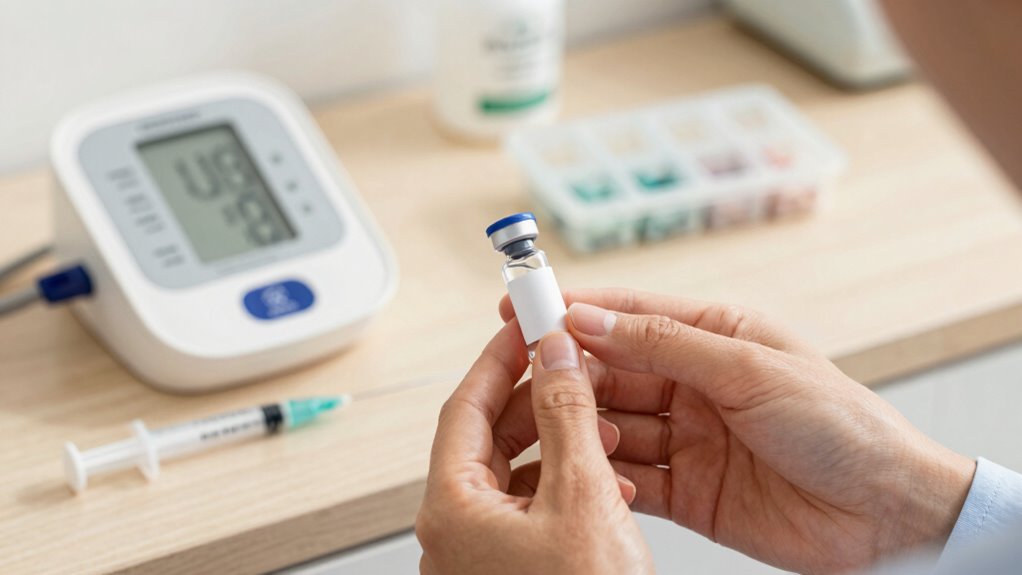

As a caregiver, it’s crucial you understand how blood thinners like warfarin work to prevent blood clots and reduce stroke risk, but they also increase bleeding chances. You should manage diet carefully, especially consistent vitamin K intake, and watch for signs of bleeding such as unusual bruising or blood in urine. Keep an emergency plan, stay on top of doctor visits, and check all medications and supplements for interactions. Staying informed can make a big difference in safety—more details to help you stay prepared lie ahead.
Listen free for 30 days with Audible
Thousands of audiobooks and originals — cancel anytime.
As an affiliate, we earn on qualifying purchases.
Key Takeaways
- Understand the purpose of blood thinners and their bleeding risks to manage emergencies effectively.
- Maintain a consistent diet, especially regarding vitamin K intake, to ensure medication effectiveness.
- Keep a well-stocked first aid kit and recognize signs of serious bleeding for prompt action.
- Regularly monitor blood tests and communicate with healthcare providers about medication and health changes.
- Be aware of drug and supplement interactions that can increase bleeding risks and consult professionals before changes.

Blood thinners play an essential role in preventing blood clots, but they also come with safety considerations you need to understand. As a caregiver, your awareness of how these medications work and what risks they carry can make a significant difference in your loved one’s health. One key aspect to weigh is diet interactions. Certain foods, especially those high in vitamin K like leafy greens, can interfere with blood thinners such as warfarin. If your loved one’s diet isn’t consistent, it could either increase the risk of bleeding or make the medication less effective. You should work closely with healthcare providers to develop a stable eating plan that maintains consistent vitamin K intake. Additionally, it’s important to inform everyone involved in caregiving about these dietary considerations to avoid accidental dietary changes that could impact medication effectiveness.
Emergency preparedness is another critical area. Accidents happen unexpectedly, and if your loved one is on blood thinners, even minor injuries can lead to significant bleeding. Keep a well-stocked first aid kit and know how to handle bleeding emergencies. You should also have quick access to contact information for healthcare providers and emergency services. Knowing how to recognize signs of serious bleeding, such as unusual bruising, blood in urine or stool, or severe headache, can help you act swiftly. It’s advisable to have a clear plan for seeking immediate medical attention if needed. Also, inform family members or other caregivers about the medication and what to do in emergencies, so everyone is prepared. Being aware of the blood thinning process can further inform your responses in urgent situations.
Regular communication with healthcare providers is indispensable. Make sure your loved one attends all scheduled appointments and that blood tests, such as INR checks, are up to date. These tests help guarantee the medication dosage remains ideal and safe. Keep a record of medication schedules, side effects, and any unusual symptoms, and share this information with the doctor. This proactive approach can prevent complications and ensure your loved one stays safe while on blood thinners.
Finally, educate yourself about possible drug interactions beyond diet, including over-the-counter medications, herbal supplements, and certain prescriptions that could increase bleeding risk. Always consult healthcare professionals before starting new medications or supplements. By understanding diet interactions, staying prepared for emergencies, and maintaining open communication with healthcare providers, you play an indispensable role in your loved one’s safety. Your vigilance can make all the difference in managing blood thinner therapy effectively and reducing potential risks.
As an affiliate, we earn on qualifying purchases.
Frequently Asked Questions
Can Blood Thinners Be Used Alongside Herbal Supplements?
Blood thinners can interact with herbal supplements, so you should be cautious. Herbal interactions may increase bleeding risk or reduce medication effectiveness. Always check supplement safety and consult healthcare providers before combining blood thinners with any herbal products. Avoid herbs like ginkgo, garlic, and ginseng unless your doctor approves. Staying informed helps you prevent complications and guarantees safe management of your loved one’s medication and supplement regimen.
How Long Should a Caregiver Monitor for Bleeding Signs?
You should monitor for bleeding symptoms continuously, especially during the first few weeks of blood thinner therapy, as this is when risks are higher. Keep a close eye on signs like unusual bruising, nosebleeds, or blood in urine or stools. The monitoring duration varies by individual, but staying vigilant for at least a month helps catch potential issues early. Always consult healthcare providers if you notice any concerning symptoms.
Are There Specific Foods to Avoid While on Blood Thinners?
You should avoid foods high in vitamin K, like leafy greens, because they can interfere with blood thinners. Diet restrictions are important to maintain consistent intake of these foods to prevent blood clotting issues. Be cautious of food interactions, such as certain herbal supplements, alcohol, and foods rich in vitamin K. Always consult with a healthcare provider before making changes to your diet, and stick to recommended guidelines for safe medication use.
What Should I Do if a Dose Is Missed?
Oh, missed a dose? No big deal—just kidding! You should take the missed dose as soon as you remember unless it’s close to the next one. Don’t double up, though. Prioritize medication adherence to avoid risks. If you’re unsure or if there’s bleeding or unusual symptoms, seek emergency response immediately. Always consult your healthcare provider for guidance on missed doses to keep safety top of mind.
How Do Blood Thinners Interact With Other Medications?
Blood thinners can interact with other medications, so you need to watch for medication interactions. Always inform your healthcare provider about all medicines, supplements, and herbs the person takes. They might require dosage adjustments to prevent bleeding risks or reduced effectiveness. Never start or stop any medication without consulting the healthcare provider, as these interactions can be serious. Regular monitoring helps make certain safe blood thinner use and effective treatment.
Conclusion
In the world of caregiving, understanding blood thinners isn’t just helpful—it’s your secret weapon against chaos! With the right knowledge, you could prevent life-threatening bleeds or strokes, turning you into a superhero for your loved one. Don’t underestimate the power of safety and vigilance—because a tiny mistake could turn into a disaster. Stay alert, stay informed, and you’ll be unstoppable in keeping your loved one safe and healthy every single day!
Flea & tick season Picks
flea and tick prevention
As an affiliate, we earn on qualifying purchases.